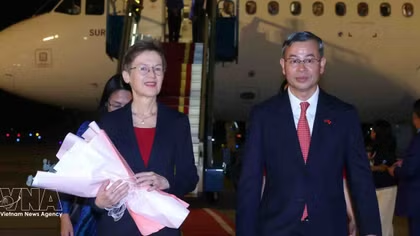
Brussels (VNA) – The Vietnamese Ministry of Foreign Affairs and the European External Action Service (EEAS) will strengthen coordination to ensure the effective implementation of the Vietnam-EU Comprehensive Strategic Partnership.
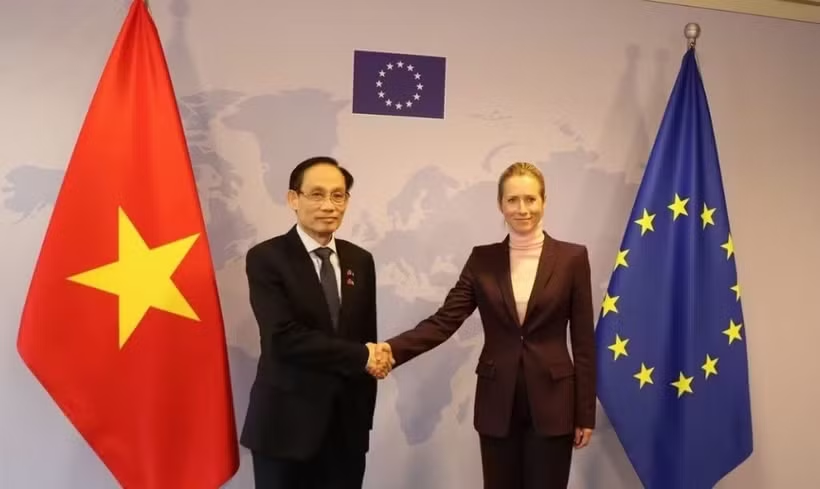
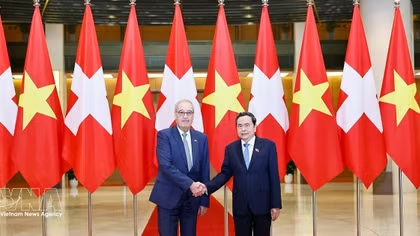
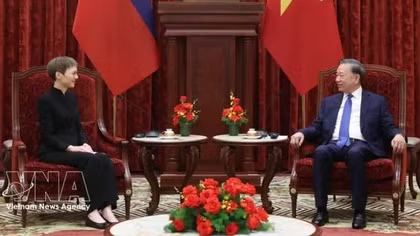
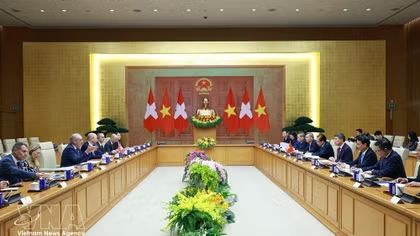
The consensus was reached during a meeting between Minister of Foreign Affairs Le Hoai Trung and European Commission Vice-President and EU High Representative for Foreign Affairs and Security Policy Kaja Kallas in Brussels, Belgium, on October 21.
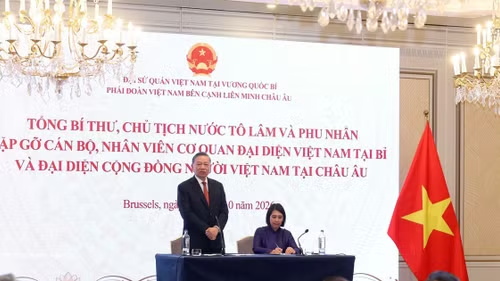
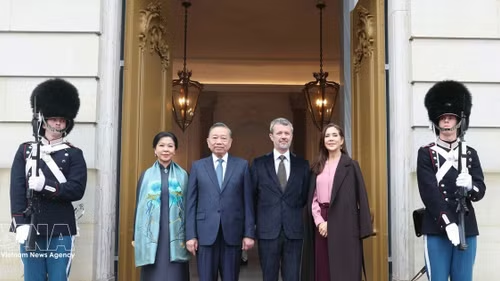
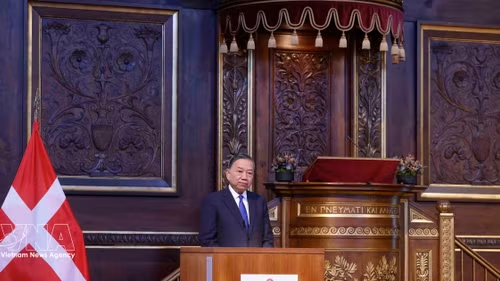
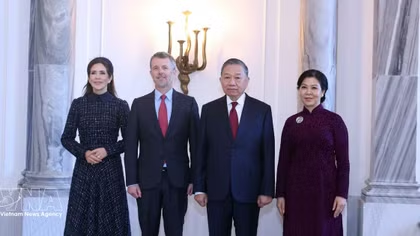
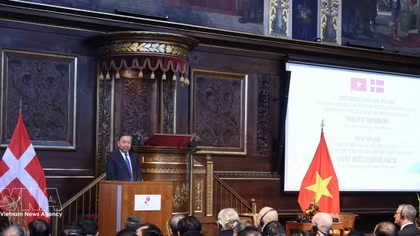
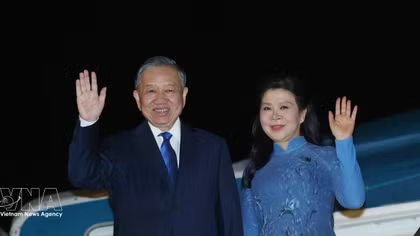
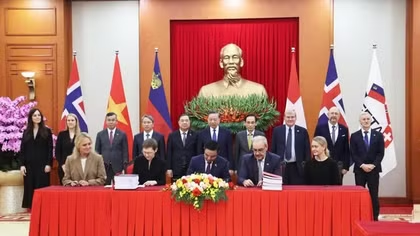
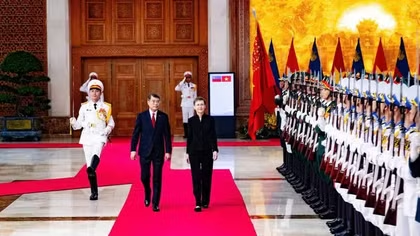
The meeting took place as part of the official visit to the EU by General Secretary of the Communist Party of Vietnam Central Committee and President To Lam.
Trung underscored the historic significance of the visit, which, he said, reflects deepening political trust and both sides’ strong commitment to elevating the Vietnam-EU Comprehensive Strategic Partnership to a new level, making it more substantive and effective.
Kallas affirmed that EU attaches importance to its relations with Vietnam, a priority partner in the Indo-Pacific. She also praised Vietnam’s development achievements and its growing role and standing in the region and the world at large.
She noted that Vietnam and the EU share many views and interests in promoting multilateralism, upholding the rules-based international order, supporting free trade, ensuring maritime and aviation security, safety and freedom, and peacefully settling disputes on the basis of international law.
Both sides agreed to maintain exchanges of delegations, regular contacts and consultations at all levels, make effective use of existing cooperation mechanisms, and actively review and follow up on the implementation of agreements and commitments made by their high-ranking leaders, particularly the outcomes of General Secretary and President Lam’s visit.
On regional and international issues of mutual concern, Trung welcomed the EU’s Indo-Pacific Strategy, affirming Vietnam’s readiness to continue serving as a bridge to deepen ASEAN-EU relations in a substantive and effective manner, strengthen connectivity between the two regions, and promote peace, stability, cooperation and sustainable development.
The two sides agreed to continue close coordination at regional and international forums, build on shared interests and views, strengthen cooperation on traditional and non-traditional security issues, support ASEAN centrality, and uphold the United Nations Charter and international law, including the 1982 United Nations Convention on the Law of the Sea (UNCLOS)./.