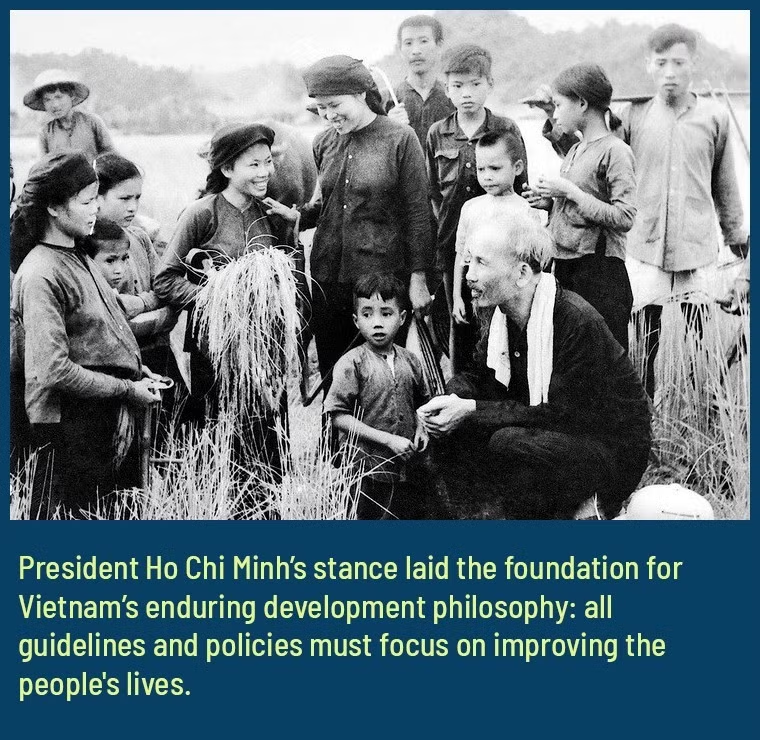
Shortly after the birth of the Democratic Republic of Vietnam in the autumn of 1945, in a context where over 90% of the population was illiterate, famine was widespread, and the nation faced overwhelming hardships, President Ho Chi Minh identified three urgent tasks: fighting hunger, fighting illiteracy, and fighting foreign aggression. At a meeting of the National Administrative Committee in September 1945, he instructed: "If the people go hungry, the Party and the Government are at fault."
President Ho Chi Minh’s stance laid the foundation for Vietnam’s enduring development philosophy: all guidelines and policies must focus on improving the people's lives.
Through decades of resistance wars and national reconstruction, this goal was steadfastly pursued despite severe economic constraints. Only when the Đổi Mới (Renovation) cause was launched in 1986 — transitioning toward a socialist-oriented market economy — did Vietnam gain the conditions to transform poverty reduction into a long-term development strategy, opening pathways out of poverty for tens of millions of citizens.
In 1993, Vietnam issued its first national poverty line, marking a transition from situational relief policies to systematic poverty management based on standardized criteria. According to a report presented at the 4th Session of the 9th National Assembly, the poverty rate at that time stood at 58.1%, while annual per capita income was a mere US$185. The poverty line was measured using a single-dimensional method based on food-equivalent income.
From this point onward, Vietnam’s poverty reduction policy framework was progressively refined to become increasingly comprehensive and effective. The 1993–2000 period laid the foundation for National Target Programmes on poverty reduction. In particular, Programme 135, established in 1998, focused on essential infrastructure investments for extremely disadvantaged communes in ethnic minority, mountainous, and remote areas, helping reduce Vietnam's poverty rate from 58.1% in 1993 to 37.4% in 1998.
The first decade of the 21st century marked a shift from mere relief assistance to the comprehensive development of living conditions. Beyond income generation, government policies began expanding into education, healthcare, clean water, and housing.
Programme 134 and Resolution 30a on rapid and sustainable poverty reduction for poor districts provided vital momentum, bringing the poverty rate down to 20.7% by 2010. Vietnam also fulfilled the United Nations Millennium Development Goal (MDG) on poverty reduction seven years ahead of schedule.


Another major turning point occurred between 2011 and 2020, when Vietnam fundamentally reshaped its development mindset, shifting from single-dimensional to multidimensional poverty reduction aimed at long-term sustainability. During this period, poverty was no longer measured solely by income, but also by access to basic social services. Statistics show that the poverty rate declined by an average of 1% to 1.5% annually, reaching approximately 4.8% by 2020, while the average income of poor households increased 2.3 times compared to 2015.
From 2021 onward, poverty reduction has been embedded within an overarching strategy for inclusive development. The Government issued Decree No. 07/2021/ND-CP establishing multidimensional poverty standards for the 2021–2025 period to measure and monitor income deficits as well as gaps in access to basic social services.
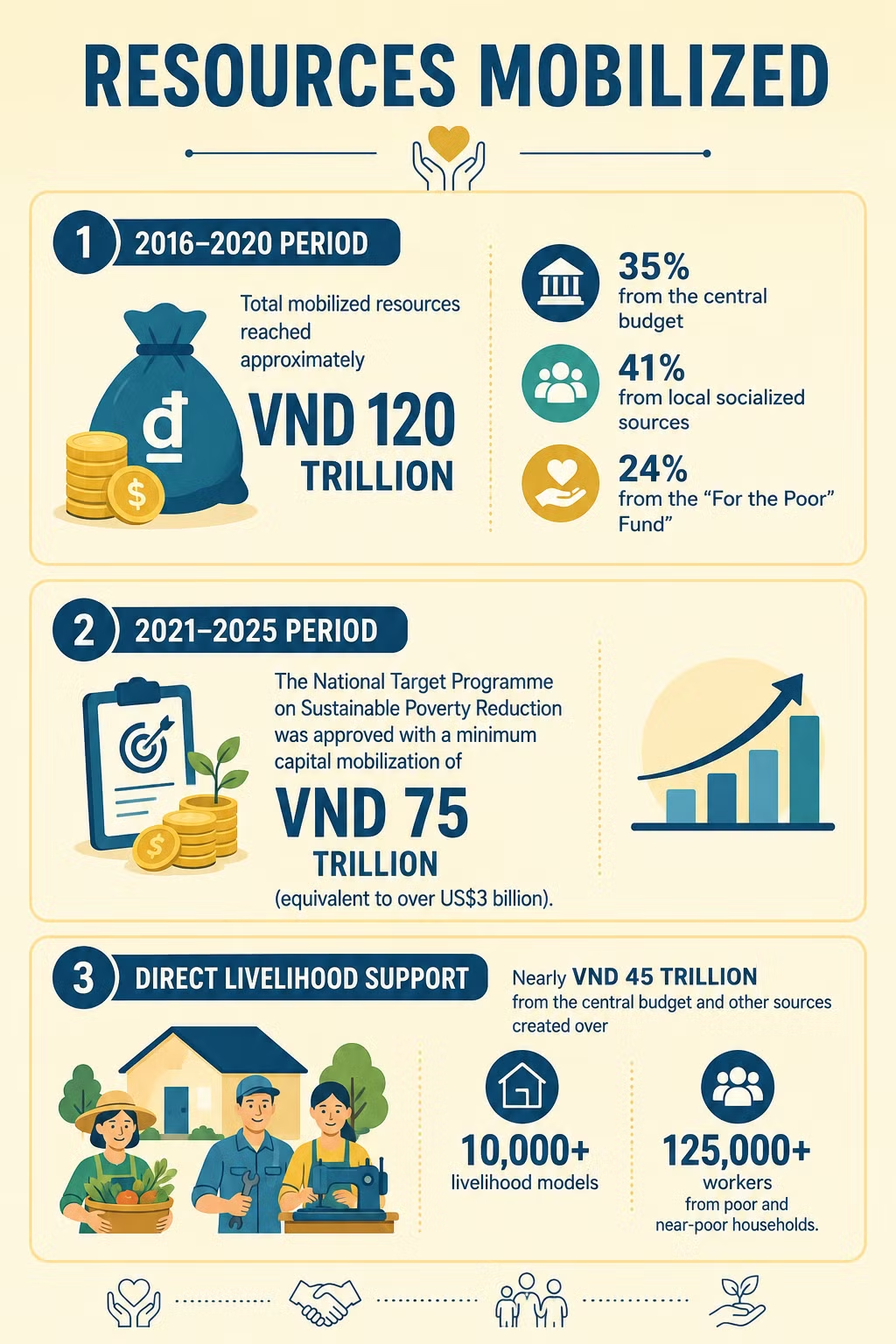
Crucially, from January 1, 2022 to December 31, 2025, a new poverty line featuring higher income thresholds and broader dimensions was applied. Concurrently, the implementation of the National Target Programme on Sustainable Poverty Reduction for 2021–2025 shifted from broad-based coverage to in-depth investment, focusing on synchronized projects designed around three pillars: multidimensionality, inclusiveness, and sustainability.
This paradigm shift initially raised Vietnam’s multidimensional poverty rate to 7.52% in 2022. However, accepting this statistical increase demonstrated the Government’s candor and resolve: refusing to chase outdated figures and instead proactively raising living standards to expand social welfare coverage in step with actual national development.
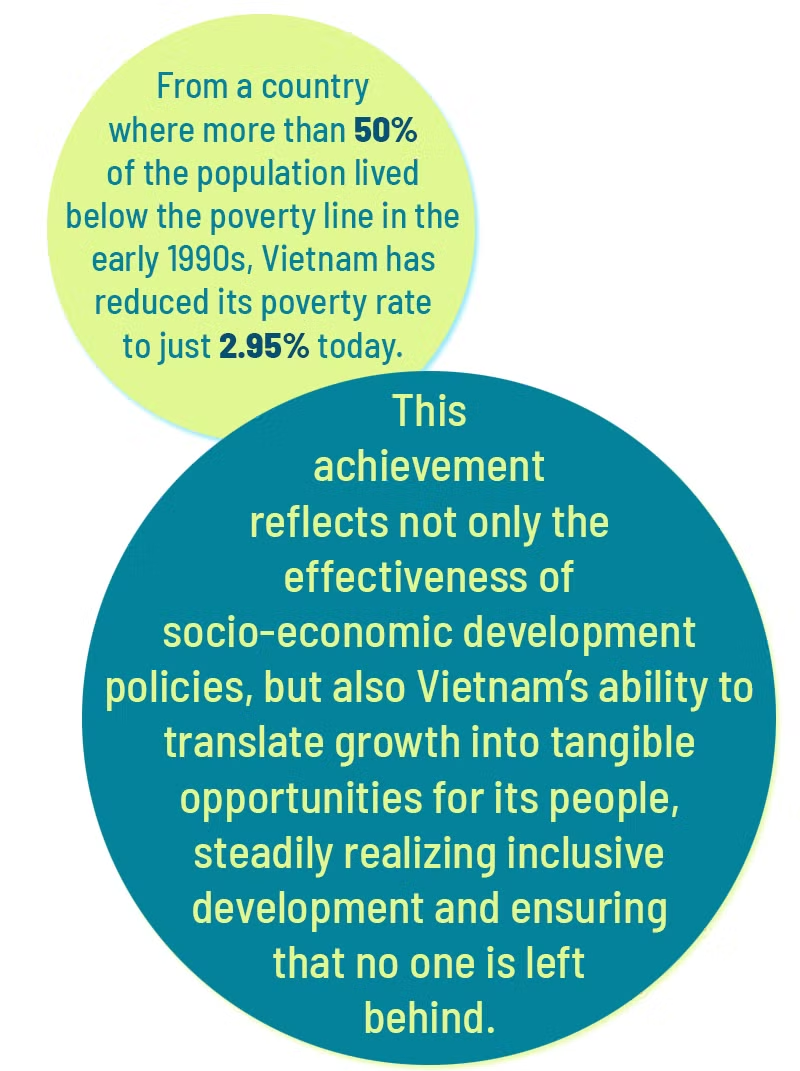
From this rigorous baseline of 7.52% in 2022, Vietnam progressively brought the multidimensional poverty rate down to 5.71% in 2023, 4.06% in 2024, and 2.95% by 2025.
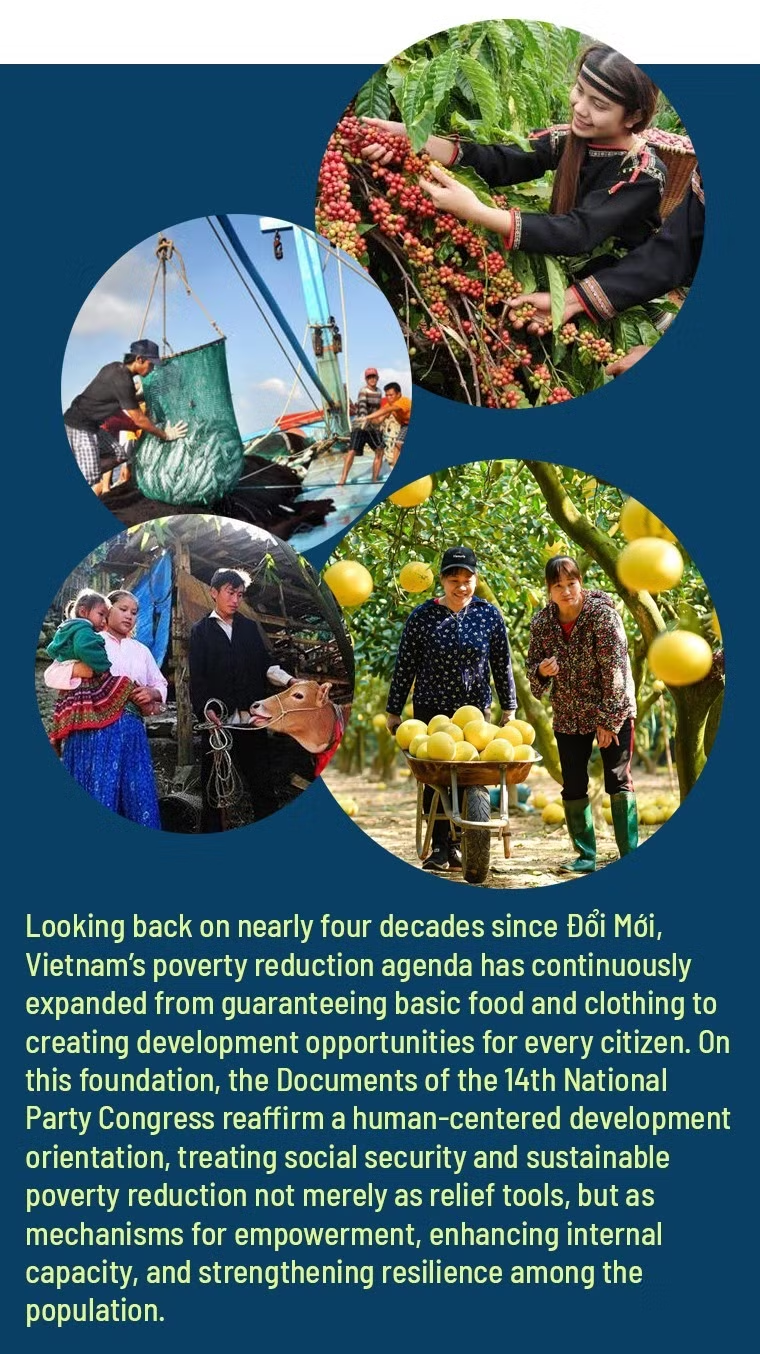
Looking back on nearly four decades since Đổi Mới, Vietnam’s poverty reduction agenda has continuously expanded from guaranteeing basic food and clothing to creating development opportunities for every citizen. On this foundation, the Documents of the 14th National Party Congress reaffirm a human-centered development orientation, treating social security and sustainable poverty reduction not merely as relief tools, but as mechanisms for empowerment, enhancing internal capacity, and strengthening resilience among the population.
What distinguishes Vietnam is not merely the pace of poverty reduction, but the fundamental transformation in approach. Where poverty was once measured strictly by income, Vietnam now views poverty as a deprivation of human development opportunities.
Consequently, Vietnam became the first country in Asia and among the first 30 countries worldwide to adopt the Multidimensional Poverty Index (MPI), assessing living standards not only through income, but through access to education, healthcare, employment, housing, clean water, sanitation, and information.
This shift reflects a deeply humanistic development philosophy. An individual may cross the income threshold, but without access to education, healthcare, stable employment, or information, the risk of falling back into poverty remains constant. Therefore, the goal of poverty reduction policy is no longer confined to raising income levels; it aims to broaden opportunities for every individual to achieve comprehensive development.
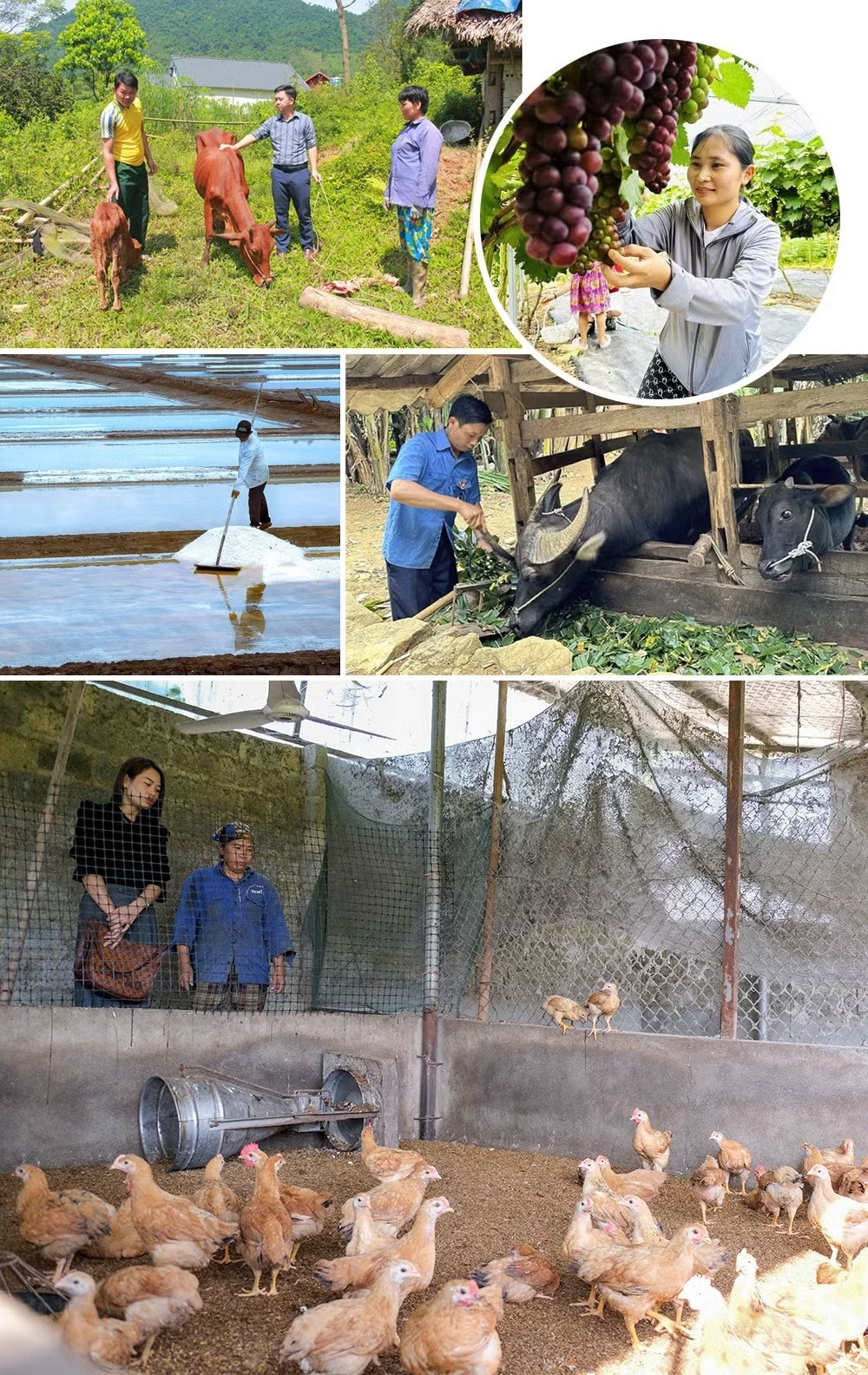
Alongside new approaches to defining poverty, methods of assistance have evolved toward empowerment rather than passive support. Policy focuses on generating livelihoods, enhancing capacity, expanding market access, and encouraging self-reliance. Production development schemes, the "One Commune One Product" (OCOP) initiative, green agriculture, and community tourism are all aligned toward this objective.
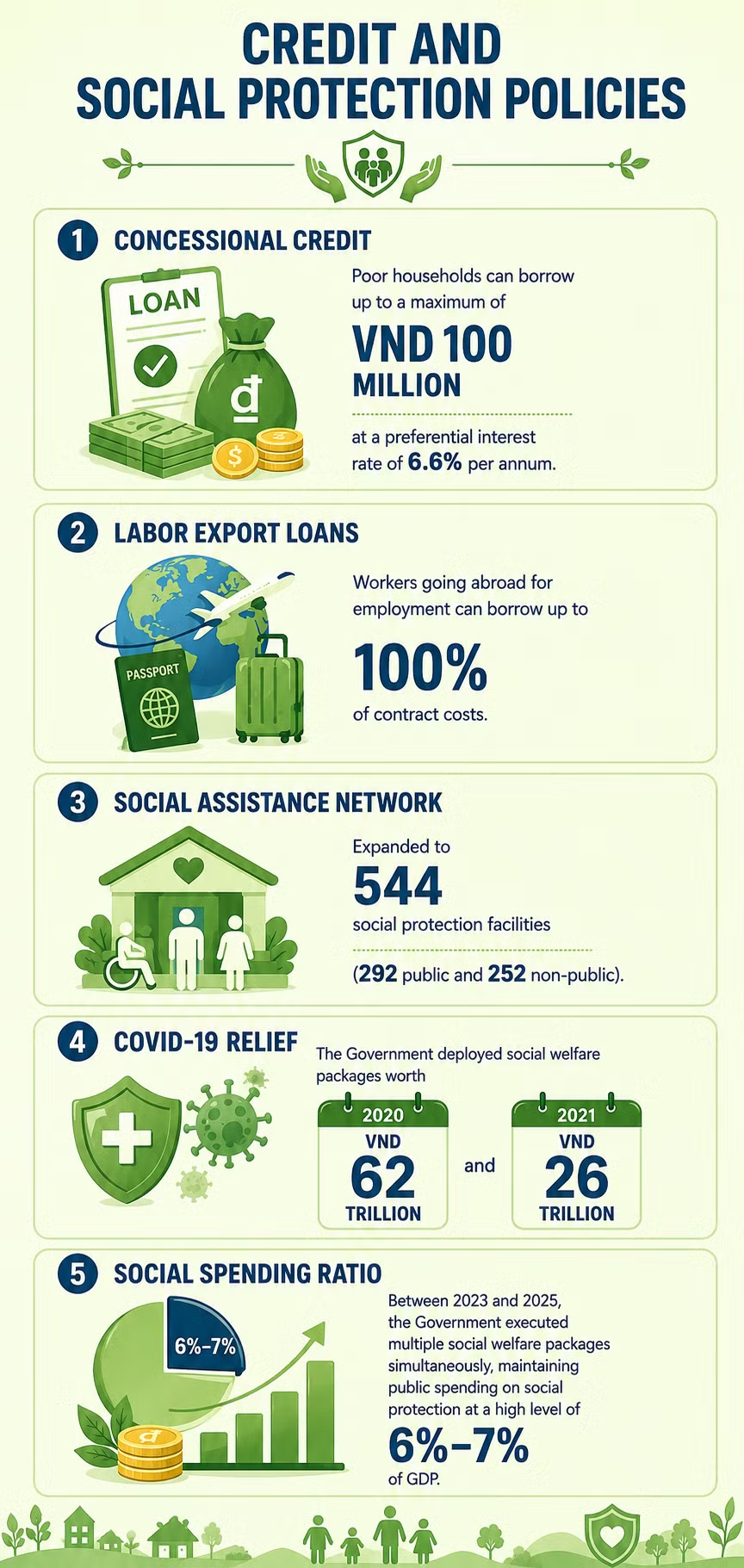
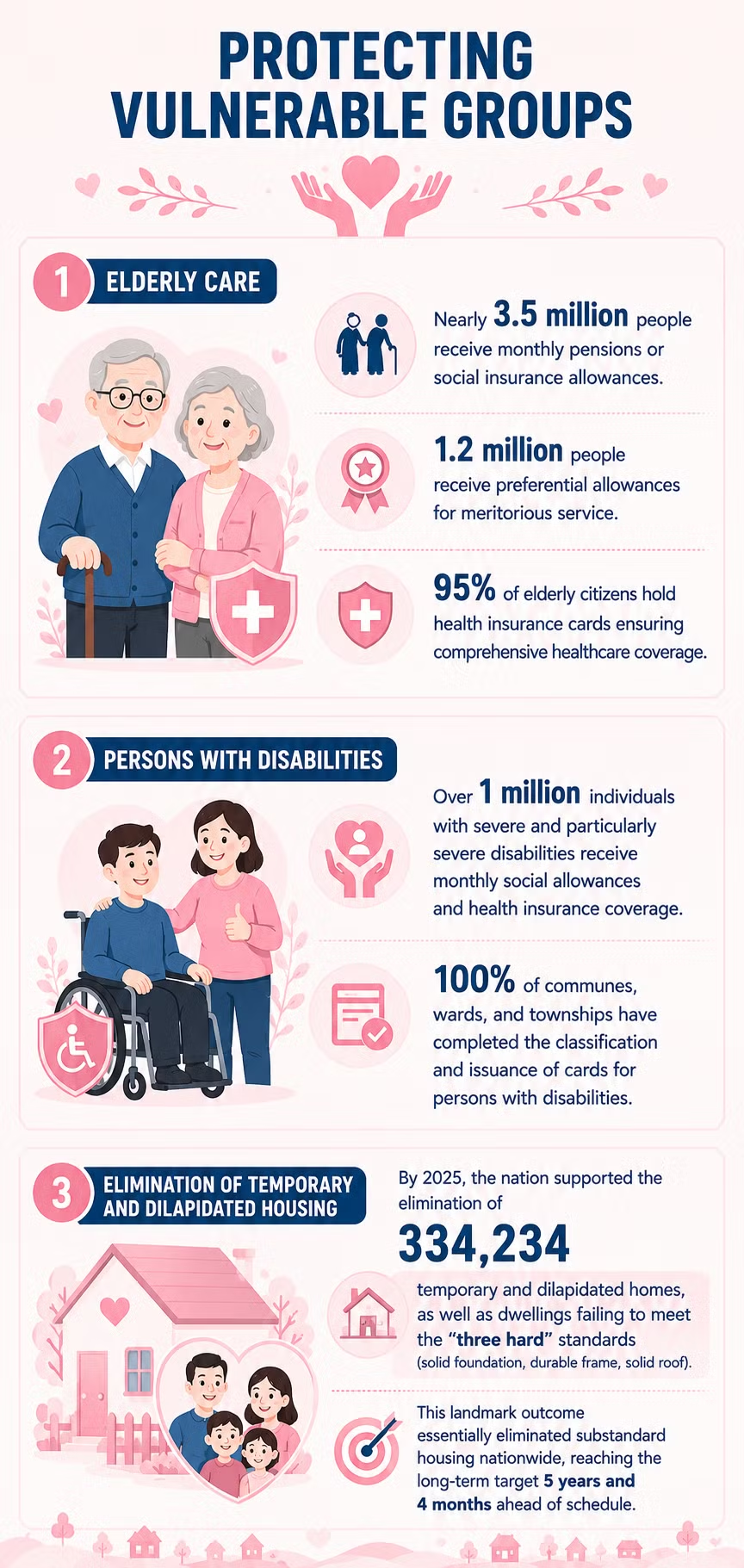
In parallel, the social protection system continues to expand through housing assistance, preferential credit, education and health subsidies, alongside dedicated policies for revolutionary contributors, ethnic minorities, and vulnerable groups. Combining state support with self-driven effort has built a foundation for poverty reduction that is both rapid and enduring.
Moving from addressing immediate shortages to fulfilling broader aspirations, Vietnam’s poverty reduction policy increasingly seeks to guarantee that every citizen has the opportunity to develop and realize their right to development through their own capabilities.

These achievements have not only transformed Vietnam’s socio-economic landscape, but have also earned high praise from the international community. The World Bank (WB) characterized Vietnam’s progress over the past half-century as "nearly unprecedented," noting that Vietnam is one of the fastest and most impressive poverty reducers in modern history.
According to the World Bank, Vietnam’s real per capita GDP expanded nearly sevenfold, from under US$700 in 1986 to nearly US$4,500 in 2023, while the poverty rate under the international benchmark (US$3.65/day) fell from 14% in 2010 to below 4% in 2023.
Meanwhile, the United Nations Development Programme (UNDP) has repeatedly placed Vietnam in the high Human Development Index (HDI) group, commending the nation as a "model of humanistic and effective policy in inclusive development."
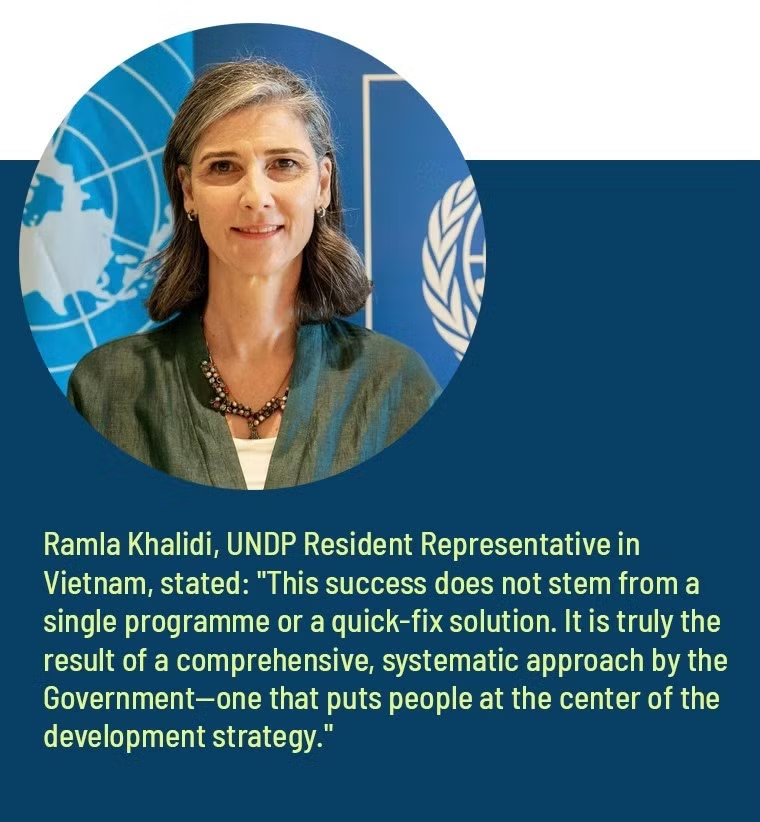
Ramla Khalidi, UNDP Resident Representative in Vietnam, stated: "This success does not stem from a single programme or a quick-fix solution. It is truly the result of a comprehensive, systematic approach by the Government—one that puts people at the center of the development strategy."

Objective assessments from international organizations provide a persuasive rebuttal to distorted narratives regarding human rights in Vietnam. While certain entities and individuals attempt to sever civil and political rights from economic, social, and cultural rights to form biased conclusions, the verified results of Vietnam’s poverty reduction demonstrate a clear reality: human rights are not merely affirmed in legal documents, but are realized through concrete policies and daily improvements in the lives of millions.
These results are the culmination of long-term, coordinated investments in resources and policy. From national target programmes, preferential credit policies, and livelihood support to social security networks and targeted initiatives for vulnerable groups, Vietnam has built an increasingly comprehensive safety net that empowers citizens to sustainably rise out of poverty.
This stands as compelling proof of a human-centered development model—where economic growth is inextricably linked with social progress, equity, and an unyielding commitment to leave no one behind.