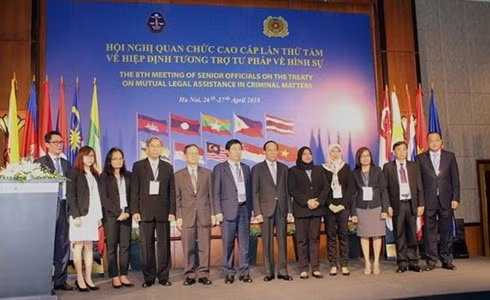
This is the second meeting hosted by the Ministry of Public Security of Vietnam and the first one organised since the formation of the ASEAN Community on December 31, 2015.
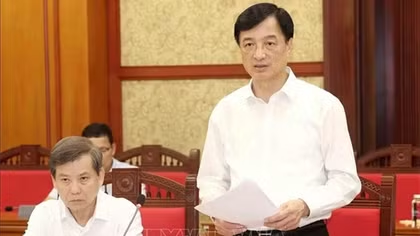
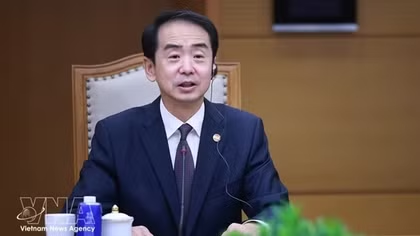
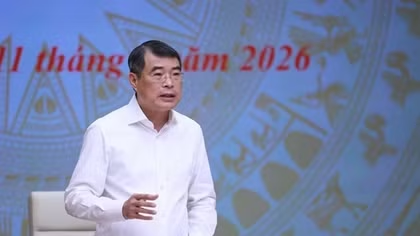
Addressing the two-day event, Deputy Minister of Public Security Le Quy Vuong highly valued the outcomes of the agreement in particular and activities on legal assistance in criminal matters among ASEAN countries in general.
 |
However, he pointed to a number of difficulties in the implementation of the agreement, including a narrow scale of the treaty, while the agreement has yet to be recognised as an official document of the ASEAN.
Vuong said that he hopes participants will share information as well as scientific and realistic issues of their country, thus recognising difficulties and problems in the implementation of the agreement and seek adequate solutions.
Participants were delivered with reports of 10 ASEAN countries on the results of the agreement after the seventh meeting in 2014. They discussed ways to enhance the role of central agencies in strengthening the enforcement of the deal as well as issues related to the approval and implementation of the deal.International experts at the event shared their experience in various maters, including gathering electronic evidence of the US, and evaluation of the UNODC on existing and emerging challenges.They are scheduled to discuss the upgrade of the agreement into an official document of ASEAN as well as Kazakhstan’s request for joining the agreement, as well as time and venue for the next meeting.Vietnam’s hosting of the event showed the country’s willingness to cooperate with other ASEAN countries in mutual legal assistance in criminal matters.
 |
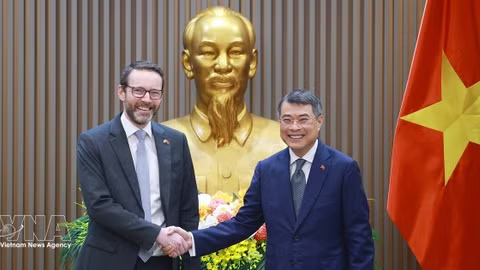
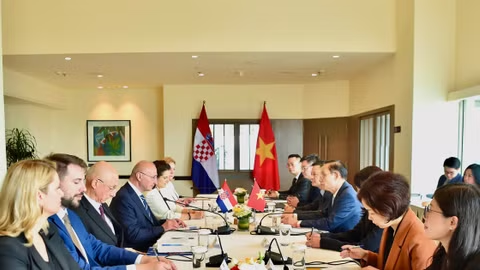
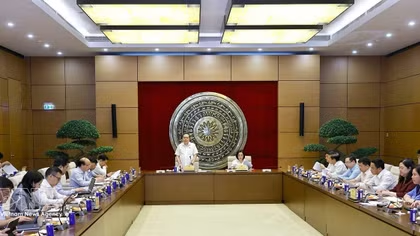
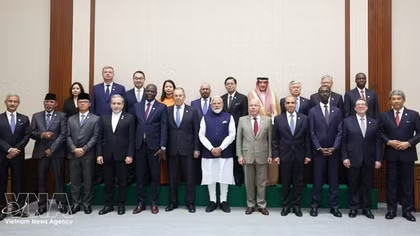
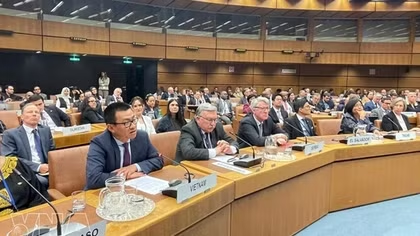
| Participants at the meeting |
Addressing the two-day event, Deputy Minister of Public Security Le Quy Vuong highly valued the outcomes of the agreement in particular and activities on legal assistance in criminal matters among ASEAN countries in general.
However, he pointed to a number of difficulties in the implementation of the agreement, including a narrow scale of the treaty, while the agreement has yet to be recognised as an official document of the ASEAN.
Vuong said that he hopes participants will share information as well as scientific and realistic issues of their country, thus recognising difficulties and problems in the implementation of the agreement and seek adequate solutions.
Participants were delivered with reports of 10 ASEAN countries on the results of the agreement after the seventh meeting in 2014. They discussed ways to enhance the role of central agencies in strengthening the enforcement of the deal as well as issues related to the approval and implementation of the deal.
International experts at the event shared their experience in various maters, including gathering electronic evidence of the US, and evaluation of the UNODC on existing and emerging challenges.
They are scheduled to discuss the upgrade of the agreement into an official document of ASEAN as well as Kazakhstan’s request for joining the agreement, as well as time and venue for the next meeting.
Vietnam’s hosting of the event showed the country’s willingness to cooperate with other ASEAN countries in mutual legal assistance in criminal matters.
|
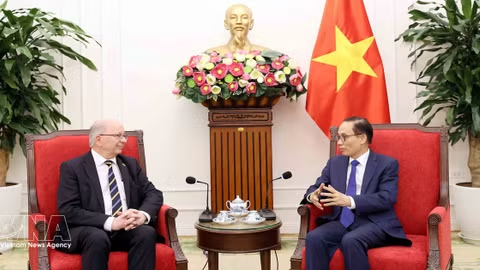
| Participants at the meeting |
Addressing the two-day event, Deputy Minister of Public Security Le Quy Vuong highly valued the outcomes of the agreement in particular and activities on legal assistance in criminal matters among ASEAN countries in general.
However, he pointed to a number of difficulties in the implementation of the agreement, including a narrow scale of the treaty, while the agreement has yet to be recognised as an official document of the ASEAN.
Vuong said that he hopes participants will share information as well as scientific and realistic issues of their country, thus recognising difficulties and problems in the implementation of the agreement and seek adequate solutions.
Participants were delivered with reports of 10 ASEAN countries on the results of the agreement after the seventh meeting in 2014. They discussed ways to enhance the role of central agencies in strengthening the enforcement of the deal as well as issues related to the approval and implementation of the deal.
International experts at the event shared their experience in various maters, including gathering electronic evidence of the US, and evaluation of the UNODC on existing and emerging challenges.
They are scheduled to discuss the upgrade of the agreement into an official document of ASEAN as well as Kazakhstan’s request for joining the agreement, as well as time and venue for the next meeting.
Vietnam’s hosting of the event showed the country’s willingness to cooperate with other ASEAN countries in mutual legal assistance in criminal matters.
|
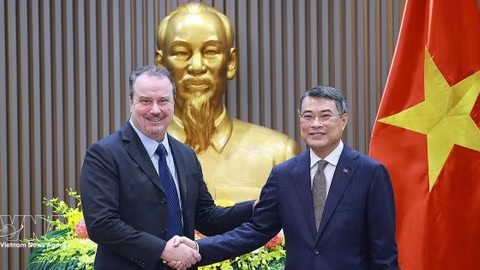
| Participants at the meeting |
Addressing the two-day event, Deputy Minister of Public Security Le Quy Vuong highly valued the outcomes of the agreement in particular and activities on legal assistance in criminal matters among ASEAN countries in general.
However, he pointed to a number of difficulties in the implementation of the agreement, including a narrow scale of the treaty, while the agreement has yet to be recognised as an official document of the ASEAN.
Vuong said that he hopes participants will share information as well as scientific and realistic issues of their country, thus recognising difficulties and problems in the implementation of the agreement and seek adequate solutions.
Participants were delivered with reports of 10 ASEAN countries on the results of the agreement after the seventh meeting in 2014. They discussed ways to enhance the role of central agencies in strengthening the enforcement of the deal as well as issues related to the approval and implementation of the deal.
International experts at the event shared their experience in various maters, including gathering electronic evidence of the US, and evaluation of the UNODC on existing and emerging challenges.
They are scheduled to discuss the upgrade of the agreement into an official document of ASEAN as well as Kazakhstan’s request for joining the agreement, as well as time and venue for the next meeting.
Vietnam’s hosting of the event showed the country’s willingness to cooperate with other ASEAN countries in mutual legal assistance in criminal matters.