Hanoi (VNA) – Vietnamese women have played central roles in national construction and defence, cultural preservation, family life and economic development. Their standing has grown with the country’s rise, giving them wider scope to apply their skills and ambitions across every sector.
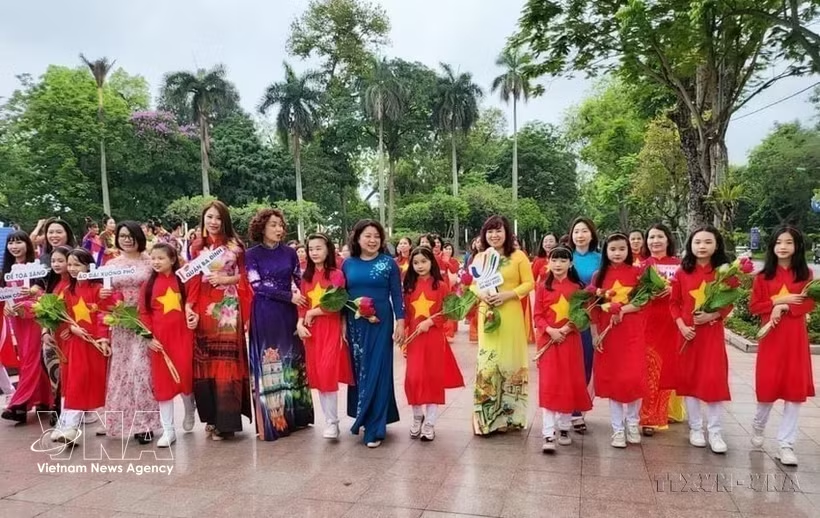
From wartime service to economic engine
In the wars for independence and reunification, women served on multiple fronts: fighting, supporting combat units, running logistics, nursing the wounded, sheltering revolutionary cadres, moving food and weapons, and keeping farms and factories running at home. Many died or were imprisoned and tortured. Their efforts contributed to victories that decided the nation’s fate.
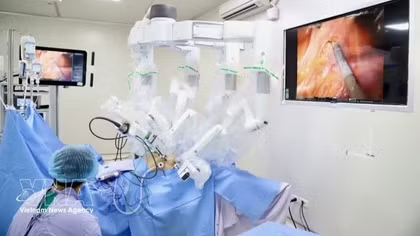
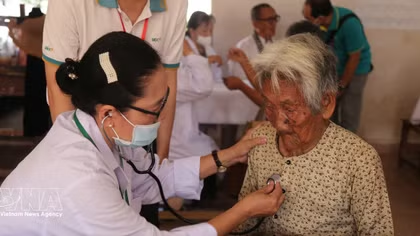
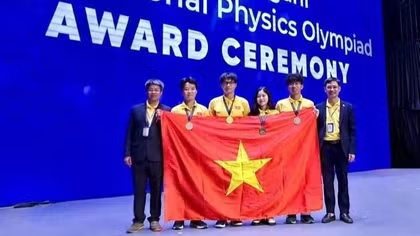
That tradition has carried into peacetime, in labour, production, education, research, state management and civic work. Across rural and urban areas, women are driving growth in agriculture, industry, trade and services, helping restructure the economy, adopt science –technology, and lift workforce quality. Female officials, civil servants, scientists, teachers, medical workers, artists and labourers have contributed to national development and better living standards.
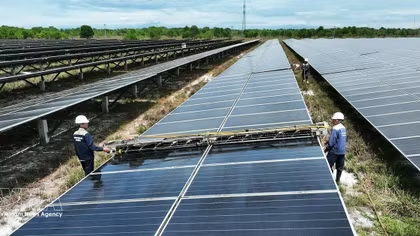
Women are taking a more active role in the labour market, production, trade and entrepreneurship. Many businesswomen have founded and run companies, created jobs, opened new markets, spurred innovation and supported social welfare. In the countryside, women have built up the household economy, set up cooperatives, marketed local products and joined eco-friendly production models.
As digital transformation and global integration accelerate, a growing number are acquiring new knowledge, upgrading skills and applying technology to production, trade and management.
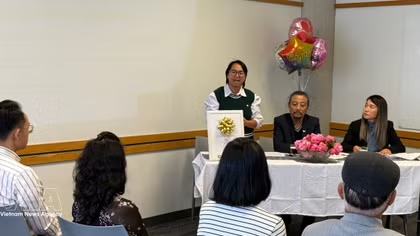
Women’s presence in politics is also widening. They sit in elected bodies, Party and State agencies and socio-political organisations, and hold management posts across sectors and localities. They made up 30.26% of deputies in the 15th National Assembly (2021–2026), giving them a visible voice in the country’s top state power body and ensuring their interests are reflected in policymaking.
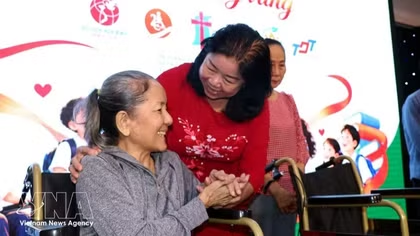
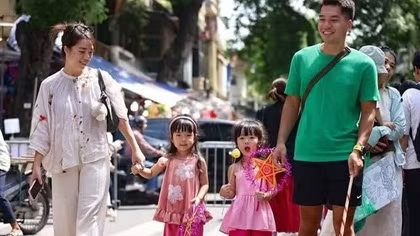
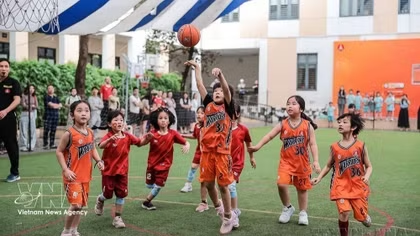
Beyond professional work and public life, women remain central to family and community: raising children, preserving cultural identity and maintaining social ties. That role is increasingly tied to building equitable, progressive and happy families, sharing caregiving duties among family members, and creating safe environments where all family members are repected and can develop comprehensively. Women also take part in environmental campaigns, new-style rural area development, urban civilisation drives, poverty reduction and support for vulnerable groups.
Party and State’s continued support for women
The Party and State have consistently issued guidance and policies to ensure gender equality, enabling women to develop their capabilities and share in the benefits of development across all areas of social life.
The 2013 Constitution declares male and female citizens equal in all respects. The 2006 Law on Gender Equality sets the legal framework for eliminating gender discrimination and guaranteeing equal opportunities in politics, the economy, labour, education, science – technology, culture, information, sports, healthcare and family life. Rules on labour, social insurance and domestic violence prevention add further protection for women’s rights, support their participation in the workforce and improve their quality of life.
The 2021–2030 national gender equality strategy targets a narrower gender gap and equal opportunities for women and men to take part in and benefit from every area of social life. Those goals have been turned into specific responsibilities for ministries, agencies and localities, embedding gender equality in policymaking, socio-economic planning and the rollout of development schemes.
In politics, policies aim to raise both the rate and the quality of women’s presence in elected bodies, state management agencies and leadership posts.
In the economy and labour market, policies on vocational training, employment, business development, production support and access to credit are designed to boost women’s incomes, living standards and business capacity.
In education, training and healthcare, policies seek to widen their access to learning, raise professional qualifications and improve access to medical and reproductive care. Rules on female workers, maternity benefits, social insurance and childcare protect women’s rights across their working lives, childbirth and child-rearing.
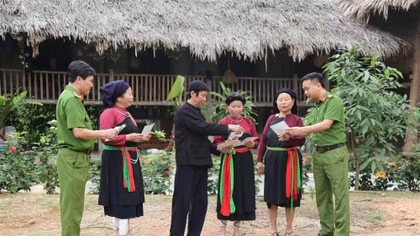
Alongside wider opportunities, authorities are prioritising safe living environments and protection against violence, abuse, human trafficking and other forms of discrimination. The 2022 Law on Domestic Violence Prevention and Control, backed by awareness campaigns, victim support services and community outreach, provides a basis for stronger prevention, enforcement and victim assistance.
The Vietnam Women’s Union (VWU) is a key stakeholder, raising awareness and urging members to build knowledge and skills, develop livelihoods, build happy families and take part in the Party and administration building. Its emulation movements, campaigns and support schemes are tied to local socio-economic goals, giving women opportunities to join community activities and exercise initiative, creativity and responsibility.
Next phase: Digital skills and international integration
In the new development phase, women’s role is closely linked to the goal of building a developed, prosperous, civilised and happy nation, and the need to raise workforce quality, propel innovation and digital transformation, and deepen international integration. Women are not only beneficiaries of development policy but also active contributors to economic, cultural and social value, helping set and deliver national goals.
The VWU’s 14th National Congress, held on June 17–18, 2026 for the 2026–2031 term, set a goal of fostering innovation, creativity, knowledge mastery, confidence in international integration and the aspirations of women from all walks of life. It also seeks society-wide involvement in promoting gender equality, improving women’s material and spiritual well-being and supporting their holistic development.
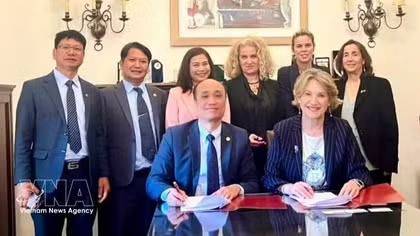
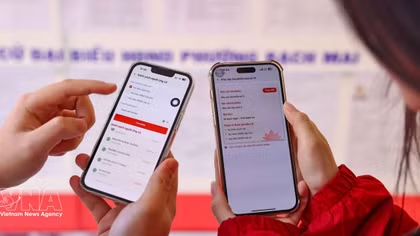
The congress set key targets of enhancing women’s digital and international integration capabilities and the quality of female workforce; effectively implementing the “Digital Literacy for All” movement; supporting women in poverty reduction, livelihood development and entrepreneurship; advancing gender equality and protecting women and children; improving social oversight and policy feedback; expanding VWU membership; and advancing external relations and international integration.
Meeting the 2026–2031 targets will help turn Party guidelines and State policies and laws on women’s affairs and gender equality into concrete action. That will bolster women’s traditions, brainpower, resilience and creativity, enabling them to contribute more effectively to the country's socio-economic development and international integration./.