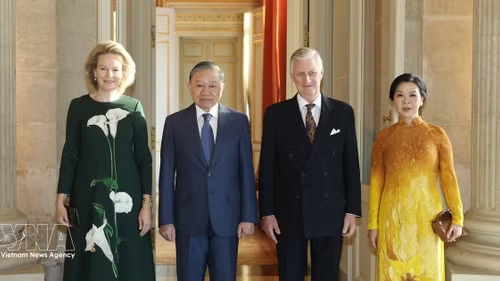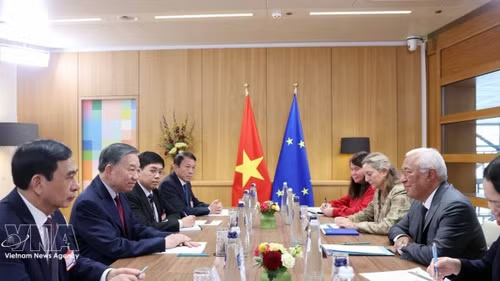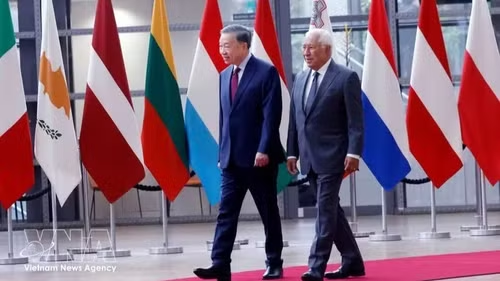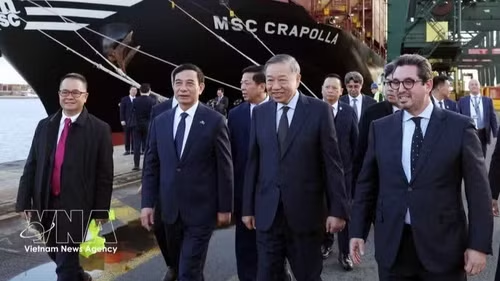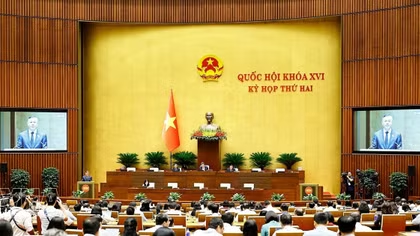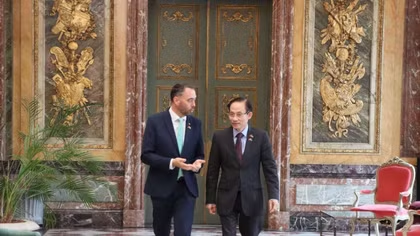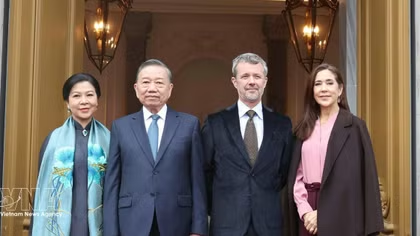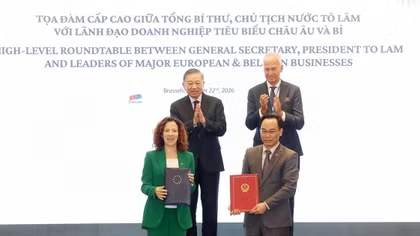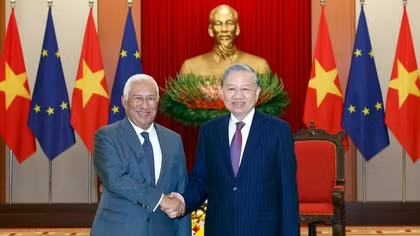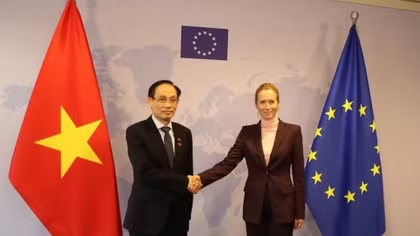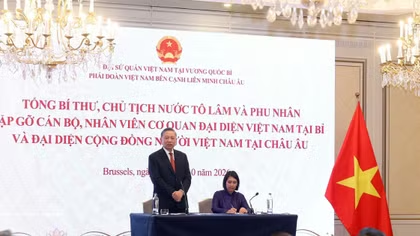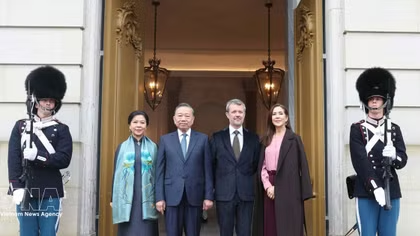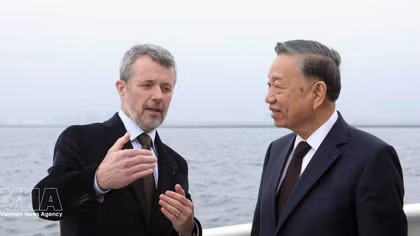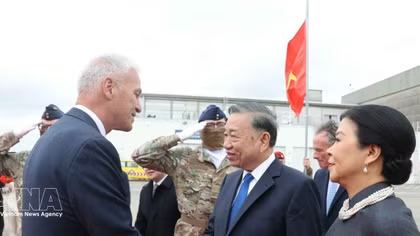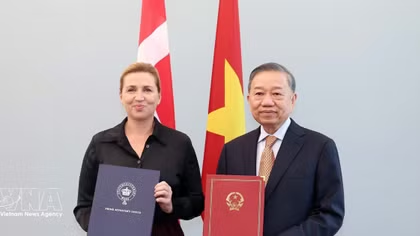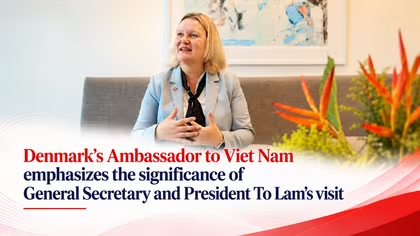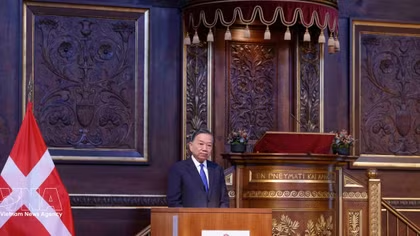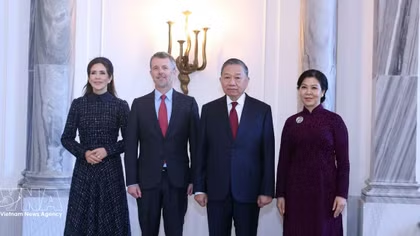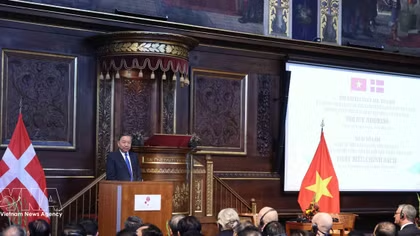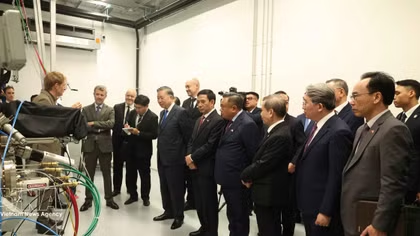
At the invitation of King Frederik X and Queen Mary of Denmark, European Council President António Costa, and Belgian Prime Minister Bart De Wever, General Secretary and State President To Lam, accompanied by his spouse and a high-level Vietnamese delegation, will pay a State visit to the Kingdom of Denmark and make official visits to the European Union (EU) and the Kingdom of Belgium from October 19 to 24, 2026.
The visit by General Secretary and State President To Lam takes place while Viet Nam and the EU mark the 35th anniversary of diplomatic relations and continue to deepen their Comprehensive Strategic Partnership, established in January 2026 during European Council President António Costa’s visit to Hanoi.
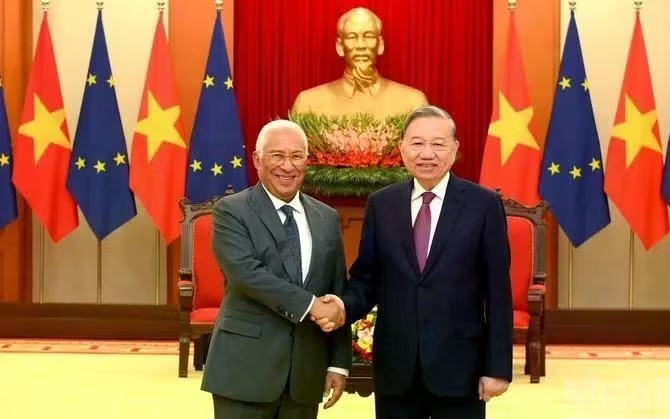
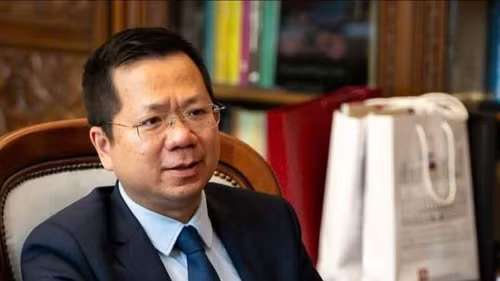
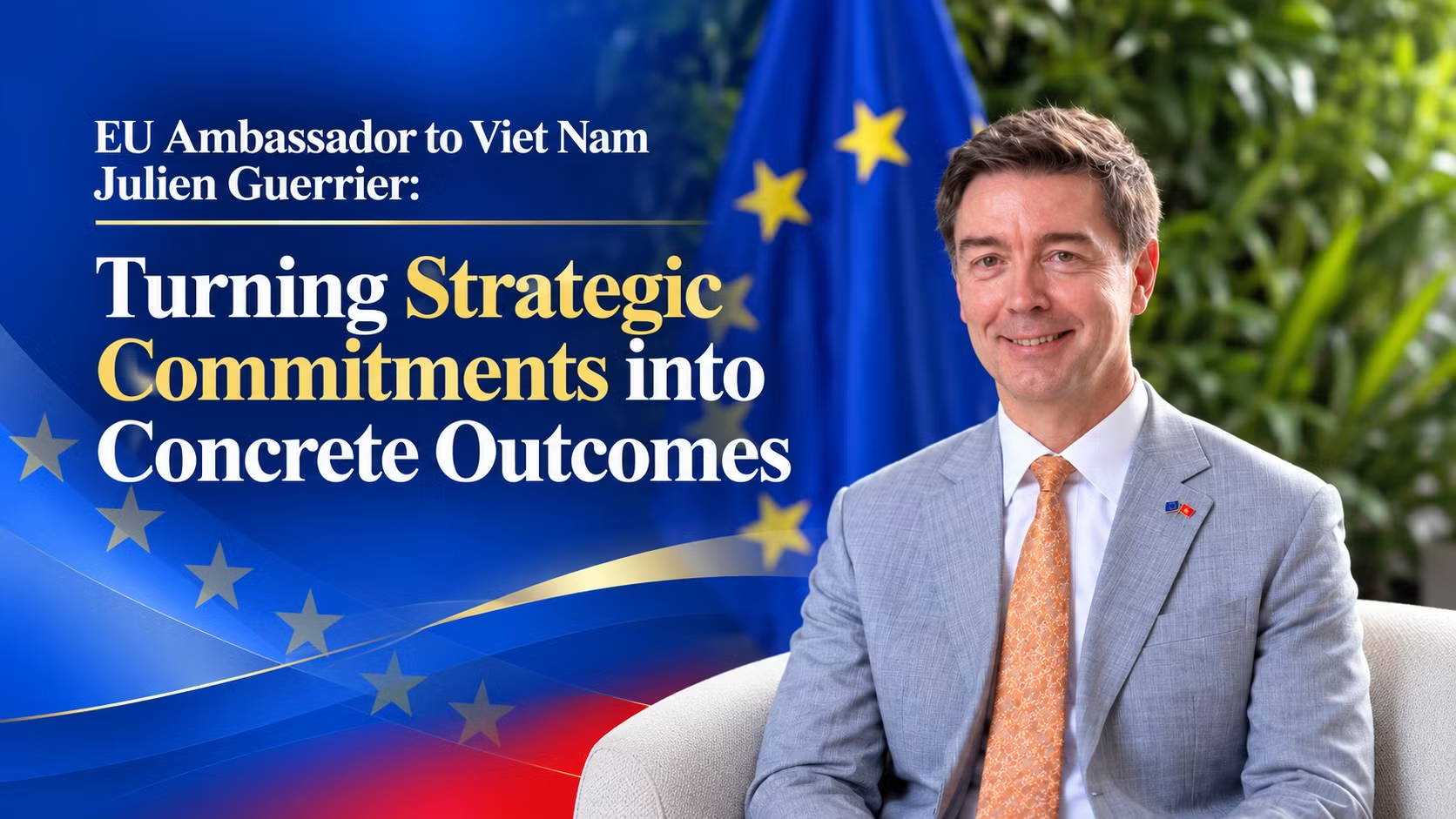
Highlighting the significance of the visit, EU Ambassador to Viet Nam Julien Guerrier described it as an important opportunity to strengthen bilateral ties, advance cooperation in key areas, and translate shared goals and aspirations into concrete, tangible outcomes.
The Ambassador affirmed that the partnership framework reflects Viet Nam’s growing strategic importance to the EU, particularly amid an increasingly complex global geopolitical landscape and mounting challenges to the rules-based international order. Discussions are expected to focus on trade, investment, energy, education, science and technology, and security, with a view to identifying ways to further deepen bilateral cooperation in the years ahead.
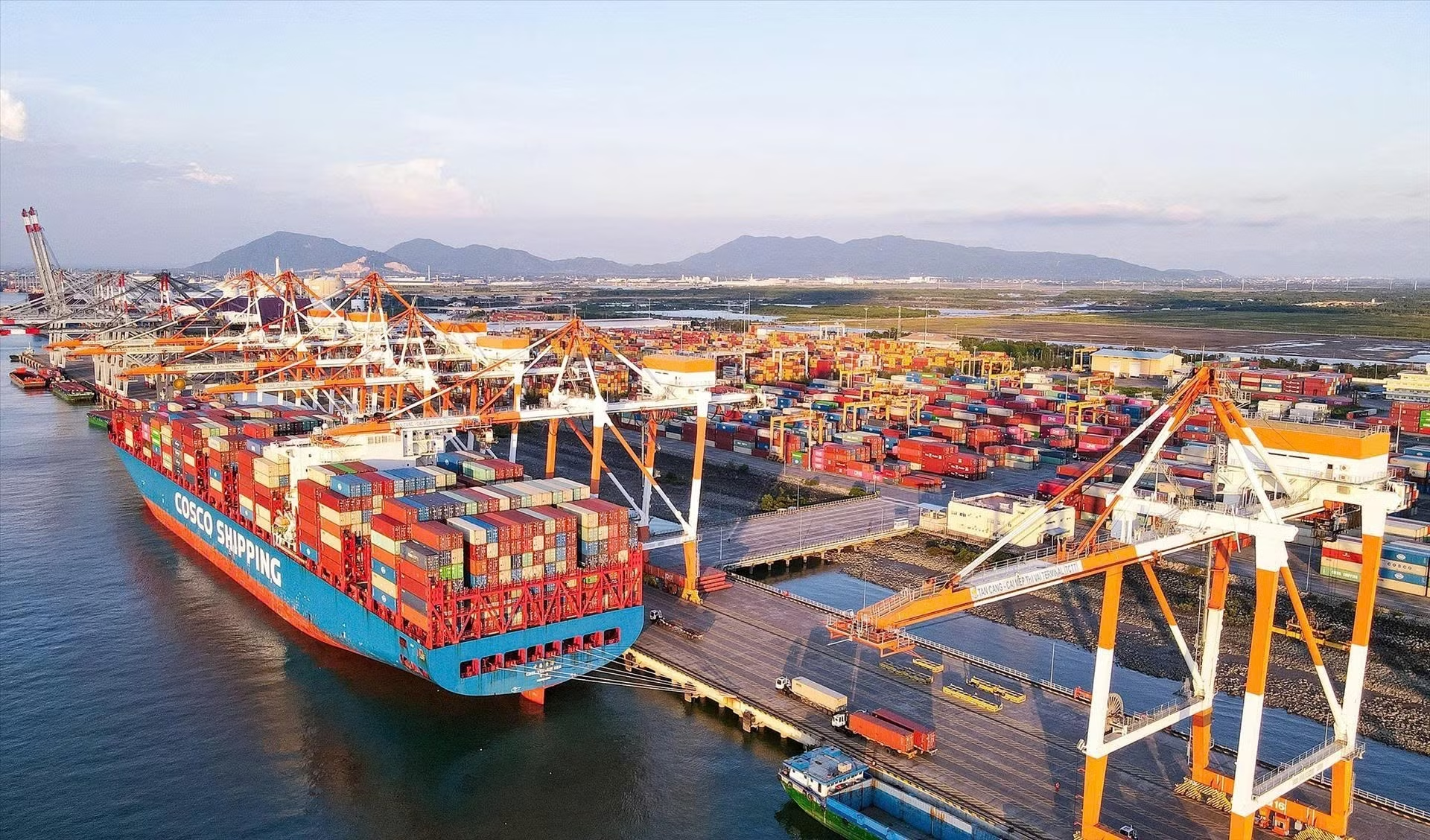
Trade and investment are expected to feature prominently on the visit’s agenda, reflecting the expanding economic relationship between Viet Nam and the EU.
According to Ambassador Julien Guerrier, bilateral trade exceeded €76 billion in 2025, driven in large part by the implementation of the EU–Viet Nam Free Trade Agreement (EVFTA).
Ambassador Guerrier also reaffirmed the EU’s commitment to supporting Viet Nam’s economic transformation through investment, the transfer of advanced technologies, and the development of sustainable infrastructure.
Under the EU’s Global Gateway initiative, cooperation between the two sides has increasingly focused on clean energy, sustainable transport, and strategic infrastructure. At the Global Gateway Business and Investment Forum held in March 2026, European partners announced an investment package worth more than €500 million to support Viet Nam’s green transition.
Energy security is also expected to be a key topic in bilateral discussions, particularly as geopolitical tensions expose vulnerabilities in global energy supply chains.
Addressing the crisis in the Strait of Hormuz, Ambassador Julien Guerrier underscored the importance of ensuring energy security by strengthening domestic clean energy production capacity, reducing dependence on external supplies, and accelerating the transition to sustainable energy systems.
The EU also seeks to expand cooperation with Viet Nam on renewable energy, transport infrastructure, and power grid development, thereby supporting the country’s long-term economic development and environmental protection goals.
Amid significant shifts in the global geopolitical landscape, Viet Nam is increasingly asserting its position as a key partner in the EU’s strategy to strengthen its presence and engagement in the Indo-Pacific region.
As the first ASEAN member state to establish a Comprehensive Strategic Partnership with the EU, Viet Nam plays an important role in the bloc’s efforts to promote regional stability, strengthen international cooperation, and uphold the rules-based international order.
Ambassador Julien Guerrier highlighted Viet Nam and the EU’s shared commitment to multilateralism, international law, and freedom of navigation, particularly in the East Sea (South China Sea).
According to the Ambassador, approximately 40% of the EU’s imports and 25% of its exports pass through the South China Sea, underscoring the region’s strategic importance to European trade and economic security.
“We look forward to further strengthening bilateral cooperation with Viet Nam in areas such as maritime security, the protection of undersea cable infrastructure, counterterrorism, and many other fields, while also advancing cooperation through ASEAN forums where opportunities arise,”
Beyond bilateral relations, Ambassador Guerrier also acknowledged Viet Nam’s growing role and influence on the international stage, particularly in the economic, political, and diplomatic spheres.
The Ambassador spoke highly of Viet Nam’s potential to assume a greater role in international diplomacy, including facilitating dialogue and potentially contributing to mediation efforts in regional conflicts in the future.