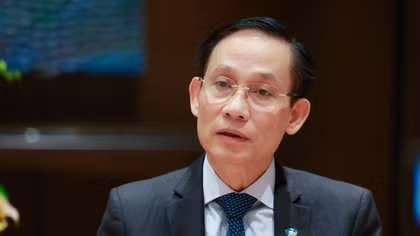
Dr. Le Hong Hiep of the ISEAS Institute - Yusof Ishak of Singapore made the statement during a recent media interview held to discuss the significance of this visit, as well as noting the highlights in relations between the two countries over recent times.
According to him, the leaders’ regular exchange of bilateral visits can be viewed as a positive trend.
Along with conducting a return visit according to diplomatic practices, this trip also contributes to strengthening bilateral relations, consolidating strategic trust between both nations' leaders, and implementing existing and new agreements, especially in the field of economic co-operation.
All of these activities will therefore contribute to deepening the bilateral strategic partnership and helping the two countries to achieve their diplomatic and strategic goals, as well as domestic goals, especially in terms of economic development.
Dr. Hiep stated that bilateral ties over recent times have developed quite comprehensively, covering fields from diplomacy, security, strategy, to trade and investment.
Most notably, recently the two sides have also expanded bilateral co-operation to new fields such as green economy, digital economy, and innovation.
He assessed that in these areas, a prominent highlight is bilateral investment ties, especially Singaporean investment in the Vietnamese market.
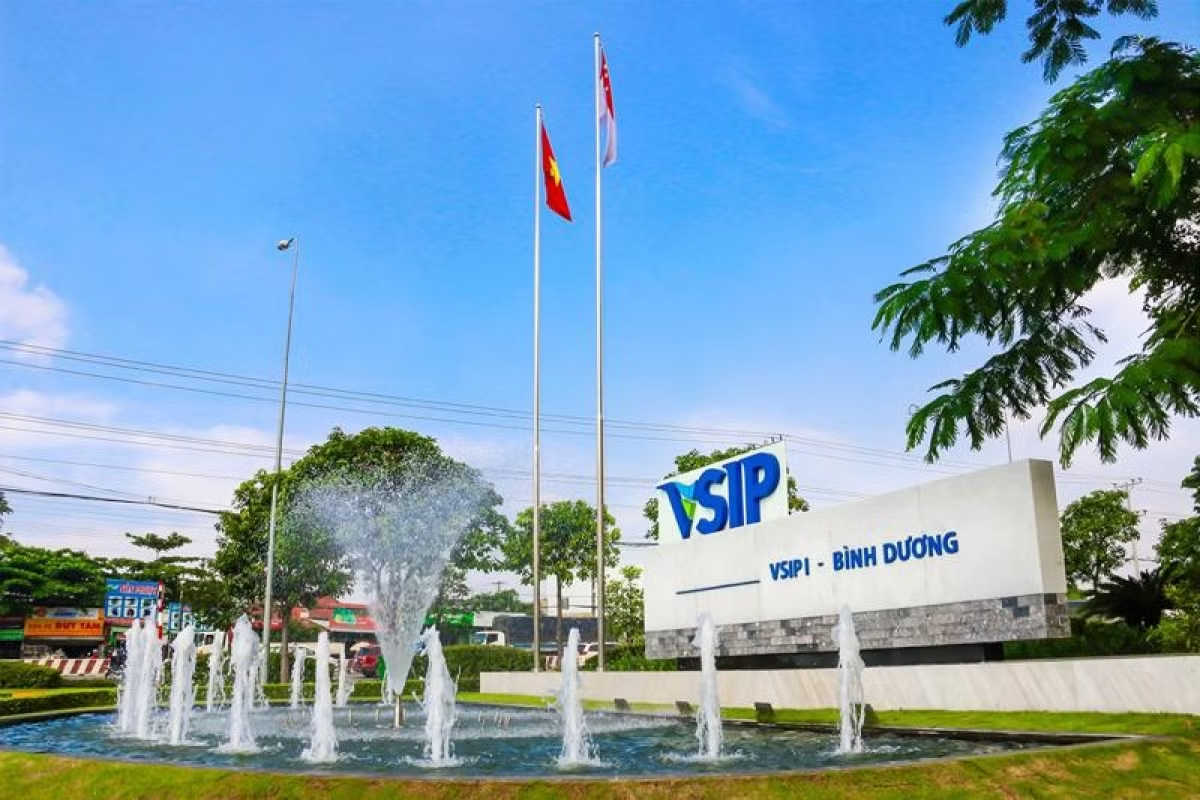
In recent years, Singapore has always been the country with the largest registered investment capital in the nation. During the initial seven months of the year, among 94 countries and territories investing in the country, the city-island nation ranked first with a total investment of nearly US$3.64 billion, duly accounting for more than 22.4% of total investment capital in the nation, he continued.
Apart from the investment capital inflow from major Singaporean enterprises such as Capitaland, Sembcorp, and Mappletree, the city-island nation also serves as a gateway in which to bring international capital into Vietnam. Indeed, many multinational companies choose to invest in Vietnam through legal entities incorporated in Singapore.
Moreover, it can also be considered a gateway for many Vietnamese businesses to seek capital from foreign investors, or to enter the international market, with electric vehicle manufacturer VinFast being a prime example.
He suggested that moving forward the two sides should continue to ramp up collaboration in traditional fields that have been competently implemented over past time, such as infrastructure development, education and training, trade, and investment.
On the other hand, both sides must strive to bolster co-operation in new fields, such as climate change response, the green economy, the digital economy, and innovation. These are potential fields which have ample room for broader co-operation, while fully meeting the development goals of the two countries.
In the field of green economy and climate change response, the two countries are discussing the development of offshore wind farms in Vietnam in a bid to export electricity from these wind farms to Singapore.
Such projects will not only help the two countries to work towards reducing greenhouse gas emissions and achieving net zero emissions in the future, but also help Vietnam to exploit the great potential of renewable energy for sustainable economic development, Dr. Hiep went on to say.
He also proposed that along with the two sides sharing strategic visions relating to the regional and international security situation, they could also consider deepening bilateral co-operation in security-defence.
Moreover, both sides can also enhance consultation and exchange views at international forums in order to better protect their national interests whilst contributing to the maintenance of a rules-based international order, which can be viewed as beneficial to the two nations' security and prosperity.
Dr. Hiep assessed that within ASEAN, both sides share quite close strategic thinking as the two tend to emphasize the role of a balanced diplomatic strategy, strategic autonomy, the supremacy of international law, as well as the need to maintain a rules-based international order.
He added that both countries also share a vision of achieving a united, cohesive ASEAN that plays a central role in regional security architectures.
All of these create favourable conditions for the two countries to consult and co-ordinate their views and stances on issues of common concern.
In the immediate future, the two sides must co-ordinate their views to fully resolve basic issues directly related to bilateral interests such as the East Sea or the management of water resources in the Mekong River, Dr. Hiep stated.
Besides, other issues such as handling the political crisis in Myanmar or managing ASEAN's relations with the United Staes and China in the context of increasingly fierce strategic competition between the two powers are also important issues that the two countries must work together on. This will help to contribute to shaping an effective joint response of the entire regional bloc.
Such co-ordinated activities will also help to boost political trust between the two countries, thereby helping to deepen the bilateral strategic partnership in the long run, he stressed.