“Long Doi Son – A Millennium-Old Pagoda” is a special series of cultural and artistic activities held in response to the Viet Nam Cultural Heritage Day and the Viet Nam Culture Day. The event is organized by the Party Committee, People’s Council, People’s Committee and the Viet Nam Fatherland Front Committee of Tien Son Ward, in coordination with the Management Board of the Long Doi Son Pagoda Special National Relic Site.
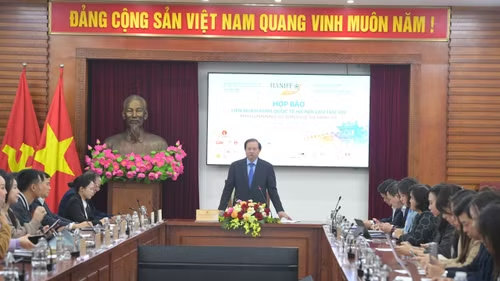
In his opening remarks, Deputy Secretary of the Party Committee and Chairman of the People’s Committee of Tien Son Ward Ngo Duc Dung emphasized that, for the homeland of Tien Son, the Doi Mountain and Long Doi Son Pagoda hold a unique significance. They are not only renowned scenic and spiritual sites, but also embody distinctive historical, cultural, architectural, and artistic values, closely tied to the development of the land and the people of Tien Son.
The “Long Doi Son – A Millennium-Old Pagoda” program serves as a cultural and artistic event for the public and a demonstration of efforts to innovate how heritage is introduced and promoted.
Throughout the program, a millennium of history was brought to life through modern performance technology. On the evening of November 26, a 3D projection mapping show on the Sung Thien Dien Linh Stele Tower recreated the historical and cultural journey of Long Doi Son, transporting audiences through key milestones in the region’s history, deeply intertwined with the development of Buddhism and Dai Viet culture during the Ly Dynasty.
The show opened with images of the Doi Mountain in the Red River Delta, linked to the "Nine Dragons Carrying the Mountain" geomantic legend and local myths about a land where sacred energies converge.
From the milestone of the ancient pagoda’s founding in 1054 under the Ly Dynasty, the story continued with the construction of the Sung Thien Dien Linh Stupa in 1118, completed in 1121. The 13-story tower once soared into the sky, symbolizing the talent, intellect, and aspirations of the era’s people.
The centerpiece of the performance was the Sung Thien Dien Linh Stele—a unique national treasure preserving invaluable historical and cultural records from the Ly period. With over 4,200 Chinese characters, the stele documents the construction of the stupa, features an imperial inscription by King Ly Nhan Tong, and contains content compiled by renowned scholar Nguyen Cong Bat. The stele not only reflects the dynasty’s history but also vividly portrays contemporary cultural life, with references to Thang Long capital, the Quang Chieu lantern festival, and the art of water puppetry.
Subsequent scenes highlighted the four Ly Dynasty dragons carved at the base of the stele, six Kim Cuong guardian statues, the legacy of Empress Mother Linh Nhan Y Lan with her donation of 72 hectares of rice fields recorded on the stele in 1121, and the story of Doi Son villagers coming together to restore the stone stele in 1591.
Through modern projection technology, the intricate carvings, artistic symbols, and historical narratives were vividly brought to life, helping the public, especially the younger generation, engage with heritage in a direct and emotionally resonant way.
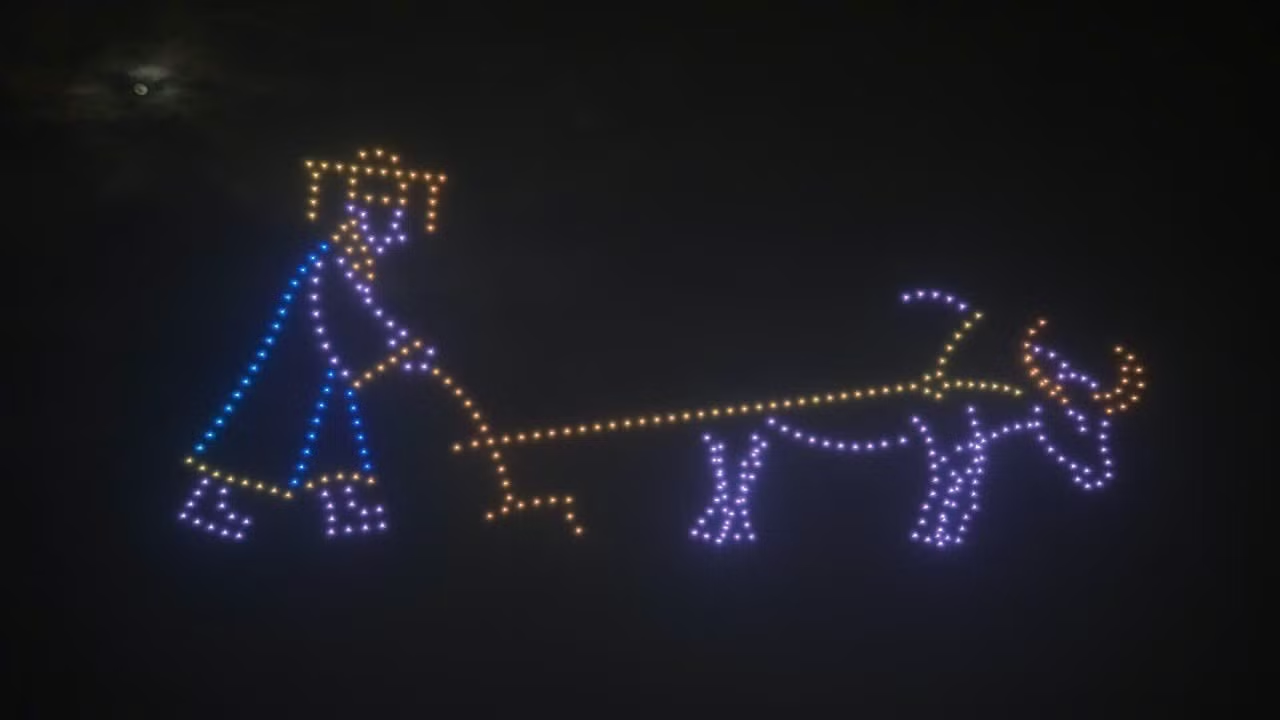
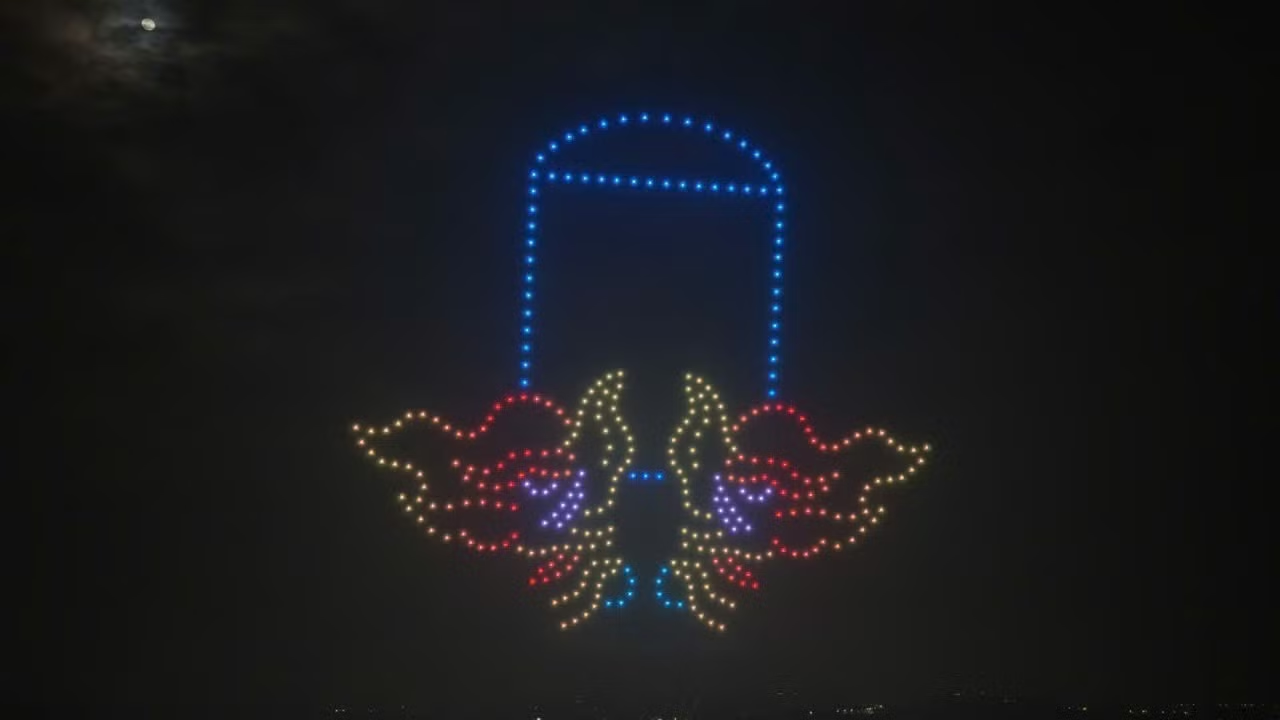
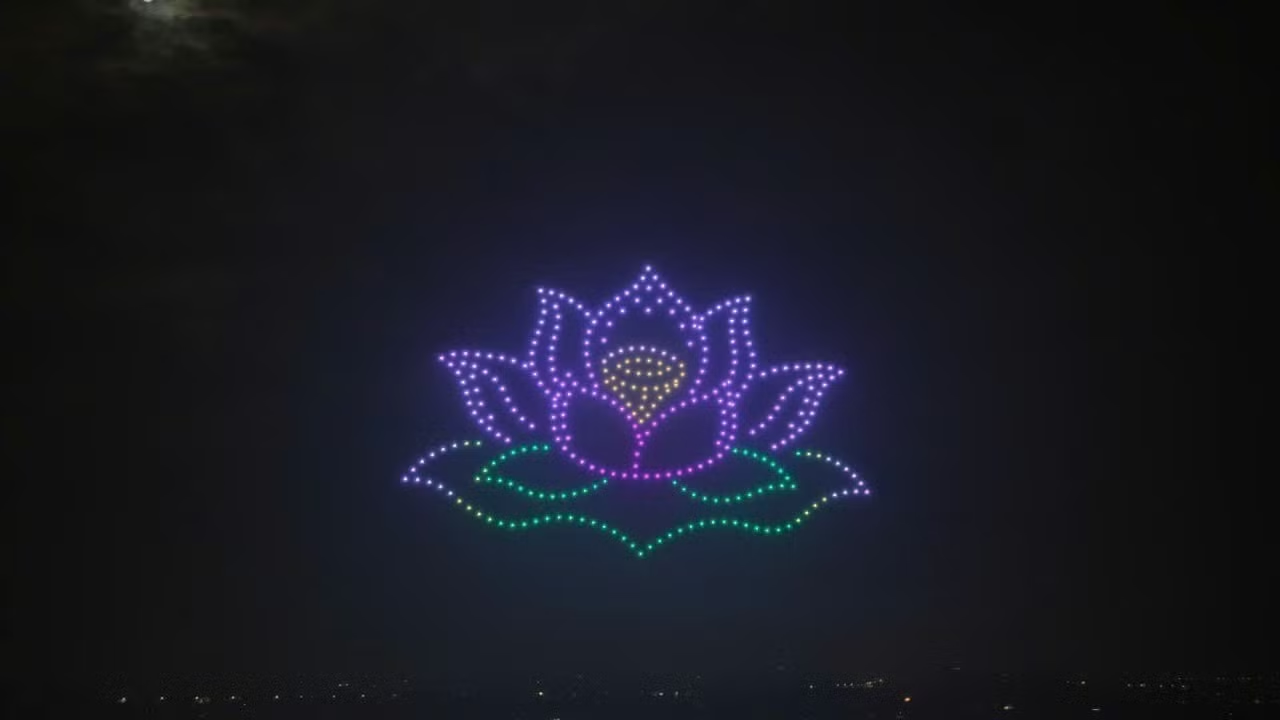
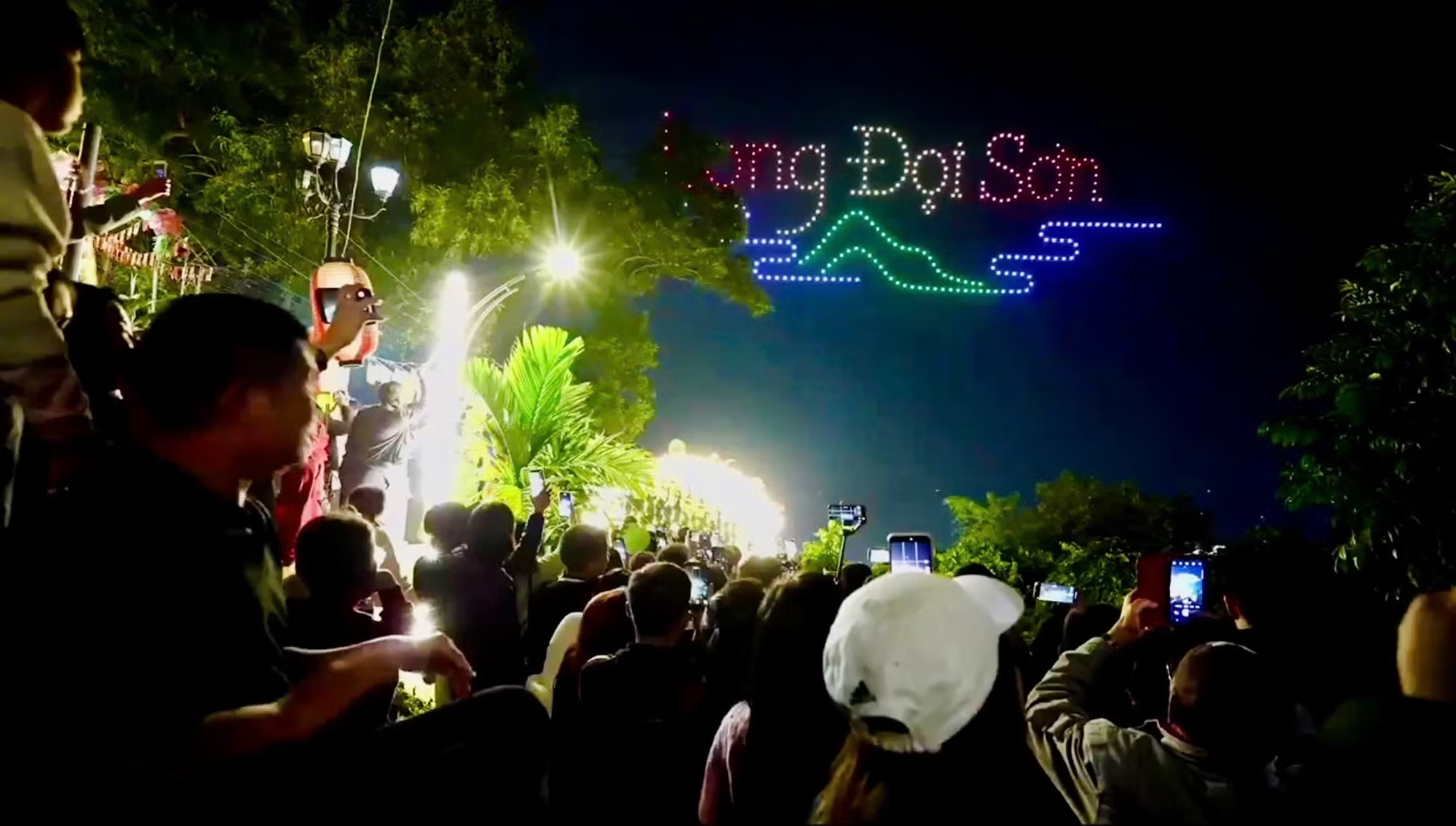
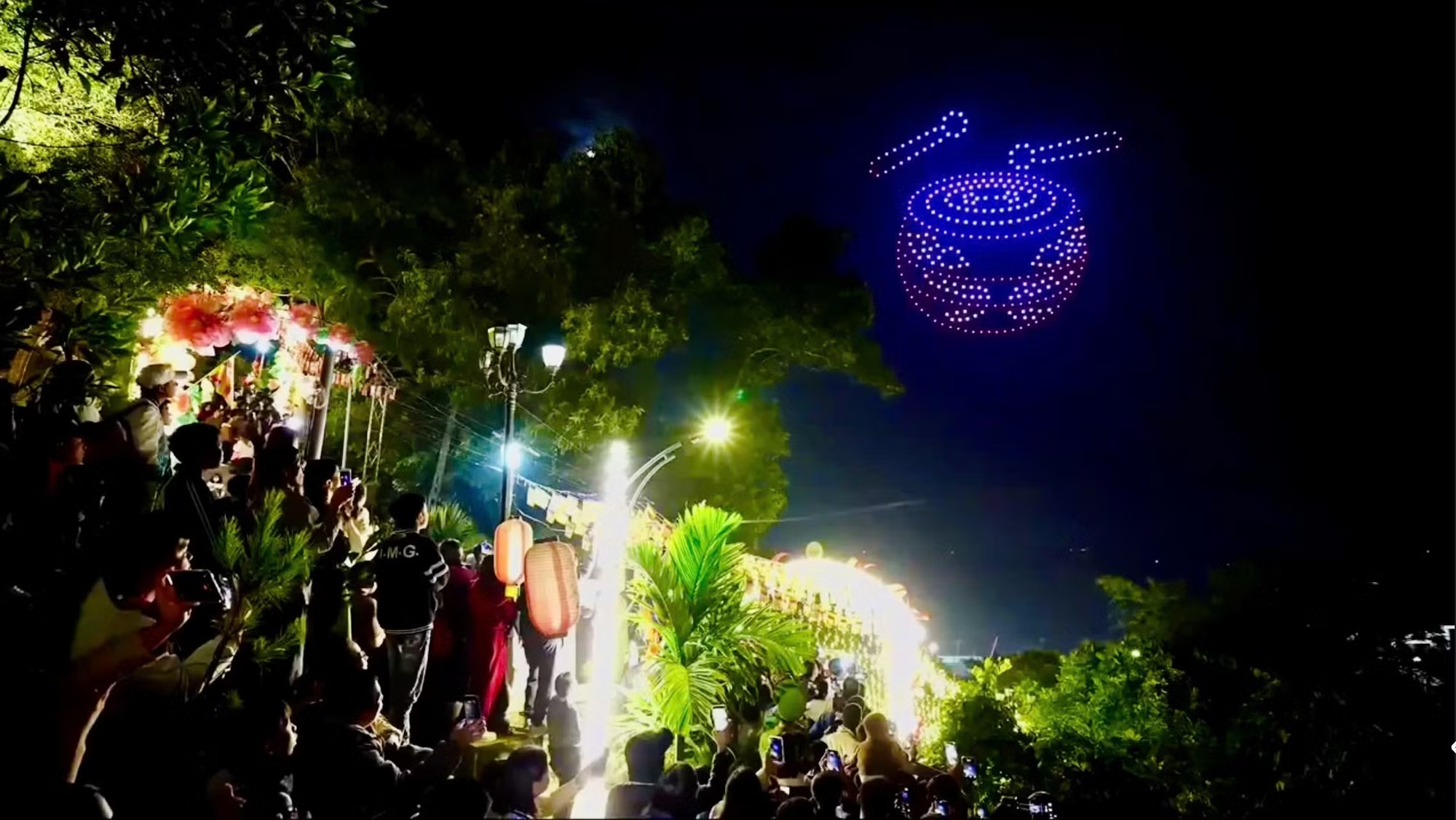
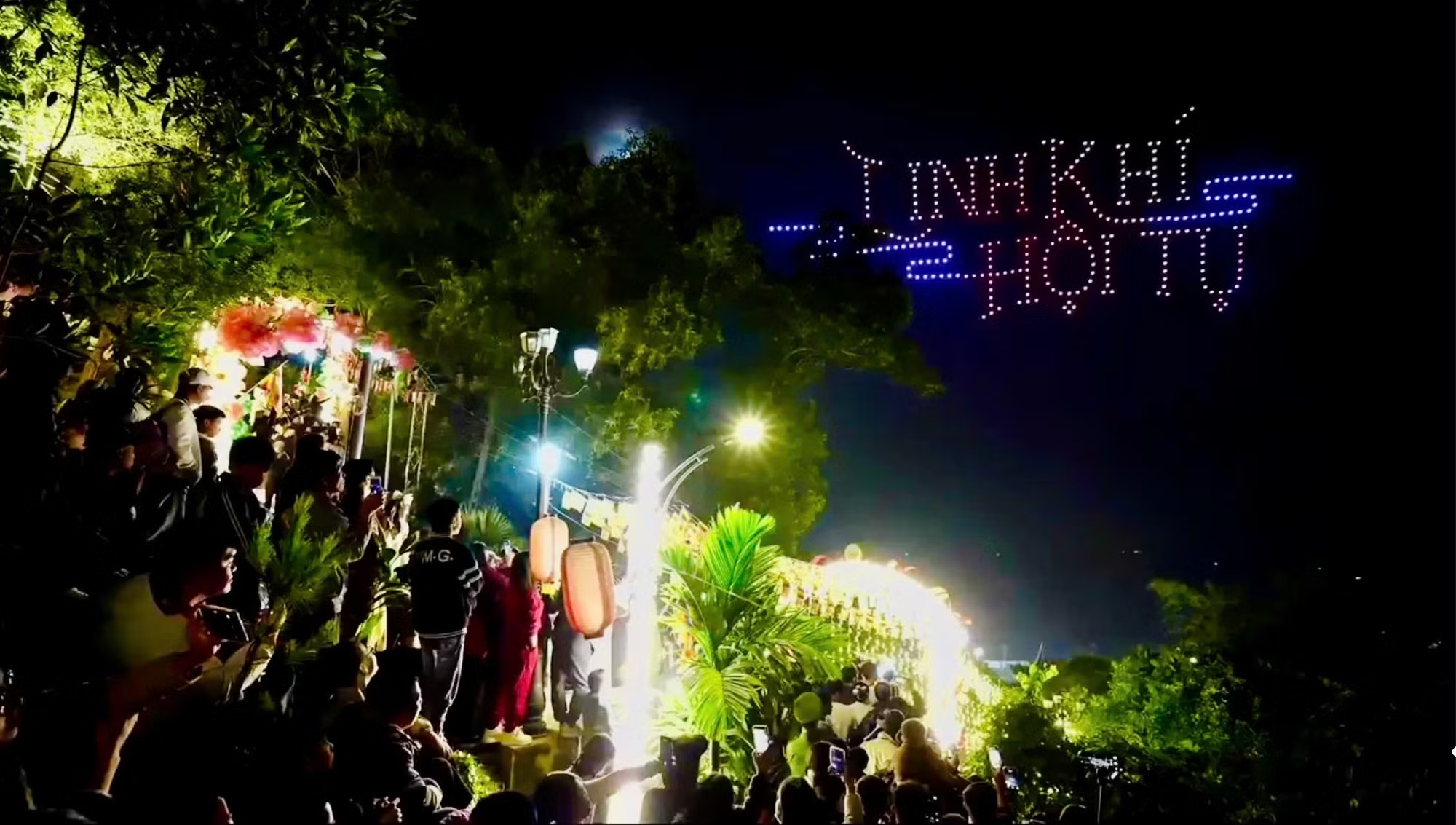
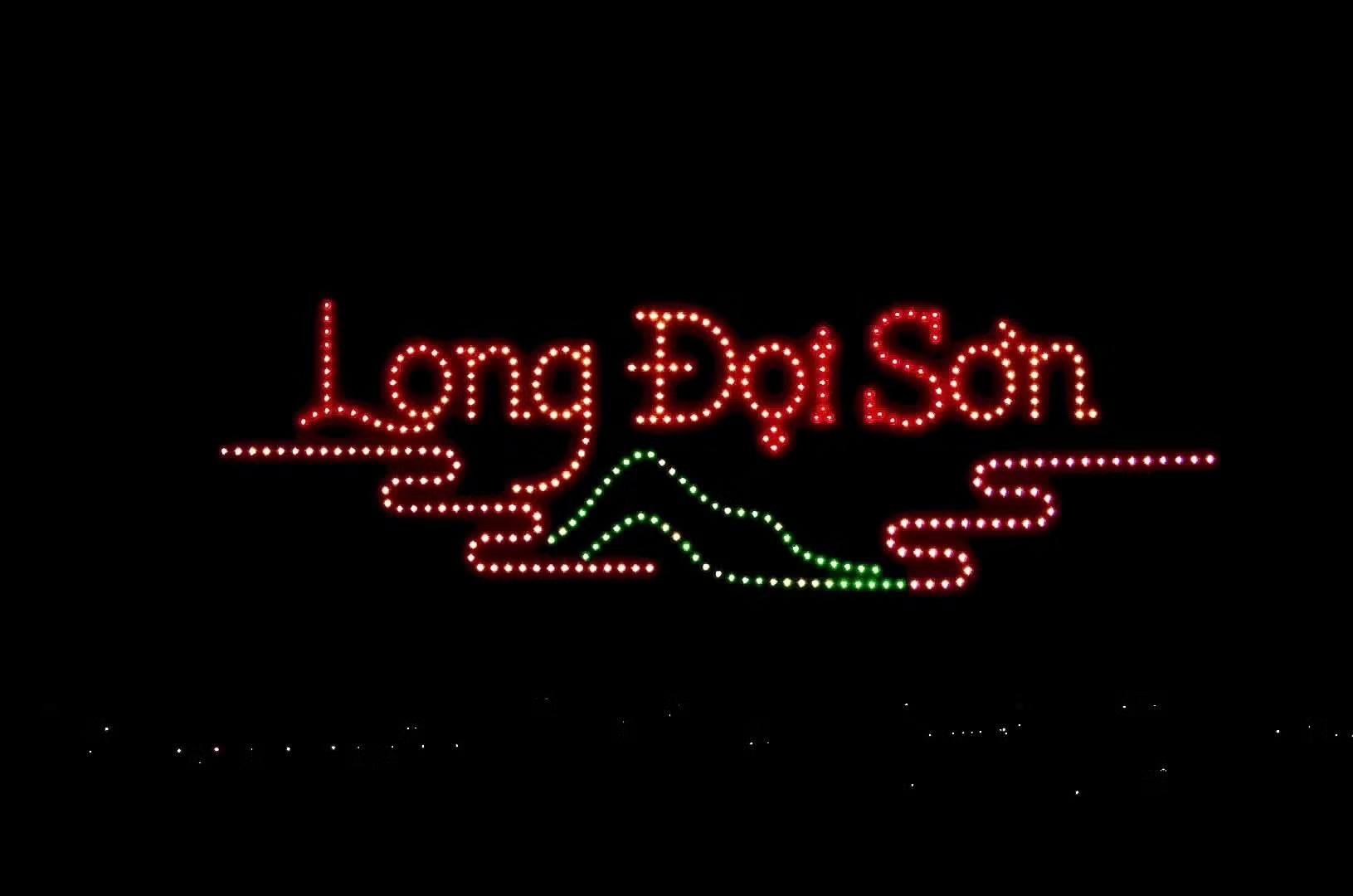
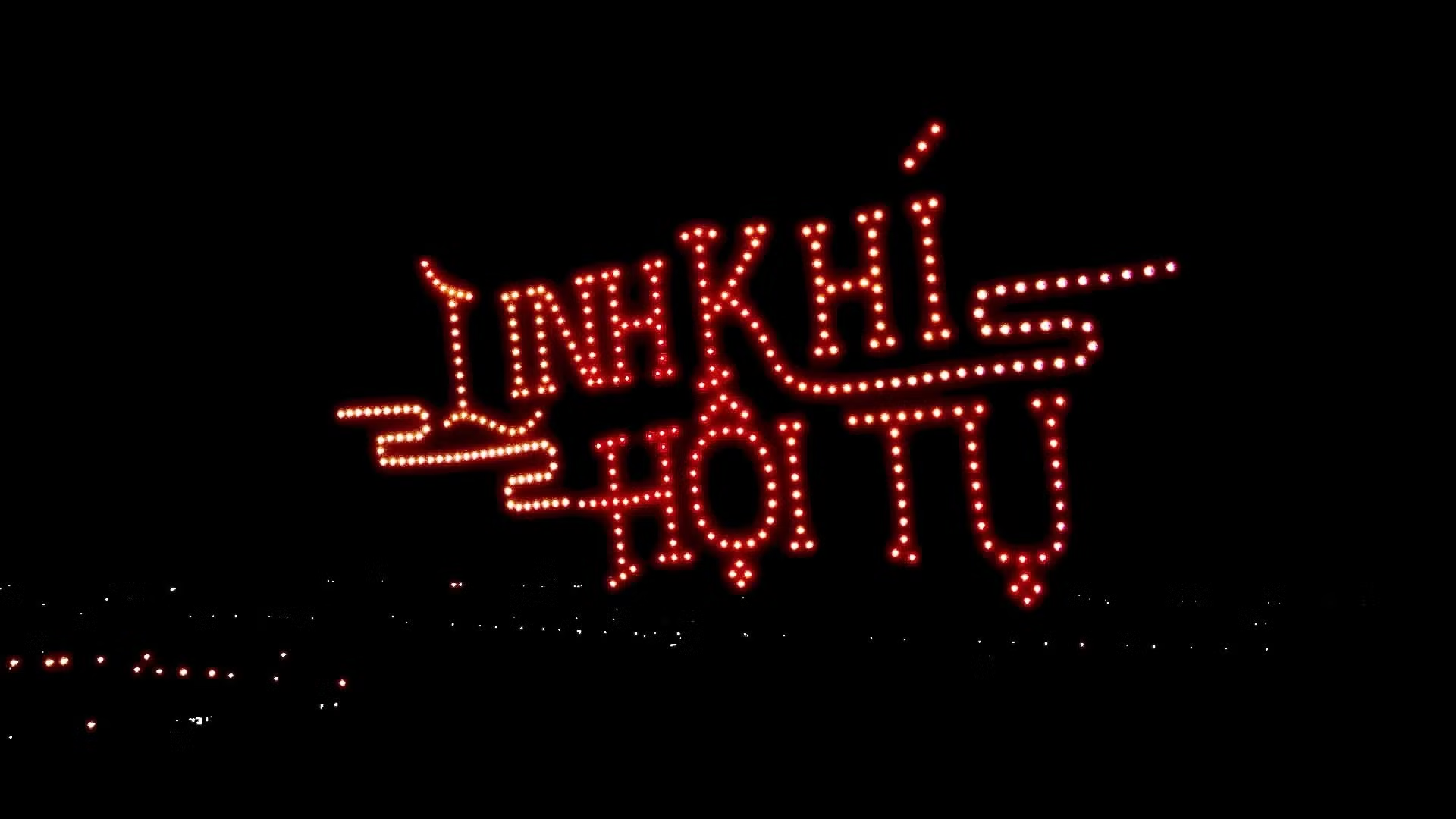
A particular highlight was a spectacular aerial light show featuring 350 drones above the Sung Thien Dien Linh Stele Tower, drawing large crowds of local residents and visitors. The drones illuminated the night sky with iconic images of Doi Mountain, the Chau River and the nine wells; a king guiding an ox to plow the fields, evoking the Tich Dien Doi Son Festival; dragons adorning the base of the Sung Thien Dien Linh Stele; blooming lotus flowers; Maitreya Buddha seated on a lotus throne; and the traditional Doi drum.
Culminating in the message “Convergence of Sacred Energy,” the mesmerizing display told the story of the land, its people, and the enduring cultural heritage preserved and passed down through generations.
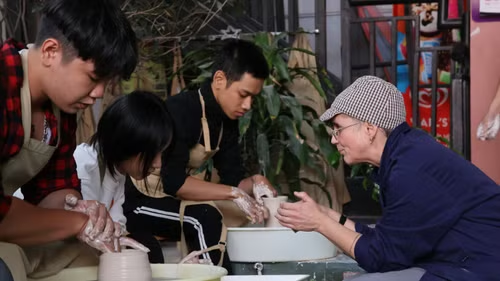
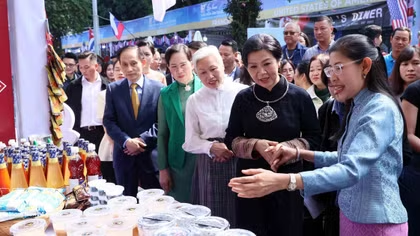
In addition to modern technological displays, the program featured a variety of folk art activities, creating a vibrant cultural exchange space that fostered community bonds and served both locals and visitors.
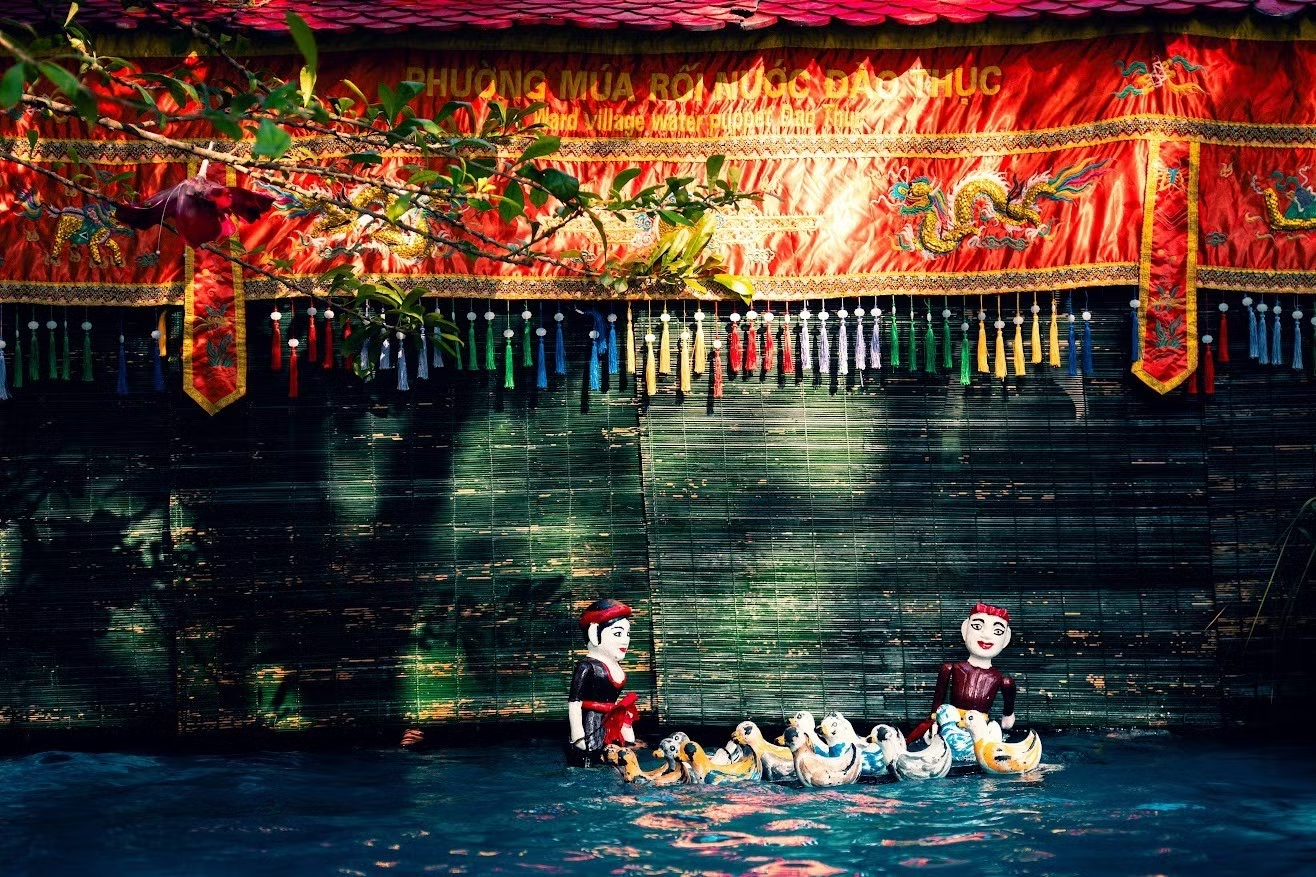
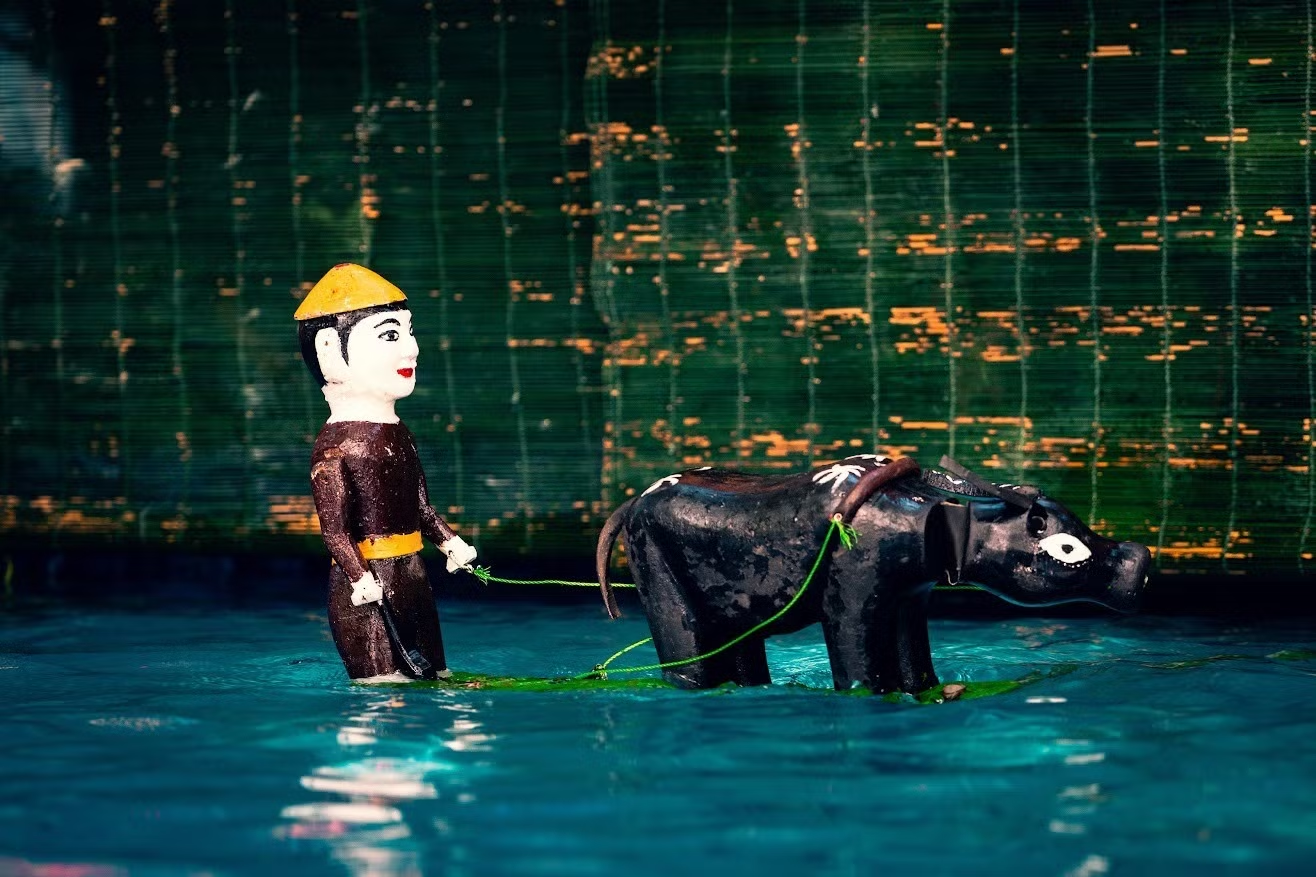
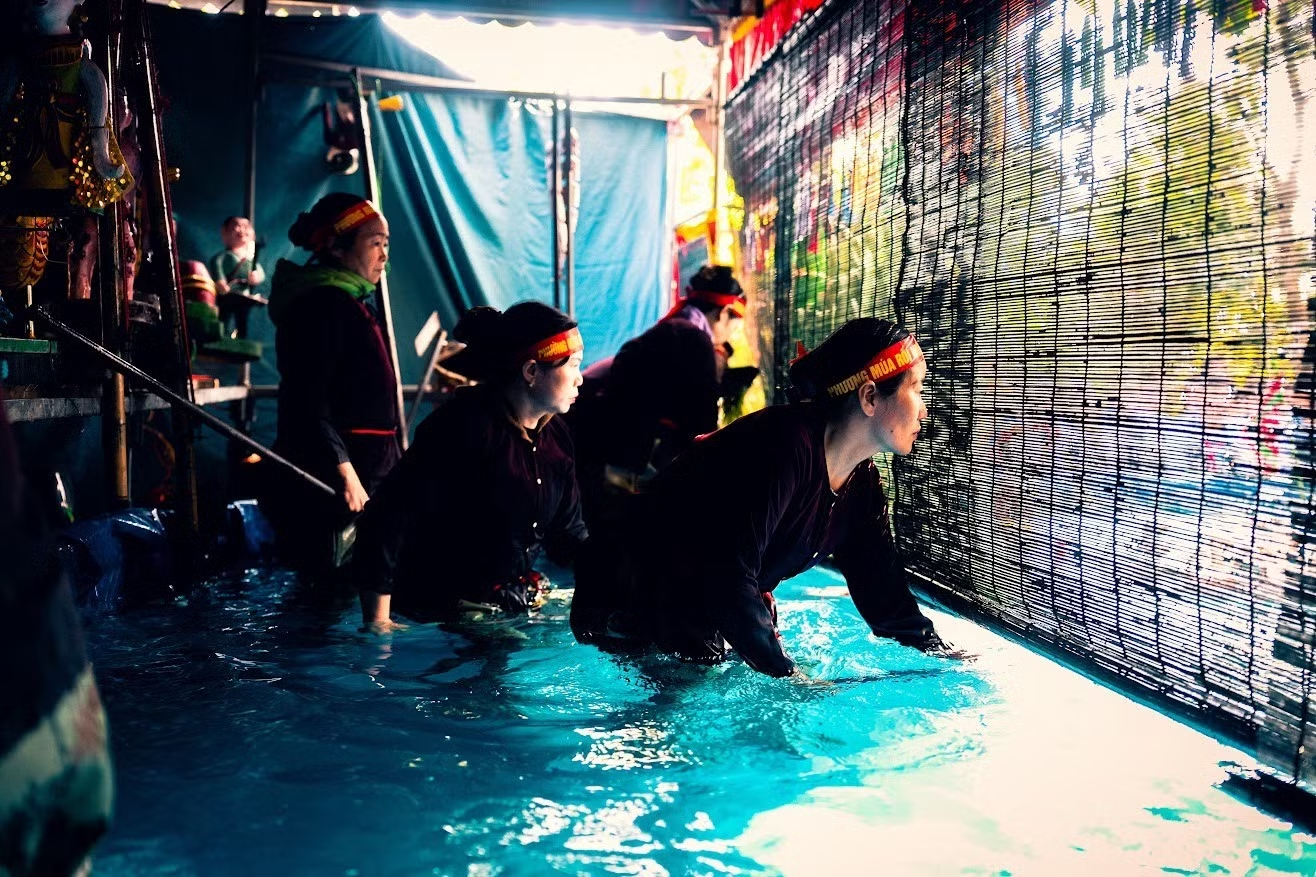
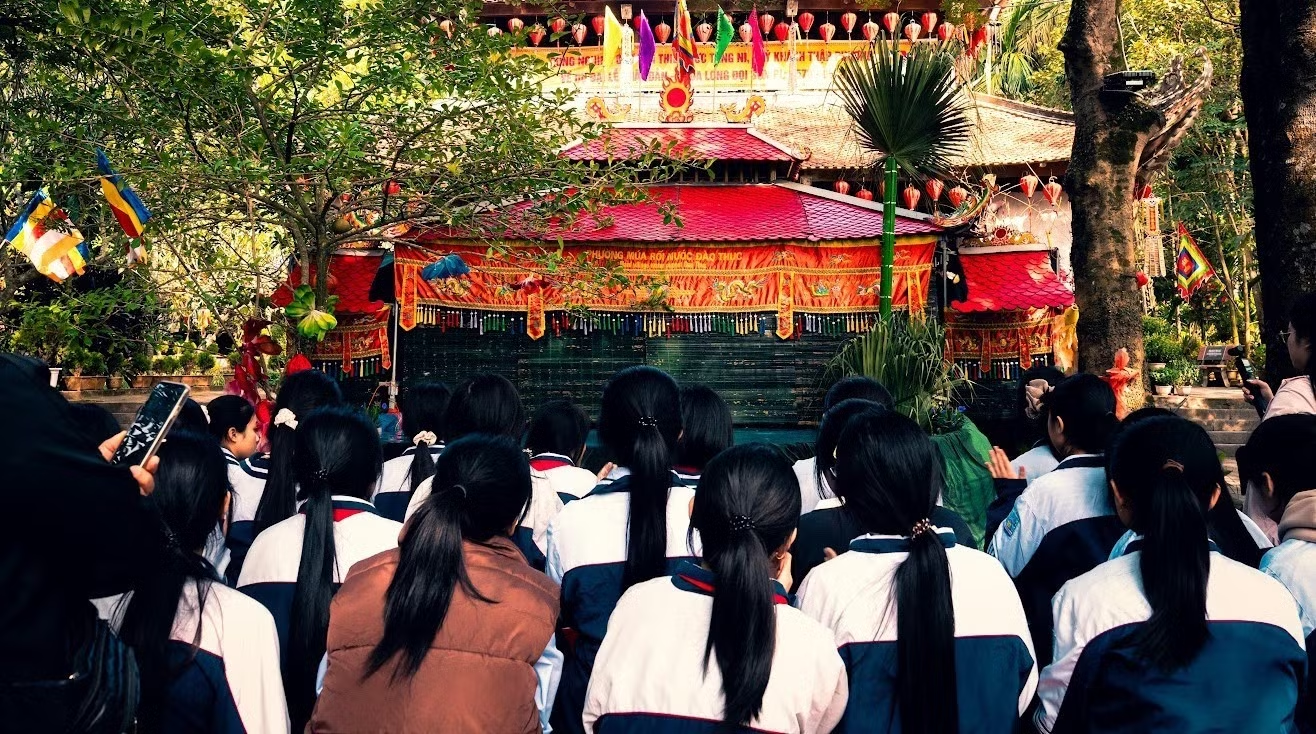
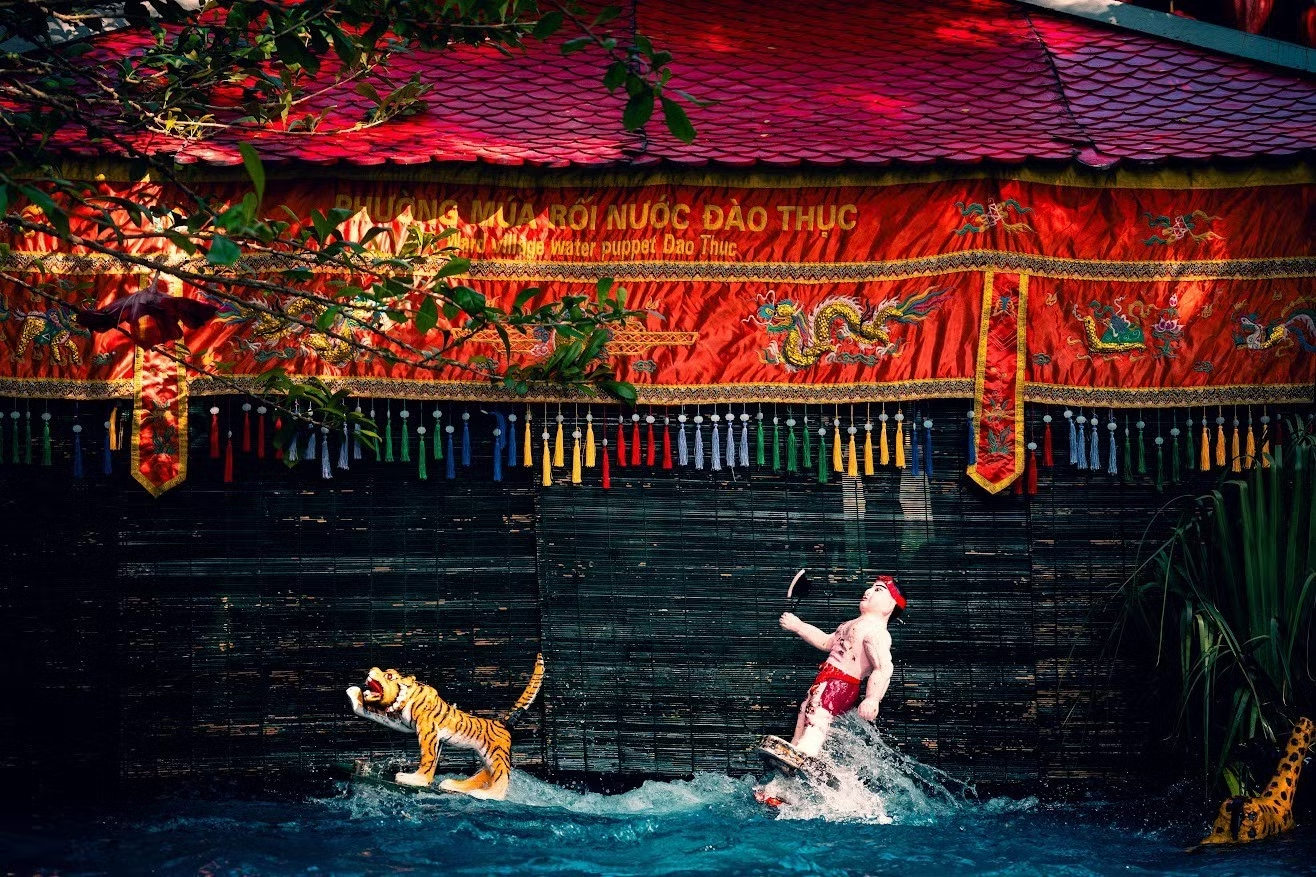
Water puppetry performances were held at the Tam Quan gate area. This traditional art form, also mentioned in the Sung Thien Dien Linh stele inscription, created a special connection between historical records and cultural performances within the heritage site.
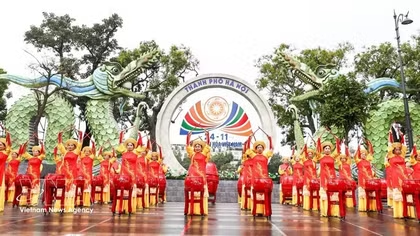
Throughout the Stele Tower courtyard, the pagoda entrance, and the Duc Ong courtyard, audiences enjoyed a variety of artistic performances, from traditional Doi Tam festival drumming and bamboo pole dancing to xoan singing, xam singing, cheo opera, and folk instrumental music. Particularly noteworthy was the fire dance of the Pa Then ethnic group, which offered visitors a distinctive cultural experience while celebrating the richness and diversity of Viet Nam’s multiethnic cultural heritage.
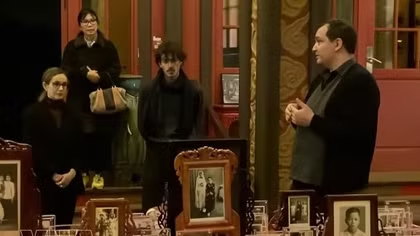
Alongside the performances, the chessboard courtyard hosted exhibitions of images, antiques, and national treasures associated with the site, including the Sung Thien Dien Linh stele and the six Kim Cuong statues from the Ly Dynasty. This provided the public with direct opportunities to learn about the unique historical, artistic, and architectural values preserved at Long Doi Son Pagoda.
Through this series of activities, the program brought heritage closer to the public through innovative forms of expression, harmoniously blending traditional values with modern technology. In doing so, it reaffirmed the historical and cultural depth of Long Doi Son while also raising awareness and fostering a sense of community responsibility to preserve and promote heritage values.