Hanoi (VNA) – Vietnam Culture Day (November 24) provides an opportunity to honour and promote the nation’s traditional cultural values. To turn culture into a resource for sustainable tourism, however, celebrations should go beyond commemorative events, creating opportunities for visitors to experience cultural traditions and promote heritage.
Culture must be experienced, not merely celebrated
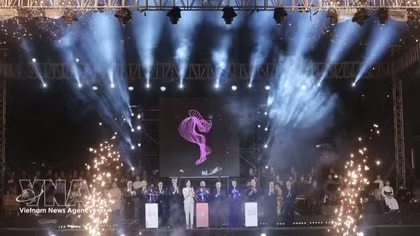
The year 2026 marks the first Vietnam Culture Day, coinciding with the 80th anniversary of the first National Cultural Conference. The occasion reflects the Party and State’s attention to cultural preservation and promotion, while expanding public access to and enjoyment of culture.
From a tourism perspective, the key question is how to make cultural values part of everyday life and meaningful visitor experiences.
Nguyen Tien Dat, General Director of AZA Travel in Hanoi, said a heritage site can only remain vibrant in the long term when it is embraced and used by the community and continues to inspire creativity in everyday life..
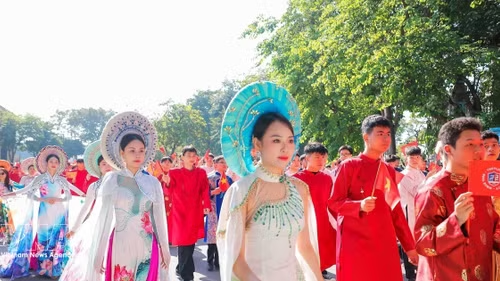
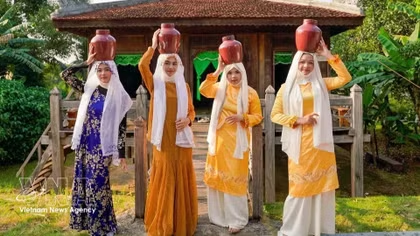
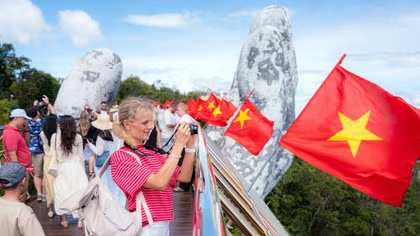
Traditional values are often celebrated through performances, exhibitions and festivals. Yet if visitors remain spectators, they may find it difficult to connect with the culture. The Ao Dai (Vietnamese traditional long dress), for example, can offer a deeper experience when international visitors wear it, learn about its fabrics and tailoring, and explore Hanoi in traditional attire.
Such experiences can also generate economic opportunities for traditional crafts and related services, including silk weaving, tailoring, design and accessories. Cultural preservation and economic development, therefore, need not be separate goals. Properly organised cultural experiences can help sustain traditional occupations and community livelihoods.
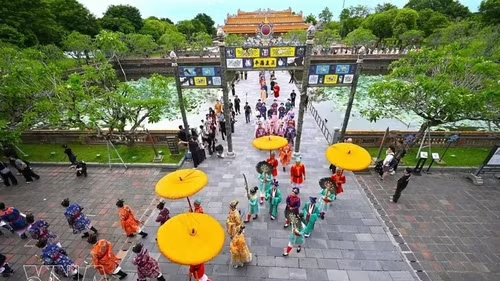
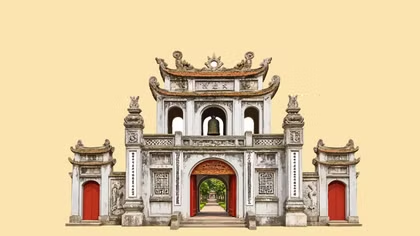
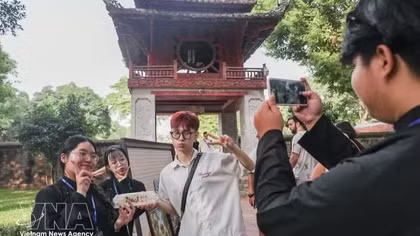
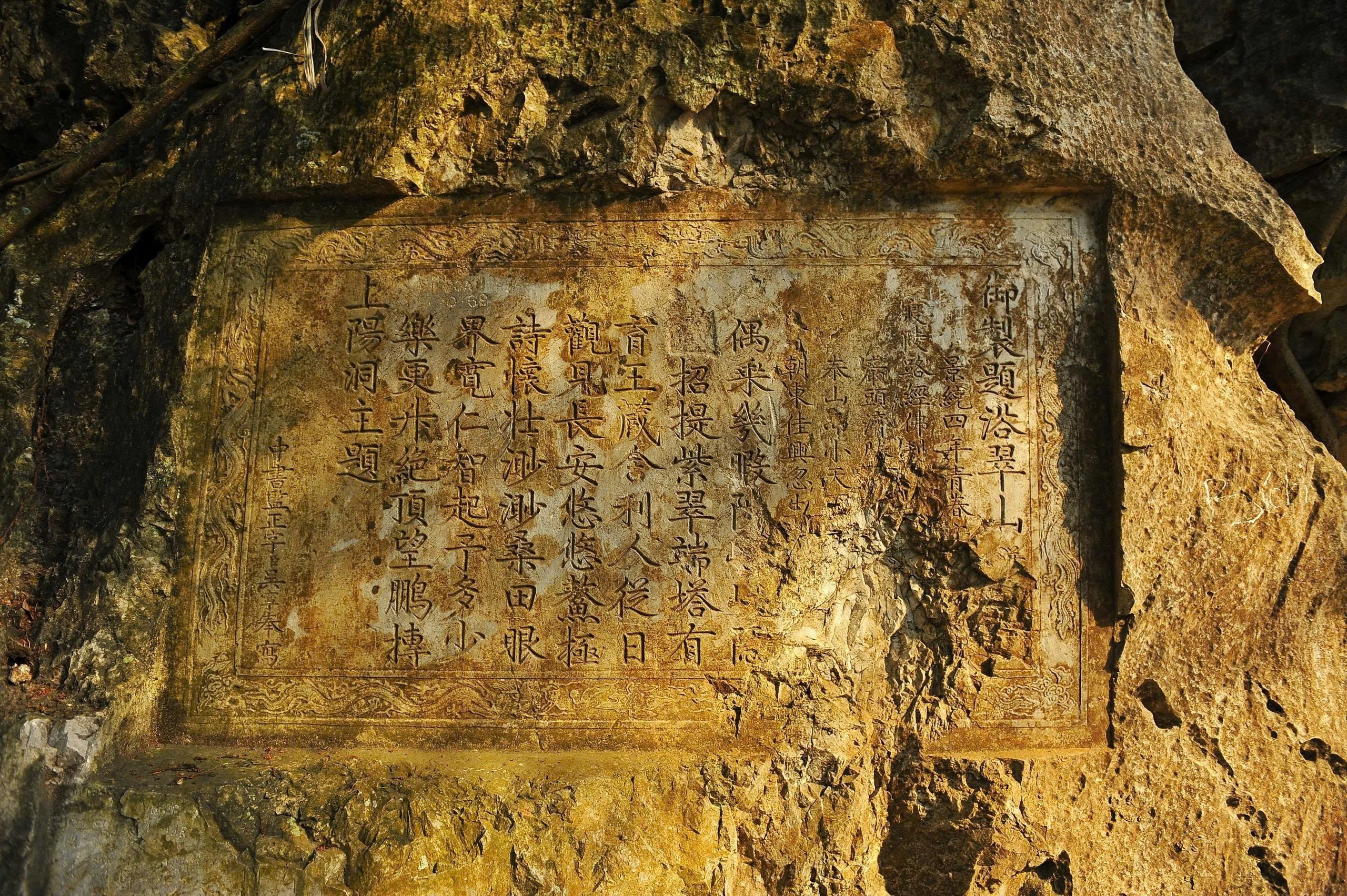
Hanoi, with its rich heritage, architecture and craft villages, has considerable potential in this regard. Hoan Kiem Lake, the Old Quarter, the Temple of Literature – Quoc Tu Giam (Vietnam’s first national university) and the Thang Long Imperial Citadel could serve as cultural experience venues, while Van Phuc and Trach Xa craft villages could introduce visitors to the materials and techniques used to make Ao Dai.
Dat proposed a project entitled “Hanoi - City of Ao Dai Experience Spaces”, encouraging residents and visitors to wear the traditional dress in appropriate settings and enabling businesses to develop related services.
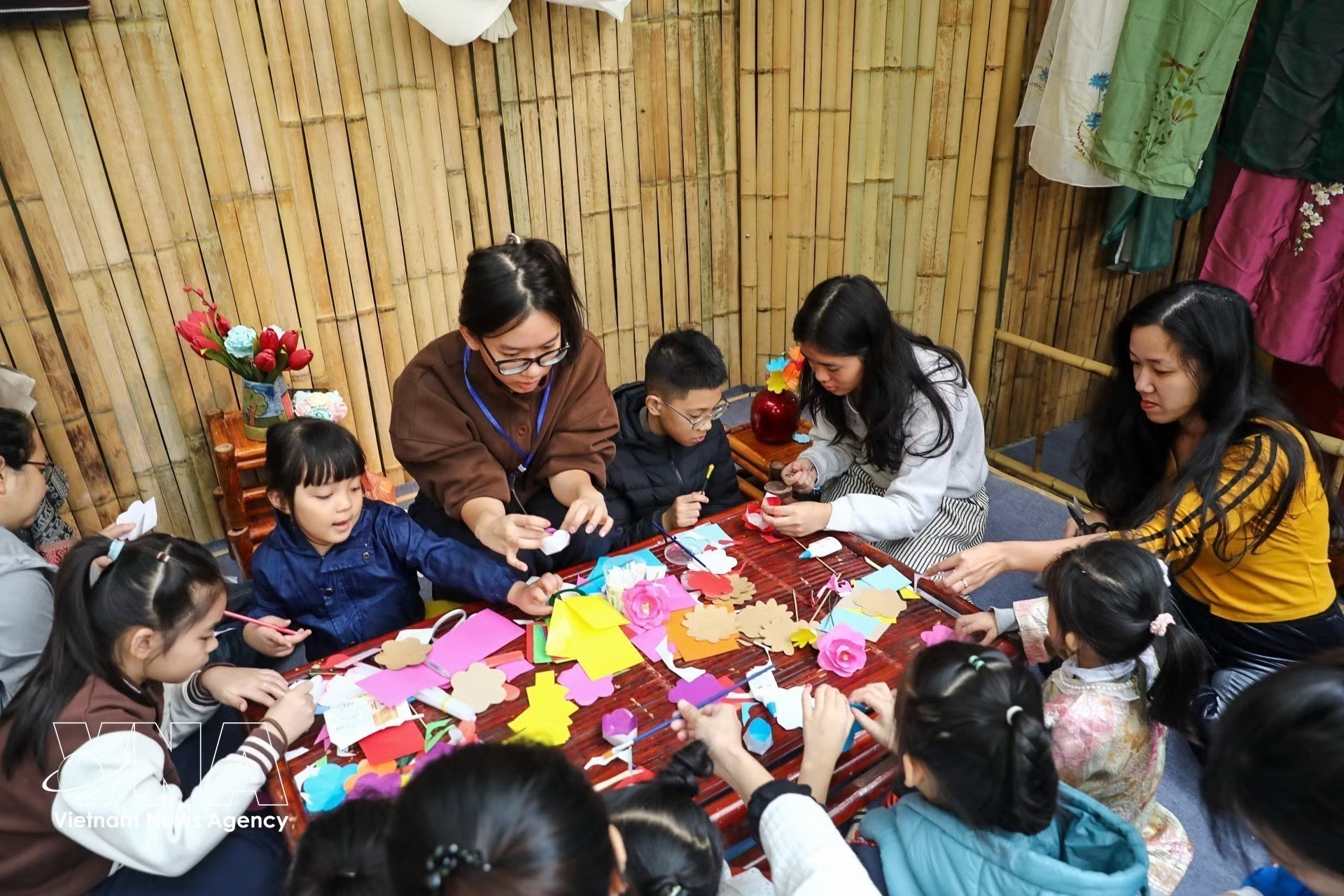
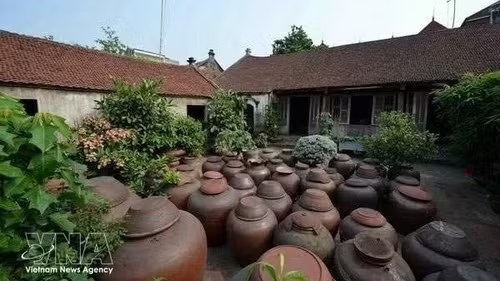
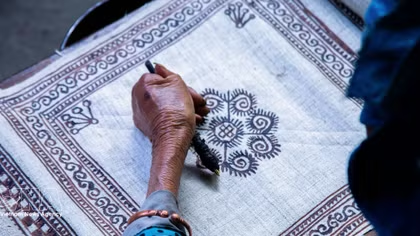
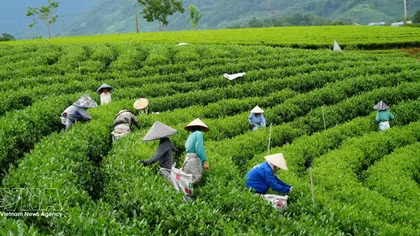
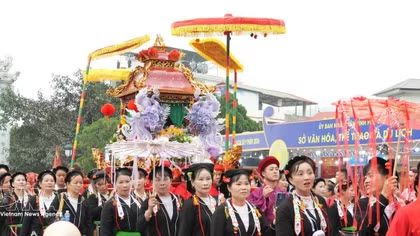
Beyond Ao Dai, Vietnam boasts diverse cultural heritage, including Quan Ho (love duet) folk singing, Ca Tru ceremonial singing, Don Ca Tai Tu southern amateur music, Bai Choi folk performance and Then singing. Traditional crafts such as pottery, lacquerware, silk weaving, bamboo and rattan products, and jewellery, together with regional cuisine, provide a strong foundation for heritage-based creative tourism. Such tourism can increase economic value, diversify products and attract higher-spending visitors while supporting preservation.
Tourism development must go hand in hand with conservation
The Politburo’s Resolution No. 80 NQ/TW on Vietnamese cultural development highlights culture’s role in society and national development. For tourism, it offers an opportunity to create products that allow visitors to engage directly with heritage.
Vu Quoc Tri, Secretary-General of the Vietnam Tourism Association, said heritage conservation is a prerequisite for cultural tourism. Without investment in restoration and preservation, sites will be difficult to develop for tourism and experiential activities.
He noted that conservation and tourism are closely linked: cultural authorities need funding to protect heritage, while travel firms can contribute indirectly through taxes and entrance ticket purchases. Clear responsibilities are essential, with heritage professionals safeguarding cultural and historical values and businesses developing tourism products in compliance with conservation regulations.
The appeal of cultural tourism lies in the uniqueness of experiences, Tri said. The same art form or landscape can offer different impressions depending on its setting, local people and presentation. Cultural products should also be combined with cuisine, entertainment and shopping, while embracing environmental protection and green, sustainable development towards net-zero goals. High-end travellers increasingly pay attention to environmental issues, he added.
In an increasingly globalised and urbanised world, cultural identity has become an important factor in destination competitiveness and national soft power./.