UNESCO recognizes 'Pho Hien Steles' and 'Ma Nhai Inscriptions on Non Nuoc Mountain'

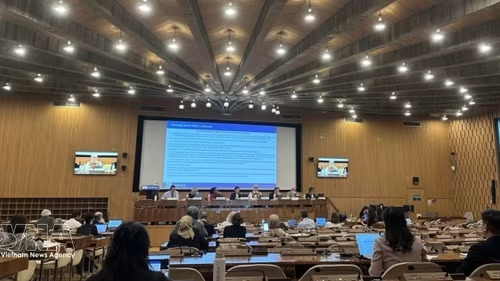
On the afternoon of November 5, at the 11th Session held in Jakarta, Indonesia, the Memory of the World Committee for Asia and the Pacific (MOWCAP) under UNESCO approved the inscription of the "Pho Hien Steles" from Hung Yen Province and the "Ma Nhai Inscriptions on Non Nuoc Mountain" from Ninh Binh Province into the Asia-Pacific Regional Register of Documentary Heritage.

According to the Asia-Pacific Regional Committee for the Memory of the World Program, Viet Nam’s nominated documentary heritage dossiers—“Pho Hien Stone Steles” from Hung Yen Province and “Ma Nhai Inscriptions on Non Nuoc Mountain, Ninh Binh Province”—meet the criteria for inscription in the Asia-Pacific Memory of the World Register. These criteria include authenticity, integrity, uniqueness, regional significance and importance, and the feasibility of preservation, management, and access plans.

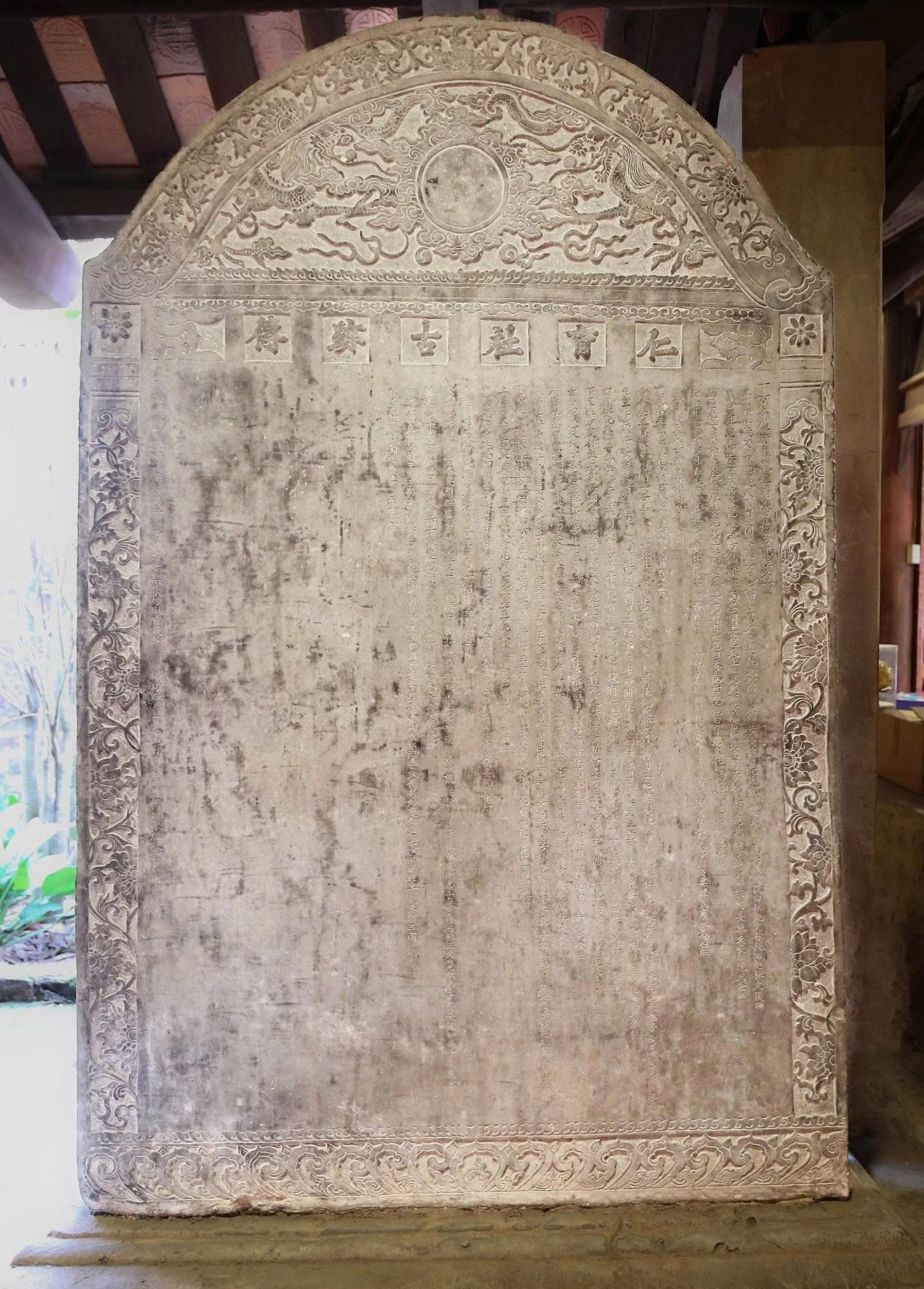
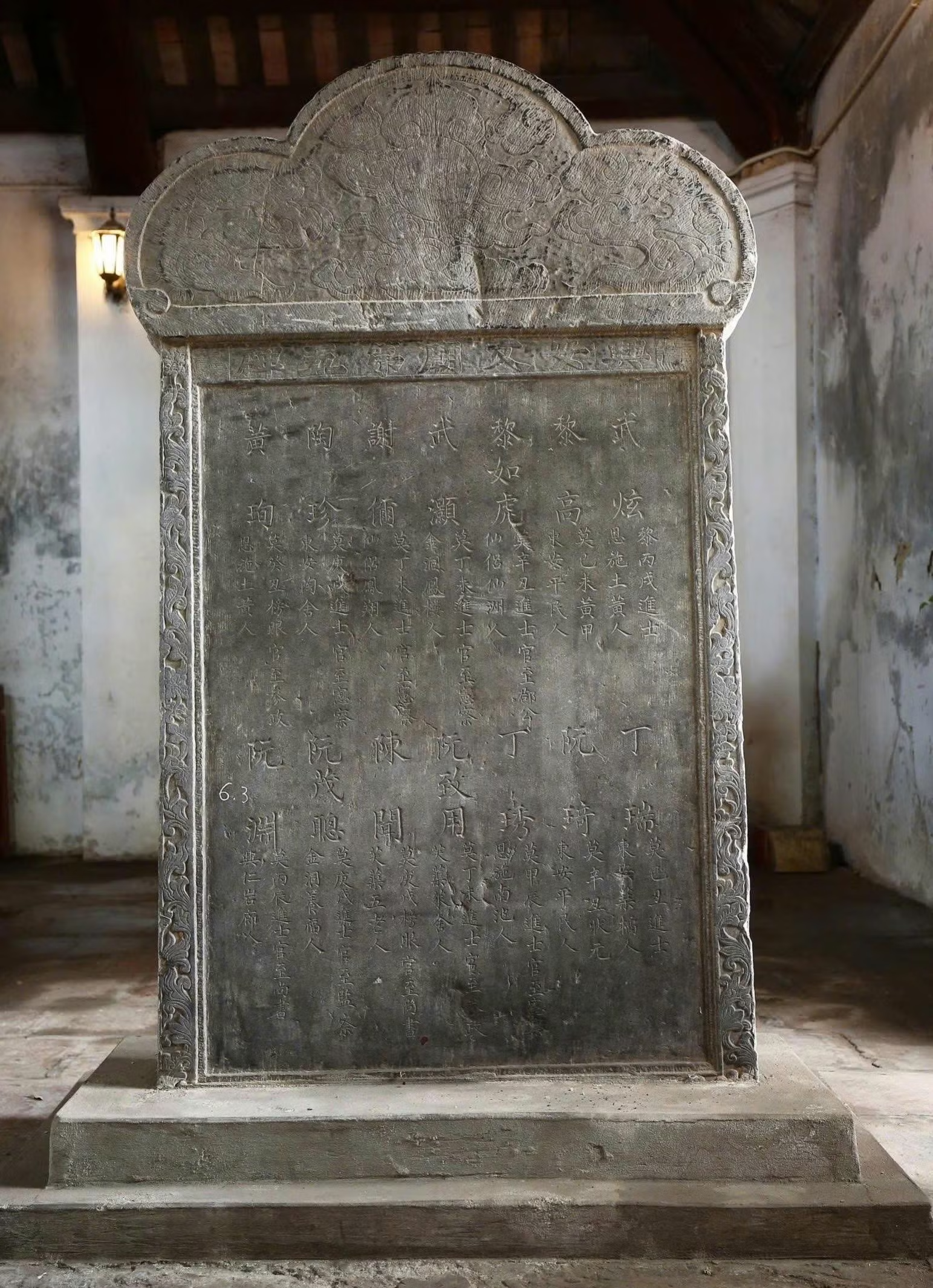
The “Pho Hien Stone Steles” comprise 41 steles inscribed in Han (classical Chinese) and Nom (ancient Vietnamese script), dating from the 17th to the 20th centuries, located at sites within the special national relic of Pho Hien (Hung Yen Province). This documentary heritage remains intact and authentic, preserved in its original state by the community for centuries. It serves as a vivid memory of a historical era in Pho Hien—a prominent international trading port in Asia at the time.
UNESCO recognizes 'Pho Hien Steles' and 'Ma Nhai Inscriptions on Non Nuoc Mountain' ảnh 1
Pho Hien Stone Steles. (Photo: Department of Cultural Heritage)

Pho Hien emerged in the 16th century and reached its peak in the 17th century, becoming one of Vietnam’s major cultural and commercial centers and a hub for trade in Southeast and East Asia. Its history is marked by the rise of various guilds and markets, attracting many foreign merchants, including Chinese and Japanese traders and, from the latter half of the 17th century, Dutch, Portuguese, and English merchants.

Beyond reflecting urban development and commercial activity, the “Pho Hien Stone Steles” also document cultural exchange and adaptation, harmonious development, and the blending of religions and beliefs in the cultural and social life of both Vietnamese and foreign communities in this international port city from the 17th to the 20th centuries. They also embody Hung Yen's spirit and tradition of learning, while recording women's proactive contributions to the spiritual and religious life of Pho Hien.

This is an important source for both domestic and international researchers studying cultural diplomacy, economic exchange, and maritime interactions in the Asia-Pacific region in general, and the Pho Hien trading port in particular.
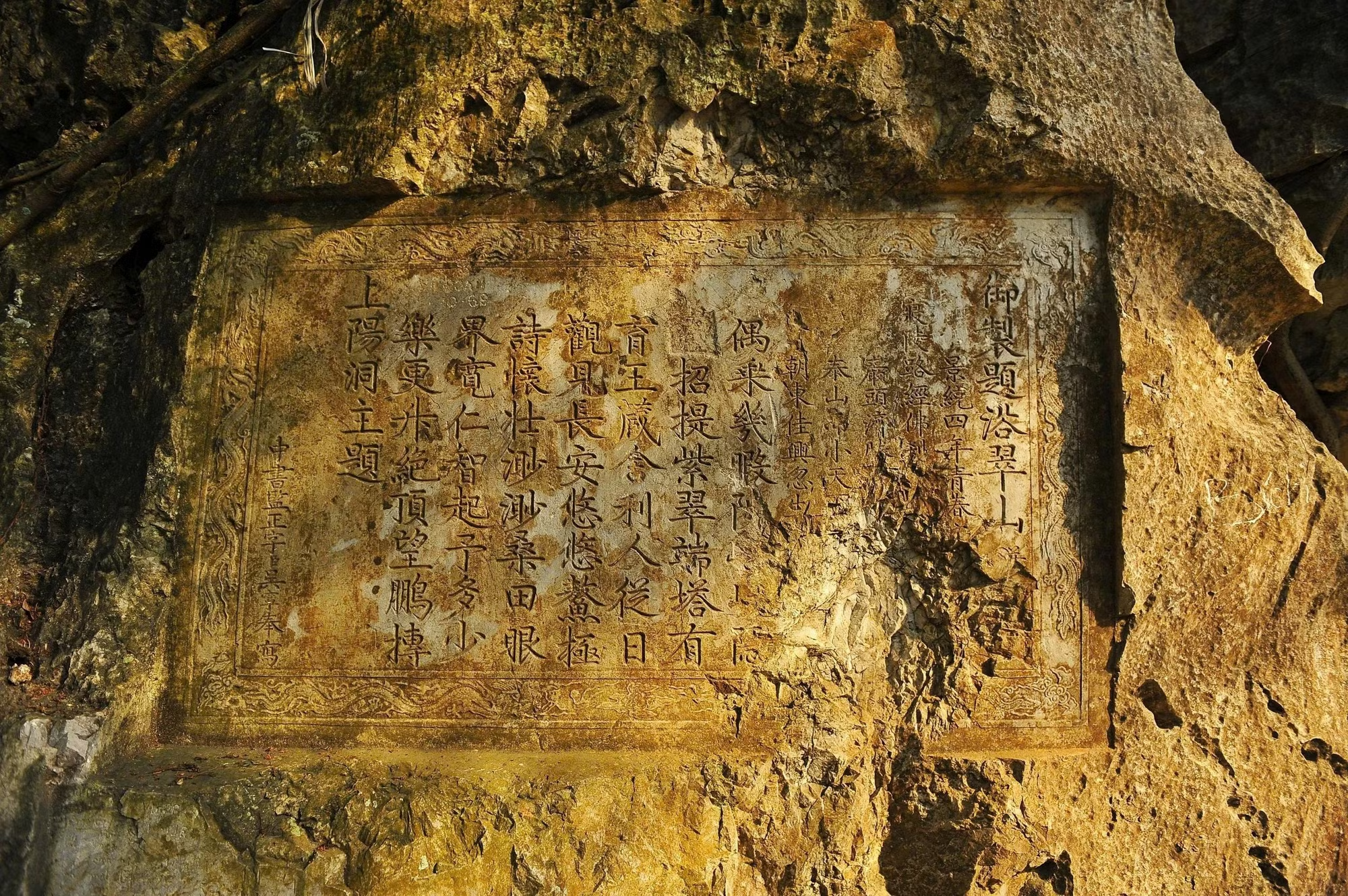
Ma Nhai Inscriptions on Non Nuoc Mountain, Ninh Binh Province

The “Ma Nhai Inscriptions on Non Nuoc Mountain, Ninh Binh Province” are documentary heritage items carved directly onto rock faces in Han, Nom, and the modern Vietnamese script (Quoc Ngu) at the special national historical and scenic site of Non Nuoc Mountain (Ninh Binh Province), with dates ranging from the 14th to the 20th centuries.

Currently, 43 inscription panels remain, featuring diverse content and unique forms. These irreplaceable carvings include various genres such as imperial calligraphy, stele inscriptions, poetry, and dedications, created by kings, mandarins, scholars, and poets. Skilled Vietnamese artisans engraved them using traditional carving techniques.
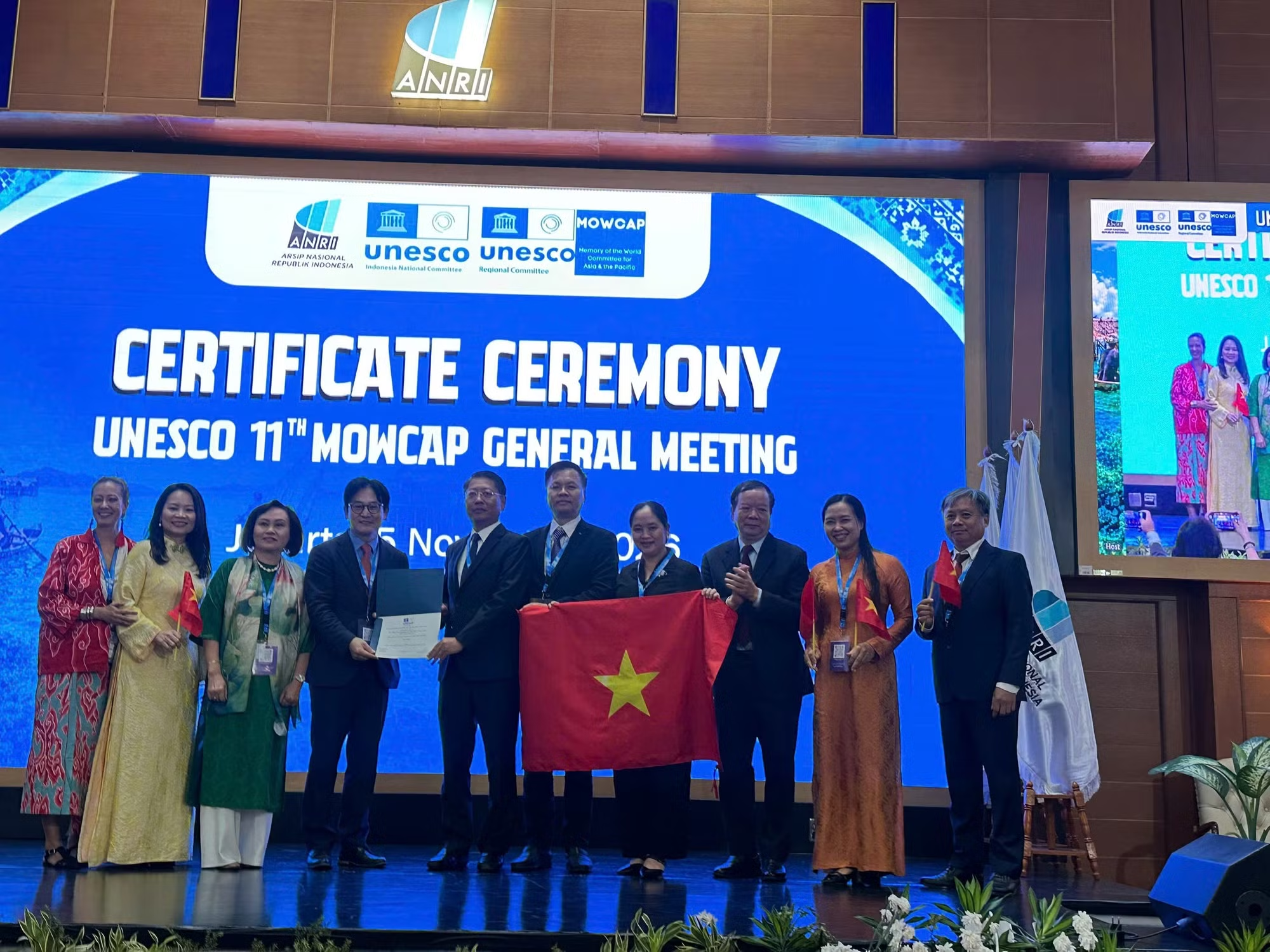
The Chairperson of the Asia-Pacific Regional Committee for the Memory of the World Program presents the certificate of inscription to a representative of Ninh Binh.

This documentary heritage provides insights into Vietnam’s history of nation-building and defense, as the country occupies a strategic position in the Asia-Pacific region. It also reflects cultural exchange and adaptation in East Asia, particularly through the “Three Teachings” (Buddhism, Taoism, Confucianism) coexisting and blending with indigenous Vietnamese beliefs, as well as the history of medieval Vietnamese literature within the broader context of Han-script literature in East Asia.

Several Ma Nhai inscriptions on Non Nuoc Mountain show women's extensive participation in social and religious activities throughout history, indicating that gender equality was, to some extent, realized in Vietnam as early as the medieval period (14th century).
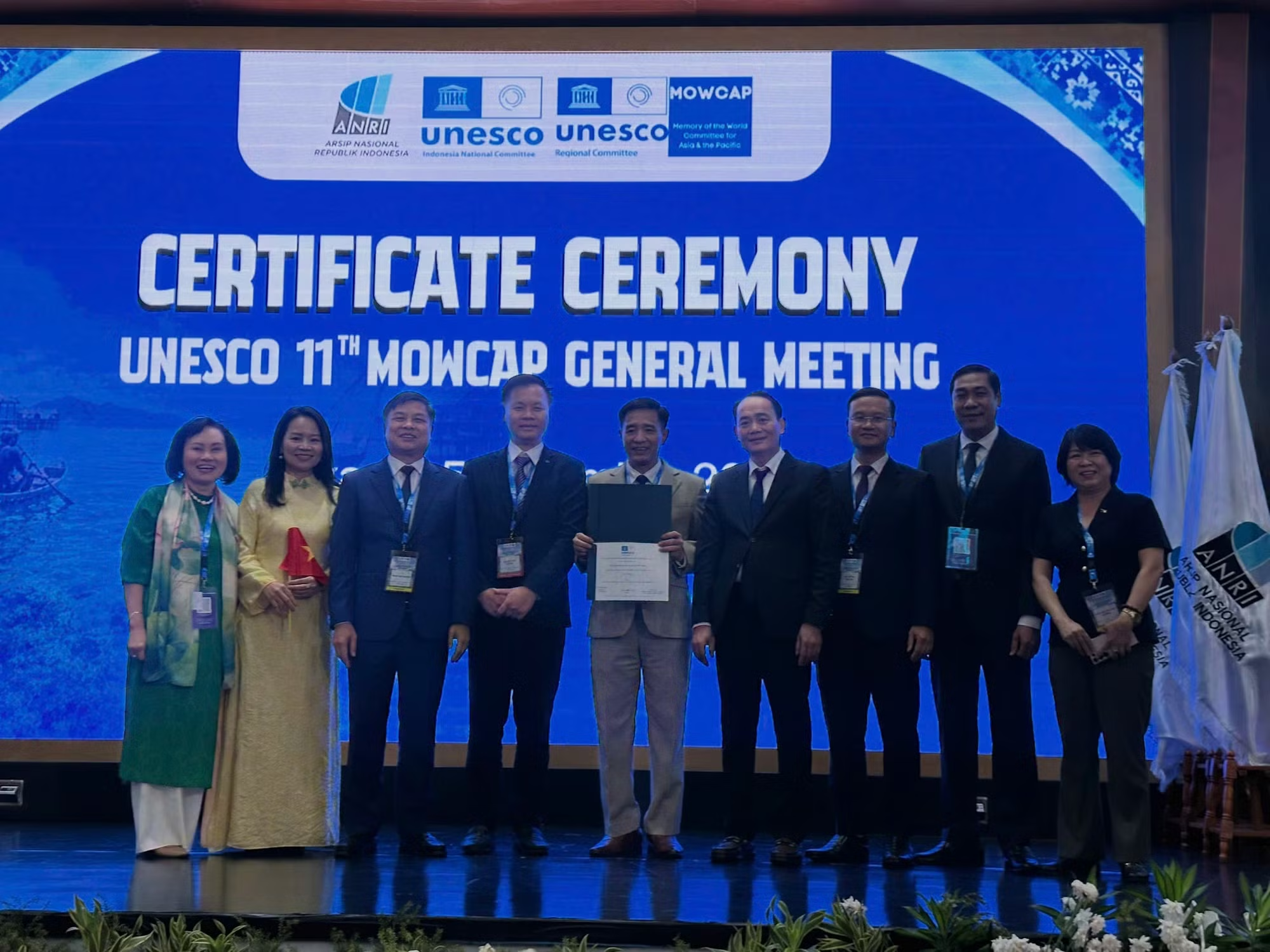
A representative of Hung Yen receives the certificate of inscription for Asia-Pacific documentary heritage.

With the addition of these two documentary heritage items inscribed by the UNESCO Memory of the World Program, Vietnam now has 13 documentary heritage items recognized by UNESCO (including four in the World Register and nine in the Asia-Pacific Regional Register).

This contributes positively to the goals set by the Politburo in Resolution No. 80-NQ/TW dated January 7, 2026, on the development of Vietnam’s cultural heritage: “Strive for five more cultural heritage items to be recognized and inscribed by UNESCO by 2030” and “ten cultural heritage items to be recognized and inscribed by UNESCO by 2045.”

By Manh Nguyen

Other News

Foreign diplomats experience tea picking in Thai Nguyen

Foreign diplomats experience tea picking in Thai Nguyen

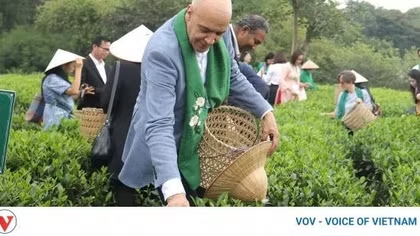
VOV.VN - Foreign diplomats in Vietnam have tried their hand at picking and pan-firing tea leaves in Vietnam’s northern Thai Nguyen province, gaining first-hand insight into the traditional craft behind the distinctive flavour of Tan Cuong tea.

Localities work to enrich vitality of Vietnamese culture

Localities work to enrich vitality of Vietnamese culture

Guided by the Politburo's Resolution No. 80-NQ/TW on Vietnamese cultural development, a range of cultural activities held nationwide over the past week have highlighted efforts to preserve and promote national identity while encouraging creativity and expanding public access to culture.

Hanoi to stage special arts programme for Vietnam Culture Day

Hanoi to stage special arts programme for Vietnam Culture Day

Through the programme, Hanoi seeks to recreate the continuous flow of Vietnamese culture from its origins to the present and future, connecting traditional heritage with contemporary creativity and combining traditional arts with modern stage technology to create a distinctive artistic space with intellectual depth and broad social resonance.

Ho Chi Minh City builds global tourism brand as megacity

Ho Chi Minh City builds global tourism brand as megacity

The city’s Resolution No. 62/2025/NQ-HDND on support policies for MICE tourism has provided an important framework for attracting business events through 2030. Ho Chi Minh City is targeting conferences, exhibitions and events in priority sectors such as finance, technology, innovation, logistics, healthcare, education, industry and the marine economy.

Vietnam seeks to shift coastal tourism from visitor numbers to value creation

Vietnam seeks to shift coastal tourism from visitor numbers to value creation

The challenge is particularly evident in coastal destinations, where beautiful beaches attract visitors but do not necessarily encourage longer stays. Expanding hotel capacity alone cannot guarantee higher returns without attractive nightlife, convenient transport, distinctive experiences and a healthy environment, according to eMagazine VnEconomy.

Hanoi works to unlock heritage resources

Hanoi works to unlock heritage resources

When innovation deepens understanding of traditional values rather than replacing them, heritage becomes not only something to preserve but also a resource for sustainable tourism, economic development and reinforcement of Hanoi’s position as a UNESCO Creative City.

Asian Para Games 2026: Vietnam wins swimming gold

Asian Para Games 2026: Vietnam wins swimming gold

Vietnamese swimmer Do Thanh Hai clinched gold with a time of 1 minute 33.91 seconds, ahead of compatriot Le Tien Dat, who secured silver in 1 minute 36.63 seconds. Iran’s Rashidabadi Ali rounded out the podium, taking bronze in 1 minute 47.78 seconds.

Sydney hosts first Vietnamese Ao dai street parade

Sydney hosts first Vietnamese Ao dai street parade

Colourful traditional Vietnamese Ao dai (traditional long dresses) brought a festive touch to the streets of Bankstown, Sydney, on October 17, as more than 20 Vietnamese people from different generations took part in an Ao dai street parade held as part of the Viet Soul 3 Festival.

Spouses of Vietnamese, Swiss leaders visit Hanoi University of Pharmacy

Spouses of Vietnamese, Swiss leaders visit Hanoi University of Pharmacy

Hanoi University of Pharmacy holds special significance in bilateral relations as it is closely associated with Alexandre Yersin, a French scientist of Swiss origin born in 1863 in the canton of Vaud, the homeland of President Parmelin. Yersin was the first principal of the Indochina Medical College, the predecessor of today’s Hanoi University of Pharmacy and Hanoi Medical University. He also made important contributions to the development of medicine in Vietnam.