Hanoi (VNA) – Community-based tourism and adventure sports are helping transform remote villages in northern mountainous provinces, making them more beautiful and attractive while gradually raising local incomes and preserving cultural value.
Despite difficult terrain and limited transport infrastructure, villages in Lai Chau and Son La provinces are turning their natural landscapes, distinctive cultures and rural lifestyles into tourism assets.
Turning difficulties into advantages
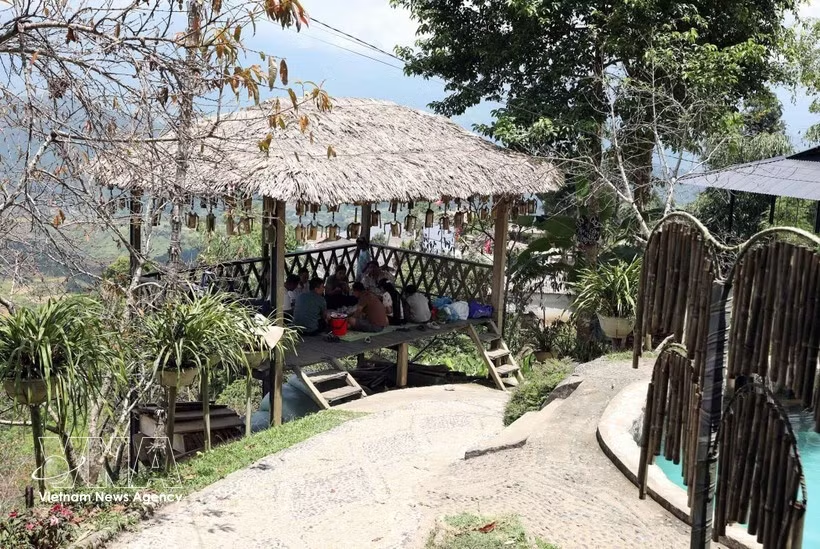
Reaching Lao Chai 1 village in Khun Ha commune, Lai Chau province, from Hanoi takes more than half a day by road. Yet visitors who make the journey are rewarded with peaceful scenery, clean surroundings and well-maintained paths winding along the hillsides.
Hoang Thi Ngoan, an official at the commune’s general services center, said the village was selected in 2016 for community-based tourism development as part of the local new-style rural area program.
Five households were initially chosen to visit tourism models in other provinces and learn how to welcome visitors, prepare meals, and provide accommodation. Local authorities later supported road construction and homestay development, while residents contributed labor and received cement support from the State to build concrete paths to their homes.
Residents have also changed their daily practices, including no longer letting pigs and chickens roam freely, which helps keep the village clean and welcoming.
Long A Phao, one of the first five residents to receive tourism training, invested hundreds of millions of Vietnamese dong in a wooden homestay facility. His family now earns additional income by providing accommodation and meals for visitors.
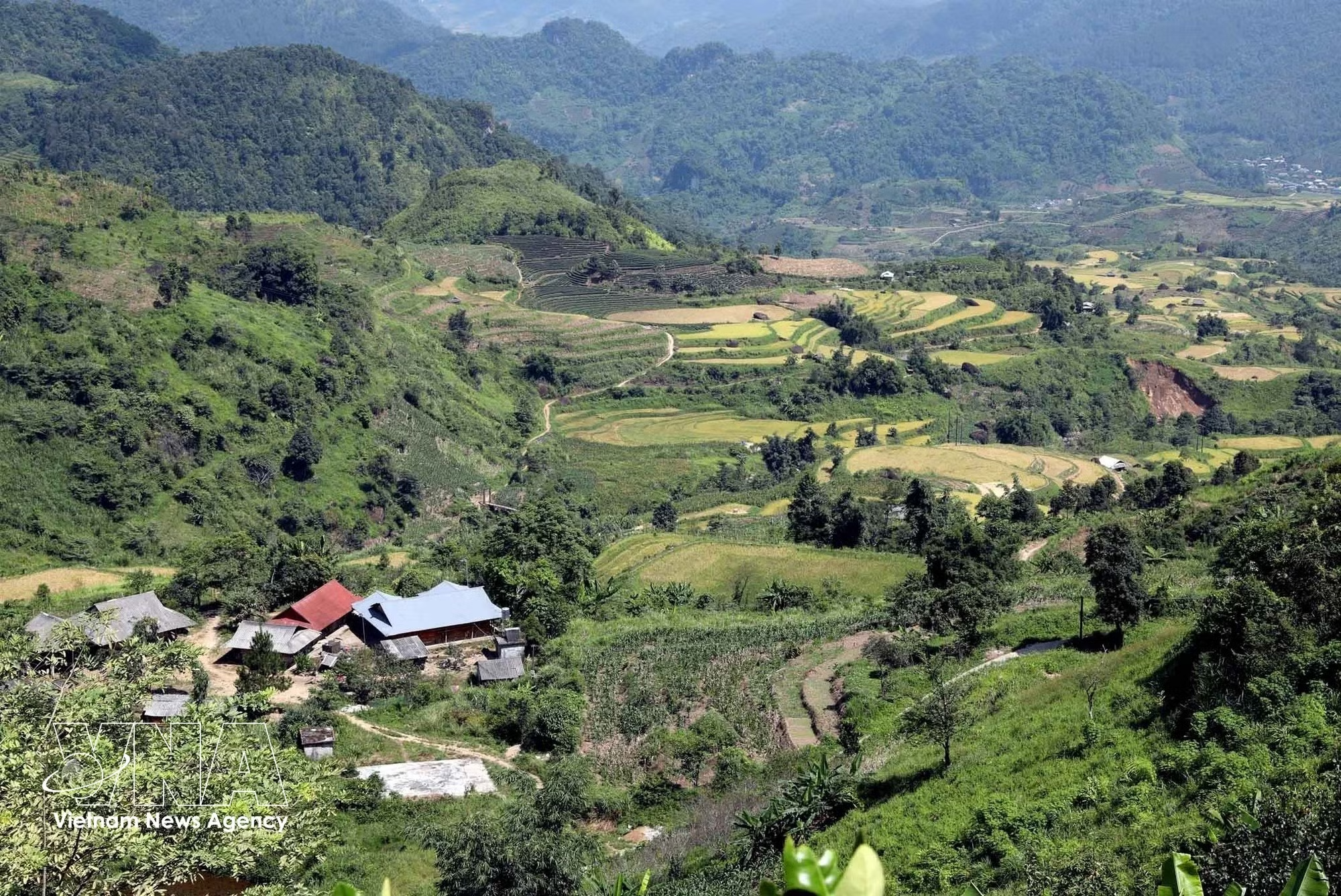
Lao Chai 1 has more than 40 households, with 18 currently offering homestay services. Although tourism revenue remains modest for some families, it provides a valuable supplement to their livelihoods.
About 60km away, Sin Suoi Ho village, home to the Mong ethnic group, has developed a more established tourism model since it was recognized as a community-based tourism destination in 2015.
The village now has nearly 30 homestay operators, alongside a traditional market selling brocade products and agricultural produce, restaurants, and distinctive cafes.
Village head Giang A Chinh, a pioneer in homestay development, said that over the past decade, Sin Suoi Ho has transformed from a remote settlement where 80% of households lived in poverty into a more beautiful and prosperous community. Tourism and agricultural sales now generate billions of VND in revenue.
Adventure sports and rural experiences attract visitors
Mountain running and climbing events are further boosting tourism. A recent “Golden Season Footsteps” race in Khun Ha drew nearly 1,000 participants, filling accommodation in Lao Chai 1. In early October, the “Steps on the Clouds” race, which challenged participants to conquer the ancient Pavi stone trail, also brought hundreds of visitors to Sin Suoi Ho.
Tran Quang Khang, Deputy Director of the Lai Chau Department of Culture, Sports and Tourism, said the province is home to seven of Viet Nam’s ten highest mountains. Local authorities are promoting mountain races and adventure sports to turn challenging terrain and transport conditions into distinctive tourism advantages.
In Son La province, meanwhile, community-based tourism is increasingly linked with agriculture and nature-based experiences.
Nguyen Cao Cuong, Director of the Nam Nghep Cooperative in Ngoc Chien commune, said the cooperative organized children's summer camps this year, featuring nature exploration, artwork made from leaves and stones, cultural activities, and tree planting. It has 14 members and cooperates with nearly 100 guides and porters to provide tourism services.
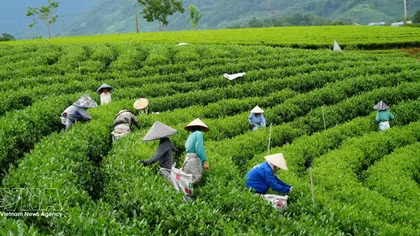
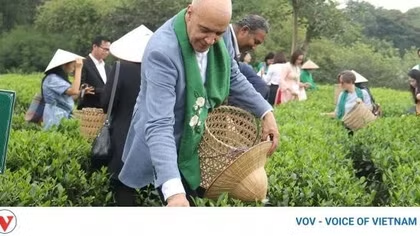
In Van Son ward, tourism is also helping farmers add value to agricultural products. The area houses nearly 900ha of tea plantations and 225ha of fruit orchards. Visitors can tour farms and experience planting, tending, and harvesting crops.
Since the beginning of the year, Van Son has welcomed hundreds of thousands of visitors, generating tourism revenue of around 600 billion VND (23.22 million USD) annually.
However, tourism development in these localities remains somewhat spontaneous, with limited variety in visitor experiences. More engaging stories about local people, landscapes, and cultural traditions, along with dedicated outlets for local farm produce and OCOP-certified products, could attract more visitors and help ensure tourism benefits spread further through rural communities.