en.vietnamplus.vn
Original Article Link Copy Link
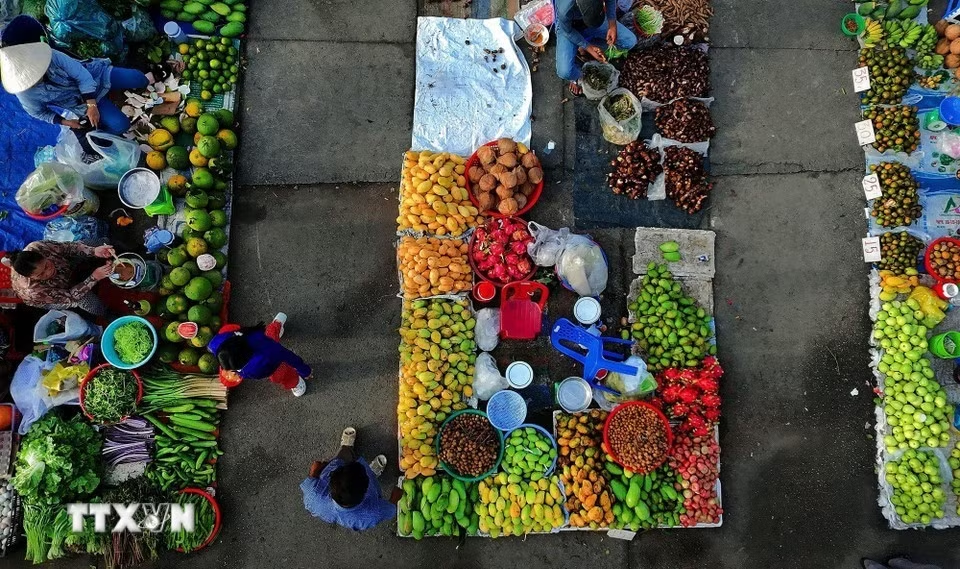
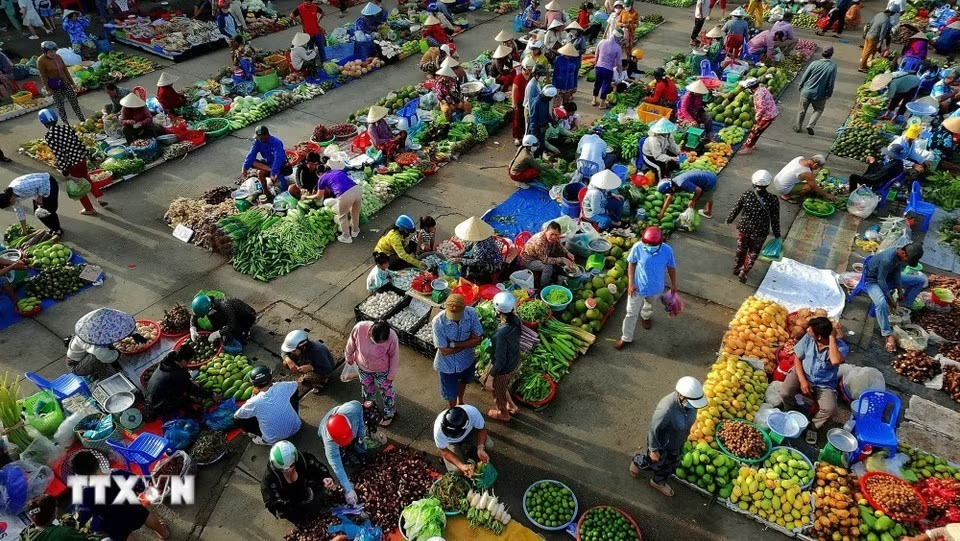
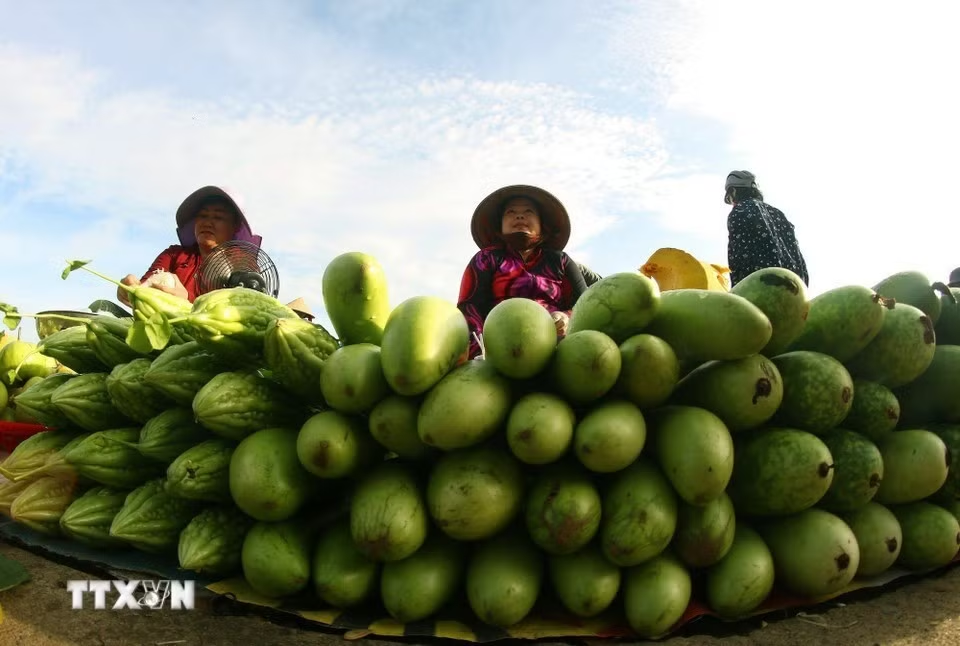
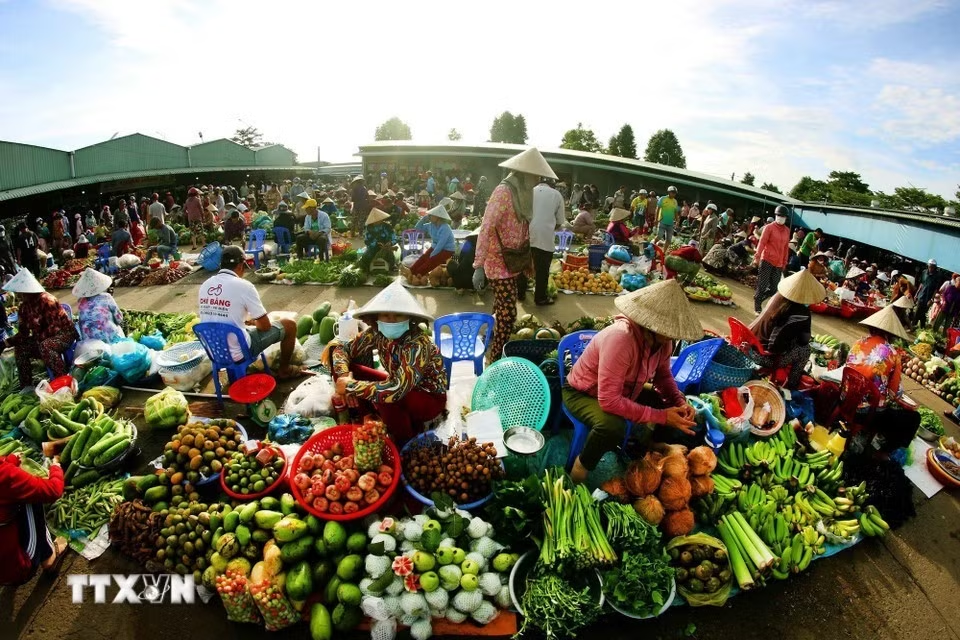
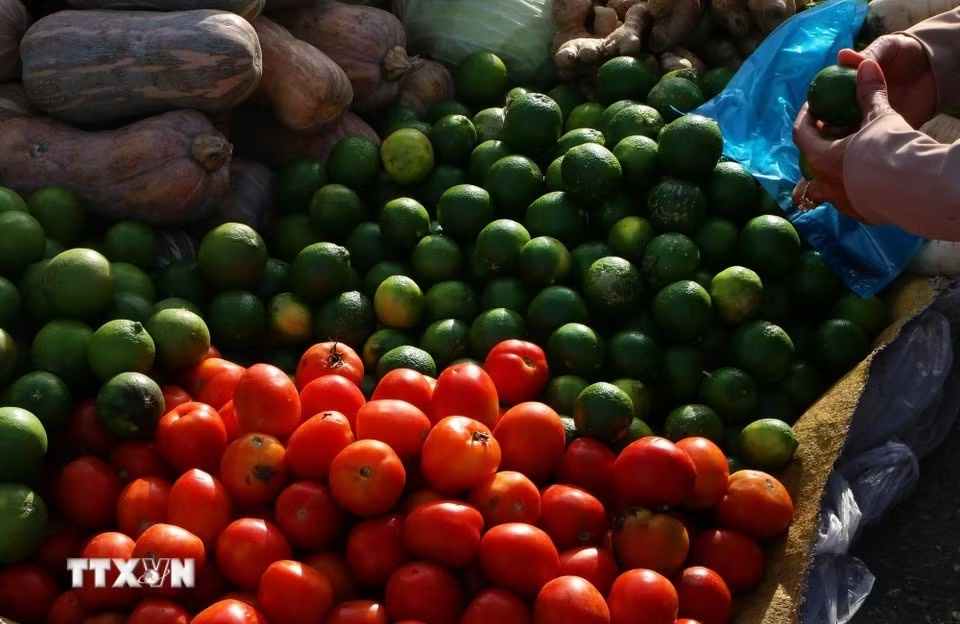
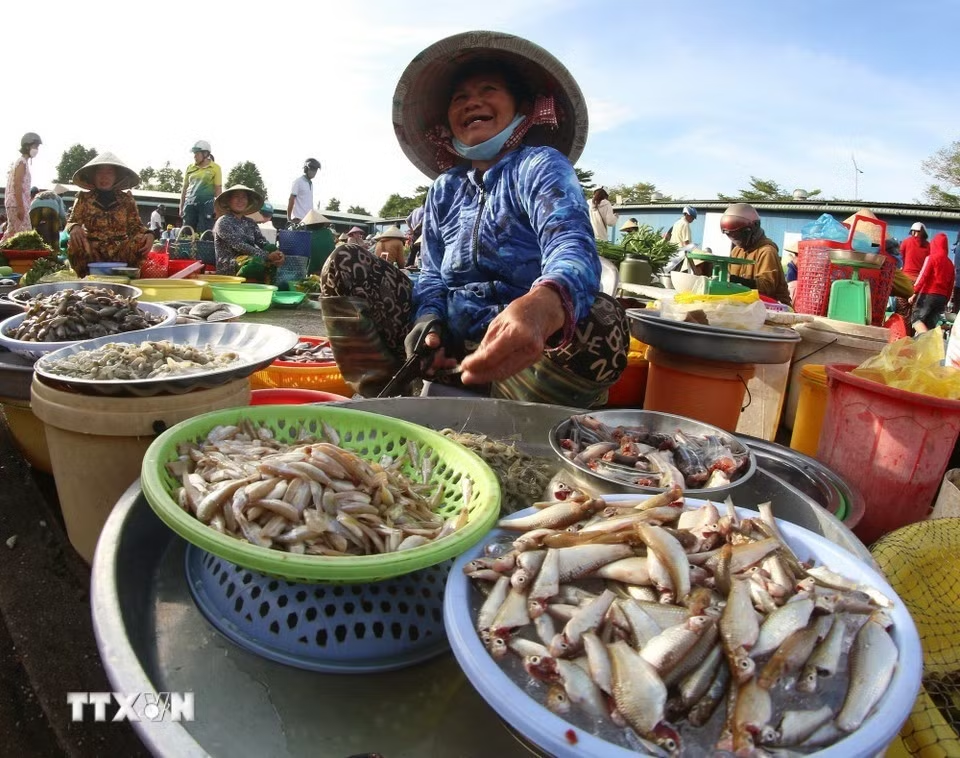
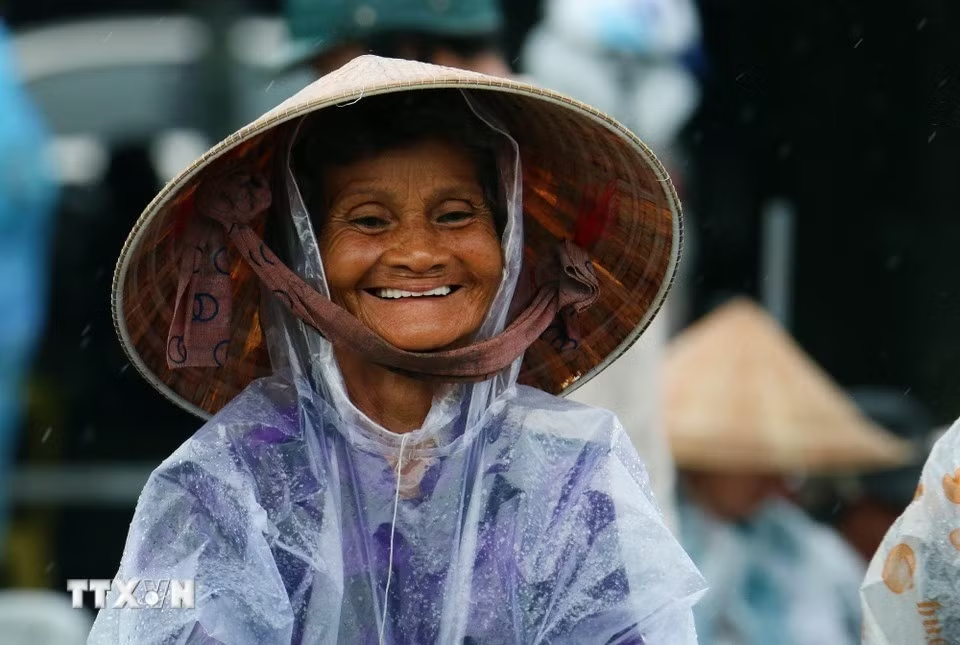
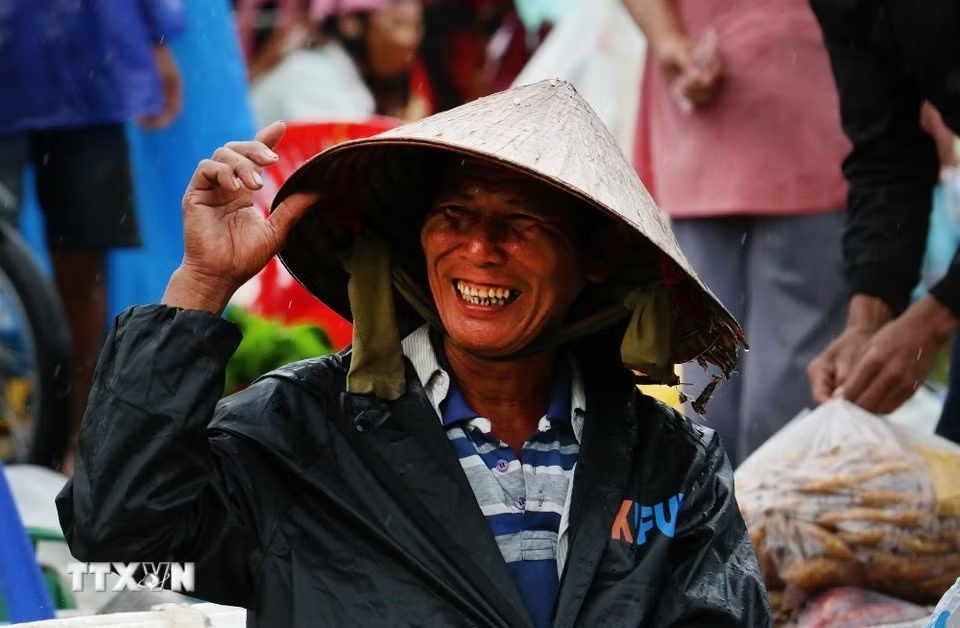
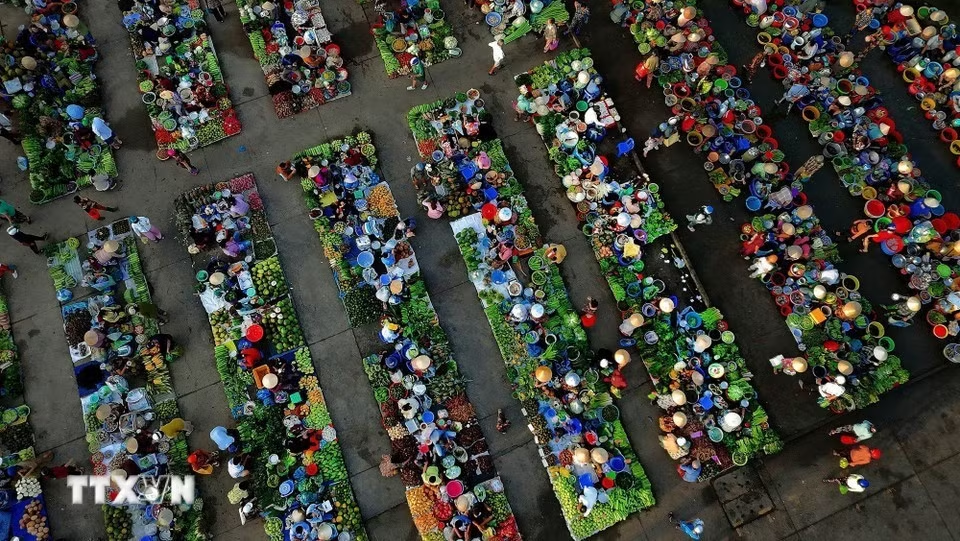
https://en.vietnamplus.vn/can-thos-countryside-market-captures-charm-of-southern-vietnam-post354009.vnp Vi Thanh’s squat market in the Mekong Delta city of Can Tho retains the simple, rustic charm of a traditional market, with vendors selling fresh produce picked from their home gardens.

Vietnam is promoting the integration of One Commune One Product (OCOP) goods into tourism services and destinations to increase their value, expand markets, and strengthen links between local producers and the tourism industry.

Lidia Brito, UNESCO Assistant Director-General for Priority Africa and External Relations, praised Vietnam’s contributions to education, science, culture and information, describing the 50-year partnership between Vietnam and UNESCO as a sustained and increasingly substantive journey.
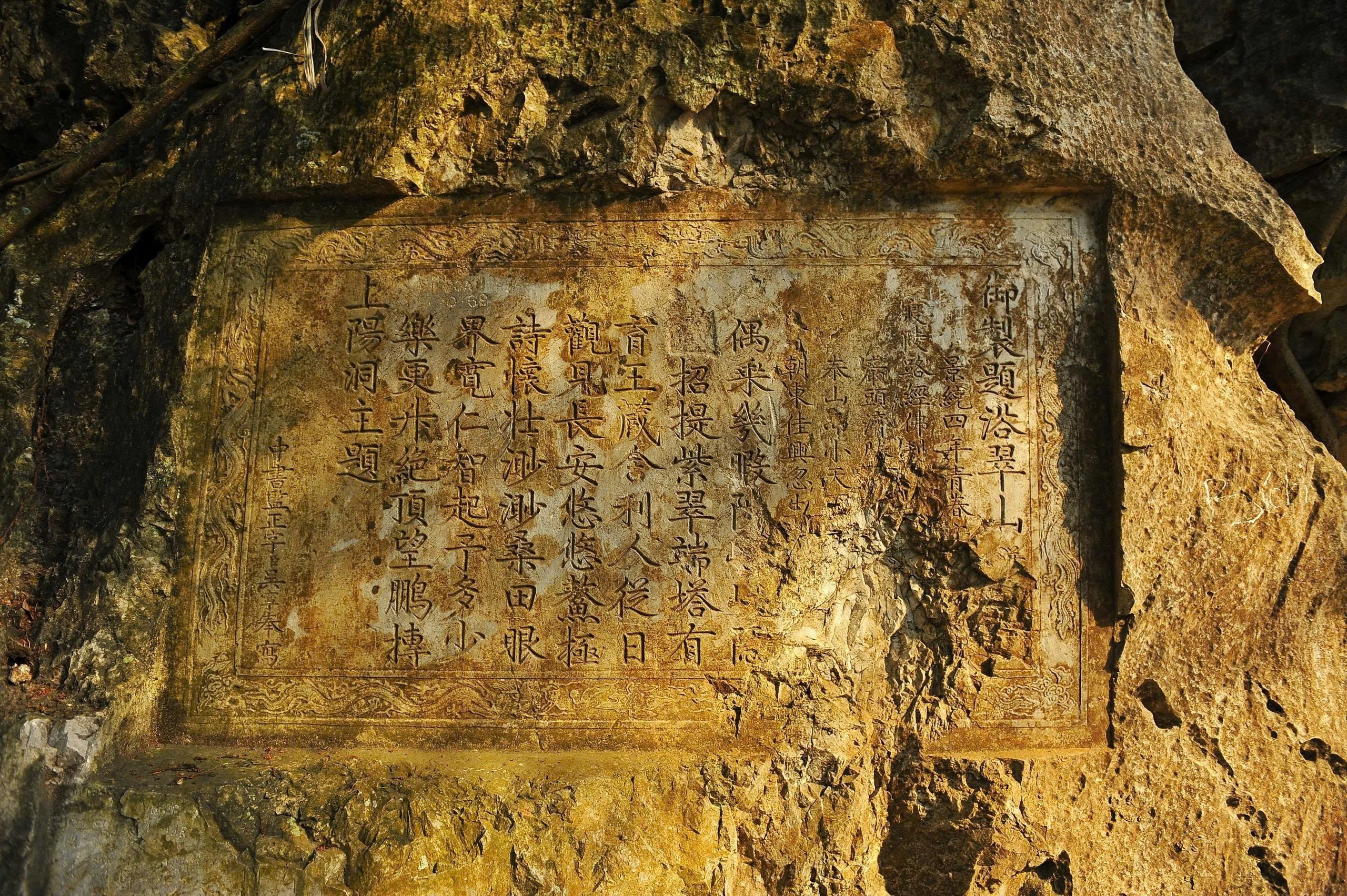
On the afternoon of November 5, at the 11th Session held in Jakarta, Indonesia, the Memory of the World Committee for Asia and the Pacific (MOWCAP) under UNESCO approved the inscription of the "Pho Hien Steles" from Hung Yen Province and the "Ma Nhai Inscriptions on Non Nuoc Mountain" from Ninh Binh Province into the Asia-Pacific Regional Register of Documentary Heritage.
A major highlight will be the “Phu Tho Culture – Connecting for Development” cultural camp, featuring 17 camps and four exhibition spaces showcasing handicrafts, products under the One Commune One Product (OCOP) programme and other local specialties.
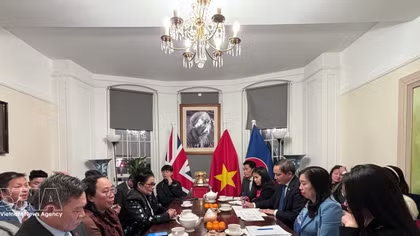
In February 2027, Tet culture and the Vietnamese language are expected to feature for the first time as the main focus on the central stage of the annual Lunar New Year event at the National Maritime Museum in the UK, part of the Maritime Greenwich World Heritage Site. The 2027 London Ao Dai Week is also expected to go ahead.
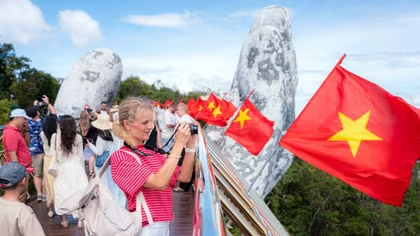
Located in central Vietnam, Da Nang is “blessed with mountains, a long city beach and a cool vibe”. The Son Tra Peninsula offers peaceful natural surroundings and panoramic sea views, while the city’s beaches provide opportunities for swimming, relaxation and outdoor activities.
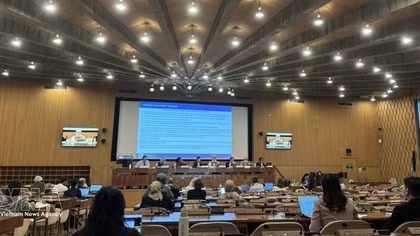
The decision reflects international recognition of Vietnam's efforts to preserve its geological, natural and cultural heritage while linking conservation with sustainable tourism development and improved livelihoods for local residents.
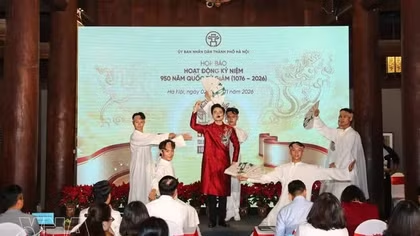
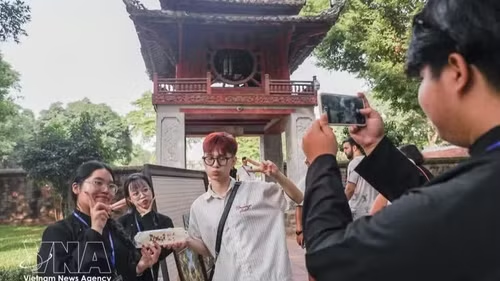
Founded in 1076 under King Ly Nhan Tong, Quoc Tu Giam played a pivotal role in Vietnam’s education and examination systems, nurturing generations of scholars and becoming a symbol of the country's intellectual and cultural heritage.
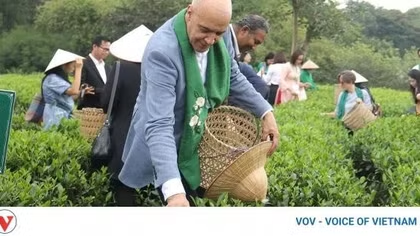
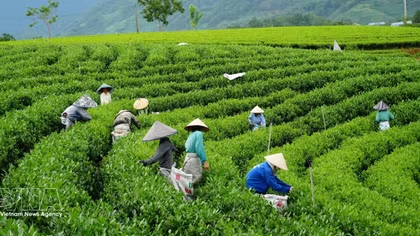
VOV.VN - Foreign diplomats in Vietnam have tried their hand at picking and pan-firing tea leaves in Vietnam’s northern Thai Nguyen province, gaining first-hand insight into the traditional craft behind the distinctive flavour of Tan Cuong tea.
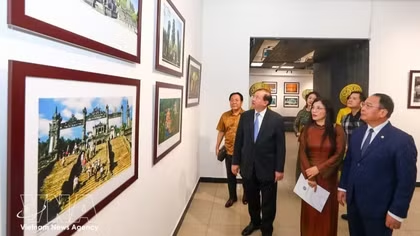
Guided by the Politburo's Resolution No. 80-NQ/TW on Vietnamese cultural development, a range of cultural activities held nationwide over the past week have highlighted efforts to preserve and promote national identity while encouraging creativity and expanding public access to culture.

Ha Long Bay boasts a unique seascape of islands and islets along with an increasingly developed tourism infrastructure and service sector, while Quang Ninh possesses favourable conditions for the growth of sailing.
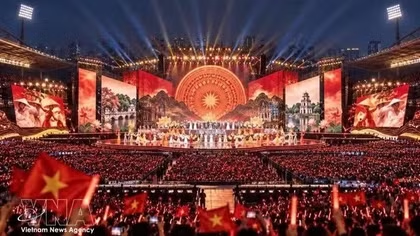
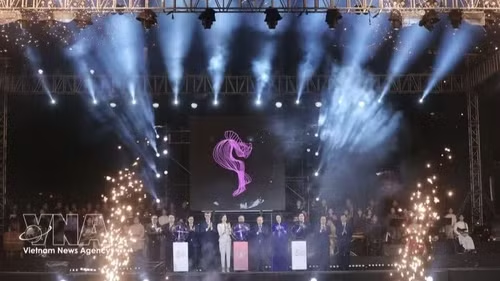
Through its performances, the concert aims to trace the evolution of Vietnamese culture from its roots to the present and future, connecting heritage values with contemporary creativity.
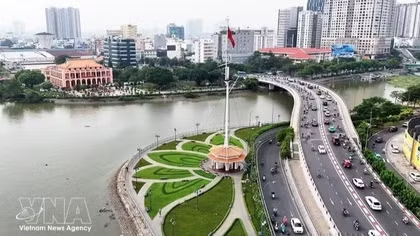
The city’s tourism sector is rolling out key measures to accelerate growth during the final push of the year. These include expanding markets and attracting both international and domestic visitors.
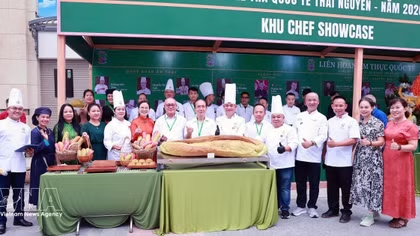
The dishes featured creative combinations of tea ingredients, including tea-roasted veal, tea-wrapped eel, tea-smoked tuna and shrimp salad with tea leaves. The creations offered visitors novel culinary experiences.

During the journey from Hanoi to Luu Xa Station in Thai Nguyen, passengers can enjoy local tea and traditional cuisine, as well as performances of Then folk singing accompanied by the Tinh lute, a traditional musical instrument of ethnic communities in northern Vietnam.
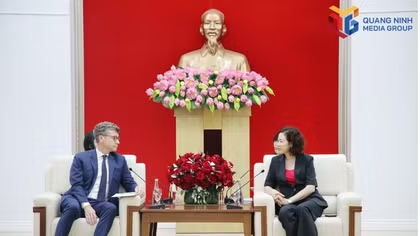
UNESCO is ready to work with Quang Ninh in priority areas such as education, culture, heritage management and promotion, science – technology, innovation, and digital transformation, which are also among the organisation’s strategic priorities in Vietnam.
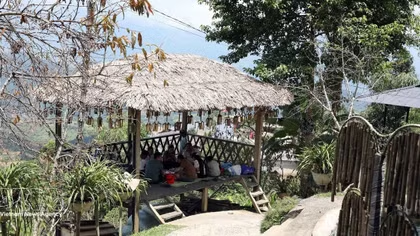
Despite difficult terrain and limited transport infrastructure, villages in Lai Chau and Son La provinces are turning their natural landscapes, distinctive cultures and rural lifestyles into tourism assets.

Through the programme, Hanoi seeks to recreate the continuous flow of Vietnamese culture from its origins to the present and future, connecting traditional heritage with contemporary creativity and combining traditional arts with modern stage technology to create a distinctive artistic space with intellectual depth and broad social resonance.
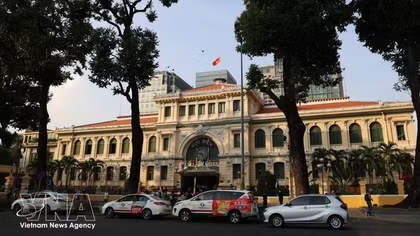
The city’s Resolution No. 62/2025/NQ-HDND on support policies for MICE tourism has provided an important framework for attracting business events through 2030. Ho Chi Minh City is targeting conferences, exhibitions and events in priority sectors such as finance, technology, innovation, logistics, healthcare, education, industry and the marine economy.
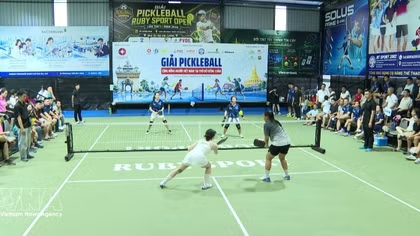
The event also helped build momentum for the 12th Congress of the Association of Vietnamese People in Vientiane, scheduled for early November, and the fourth Congress of the General Association of Vietnamese People in Laos, expected to take place in late December.