Hanoi (VNA) – Hanoi, with its thousand-year cultural legacy, possesses a rich heritage of historical and cultural value and creative potential. Today, creativity and technology are opening up new ways to harness these resources, generate added value and drive the capital’s development.
Assoc. Prof. Dr. Pham Duy Duc, former Director of the Institute of Culture and Development under the Ho Chi Minh National Academy of Politics, said the convergence of communities from ancient regions endowed Thang Long–Hanoi with a diverse heritage system worthy of its status as Vietnam’s heritage city.
Hanoi began exploring cultural industries in 2007–2008 and has since made them a development priority. The city’s Resolution No. 09-NQ/TU, issued in 2022, emphasized linking heritage preservation with development and promoting Thang Long–Hanoi’s cultural values to build a creative city.
In 2026, the city’s approach has further evolved, positioning culture as an endogenous resource and driver of growth. Politburo Resolution No. 80-NQ/TW on Vietnamese cultural development and the Hanoi Party Committee’s Program No. 08-CTr/TU highlight the need to reform cultural development mindset and methods, and to connect heritage preservation with creativity, digital transformation and cultural industries.
Nguyen Doan Van, Director of the Hanoi Monuments and Landscapes Management Board, called this approach a breakthrough that can stimulate economic growth, create more jobs, increase incomes and improve living standards.
Bringing heritage into contemporary creativity
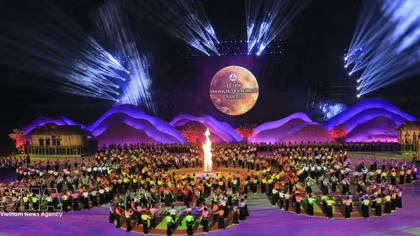
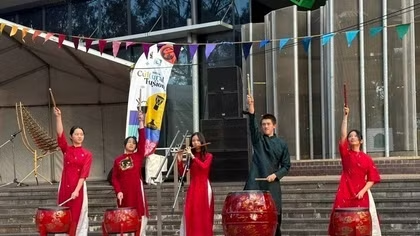
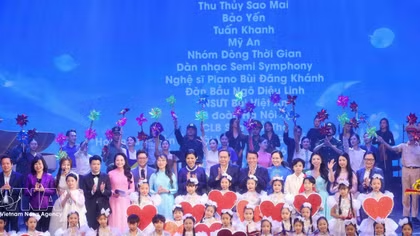
The second Thang Long–Hanoi Festival 2026, themed “Heritage Flow”, demonstrated how cultural assets can be transformed into contemporary creative products. Over 10 days, the event attracted more than 250,000 visitors, including young people and international tourists.
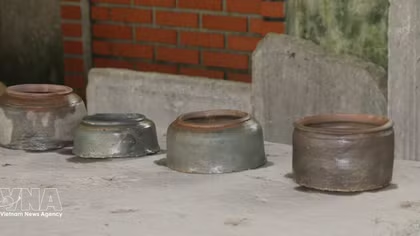
The “Sound of Ceramics” program combined pottery stories with sound, lighting, movement, dance, circus and contemporary performance. Musical instruments made from traditional ceramics debuted, bringing a traditional craft into the performing arts and creating new opportunities for experiential tourism.
Another program, “Connecting Heritage – Creating the Future”, revisited history through a musical journey across time and space. Precious musical artifacts from the Hanoi Museum’s collections were also introduced in an interactive setting.
The “Colors of Hanoi” fashion show presented heritage-inspired designs, including a collection of “Ao dai” (Vietnam’s traditional dress) by designer Cao Minh Tien incorporating materials from the nearly 400-year-old Phu Vinh bamboo and rattan weaving craft village.
Tien said young designers' growing interest in incorporating traditional culture into contemporary fashion is helping preserve heritage while creating cultural and economic value.
Digital technology and youth drive innovation
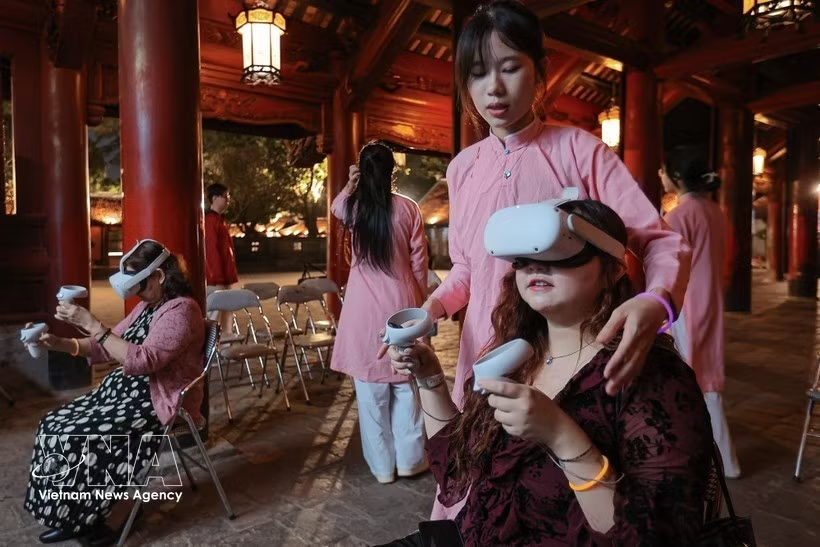
The Temple of Literature is among Hanoi’s leading examples of applying digital technology to heritage preservation and promotion.
Dr Duong Ngoc Ha, Deputy Director of the center for cultural and scientific activities at the site, said nearly a decade of digitalization has transformed technology from a preservation tool into a way to interpret heritage and help visitors explore cultural values.
Interactive touchscreens presenting designs and inscriptions on the 82 doctoral laureates’ steles, a heritage education software, and the 3D mapping film “Cultivating talents”, launched on September 18, 2026, have helped make the historic site more accessible to the public.
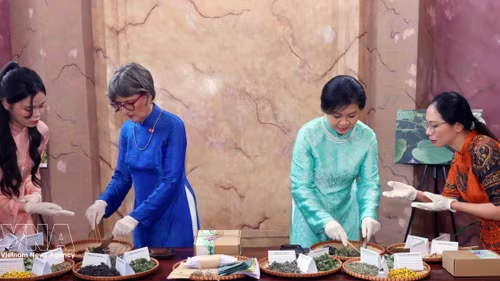
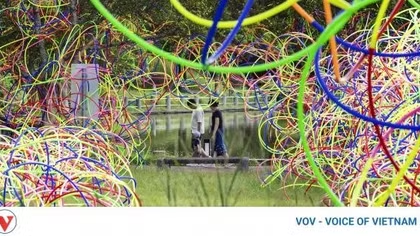
Young entrepreneurs are also developing new approaches. Zero Gallery, for instance, offers multisensory cultural experiences in exploring Vietnamese spices and pho. Its installations combine imaginative storytelling with projection technology and sensors that release the aromas of traditional ingredients such as cinnamon, black cardamom and coriander.
Foreigners account for 25–30% of its visitors, highlighting the potential of interactive cultural spaces. The team hopes to expand the model into cultural day tours in Hanoi and other localities, eventually introducing it to international audiences. These initiatives show how creativity can bring heritage closer to contemporary life. When innovation deepens understanding of traditional values rather than replacing them, heritage becomes not only something to preserve but also a resource for sustainable tourism, economic development, and reinforcement of Hanoi’s position as a UNESCO Creative City.