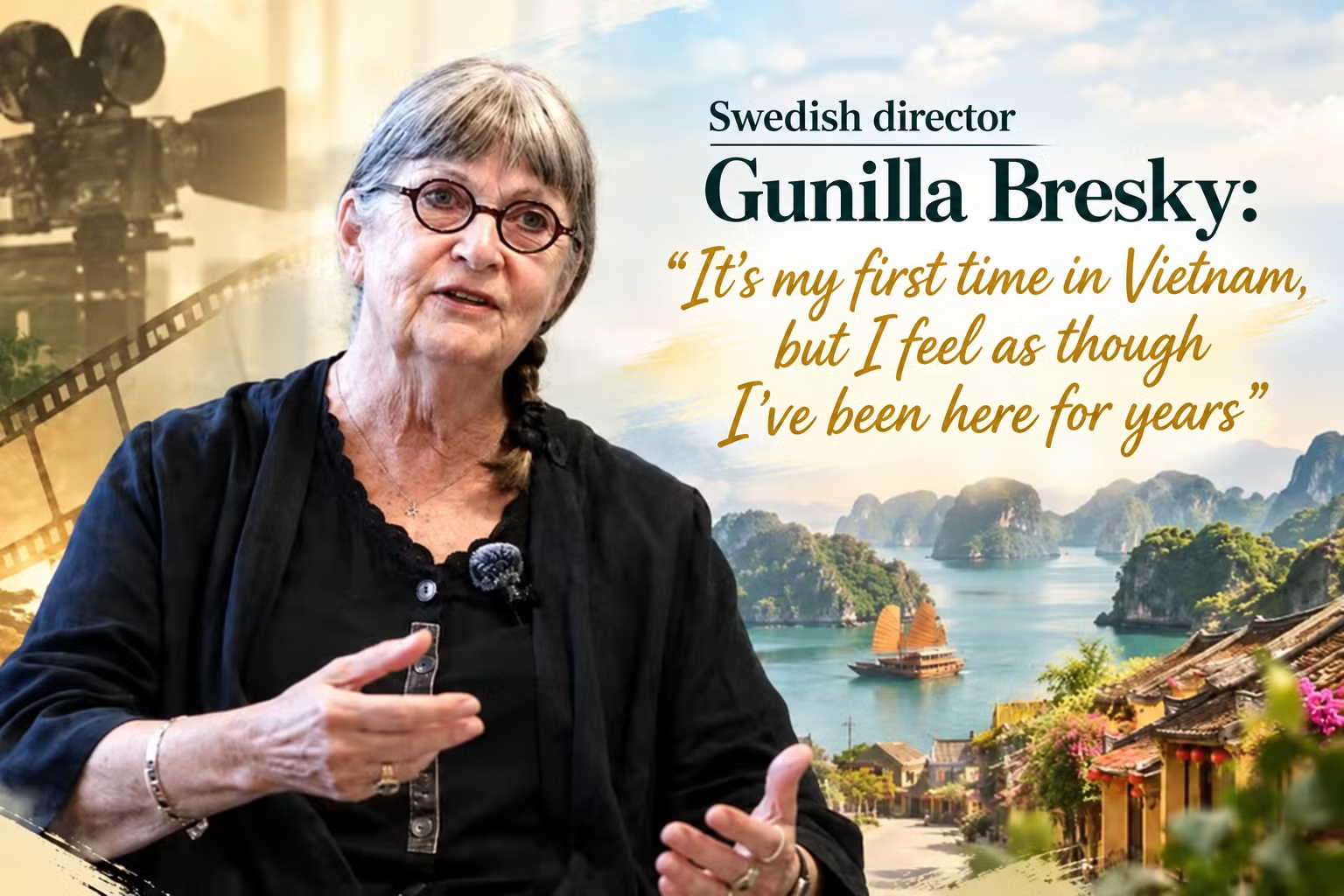
Through her visits to Vietnam and her determination to speak out about the war, writer Sara Lidman helped many Swedes better understand what was happening in the country. More than 60 years later, director Gunilla Bresky has brought her story back to Vietnam at the 16th European–Vietnamese Documentary Film Festival. Her film, “Sara and the Lives of Others,” carries with it many remarkable stories about the writer and the making of the documentary.
Reporter: You made a film about Vietnam before ever visiting the country. How do you feel about Vietnam on your first trip to the country?
Director Gunilla Bresky: My visit this time to Vietnam to present the documentary has become my very special experience. Hanoi has welcomed me with its lush green trees, its distinctive bustle of motorbikes, wonderful food, and the warmth and hospitality of its people.
This is my first time in Vietnam, but I feel as though I’ve been here for years through reading the books of my friend Sara, who is also the subject of “Sara and the Lives of Others”.
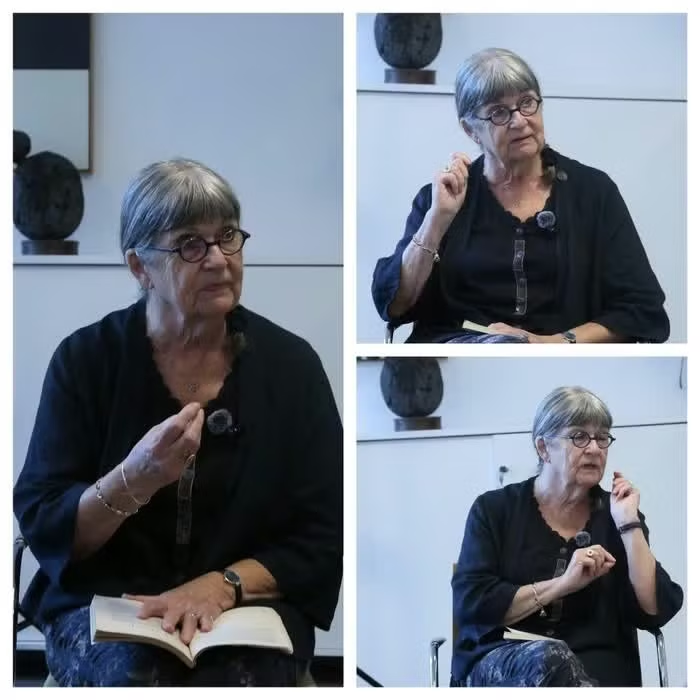
Sara visited Vietnam five times, beginning in 1965. She met many people, perhaps your grandparents, and wrote numerous articles and books. Her impressions of the people and of the war in Vietnam at the time are also conveyed in the film. I am deeply grateful and moved to have the opportunity to come here and introduce her story to you.
Reporter: What led you to make a film about Sara Lidman and her love for Vietnam?
Director Gunilla Bresky: Sara Lidman was a renowned Swedish writer and social activist. She had a remarkable gift for giving a voice to people who were often unheard. Her life’s work was bound up with an unwavering commitment to justice and human rights.
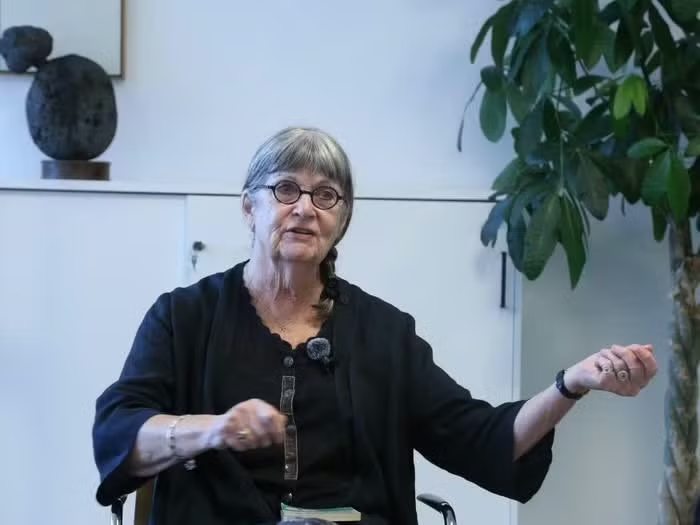
I first met Sara in 1971. I was fortunate enough to drive her on a lecture tour across Sweden. During that trip, she spoke passionately about her visits to Vietnam and what she had experienced there. Her insights into the resilience, dignity and culture of the Vietnamese people during the war had a profound impression on me. They offered a perspective very different from the images presented by Western media at that time.
Reporter: Why did you choose Sara’s personal diaries as the film’s main narrative, rather than her published books?
Director Gunilla Bresky: I chose the diaries Sara kept while she was in Vietnam because those daily entries preserve her honesty and her most immediate, unfiltered emotions, qualities that edited literary works cannot always convey in the same way.
Reporter: How did you bring Sara Lidman’s story to the screen while preserving that spirit?
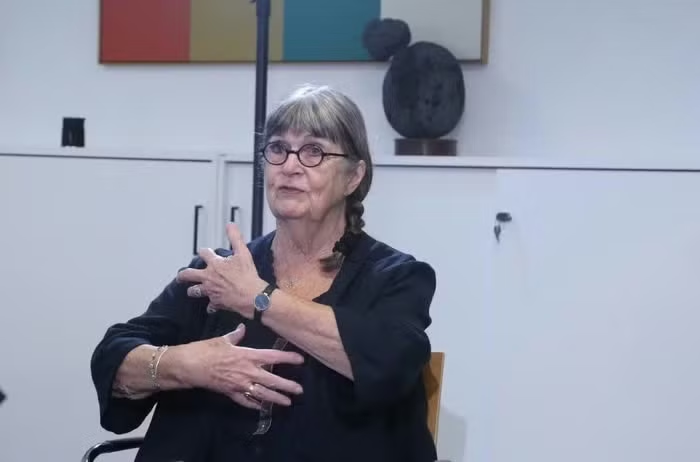
Director Gunilla Bresky: The film is built entirely around Sara’s personal diaries. I came from a radio background and spent many years working at Sweden’s national broadcaster, so I paid particular attention to the rhythm of the sound, the sound design and the structure of the story. I wanted audiences to experience the war and Vietnamese culture through Sara’s own deeply personal and emotional perspective.
After Sara passed away, we searched for and invited the only actress in Sweden whose northern Swedish accent closely matched hers. She read Sara’s private diary entries and voiced the archival footage, so that audiences could feel as though Sara herself were speaking to them.
Reporter: The film’s music was highly regarded and received a nomination for the “Best Original Score” at Sweden’s Guldbagge Awards in 2020. How was the score made?
Director Gunilla Bresky: To honour the scale of Sara’s legacy, we invited the Norrlandsoperan Symphony Orchestra to perform the film’s music. The orchestra is based in Umeå, where Sara lived during the final years of her life.
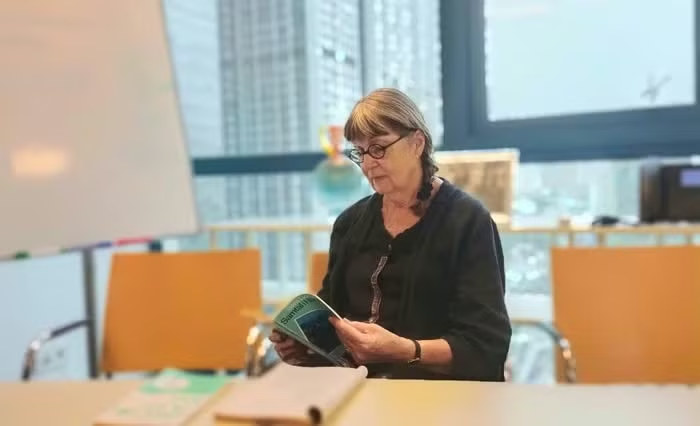
Reporter: As an independent documentary filmmaker, did you face many challenges in making Sara and the Lives of Others? What was the biggest?
Director Gunilla Bresky: There were many challenges, but the biggest was always funding. A project that seems as though it should take one year can stretch to four, with three of those years spent looking for financing. Filming on location also brings constant uncertainties. Schedules have to change according to circumstances and the availability of the people involved.
Reporter: On a personal level, what did making this film mean to you? Did it change you in any way?
Director Gunilla Bresky: Making this film allowed me to reconnect with the romantic spirit and ideals of my youth—a time when young people like us sincerely believed we could change the world for the better.
Reporter: Thank you for speaking with us!
Released in 2019, the 75-minute documentary Sara and the Lives of Others portrays Swedish writer Sara Lidman. The film has received recognition in Sweden and internationally, including a nomination for Best Original Score at Sweden’s 2020 Guldbagge Awards and the 2020 Gemma Firsova Award for Best Film on a Social and Philosophical Theme. It has also received other nominations and awards at film festivals in Sweden and abroad.
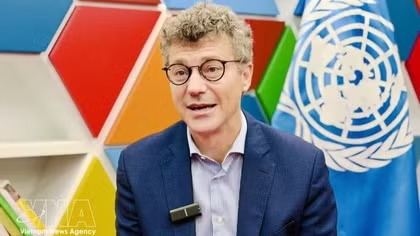
Swedish Ambassador to Vietnam Johan Ndisi said: “Sara Lidman’s story reminds us that the relationship between Sweden and Vietnam is found not only in history books or diplomatic documents. It has also been shaped by people meeting, listening to and caring about one another.
Sara Lidman’s bond with Vietnam became part of her life. It also helped many Swedes see Vietnam and its people in a different light.
Today, Gunilla Bresky has brought that story back to Vietnam, opening a new opportunity for people from our two countries to connect through cinema, history and deeply human stories”.
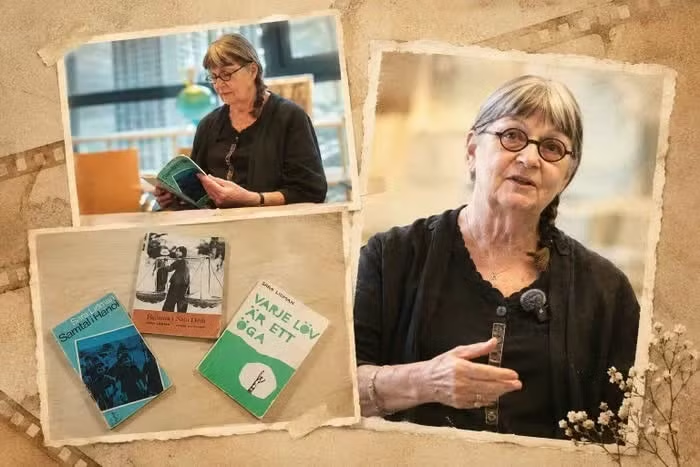
Among the items Gunilla Bresky brought with her to Vietnam are three time-worn books by the late Sara Lidman, containing many passages about Vietnam more than half a century ago.