Sa Pa: A mountainous land blossoming in all four seasons

Alongside efforts to preserve the cultural identity of local ethnic communities, Sa Pa ward in the northern mountainous province of Lao Cai is accelerating digital transformation, developing smart urban services and upgrading infrastructure and public spaces to build a green, culturally distinctive and smart urban area.

Alongside efforts to preserve the cultural identity of local ethnic communities, Sa Pa ward in the northern mountainous province of Lao Cai is accelerating digital transformation, developing smart urban services and upgrading infrastructure and public spaces to build a green, culturally distinctive and smart urban area.

The development is aligned with the Political Bureau's key resolutions on science and technology, cultural development and tourism development, to promote sustainable growth while preserving local identity.
1-1817.jpg
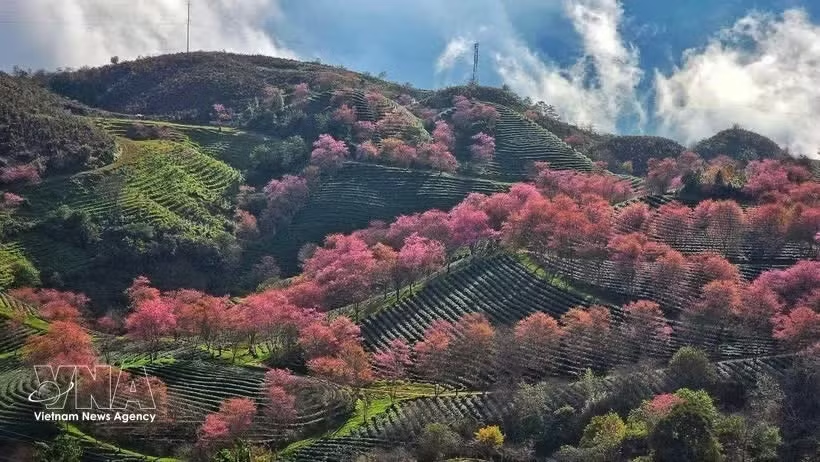
Sa Pa in full bloom as cherry blossoms herald the season. (Photo: VNA)

Preserving identity through smart development

According to To Ngoc Lien, Secretary of the Sa Pa Ward Party Committee, the ward considers science and technology, innovation and digital transformation as key priorities, linking them with the digital administration, the digital economy and the digital society.

The locality has introduced a digital tourism platform on its website and Sa Pa Tour application, smart parking and cashless payment services. All OCOP (One Commune, One Product) products have been equipped with electronic traceability labels and listed on e-commerce platforms.

Since September, four information kiosks and public Wi-Fi hotspots have been installed. The network can support more than 2,000 simultaneous connections, allowing visitors to access information about destinations, maps, accommodation, restaurants and local services through interactive touchscreens.

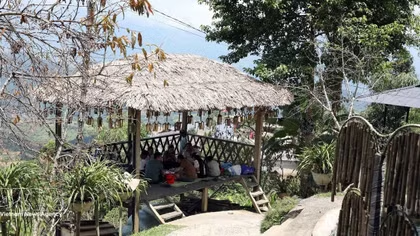
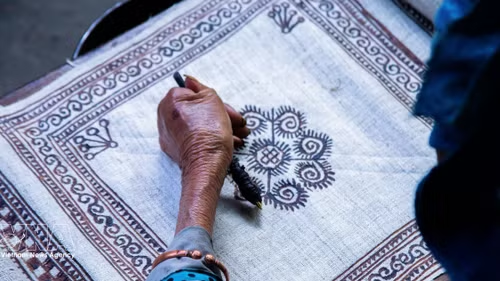
Cultural preservation remains another priority. Sa Pa has maintained its cultural space, showcasing the traditions of five ethnic groups: Dao, Mong, Tay, Xa Pho and Giay. Operated by the Community Connection Culture Cooperative, the venue features traditional houses, kitchens, blacksmithing, brocade embroidery and basket weaving.

Hoang Thi Vuong, chairwoman and general director of the cooperative, said residents are directly involved in introducing and performing traditional cultural activities for visitors, while the cooperative coordinates operations and ensures service quality.

Culture and digital transformation have helped boost tourism. During 2020-2025, visitor numbers grew by an average of around 20% annually. In the first nine months of 2026, Sa Pa welcomed more than 3.55 million visitors and earned over 22.47 trillion VND (880.7 million USD) in tourism and service revenue.

Building a land of flowers blooming all year round

With its cool climate and distinctive natural scenery, Sa Pa is also pursuing a 2026-2029 plan to develop the locality into a “land of flowers”.

The plan envisages nearly 20,000 sq.m of flower landscapes in public spaces, streets, offices, schools, service establishments and residential areas. Local authorities will develop nurseries, expand flower-lined streets and combine perennial ornamental plants with seasonal flowers, encouraging the community's participation in planting and maintenance.
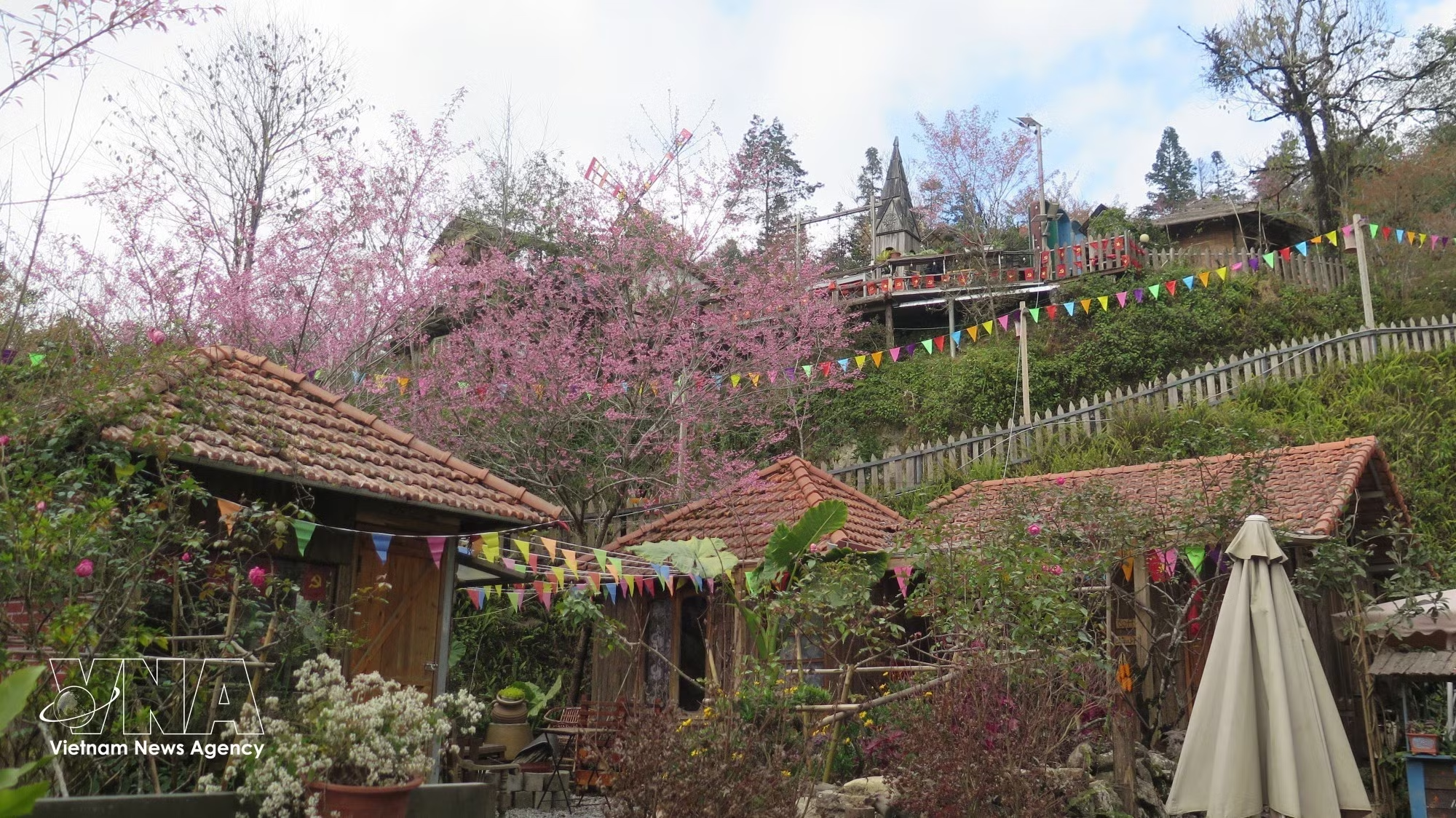
With its cool climate and distinctive natural scenery, Sa Pa is also pursuing a 2026-2029 plan to develop the locality into a “land of flowers”. (Photo: VNA)

Launched in August, the Green Sa Pa programme has also been implemented regularly through environmental clean-ups, urban improvements, tree planting and waste treatment.

Cao Ba Quy, Chairman of the Sa Pa People's Committee, said local authorities, residential areas, businesses and residents all have important roles in maintaining a clean, green and civilised urban environment. Visitors are also encouraged to help promote Sa Pa's positive image.

According to Pham Cao Vy, Chairman of the Lao Cai Tourism Association, the programme will help protect the environment and preserve and enhance the values underpinning Sa Pa's tourism brand.

Recently, the locality launched 13 infrastructure projects covering transport connections, urban renovation, schools and community cultural houses, with total investment exceeding 420 billion VND. Three urban improvement projects worth more than 6 billion VND are scheduled for completion in the first half of 2027.

Through these initiatives, Sa Pa aims to create a modern, environmentally friendly destination where cultural identity, natural beauty and flowers in every season combine to offer visitors memorable experiences.

en.vietnamplus.vn

Other News

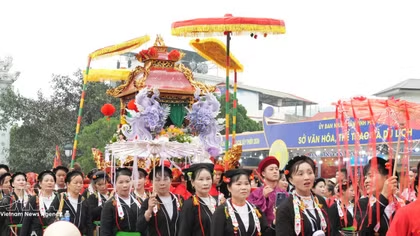
Traditional attire reflects Cham Muslim cultural identity

Traditional attire reflects Cham Muslim cultural identity

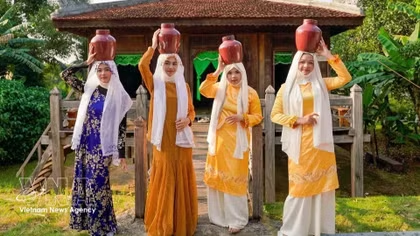
The Cham, one of Vietnam’s 54 ethnic groups, have a rich cultural heritage, with Muslim communities concentrated in An Giang province and other southern localities. Their traditional clothing, distinguished by diverse styles, colours and fabrics, reflects Islamic beliefs, modesty and aesthetics while preserving a cultural identity passed down through generations.

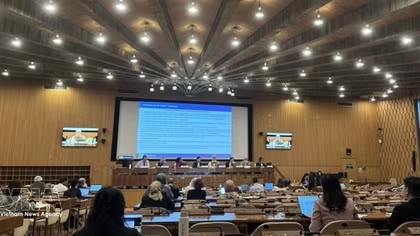
UNESCO expects Vietnam to lead cultural cooperation initiatives

UNESCO expects Vietnam to lead cultural cooperation initiatives

Lidia Brito, UNESCO Assistant Director-General for Priority Africa and External Relations, praised Vietnam’s contributions to education, science, culture and information, describing the 50-year partnership between Vietnam and UNESCO as a sustained and increasingly substantive journey.

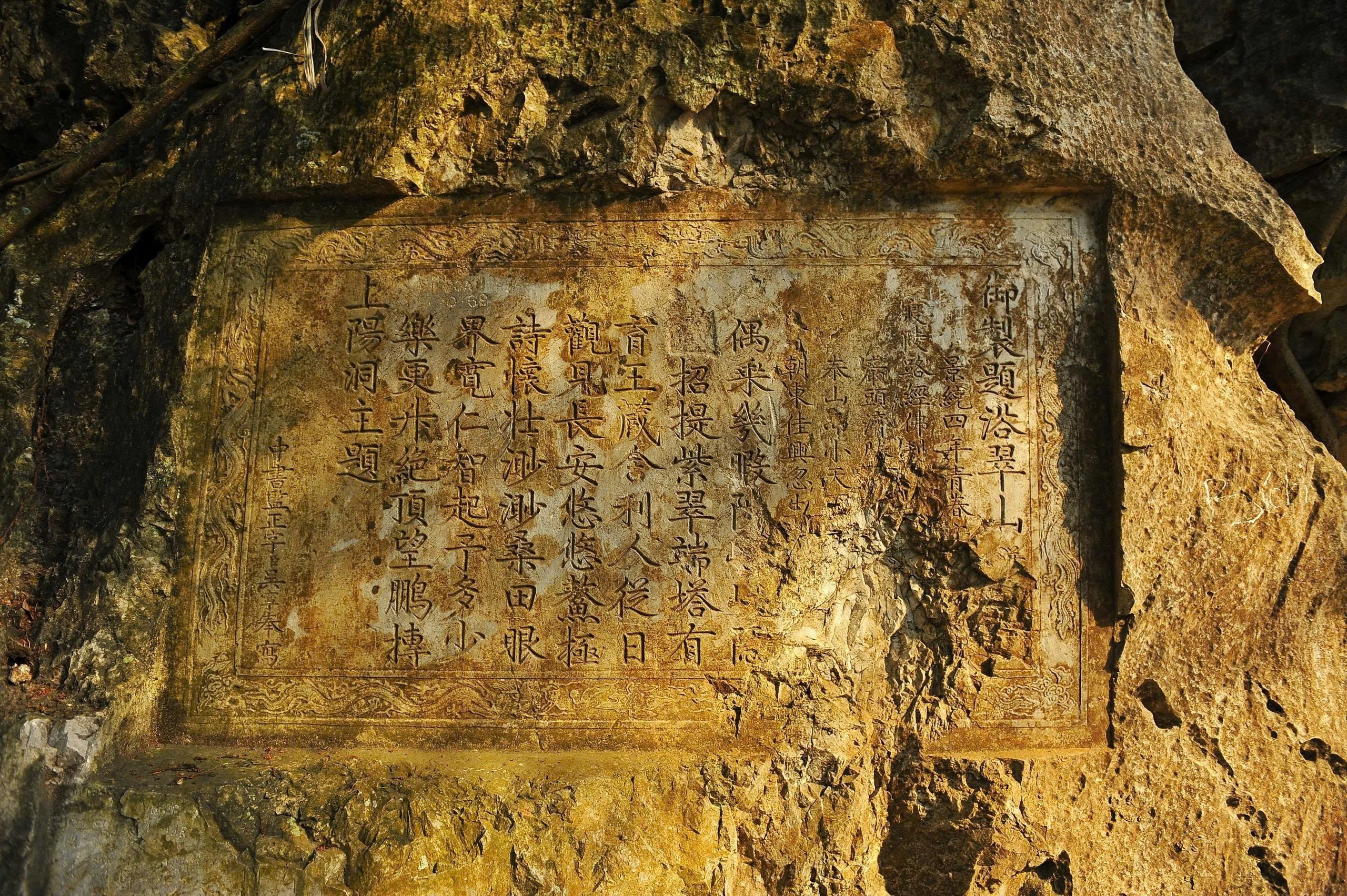
UNESCO recognizes 'Pho Hien Steles' and 'Ma Nhai Inscriptions on Non Nuoc Mountain'

UNESCO recognizes 'Pho Hien Steles' and 'Ma Nhai Inscriptions on Non Nuoc Mountain'

On the afternoon of November 5, at the 11th Session held in Jakarta, Indonesia, the Memory of the World Committee for Asia and the Pacific (MOWCAP) under UNESCO approved the inscription of the "Pho Hien Steles" from Hung Yen Province and the "Ma Nhai Inscriptions on Non Nuoc Mountain" from Ninh Binh Province into the Asia-Pacific Regional Register of Documentary Heritage.

Vietnamese community in the UK preserves cultural identity

Vietnamese community in the UK preserves cultural identity

In February 2027, Tet culture and the Vietnamese language are expected to feature for the first time as the main focus on the central stage of the annual Lunar New Year event at the National Maritime Museum in the UK, part of the Maritime Greenwich World Heritage Site. The 2027 London Ao Dai Week is also expected to go ahead.

Foreign diplomats experience tea picking in Thai Nguyen

Foreign diplomats experience tea picking in Thai Nguyen

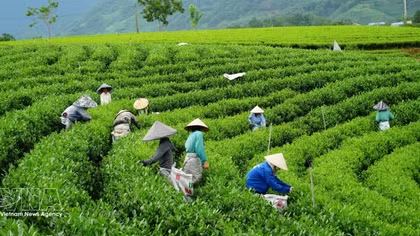
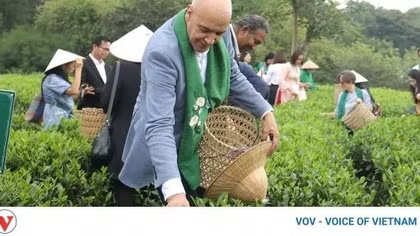
VOV.VN - Foreign diplomats in Vietnam have tried their hand at picking and pan-firing tea leaves in Vietnam’s northern Thai Nguyen province, gaining first-hand insight into the traditional craft behind the distinctive flavour of Tan Cuong tea.

Localities work to enrich vitality of Vietnamese culture

Localities work to enrich vitality of Vietnamese culture

Guided by the Politburo's Resolution No. 80-NQ/TW on Vietnamese cultural development, a range of cultural activities held nationwide over the past week have highlighted efforts to preserve and promote national identity while encouraging creativity and expanding public access to culture.

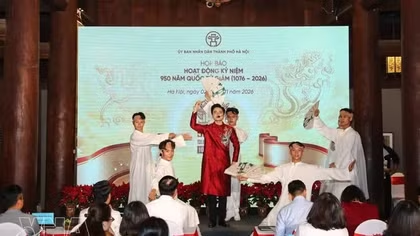
Hanoi to stage special arts programme for Vietnam Culture Day

Hanoi to stage special arts programme for Vietnam Culture Day

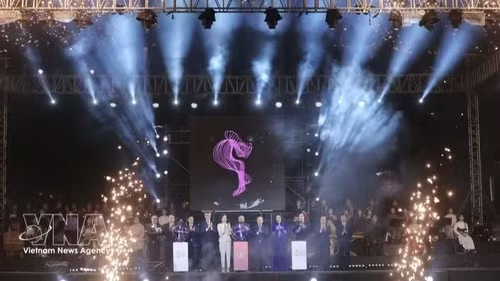
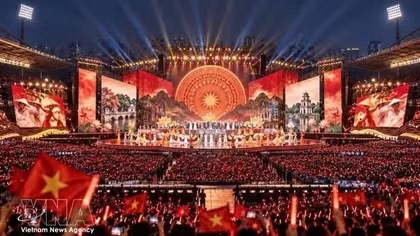
Through the programme, Hanoi seeks to recreate the continuous flow of Vietnamese culture from its origins to the present and future, connecting traditional heritage with contemporary creativity and combining traditional arts with modern stage technology to create a distinctive artistic space with intellectual depth and broad social resonance.

Ho Chi Minh City builds global tourism brand as megacity

Ho Chi Minh City builds global tourism brand as megacity

The city’s Resolution No. 62/2025/NQ-HDND on support policies for MICE tourism has provided an important framework for attracting business events through 2030. Ho Chi Minh City is targeting conferences, exhibitions and events in priority sectors such as finance, technology, innovation, logistics, healthcare, education, industry and the marine economy.