en.vietnamplus.vn
Original Article Link Copy Link
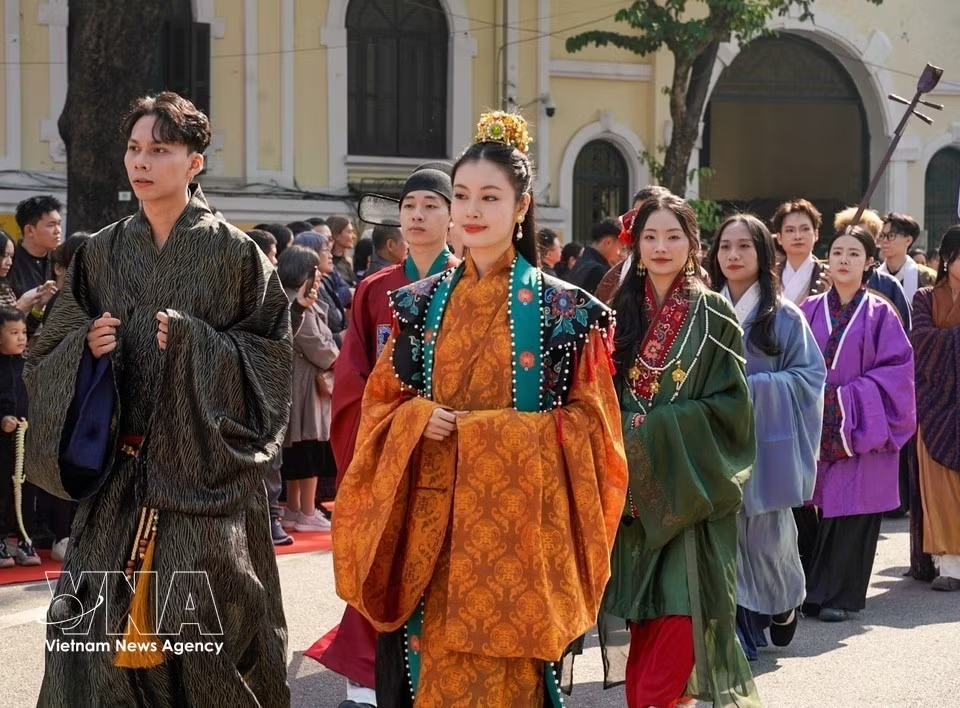
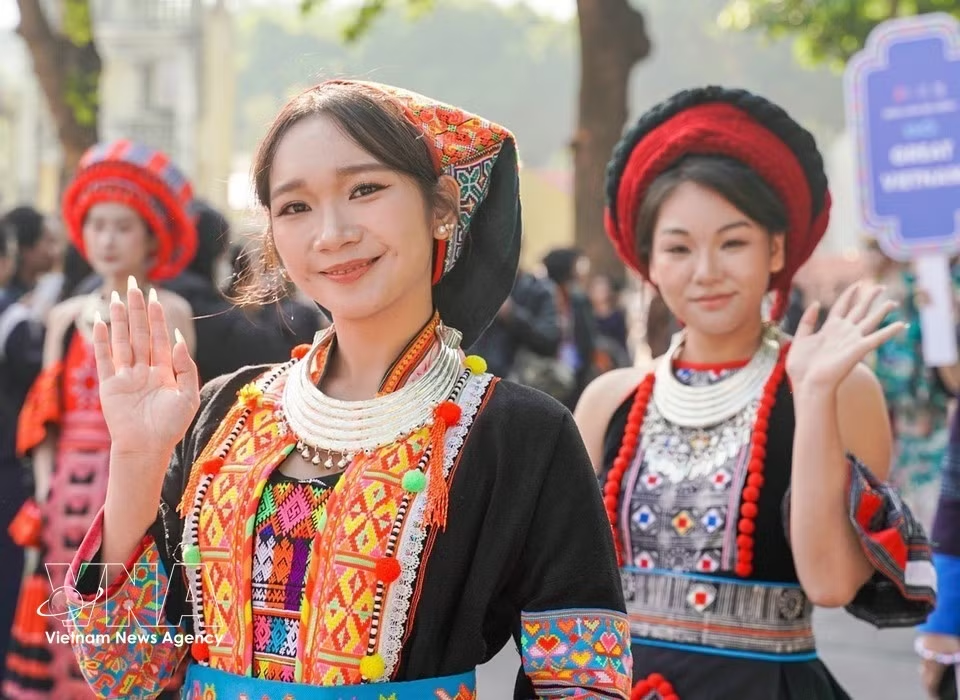
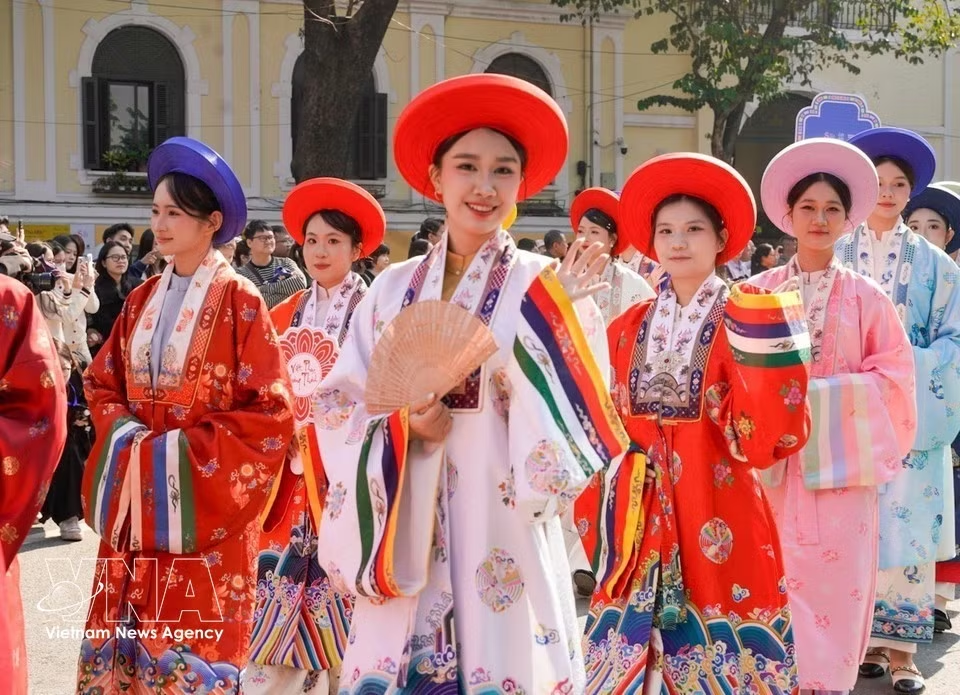
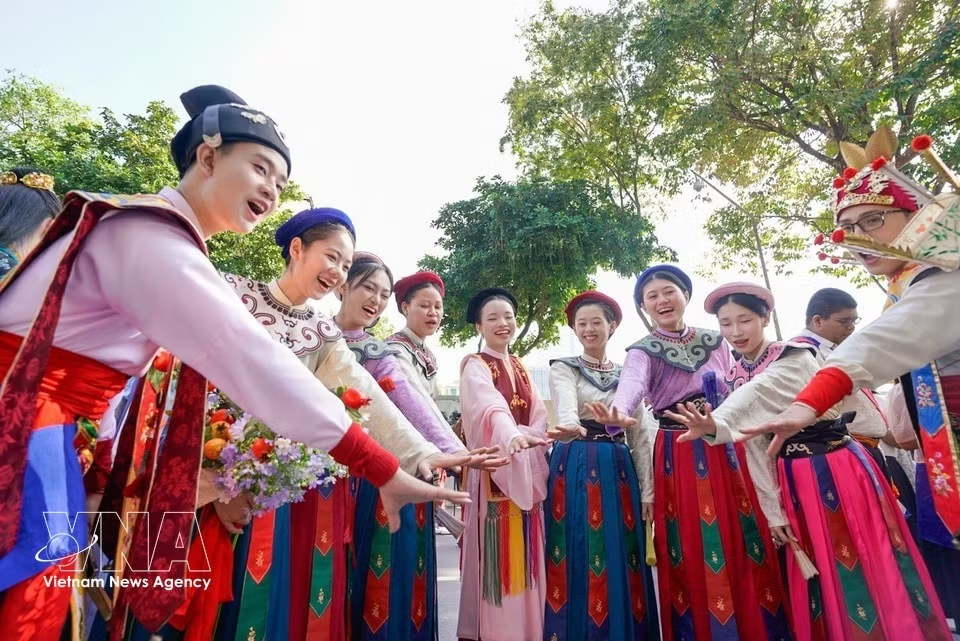
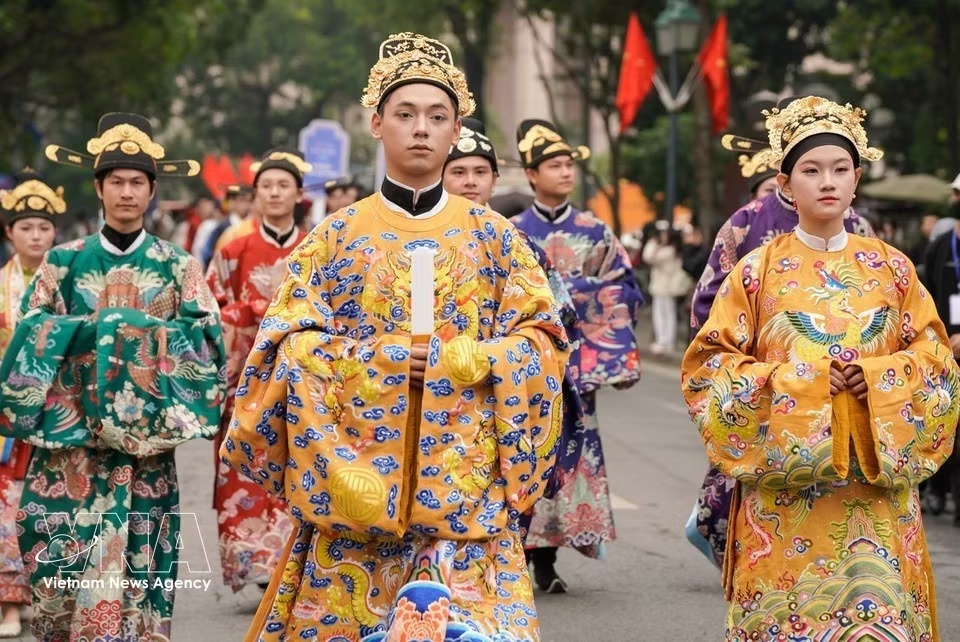
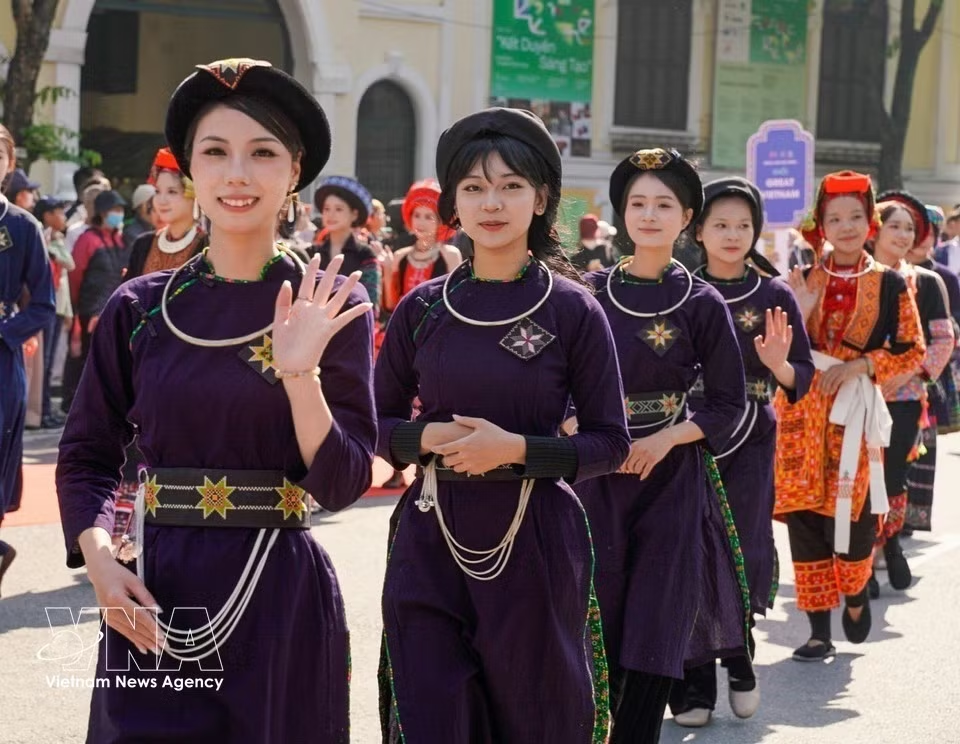
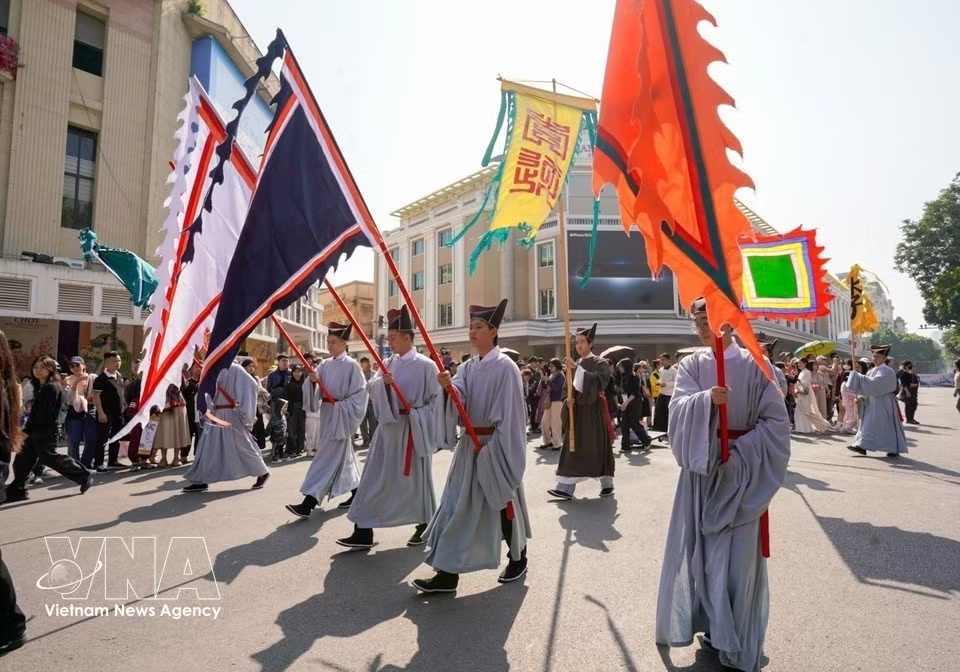
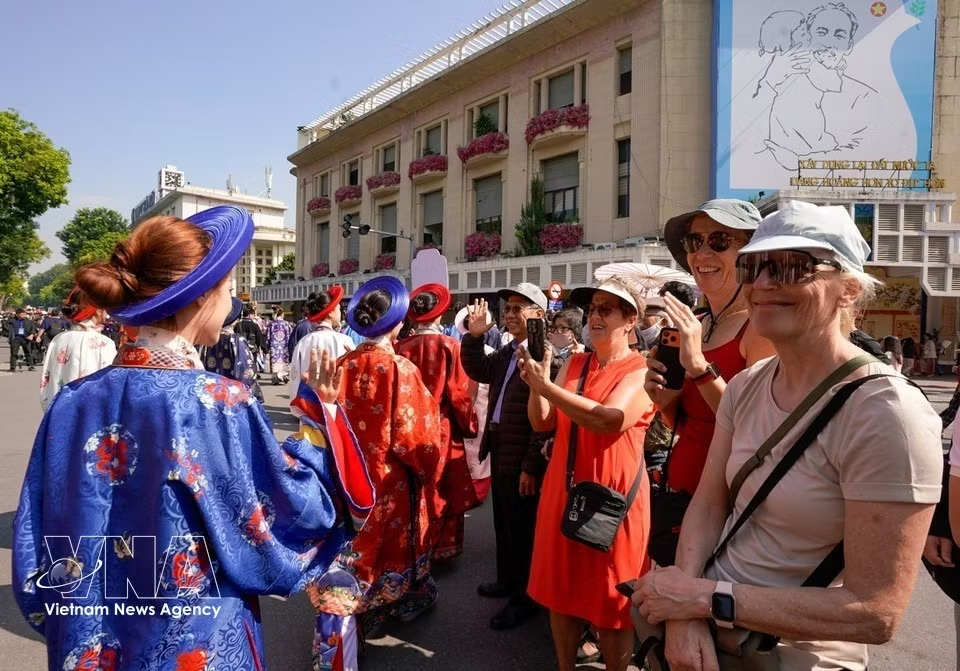
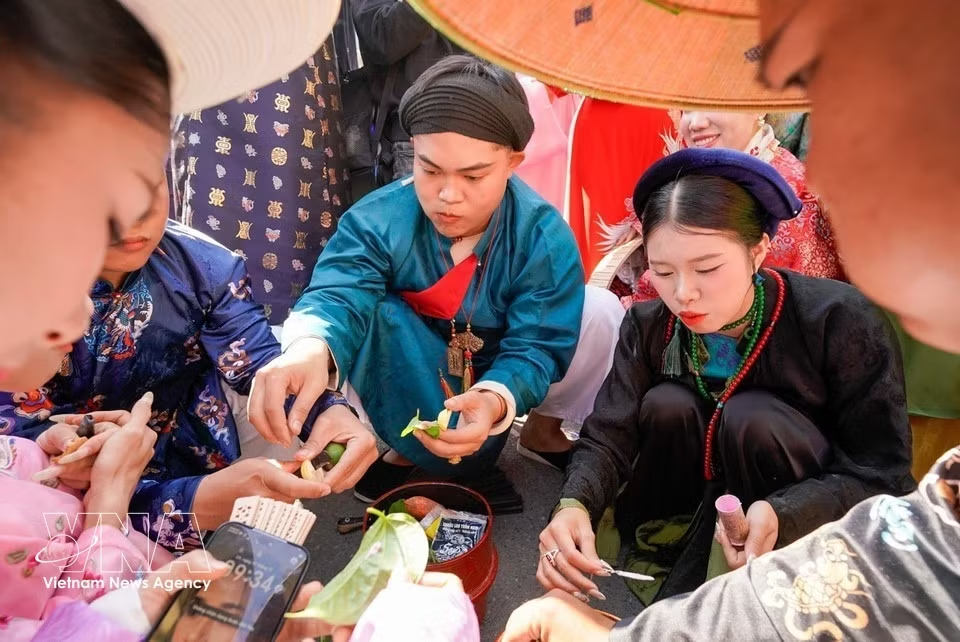
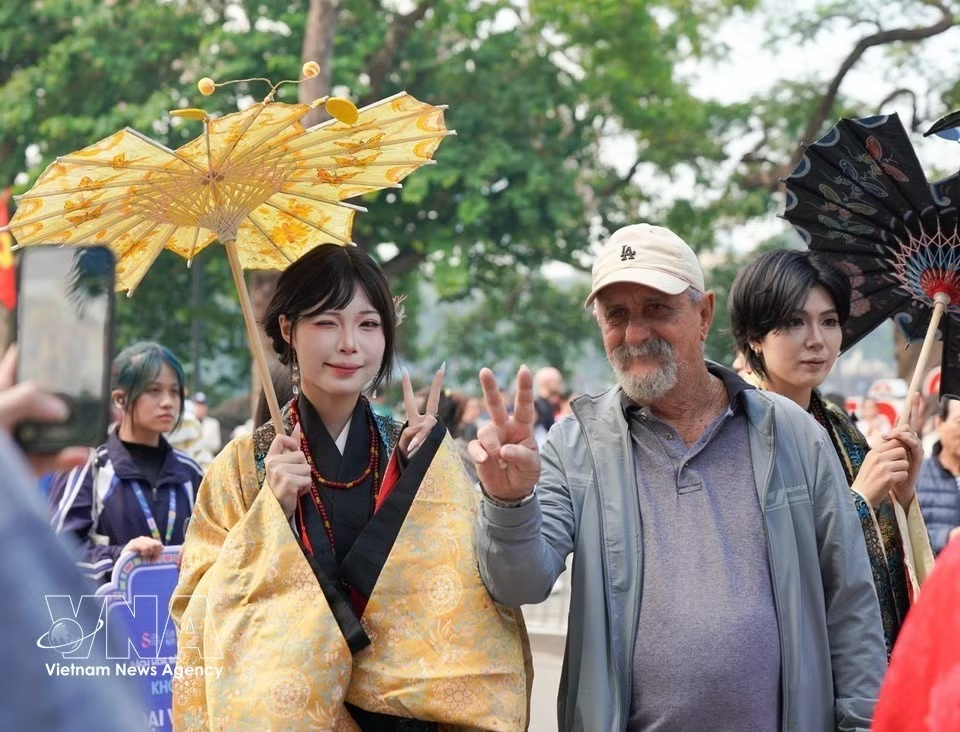
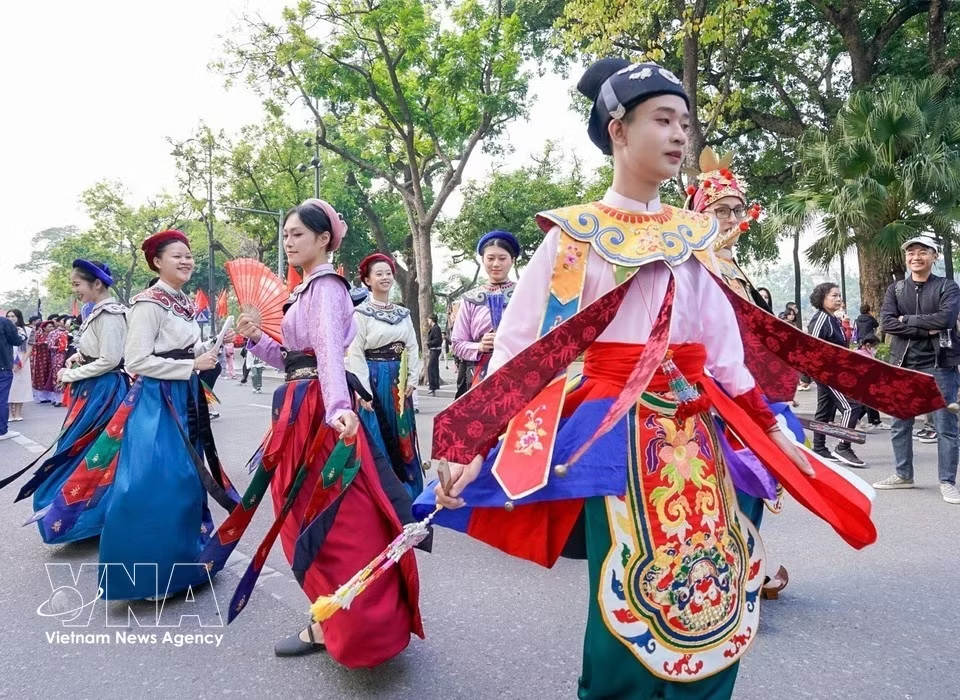
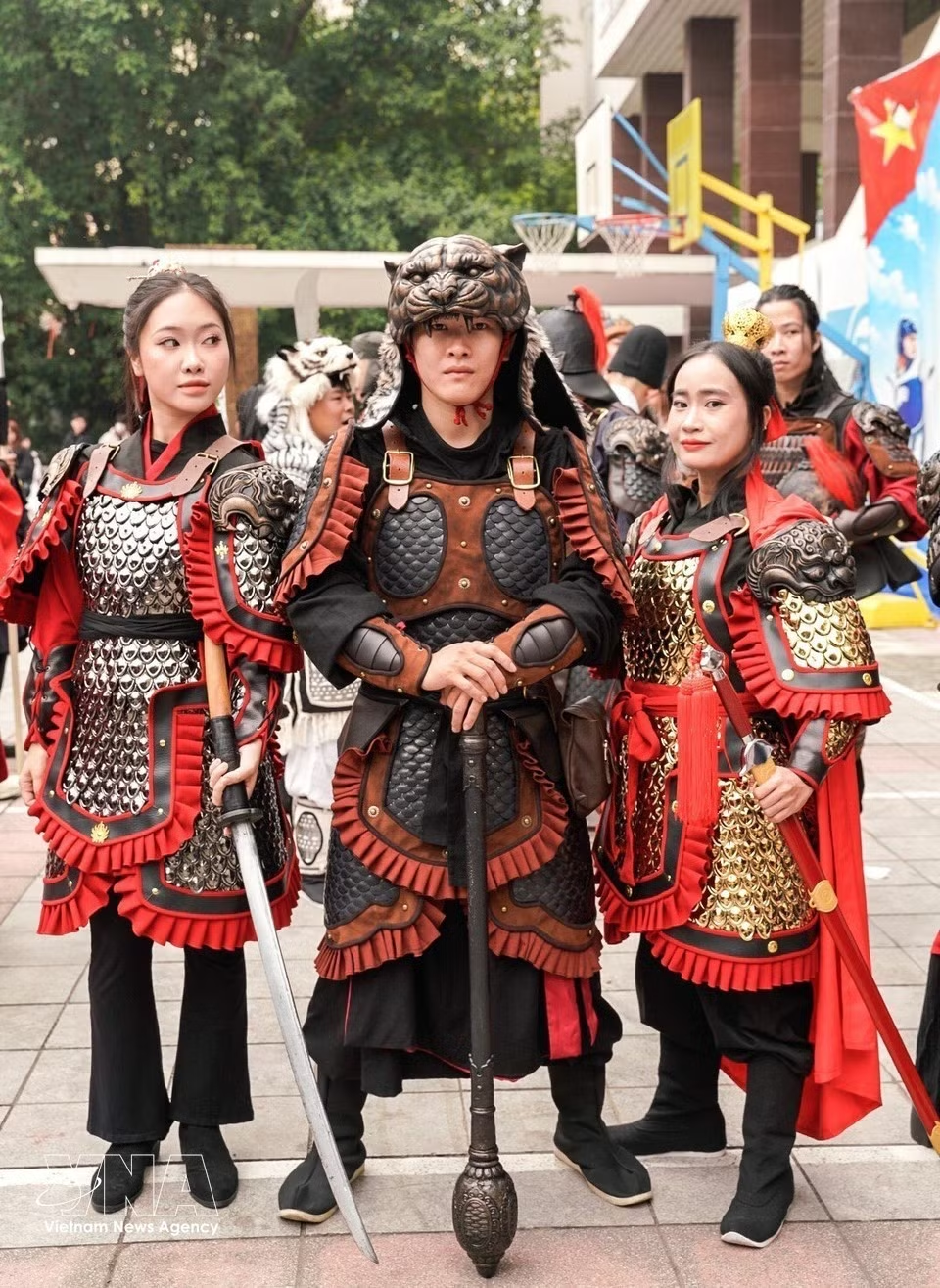
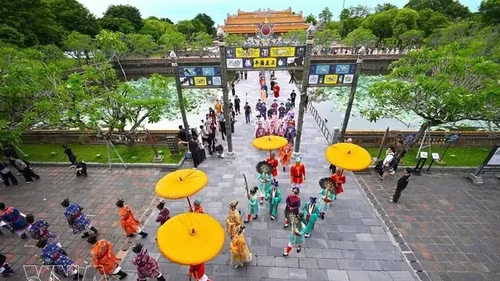
https://en.vietnamplus.vn/traditional-vietnamese-costumes-add-colour-to-hanoi-post356015.vnp The ninth “Bach Hoa Bo Hanh” (the Parade of Flowers) festival brings together around 800 participants dressed in traditional Vietnamese attire, creating a vibrant parade around Hoan Kiem Lake and Hanoi’s Old Quarter.


From lunchtime visits to local eateries to cultural exchange activities at school, Vietnamese banh mi and coffee are helping bring Vietnam's culinary culture closer to Canadians and international communities in Toronto, a multicultural city in Canada.
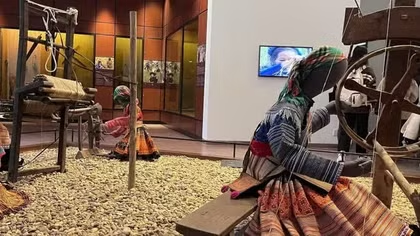
Five major museums across the capital will waive entrance fees for the occasion, giving visitors an opportunity to explore the country's history, artistic heritage, ethnic diversity and military traditions. The Thang Long Imperial Citadel, a UNESCO World Heritage Site, will also offer free admission to Vietnamese visitors on the day.
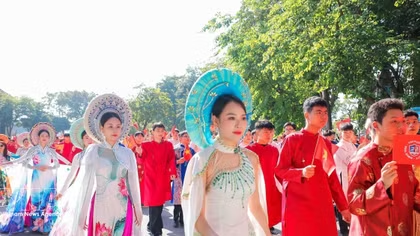
The Hanoi Tourism Ao Dai Festival 2026 runs from November 21-23 at the Hanoi Museum and Hoan Kiem Lake. Beyond the parade, the museum is hosting fashion shows, mass “ao dai” performances, an “ao dai” design competition, displays of handicrafts, silk and accessories, and traditional craft experiences.
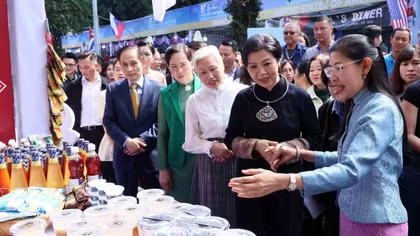
Held on November 21-22, ahead of Vietnam Culture Day on November 24, the 14th International Culinary Culture Festival 2026 provides an opportunity to celebrate the distinctive values of Vietnamese and international culinary cultures, promote exchanges and mutual understanding, and strengthen friendship between Vietnam and the international community.
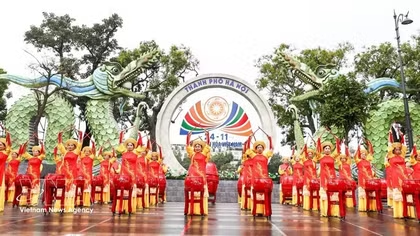
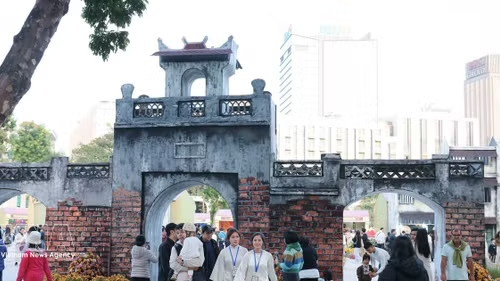
Running from November 21 to 24 around Hoan Kiem Lake and at various cultural venues across the capital, the event aims to honour and promote the distinctive cultural values of Vietnam and Thang Long–Hanoi. It also marks Vietnam Culture Day on November 24 and the 80th anniversary of the first National Cultural Conference.
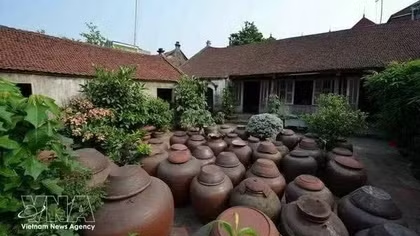
The special value of Duong Lam lies in its ability to preserve an entire cultural landscape characteristic of traditional Vietnamese villages. Values such as neighbourly solidarity, respect for ancestors, attachment to one's homeland and a strong sense of community remain the foundations of local identity.
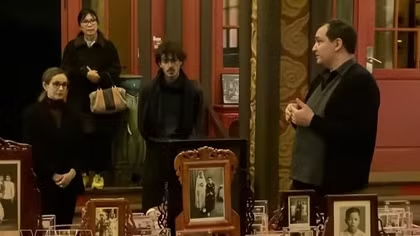
Developed following his artistic residency at Villa Saigon, an initiative of the French Institute in Vietnam, the exhibition goes beyond photographs and archival materials, inviting visitors into layers of intertwined memories of family, history, Vietnam in the past and the country today.
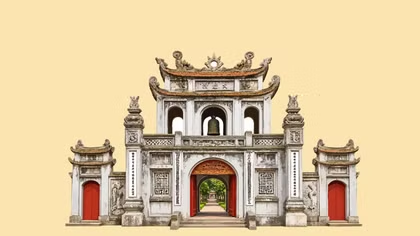
Thang Long-Hanoi is a land steeped in a thousand years of history and culture, where the distinctive values of the nation’s past and cultural heritage have converged and flourished. Within this historical legacy, the Van Mieu-Quoc Tu Giam (Temple of Literature-Imperial Academy) holds a special place as an enduring symbol of Vietnam’s traditions of valuing education, respecting teachers and honouring talented individuals.
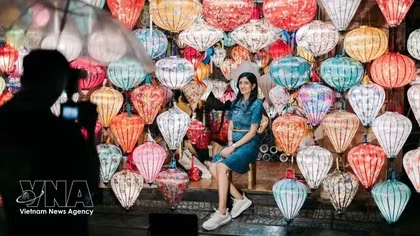
The festival, to be held at Hoai River Square and other venues across the ancient town, is organised by the Da Nang Department of Culture, Sports and Tourism under the direction of the municipal People’s Committee, with the participation of 12 cities from China, Japan, the Republic of Korea, Thailand, Indonesia, the Philippines, Laos and Singapore.
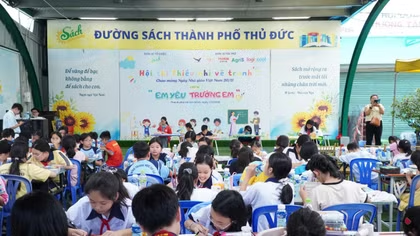
PSNews – As Viet Nam prepares to celebrate its first nationwide Viet Nam Culture Day on November 24, Ho Chi Minh City is gearing up for a diverse series of cultural, artistic, sporting and tourism activities across its 168 wards, communes and special zones, aiming to honor national cultural identity and promote the spirit of great national unity.
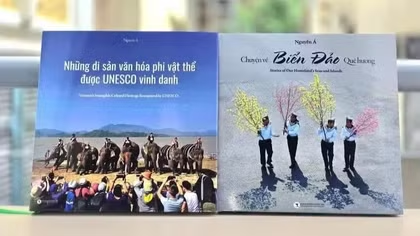
They are the 25th and 26th photo books by Nguyen A, documenting his more than 30-year journey in photography. Both are published by the Vietnam News Agency Publishing House.
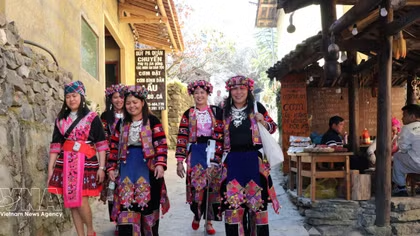
Tourism growth has brought more visitors to Lung Cu, prompting accommodation establishments and restaurants to operate at high capacity and driving up demand for electricity and water. However, some infrastructure facilities have yet to keep pace, affecting business operations and visitors' experiences.
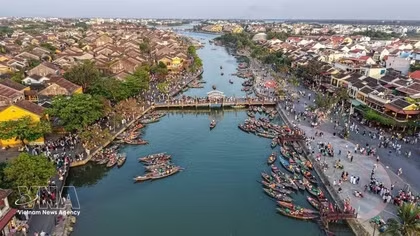
In the first 10 months, Vietnam welcomed approximately 19.5 million international visitors, equivalent to 78% of its annual target. To reach the goal, the country needs to attract an additional 5.5 million visitors in the remaining period.
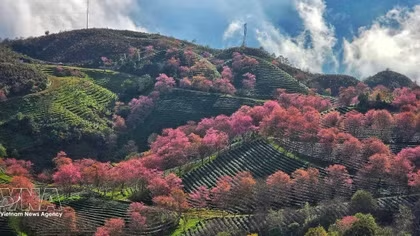
Alongside efforts to preserve the cultural identity of local ethnic communities, Sa Pa ward in the northern mountainous province of Lao Cai is accelerating digital transformation, developing smart urban services and upgrading infrastructure and public spaces to build a green, culturally distinctive and smart urban area.
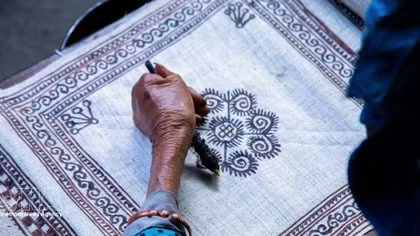
Alongside local cuisine, traditional attire, and folk games, linen weaving has become a crucial asset in enhancing Lung Tam commune's tourism appeal, creating new livelihood opportunities, and inspiring locals to preserve their heritage.
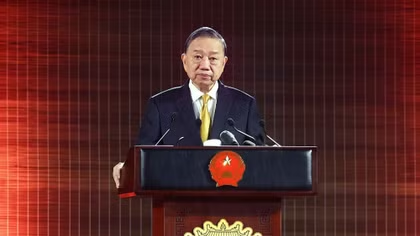
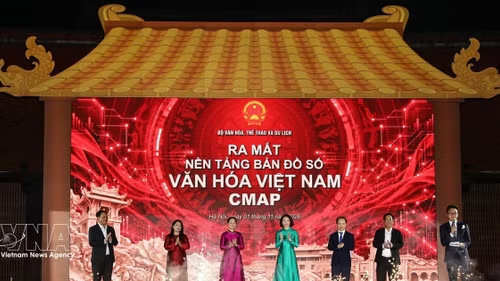
General Secretary of the CPV Central Committee and President To Lam called for preserving the Van Mieu – Quoc Tu Giam heritage and putting its spirit into daily school life. He asked Hanoi to work closely with culture, education and research agencies to complete open digitised materials on the relic soon.
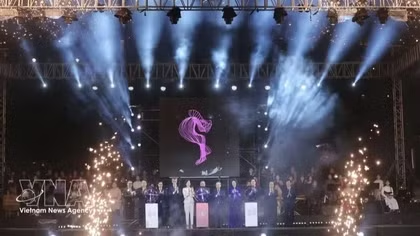
Running from November 13-28, the festival features 150 activities across five cultural, heritage and creative clusters and draws nearly 1,000 domestic and foreign artisans, artists, designers and experts, including nearly 100 foreign artists and overseas Vietnamese from 21 countries.
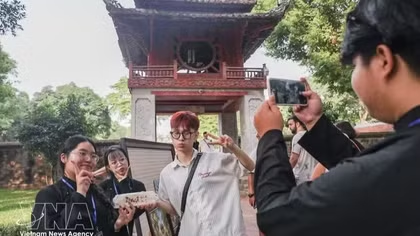
From interactive activities and visitor publications to digital applications, the changes share a common goal: diversifying ways of accessing heritage to meet the needs of different audiences.
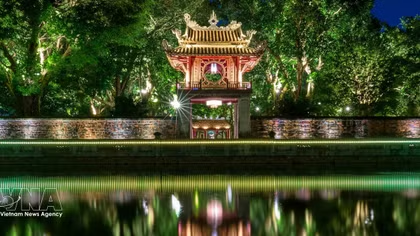
The enduring values of of Van Mieu – Quoc Tu Giam continue to inspire contemporary calls for educational reform and the development of a capable, socially responsible intellectual workforce.
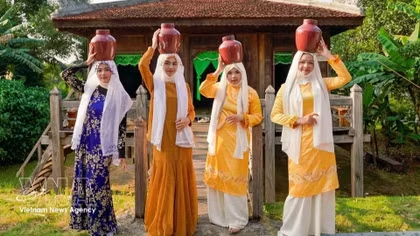
The Cham, one of Vietnam’s 54 ethnic groups, have a rich cultural heritage, with Muslim communities concentrated in An Giang province and other southern localities. Their traditional clothing, distinguished by diverse styles, colours and fabrics, reflects Islamic beliefs, modesty and aesthetics while preserving a cultural identity passed down through generations.