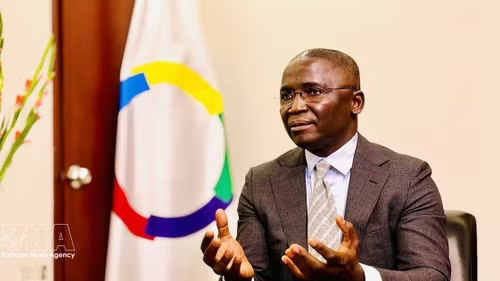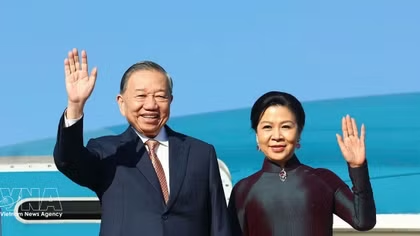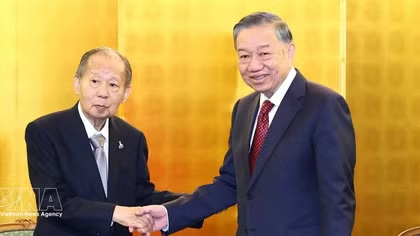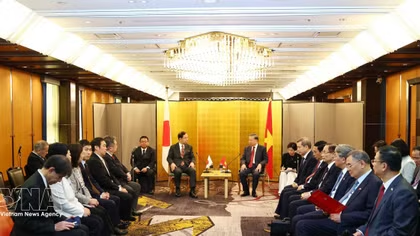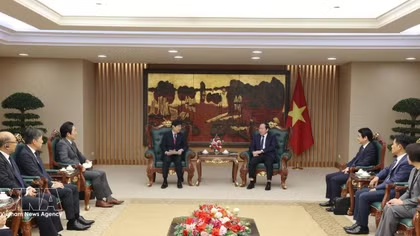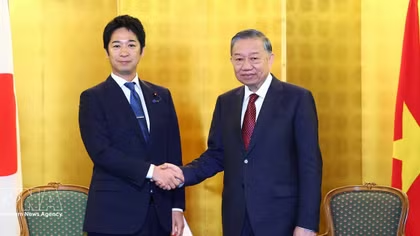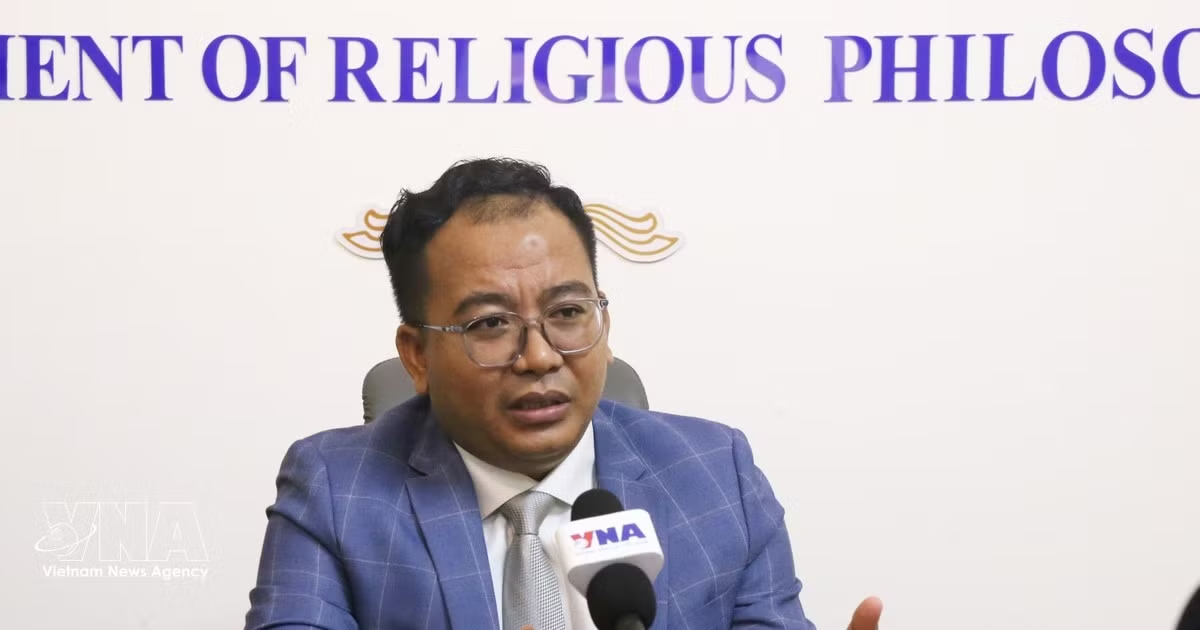
Phnom Penh (VNA) – General Secretary of the Communist Party of Vietnam Central Committee and President To Lam’s trip to Cambodia to attend the 20th Francophonie Summit will provide an important opportunity for the two countries to step up exchanges, strengthen their traditional friendship and coordinate efforts to address shared regional issues, Prof. Dr Phean Makara of Preah Sihamoniraja Buddhist University told the Vietnam News Agency.
The scholar said that through side events such as FrancoTech and the Francophone Entrepreneurs Forum, businesses and investors from the two countries can expand cooperation in digital technology and innovation, gradually build joint supply chains and tap markets in French-speaking countries.
The two sides can also work together to organise tourism and cultural promotion activities at the “Francophone Village” and develop joint tourism products such as Mekong River tours and heritage tourism to attract international visitors.
In education, he went on, as members of the International Organisation of La Francophonie (OIF), Vietnam and Cambodia can strengthen links between their higher education institutions through scholarship programmes, joint research and French-language human resources training to meet demand in diplomacy and international trade.
In particular, under the summit’s theme, “Reinvest in Peace for Shared Prosperity and Lasting Stability”, they will have an opportunity to present a common voice on the international stage and join efforts to address global challenges such as climate change, food security and regional security.
Phean Makara stressed that hosting the summit will not only help enhance Cambodia’s image and international standing but also provide fresh impetus for solidarity, friendship and comprehensive cooperation between Cambodia and Vietnam.
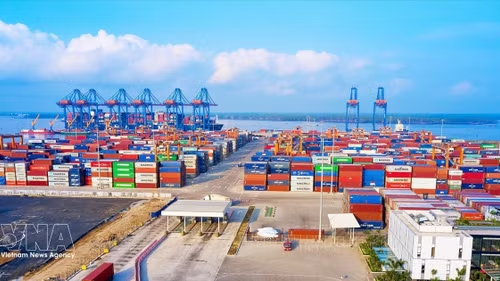
On ways to tap the potential of the Francophone community, he suggested that the two countries consider establishing joint trade gateways to access markets in Africa and Europe. Vietnam boasts strengths in processing industries and technology while Cambodia has potential in agriculture, raw materials and agro-industrial products. Combining these advantages will enable the two sides to develop higher value-added products under the “Made in Vietnam” or “Made in Cambodia” brands that meet the stringent standards of French-speaking markets in Europe.
He said that leveraging the free trade agreements signed by Vietnam, including the EU–Vietnam Free Trade Agreement (EVFTA), together with trade preference mechanisms available to Cambodia, could give jointly exported products from the two countries a competitive edge.
In addition, Vietnam and Cambodia can promote the bilateral tourism model of “Two Countries, One Destination” while expanding cooperation in education and French-language human resources training.
The scholar noted that the good relations between Vietnam and Cambodia not only bring practical benefits to each country but could also serve as a shared economic driver, helping expand trade links with the entire Francophone market worldwide.
Regarding FrancoTech specifically, he described it as an important forum for them to strengthen ties in technology, innovation and digital economy connectivity, thereby promoting the role of the two neighbouring countries as important representatives of Asia in the Francophone community.
Practical areas of cooperation that the two countries could pursue include developing agricultural technology to support food security; connecting financial systems and financial technology; supporting digital start-ups; promoting digital government and the application of artificial intelligence (AI); and developing tourism and promoting culture through digital platforms.
The professor said the active participation of the two countries’ key leaders and business communities in FrancoTech will not only help boost bilateral trade and translate economic cooperation goals into reality, but also demonstrate their determination to work together in digital transformation, international integration and sustainable regional development./.