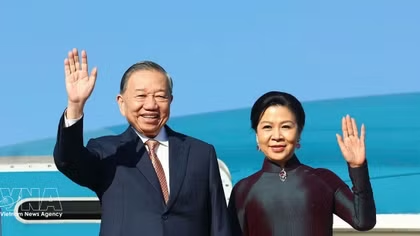
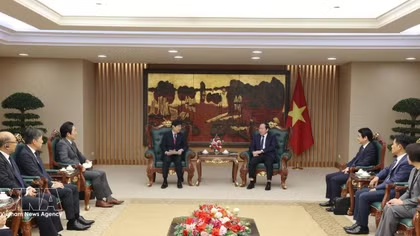
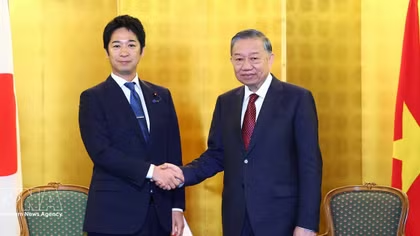
Hanoi (VNA) - Prime Minister Le Minh Hung’s participation in the 49th ASEAN Summit and related meetings in Manila, the Philippines, from November 14-17 reflects Vietnam’s continued commitment to consistently pursuing a foreign policy of independence, self-reliance and resilience, peace, friendship, cooperation and development, and diversification and multilateralisation of relations in line with the spirit of the 14th National Party Congress.
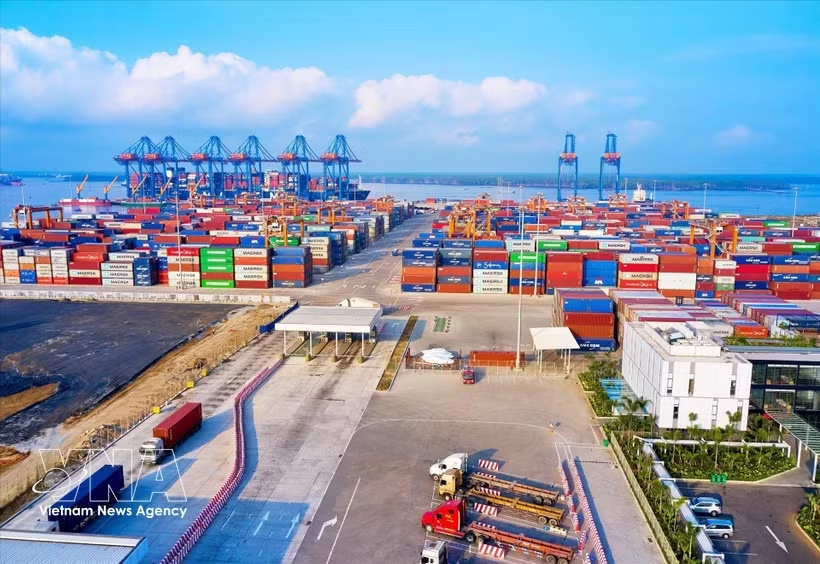
The attendance, to be made at the invitation of Philippine President Ferdinand Romualdez Marcos Jr., Chair of ASEAN 2026, also reaffirms ASEAN’s continued position as a top strategic priority in Vietnam’s overall foreign policy.
A resilient, innovative, dynamic and people-centred ASEAN Community
Founded on August 8, 1967, the Association of Southeast Asian Nations (ASEAN) now comprises 11 member states: Indonesia, Thailand, the Philippines, Singapore, Malaysia, Brunei, Vietnam, Laos, Myanmar, Cambodia and Timor-Leste.
After nearly six decades of formation and development, ASEAN has established itself as a successful model of regional cooperation and integration, with a growing role and prestige. It has stepped uo intra-bloc cooperation in a comprehensive and intensive manner, expanded and strengthened ties with partners around the world, and successfully initiated and taken a leading role in numerous regional cooperation mechanisms.
The foundation of ASEAN’s achievements over nearly six decades lies in its intra-bloc cooperation mechanisms, implemented through treaties, forums, conferences, projects, development programmes, the establishment of the ASEAN Free Trade Area, and regional cultural and sporting activities.
Among these, ASEAN-initiated forums have brought together numerous countries and been appreciated by major powers. ASEAN’s centrality has been reinforced through its role in promoting the establishment and leading the ASEAN Regional Forum (ARF), the East Asia Summit (EAS), the ASEAN Defence Ministers’ Meeting (ADMM) and the ASEAN Defence Ministers’ Meeting Plus (ADMM+). These mechanisms have made increasingly important contributions to addressing shared regional challenges.
ASEAN cooperation mechanisms continue to receive support, attention and participation from external partners, particularly major powers. This demonstrates the bloc’s continued ability to convene stakeholders and reinforces countries’ confidence in its capacity to coordinate, adapt flexibly and balance relations with partners.
A particularly significant milestone in ASEAN’s development was the establishment of the ASEAN Community, officially on December 31, 2015, built on three pillars: Politics-Security, Economy, and Socio-Culture. Its establishment marked a qualitative development leap, transforming ASEAN into a strong and cohesive political and economic entity committed to peace, stability, cooperation and development in Southeast Asia and the Asia-Pacific.
More than 10 years after the launch of the ASEAN Community, the bloc has made significant economic strides. From the world’s seventh-largest economy in 2015, with GDP of 2.5 trillion USD, ASEAN rose to become the fifth-largest in 2025, with GDP reaching 4.16 trillion USD, and is projected to rank fourth by 2030.
ASEAN has also expanded its integration into the global economy through an extensive network of free trade agreements (FTAs), including agreements with major partners such as China, Japan, the Republic of Korea, India, Hong Kong (China), Australia and New Zealand, as well as the Regional Comprehensive Economic Partnership (RCEP).
The bloc is also seeking to capitalise on emerging growth drivers, including the digital economy, green transition, blue economy, electric vehicle ecosystem and carbon neutrality strategies, in line with its sustainable development objectives.
Building on the significant achievements and rapid progress made during more than a decade of ASEAN Community building, 2025 marked an important milestone for the association. ASEAN officially completed the first 10 years of implementing its Community-building plans and turned its focus toward the ASEAN Community Vision 2045.
The vision was adopted by member states at the 46th ASEAN Summit in Malaysia in May 2025, together with four strategic plans covering Politics-Security, Economy, Socio-Culture and Connectivity. The overarching goal is to build a “resilient, creative , dynamic and people-centred ASEAN.”
With the ASEAN Community Vision 2045, the association is entering a critical period of transformation, requiring continued efforts to promote unity, strengthen internal capacity and enhance linakges to overcome all challenges and achieve long-term objectives.
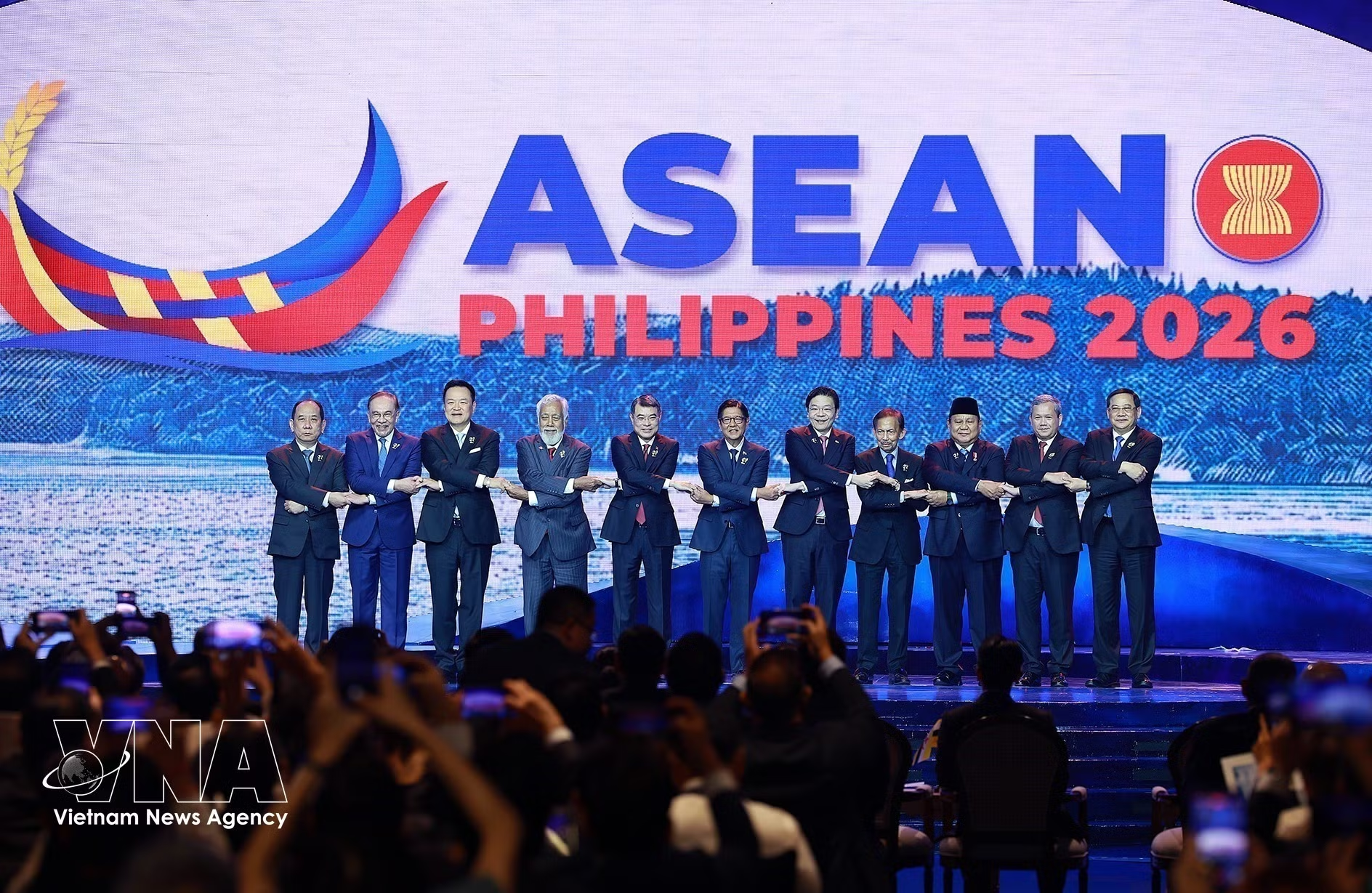
2026 marks the first year of implementing the ASEAN Community Vision 2045, bringing new opportunities as well as challenges. ASEAN must not only maintain unity but also adapt to a range of emerging global trends, including the digital economy, artificial intelligence, green transition, energy transition, climate change, cybersecurity and non-traditional security challenges.
Since the 48th ASEAN Summit in May 2026, ASEAN has accelerated implementation of the ASEAN Community Vision 2045, its 2026 cooperation priorities and decisions made by ASEAN leaders, achieving a range of positive results.
Vietnam - A proactive, active and responsible member making substantive contributions to ASEAN Community building
Vietnam joined the ASEAN family on July 28, 1995. Since then, the country has consistently regarded ASEAN as a priority in its foreign policy, participating proactively, actively and responsibly across the Community’s three pillars and all areas of ASEAN cooperation. Vietnam has made important contributions to ASEAN Community building and helped maintain a peaceful, stable and cooperative regional environment, earning recognition from ASEAN and its member states.
Vietnam’s 31-year journey in ASEAN reflects its strong aspiration for deeper and broader integration, as well as its pioneering, responsible and proactive commitment to building a united and resilient ASEAN Community.
For ASEAN, Vietnam’s accession marked a major turning point in the association’s formation and development, helping realise the founders’ vision of bringing member states together through a shared aspiration for peace and prosperity, and a spirit of solidarity and mutual understanding. Vietnam’s bilateral relations with ASEAN member states have developed positively. The country has upgraded its ties with Indonesia, Malaysia, Singapore and Thailand to Comprehensive Strategic Partnerships.
In turn, after 31 years of ASEAN membership, Vietnam has become a core member, working alongside other member states to maintain regional peace and stability, strengthen relations with external partners, and effectively leverage ASEAN’s economic integration networks to promote trade and investment. Vietnam has also mobilised cooperation, support and resources from ASEAN and its partners to serve its socio-economic development goals.
Vietnam has successfully fulfilled its rotating responsibilities within ASEAN. Just three years after joining the bloc, Vietnam hosted the 6th ASEAN Summit in 1998, working with member states to steer ASEAN through the challenges of the 1997 economic and financial crisis, adopt the Hanoi Plan of Action, maintain the momentum of regional cooperation and integration, and advance the ASEAN Vision 2020.
Vietnam has also successfully undertaken major responsibilities entrusted by ASEAN, including Chair of the 34th ASEAN Standing Committee and ASEAN Chair in 2010 and 2020.
Notable achievements during Vietnam’s 2020 ASEAN Chairmanship included the proposal of several key initiatives, such as the ASEAN COVID-19 Response Fund, the ASEAN Regional Reserve of Medical Supplies for Public Health Emergencies, the ASEAN Strategic Framework for Public Health Emergencies, the ASEAN Comprehensive Recovery Framework and its Implementation Plan, the ASEAN Declaration on an ASEAN Travel Corridor Arrangement Framework, and the ASEAN Centre for Public Health Emergencies and Emerging Diseases (ACPHEED).
Vietnam has also proactively proposed and advanced numerous practical initiatives, reinforcing its position and leadership role within ASEAN. These include promoting the completion of the ASEAN-10 concept; the adoption of the Hanoi Plan of Action in 1998 and ASEAN Vision 2020 in 1997; the Declaration of ASEAN Concord II on the establishment of the ASEAN Community in 2003; the ASEAN Charter in 2007; the ASEAN Community Vision 2025, developed in 2015; and the ASEAN Community Vision 2045.
Against the backdrop of ASEAN facing significant repercussions from the conflict in the Middle East, Prime Minister Le Minh Hung, at the 48th ASEAN Summit in May 2026, proposed strategic and comprehensive orientations and measures to strengthen ASEAN’s capacity to respond to challenges.
Based on Vietnam’s proposal, the summit agreed to issue the ASEAN Leaders’ Statement on the Response to the Middle East Crisis. The statement reflected ASEAN’s political position on the repercussions of developments in the Middle East, leaders’ vision for positioning ASEAN within the regional architecture, and a set of action-oriented and highly implementable common response strategies and measures.
Vietnam has also proposed and hosted the ASEAN Future Forum (AFF) to complement the association’s formal forums and mechanisms, providing a platform for broader exchanges of ideas and initiatives on regional cooperation and contributing to the development of a resilient and sustainable ASEAN Community.
Following three successful editions in Hanoi in April 2024, February 2025 and June 2026, the AFF has become an increasingly important platform for advancing collective efforts to build the ASEAN Community and strengthen ASEAN’s ties with key international partners beyond the region.
Most recently, the AFF 2026, held in June 2026, successfully provided an open and substantive platform for dialogue on ASEAN’s future. The initiatives and solutions generated at the forum serve as a springboard for member states to achieve new milestones in realising the association’s ambition to enhance its global standing. Through the forum, Vietnam has further reinforced its prominent role in promoting dialogue, building consensus and helping shape the region’s strategic agenda.
Alongside its efforts to promote intra-bloc and regional linkages, Vietnam has effectively served as a bridge in expanding ASEAN’s external relations with countries outside the region, including China, India, Japan, the Republic of Korea, the UK and New Zealand.
Vietnam has successfully served as ASEAN's country coordinator for relations with China (2009-2012), the European Union (2012-2015), India (2015-2018), Japan (2018-2021) and the RoK (2021-2024). Vietnam is currently coordinating ASEAN’s relations with the UK and New Zealand for the 2024-2027 period.
In its role as coordinator of ASEAN’s relations with partners, Vietnam has effectively served as a bridge, deepening cooperation between ASEAN and its partners and elevating the association’s external relations.
49th ASEAN Summit: Navigating a shared future together
PM Hung’s participation in the 49th ASEAN Summit and related meetings in Manila from November 14-17 further underscores Vietnam’s proactive, active and responsible commitment to contributing to ASEAN.
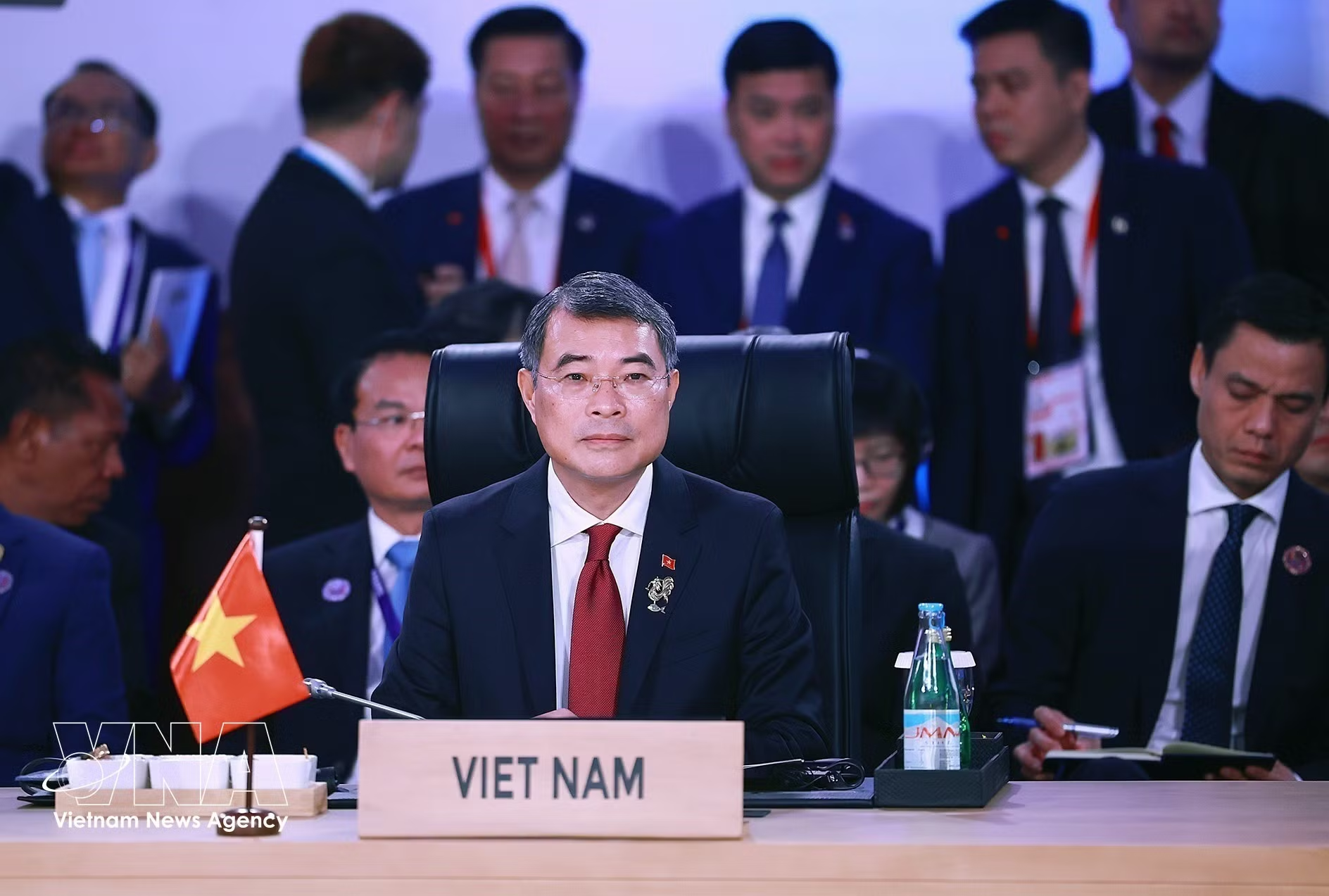
The 49th ASEAN Summit is the second summit held during the Philippines’ ASEAN Chairmanship 2026. It takes place against a backdrop of increasingly complex and unpredictable global and regional developments. In this context, ASEAN continues to reaffirm its centrality, promote unity and resilience, strengthen regional cooperation and integration, proactively adapt to changing circumstances, and accelerate the implementation of strategic orientations, thereby contributing to regional peace, stability and sustainable development.
Under the theme “Navigating Our Future Together,” the Philippines has identified three overarching priorities for its ASEAN Chairmanship 2026: Peace and Security Anchors, Prosperity Corridors and People Empowerment. These three priorities will also shape the agenda and expected outcomes of the 49th ASEAN Summit.
The summit will focus on several key issues, including ASEAN Community building, with a focus on ensuring energy and food security and providing support for ASEAN citizens (plenary session), and regional and international issues of common concern (retreat session). ASEAN summits with external partners such as ASEAN+1 (with China), ASEAN+3 (with China, the RoK and Japan) and East Asia Summit (EAS) will review the state of relations, set directions for future cooperation, and exchange views on regional and international issues of common concern.
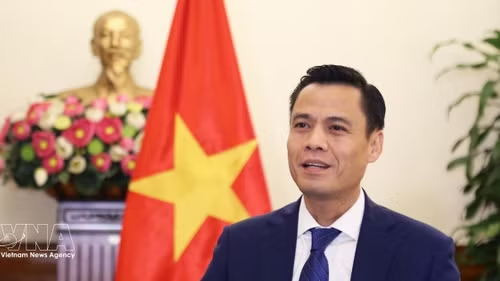
Vietnamese Ambassador to the Philippines Lai Thai Binh said the summit’s outcomes would further reaffirm the value and significance of regional cooperation, as well as the spirit of solidarity, consensus and shared responsibility among member states in addressing common challenges. They would also open up new opportunities for ASEAN to develop dynamically, resiliently and sustainably, delivering tangible benefits to people and businesses across the region.
Demonstrating a proactive, active and responsible approach, the high-level Vietnamese delegation, led by PM Hung, will work closely with the Philippine Chair, other ASEAN member states and partners to contribute to the overall success of the meetings.
During the 49th ASEAN Summit and related meetings, the Vietnamese leader is expected to deliver key speeches outlining Vietnam’s views on ASEAN’s priorities and development orientations, and put forward practical proposals to advance ASEAN Community building. These will contribute to strengthening ASEAN unity, enhancing its resilience, strategic autonomy and proactive response capacity amid changing circumstances, and deepening substantive relations and cooperation with partners while ensuring ASEAN centrality. He will also exchange views on regional and international issues of common concern.
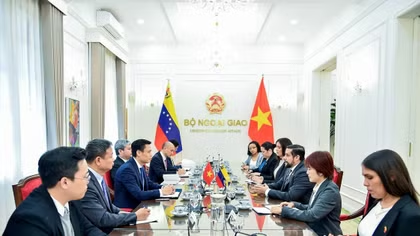
On this occasion, the PM will also hold meetings and engagements with leaders of other countries to promote bilateral cooperation and discuss issues of mutual interest.
Through its participation in the 49th ASEAN Summit, Vietnam will send a clear message that it is an active and responsible member, standing alongside ASEAN in strengthening unity, building the ASEAN Community, and maintaining peace, stability and sustainable development. This will also help promote Vietnam’s image as a reform-focused, dynamic and deeply integrated country with an increasingly prominent standing on the international stage./.