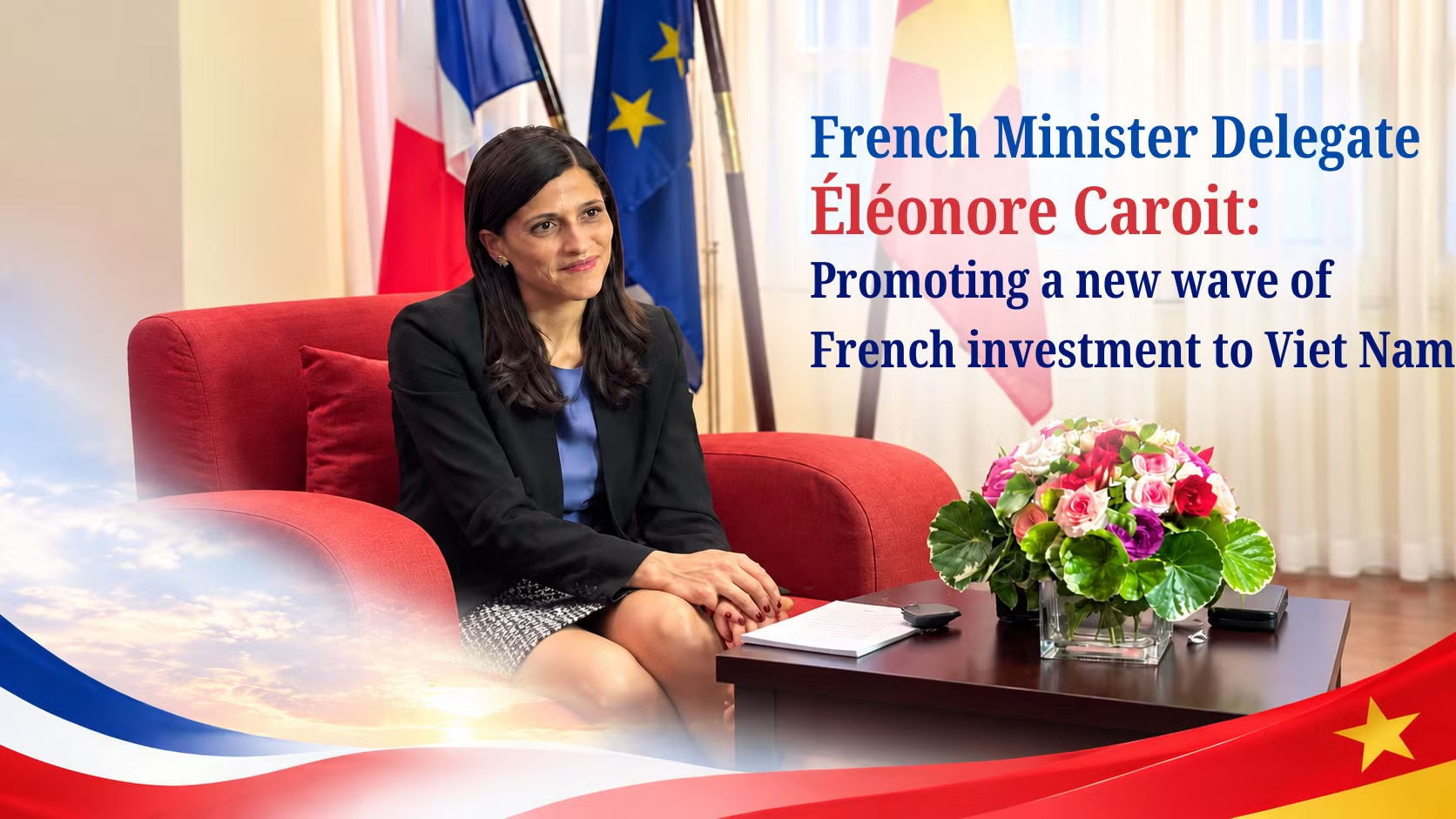

Minister Éléonore Caroit emphasized that leaders from both countries had identified several priority areas for cooperation, including rail transport, healthcare, strategic minerals, energy, scientific research, and security and defense. According to the Minister, the key task now is to build on the positive outcomes of recent high-level visits while implementing concrete action plans to translate the agreed areas of cooperation into tangible results.
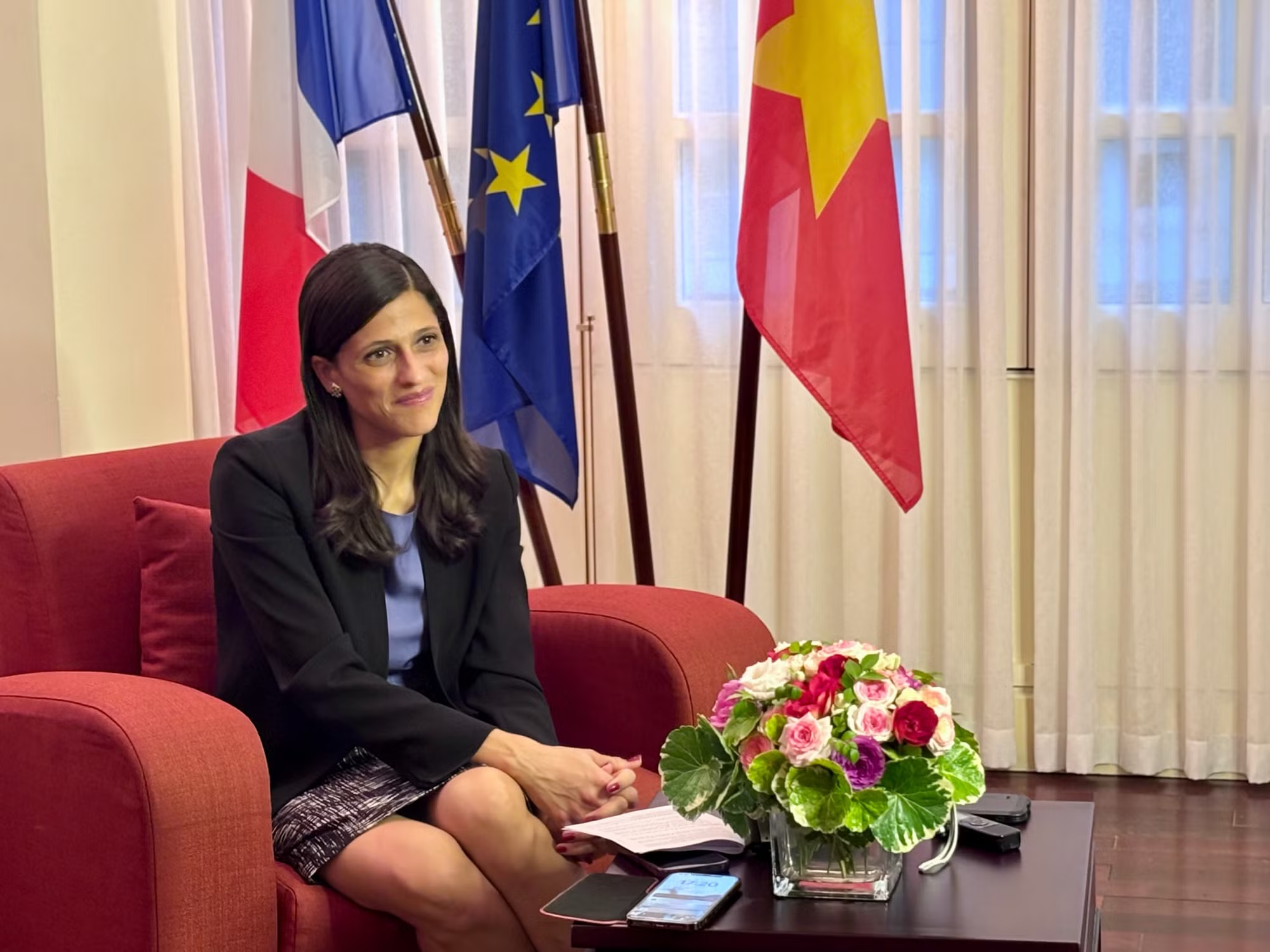
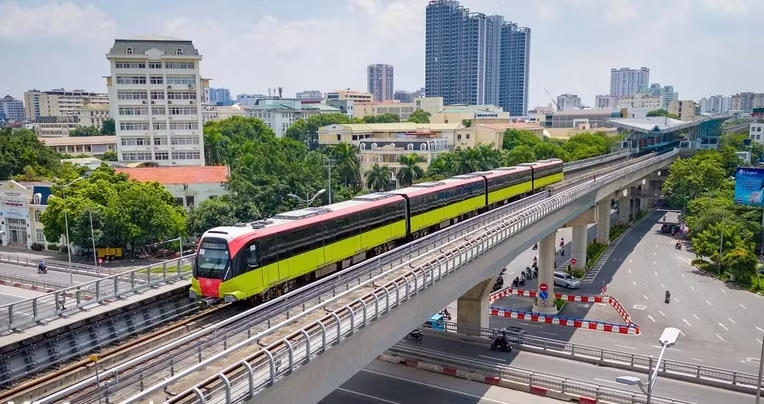
Highlighting specific achievements in bilateral cooperation, the Minister underscored the importance of infrastructure and energy projects in delivering direct benefits to the Vietnamese people. She cited the Hoa Binh Hydropower Plant, which supplies electricity to many households, and an urban railway project in Ha Noi, which serves about 6.4 million passenger journeys annually (according to figures she provided during the interview).
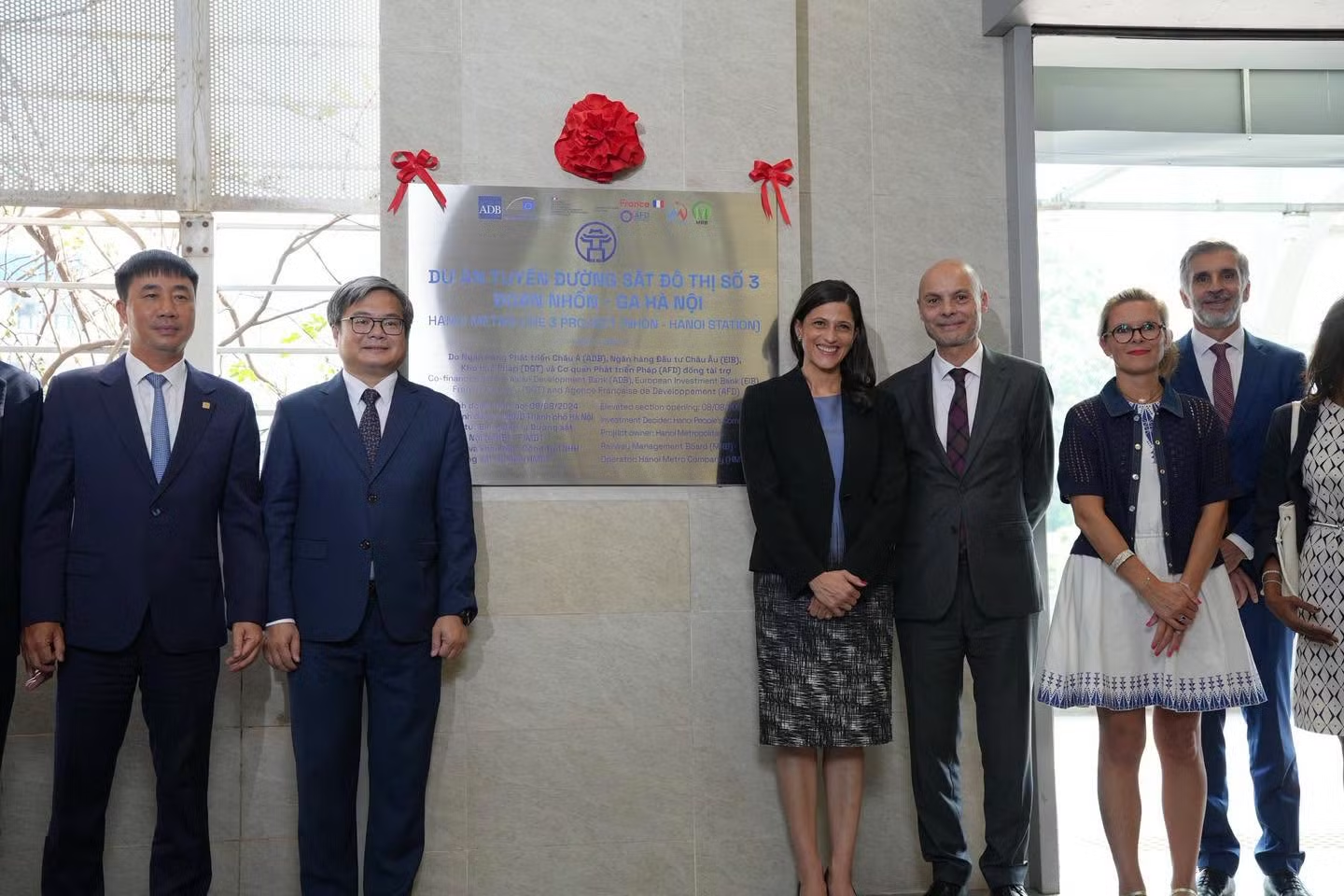
"All these projects have a very concrete positive impact on people's lives," the Minister stressed.
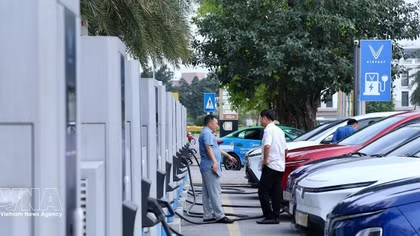
She noted that these projects not only contribute to economic development and improvements in living standards but also align with Viet Nam's goal of achieving net-zero emissions by 2050. Thus, cooperation in sustainable transport, energy infrastructure and environmentally friendly technologies is expected to remain a key driver of bilateral relations.
Alongside implementing joint projects, the Minister's visit also aimed to promote trade and attract investment.
Following meetings with representatives of French businesses operating in Viet Nam, Minister Caroit acknowledged their strong understanding of the local market and their contributions to the Vietnamese Government's development priorities. She also emphasized that considerable potential remains for further cooperation between the two countries.
"I believe we can do much more," she said, expressing her desire to spread the Vietnamese market's potential in France so as to attract additional French investors in Vietnam.
According to the Minister, many French companies hold leading positions in strategic industries that Viet Nam has prioritized for development. Their expertise and capabilities could therefore help strengthen Viet Nam's economic and technological autonomy while advancing sustainable development.

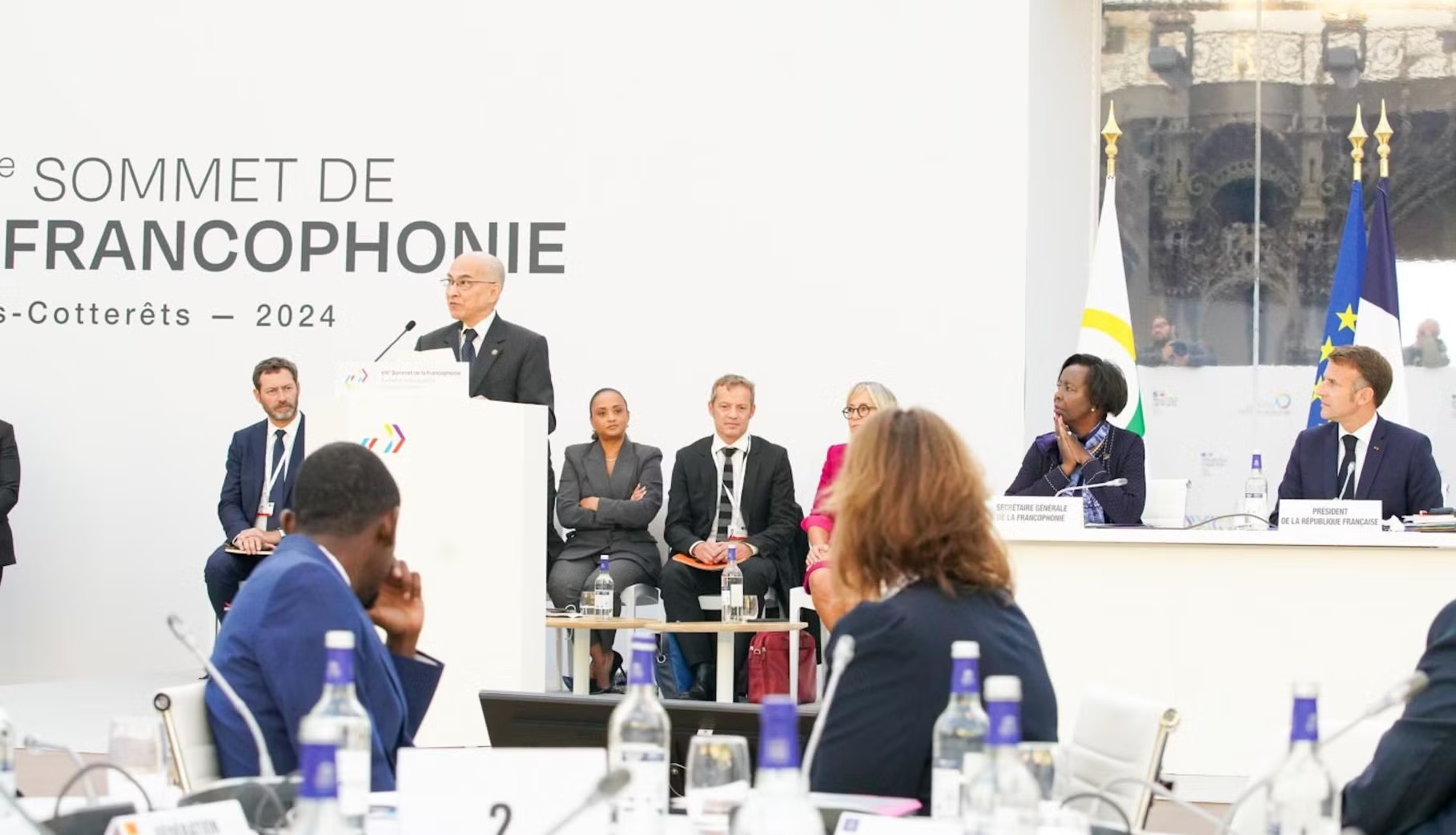
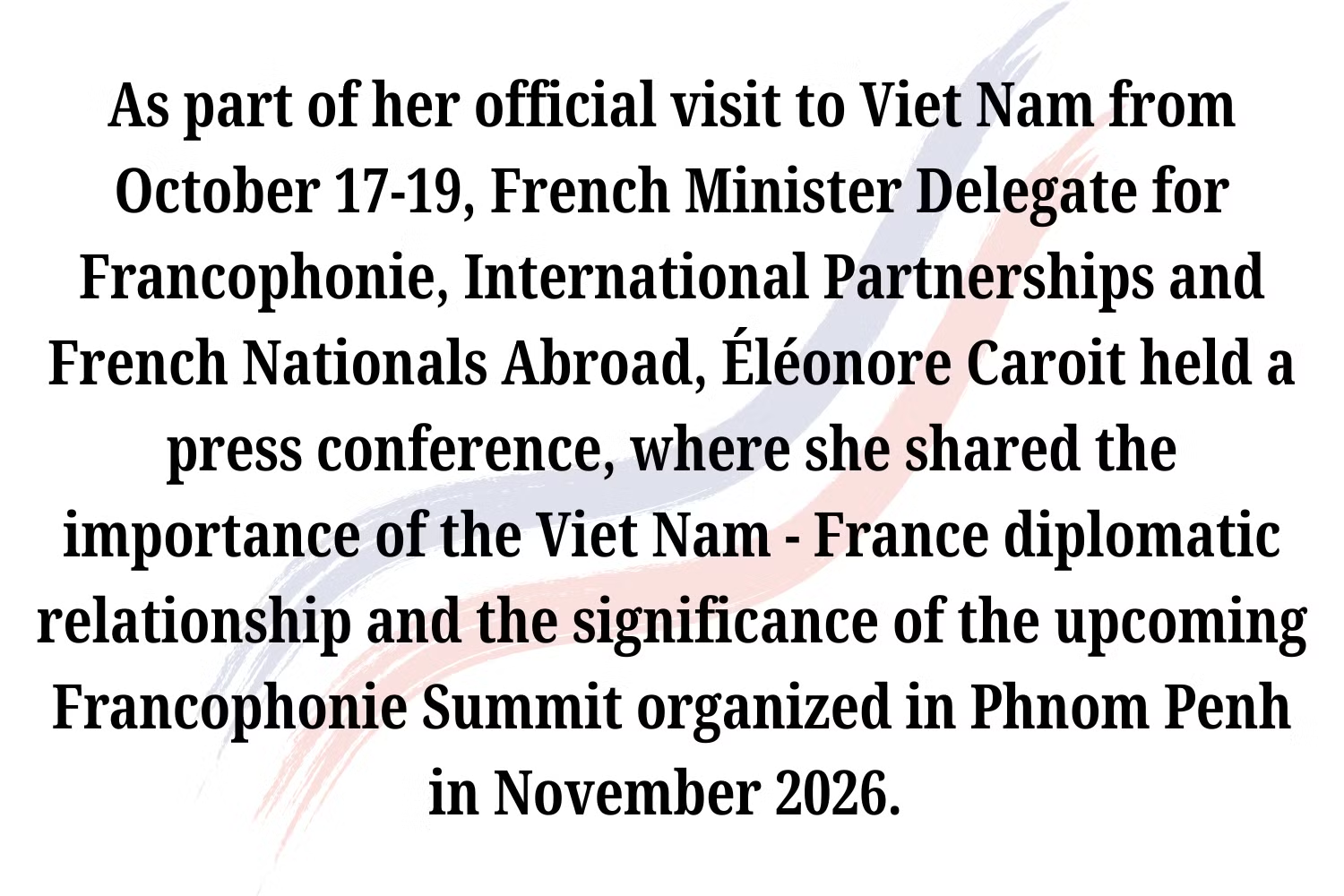
Minister Caroit's visit to Viet Nam took place as the Francophone community prepares for the upcoming Francophonie Summit, scheduled to be held in Phnom Penh in November 2026.
The summit's return to Southeast Asia carries particular significance, coming nearly three decades after Ha Noi hosted the Francophonie Summit in 1997.
According to the Minister, the event matters for both Viet Nam and France and also offers an opportunity to reaffirm the Francophone community's role in international political and diplomatic affairs.
She emphasized that promoting peace and dialogue would be among the summit's foremost political priorities, particularly as the world faces growing geopolitical uncertainty and challenges to multilateralism.