At the Ministry of Foreign Affairs' regular press briefing on October 15, 2026, Spokesperson Pham Thu Hang said Viet Nam applauded the United States' objective assessment of the positive progress the country had made in combating human trafficking. Her remarks followed the release of the US Department of State's 2026 Trafficking in Persons (TIP) Report.
The TIP Report is based on assessment criteria and methodologies established by the United States and should therefore be considered within that framework, while accounting for each country's specific circumstances. While the rankings reflect Washington's assessment, they can also serve as a reference for countries to review existing policies, identify areas for improvement, and strengthen the effectiveness of their anti-trafficking efforts.
Combating crime with a victim-centered approach
Human trafficking constitutes a serious crime that directly undermines human rights, dignity, freedom, and the lawful rights and interests of individuals. In response, Viet Nam has gradually improved its legal system, policies, and coordination mechanisms to strengthen the prevention, detection, investigation, prosecution, and adjudication of such crimes, while ensuring victims' rights and interests.
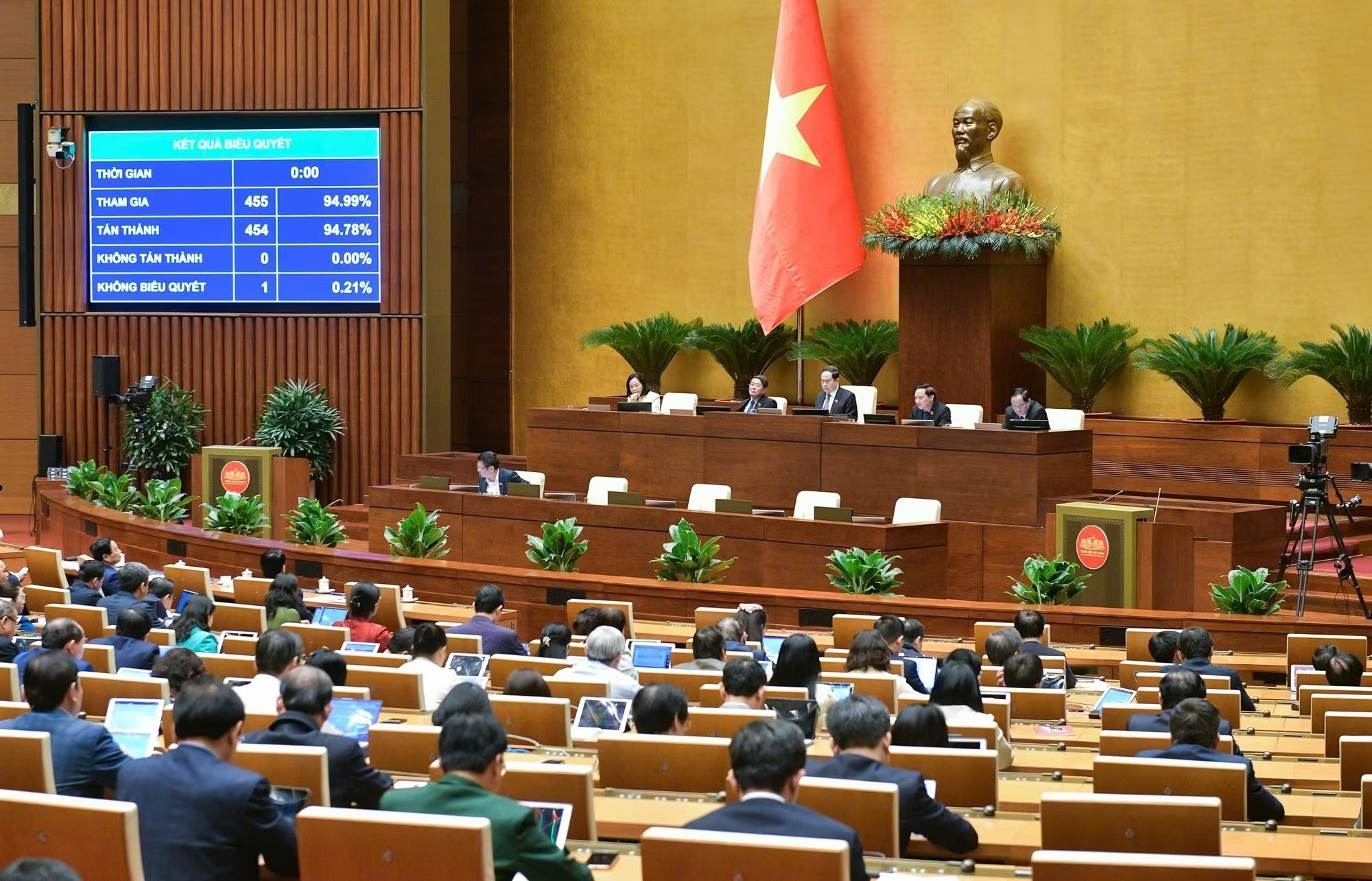
A major milestone came on November 28, 2024, when the National Assembly passed the revised Law on Prevention and Combat of Human Trafficking, which took effect on July 1, 2025.
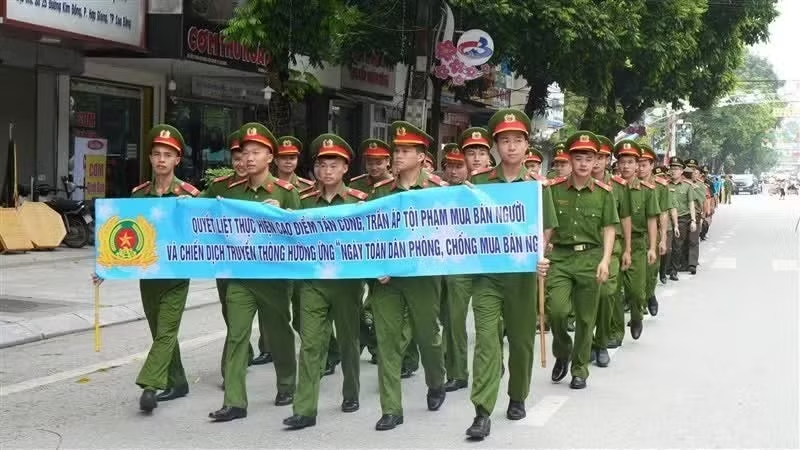
According to Spokesperson Pham Thu Hang, the Vietnamese authorities have stepped up efforts to implement the 2024 Law on Prevention and Combat of Human Trafficking, strengthening investigation, prosecution and trials of human trafficking-related cases while enhancing measures to identify, protect and support victims. Public awareness campaigns have also been intensified amid increasingly sophisticated human trafficking operations, particularly those linked to online scam centers.
In addition, Prime Minister Le Minh Hung has issued Decision No. 33/QD-TTg, approving the Program on Prevention and Combat of Human Trafficking for 2026–2030, with a vision to 2035. The program establishes a framework to advance comprehensive anti-trafficking measures, strengthen coordination among relevant agencies, and enhance victim protection and support in the coming years.
The implementation of the Law on Prevention and Combat of Human Trafficking has indicated that, alongside intensified efforts to combat and handle crimes, greater attention should be paid to the identification and support of victims. Official statistics show that 288 individuals were prosecuted for human trafficking offenses in 2025, compared with 246 in 2024, representing an increase of approximately 17%.
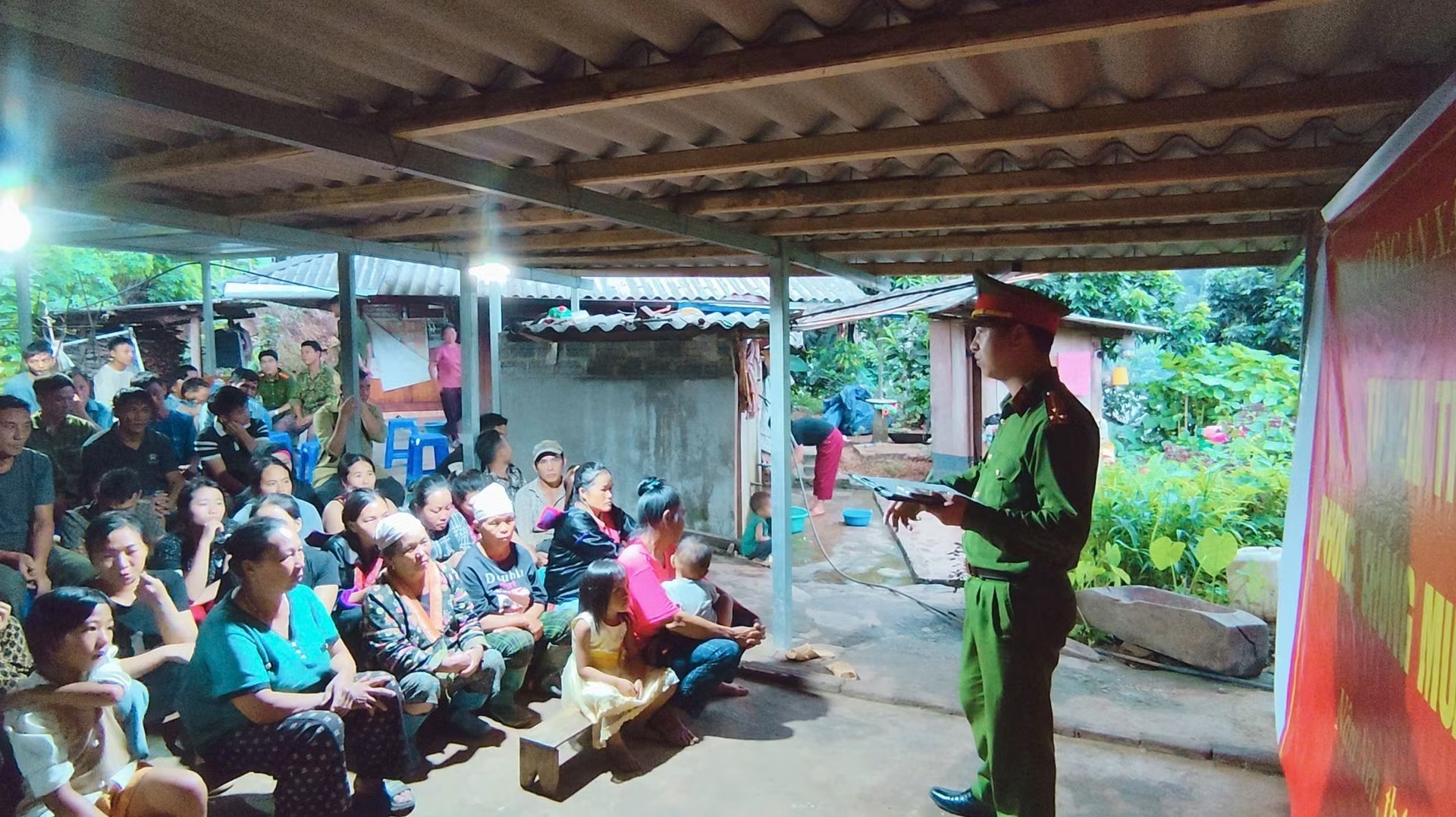
Law enforcement officers have also received specialized training in victim identification, electronic evidence collection, and victim-centered investigative approaches. Notably, the number of child-friendly interview rooms increased from 65 to 107, an expansion of 42 rooms. Access to legal assistance has also been broadened to include individuals undergoing victim identification and verification.
Increased resources and the expansion of child-friendly interview facilities have helped improve procedures for receiving and verifying information while minimizing the risk of traumatizing children during investigations and legal proceedings. These efforts underscore the importance of integrating law enforcement measures with enhanced support for vulnerable groups, particularly children and individuals facing difficult circumstances.
At the same time, prevention and communication efforts have been strengthened to help the public recognize common scams such as malicious job offers, foreign employment with unusually high incomes, recruitment scams, and the risk of being coerced into illegal activities. Viet Nam also maintains a 24/7 hotline providing assistance in Vietnamese, English and languages of ethnic minority groups.

Enhancing cross-border cooperation
Human trafficking is an increasingly sophisticated transnational crime, with criminal networks exploiting digital technologies and online platforms to recruit, transport and exploit victims while concealing their illicit activities. Therefore, international cooperation plays a vital role in facilitating information sharing, coordinating cross-border investigations and rescue operations, strengthening consular protection, and ensuring timely assistance and support for trafficking victims.
Viet Nam continues to strengthen coordination with other countries, international organizations, and relevant partners, while standing ready to share expertise and enhance law enforcement capabilities to improve the prevention and combat of human trafficking.
As Spokesperson Pham Thu Hang affirmed, Viet Nam has adopted an implementation plan for the Global Compact for Safe, Orderly and Regular Migration (GCM) for 2026–2035, aiming to address emerging issues in international immigration and mitigate human trafficking risks arising during the process.
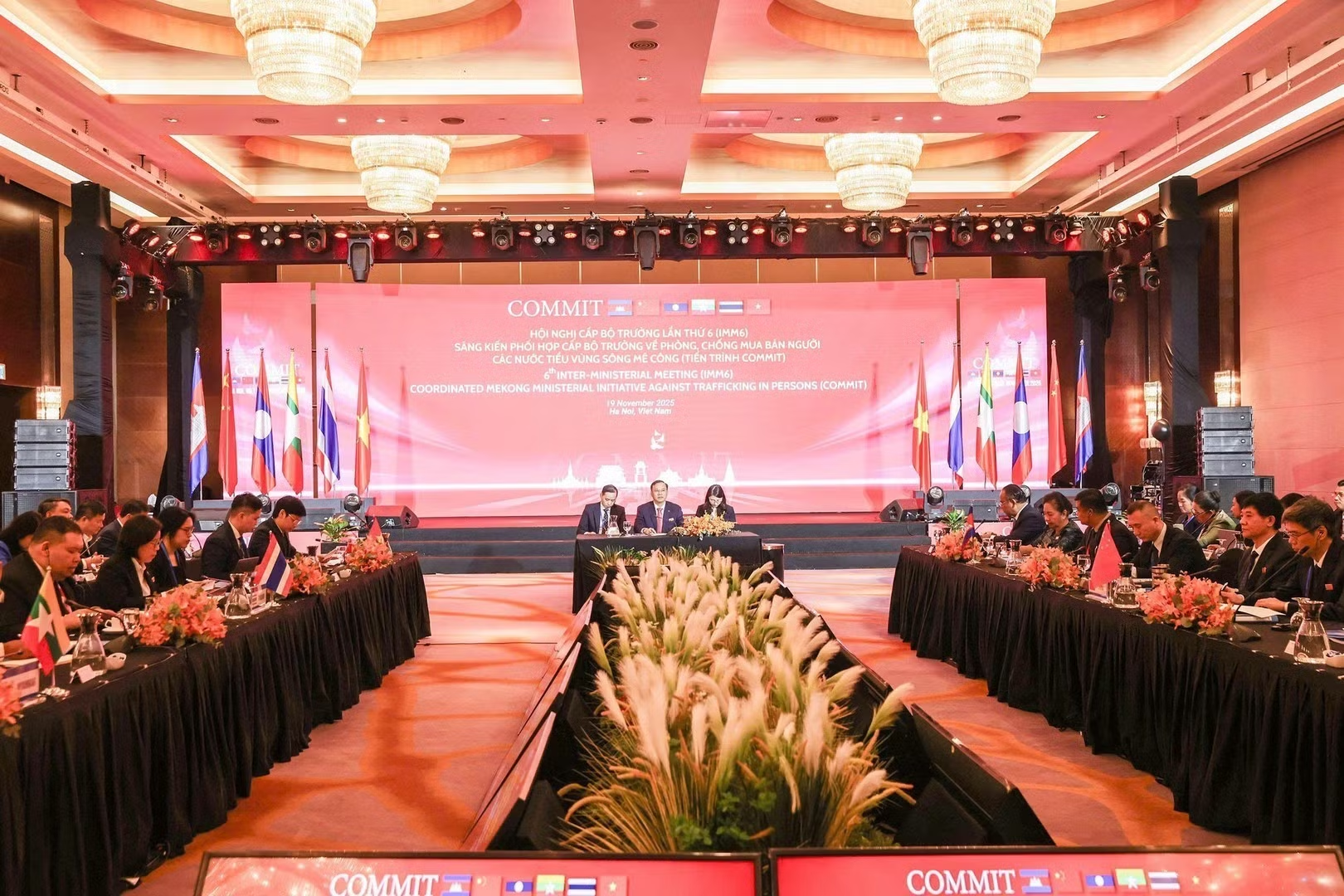
Promoting legal, safe and orderly migration is vital to reducing the risk of workers being deceived or exploited. By ensuring full access to information about recruitment, labor contracts, rights, and support mechanisms, the risk of falling victim to illegal brokerage networks can be minimized. Meanwhile, enhanced coordination between domestic agencies and foreign partners strengthens early detection, verification, and management of transnational cases.
At the multilateral level, Viet Nam is a party to key international treaties on combating human trafficking. These include the United Nations Convention against Transnational Organized Crime and its Protocol to Prevent, Suppress and Punish Trafficking in Persons, Especially Women and Children. These instruments provide an important legal framework for international cooperation in investigating and prosecuting human trafficking offenses, as well as protecting and supporting victims.
According to the United Nations Treaty Collection, Viet Nam ratified the Convention and acceded to the Protocol on June 8, 2012, reaffirming its commitment to international efforts to combat human trafficking.
Regionally, Viet Nam approved the ASEAN Convention against Trafficking in Persons, Especially Women and Children on January 5, 2017 (effective for Viet Nam from March 8, 2017). Viet Nam also actively participates in the Greater Mekong Subregion Ministerial Initiative on Combating Human Trafficking (COMMIT), and the Bali Process on People Smuggling, Trafficking in Persons and Related Transnational Crime.
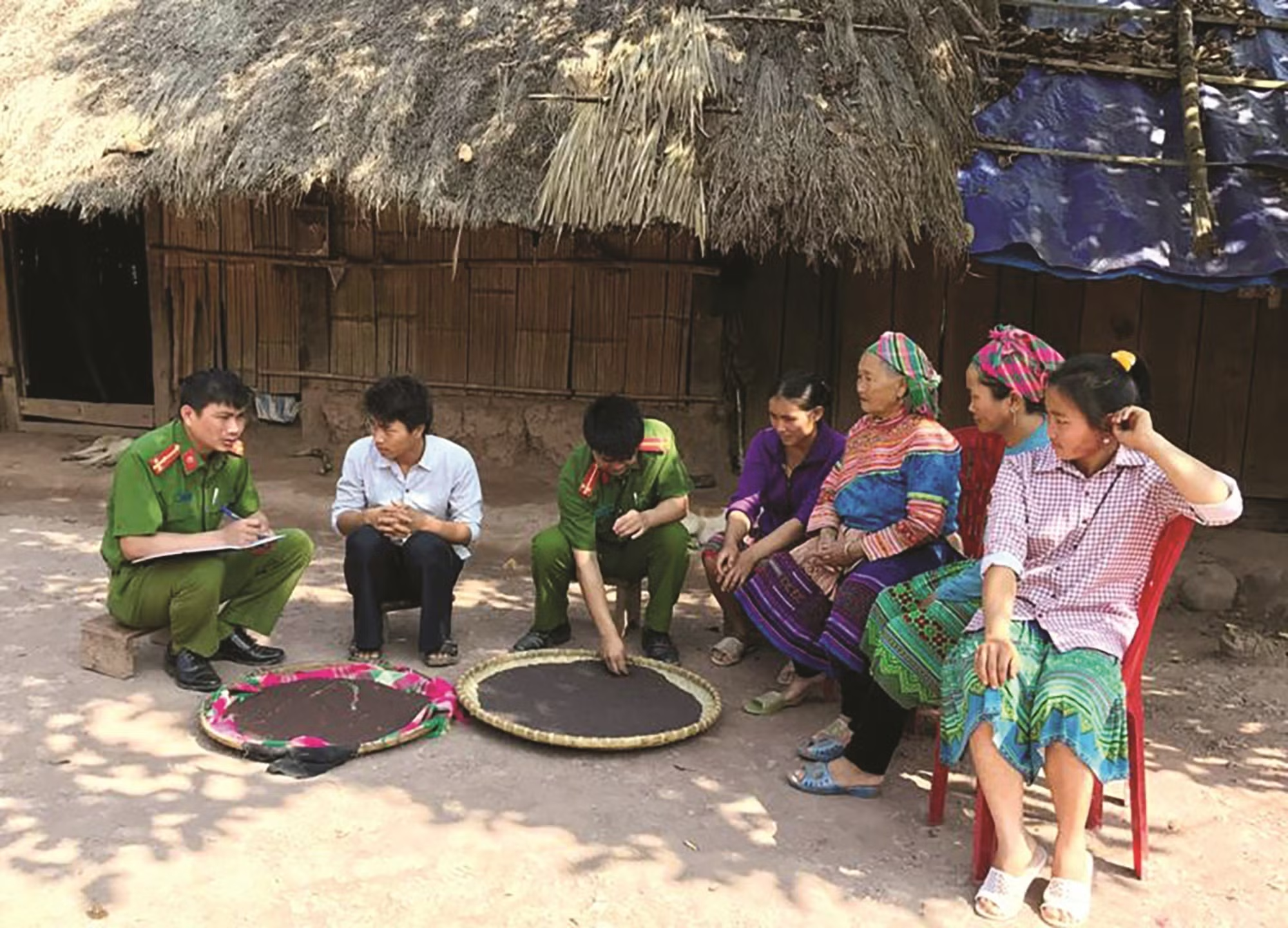
On November 19, 2025, Viet Nam also hosted the 6th Ministerial Conference of the COMMIT Process in Ha Noi, during which participating countries adopted the Subregional Action Plan for 2025–2035. Through these regional and international frameworks, Viet Nam has strengthened information sharing, law enforcement cooperation, capacity building, and efforts to identify, protect, and support victims of trafficking in persons.
Between Viet Nam and the United States, cooperation to combat human trafficking is an important area of engagement under their Comprehensive Strategic Partnership for Peace, Cooperation and Sustainable Development. The two countries have opportunities to deepen cooperation through intelligence sharing on trafficking networks, coordination in verifying suspected cases, improved identification of victims related to online scam operations, and enhanced consular assistance and citizen protection.
As human trafficking networks adopt increasingly sophisticated methods, particularly through the exploitation of cyberspace and migration channels for deception, coercion and exploitation, combating these crimes requires a coordinated approach encompassing stronger legal frameworks, effective law enforcement and closer international cooperation.
In this circustance, Viet Nam's continued efforts to prevent, detect and prosecute trafficking offenses go hand in hand with strengthened mechanisms for victim identification, protection and assistance. Such measures are essential not only to fulfilling the country's international commitments, but also to safeguarding human rights and ensuring the effective implementation of anti-trafficking policies.