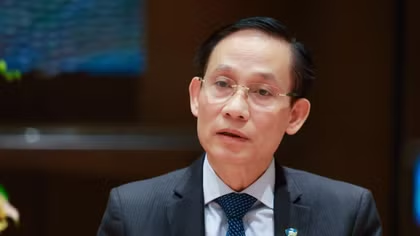
New York (VNA) – Vietnam stands ready to work with other United Nations (UN) member states and partners to push the responsible use of emerging technologies and bolster international cooperation, contributing to conflict prevention and sustainable peace, said Minister Counsellor and Deputy Permanent Representative of Vietnam to the UN Nguyen Hai Luu.
Luu made the statement during a high-level UN Security Council (UNSC) open debate in New York on November 24 (local time). The event was chaired by President Edgars Rinkevics of Latvia, which holds the UNSC presidency in November 2026.
In his speech, he said emerging technologies can make peacekeeping more efficient, but warned that misuse could escalate conflicts, endanger civilians and erode information integrity. He said the international community has a shared duty to direct technological advances toward peace and sustainable development.
Technology must be used to prevent conflict and support peaceful settlement, he said, adding that the UN should deploy it more in early warning, situational assessment, decision support, mediation and safer, more efficient peacekeeping.
Technology is a support tool only, and it cannot be substituted for political dialogue and diplomatic efforts in resolving conflicts, Luu added.
The Minister Counsellor also pressed for strict adherence to international law, including the UN Charter and international humanitarian law, with civilian protection as the baseline for technology development and use.
He called for meaningful human control, risk assessment, transparency and accountability, especially for AI and autonomous systems tied to decisions on the use of force and human life, and for global cooperation to stop AI being used to spread disinformation.
UN Secretary-General Antonio Guterres and national representatives flagged both opportunities and risks from fast-moving emerging technologies, notably AI, autonomous systems and drones. They highlighted potential gains in early warning, conflict prevention, mediation, peacekeeping efficiency improvement and civilian protection.
However, they also voiced concern that misuse could intensify and widen conflicts, spread disinformation and threaten civilians.
They stressed that political and diplomatic solutions must remain central to conflict resolution, while technology must be developed and used responsibly, under human oversight and in line with international law, especially international humanitarian law, and that international cooperation and UN adaptability need to be stronger.