- Brexit could sway Scottish voters toward independence from UK: poll
- 'Not the End of the World': PM May Claims UK Can Benefit From No-Deal Brexit
- EU Making 'Massive Miscalculation' in Negotiations With UK - Ex-Brexit Secretary
- Not Too Late for UK to Overturn Brexit Decision, Remain in EU – French Minister
- UK PM Theresa May Delivers 'Brexit & Union' Speech in N. Ireland
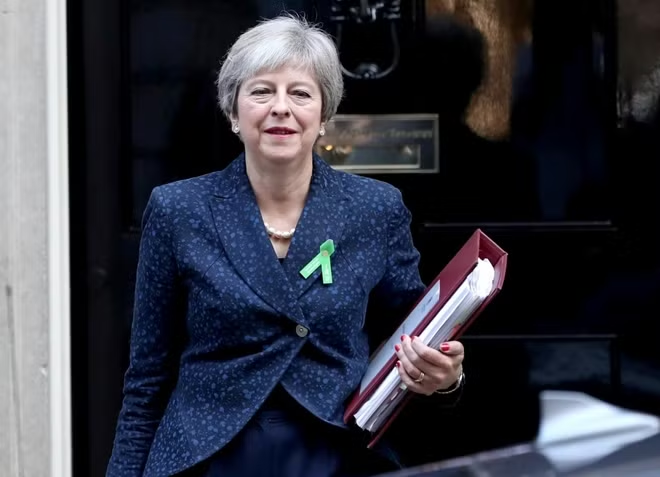 |
| Britain's Prime Minister Theresa May leaves Downing Street in London, Britain, October 10, 2018. REUTERS/Simon Dawson/File Photo |
Brexit negotiations with the European Union have accelerated and become more positive over the past week, though significant hurdles remain, finance minister Philip Hammond said.
“What has happened over the last week, 10 days, is that there has been a measurable change in pace,” he told the BBC.
“But that shouldn’t conceal the fact that we still have some big differences left to resolve,” Hammond said. “So process is a lot more positive this week - substance still very challenging.”
With less than six months to go until the United Kingdom is due to leave the EU, May is seeking to rally support at home on the details of a divorce deal though it is unclear if she can win parliament’s approval for any agreement.
Britain warned on Friday that leaving the EU without a divorce deal would mean drugmakers needing to stockpile experimental treatments from remaining member states in case of border delays. Professional qualifications from European nations may no longer be recognized in Britain, it added.
The government, which has warned of a no-deal Brexit, published more than 25 technical notices covering issues from consumer rights and sanctions policy to rail transport and taking horses abroad.
But British and EU negotiators are making headway on the Irish border issue, the biggest hurdle to an overall agreement, and hope for a Brexit deal breakthrough on Monday, diplomats said.
The Irish border “backstop”, which seeks a way to avoid customs checks on the frontier between the British province of Northern Ireland and Ireland if there is no overall exit deal, has become the biggest sticking point in negotiations.
DEAL OR NO DEAL?
May’s Northern Irish supporters vehemently oppose any checks between the province and mainland Britain after Brexit.
The head of the Democratic Unionist Party, Arlene Foster, said May “could not in good conscience” back an EU proposal for checks on goods being imported to Northern Ireland from Britain after Brexit.
Under May’s proposals, the whole of the United Kingdom would forge a customs partnership with the EU after a transition period ends in December 2020 in the event of the backstop being triggered.
Some of May’s ministers have urged her to put a time limit on that plan.
Britain’s international trade, environment and Brexit ministers told May at a meeting on Thursday that they fear the whole of Britain could remain in the EU customs union for an open-ended period, the BBC said.
May will never agree to a backstop plan that means Britain could be permanently tied to the bloc’s customs rules, her spokeswoman said on Friday. “The prime minister would never agree to a deal which could trap the UK in a backstop permanently,” she said.
The Times newspaper reported May was warned the issue was so serious that she could face further cabinet resignations unless she found a way to ensure the backstop was not permanent.
Speaking to Northern Ireland journalists at her Downing Street office, May said on Thursday that talks on the Irish backstop were likely to continue until November.
In the worse case scenario of Britain failing to agree a divorce deal, the government warned that the single electricity market shared between Northern Ireland and the Irish Republic may not continue. Consumers may also no longer enjoy the protections they are used to when buying goods and services in the EU, it added.
However, the government said it was working hard to mitigate such risks.
Britain will continue to enforce EU economic sanctions in force when it leaves the bloc on March 29, even if it does not secure an exit deal.
Brexit supporters accept there is likely to be some short-term economic pain but say the government is trying to scare voters about the impact of a no-deal exit.