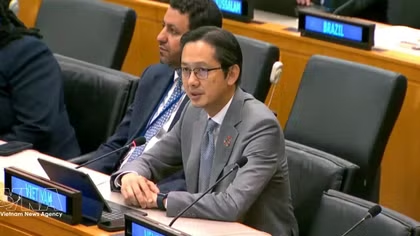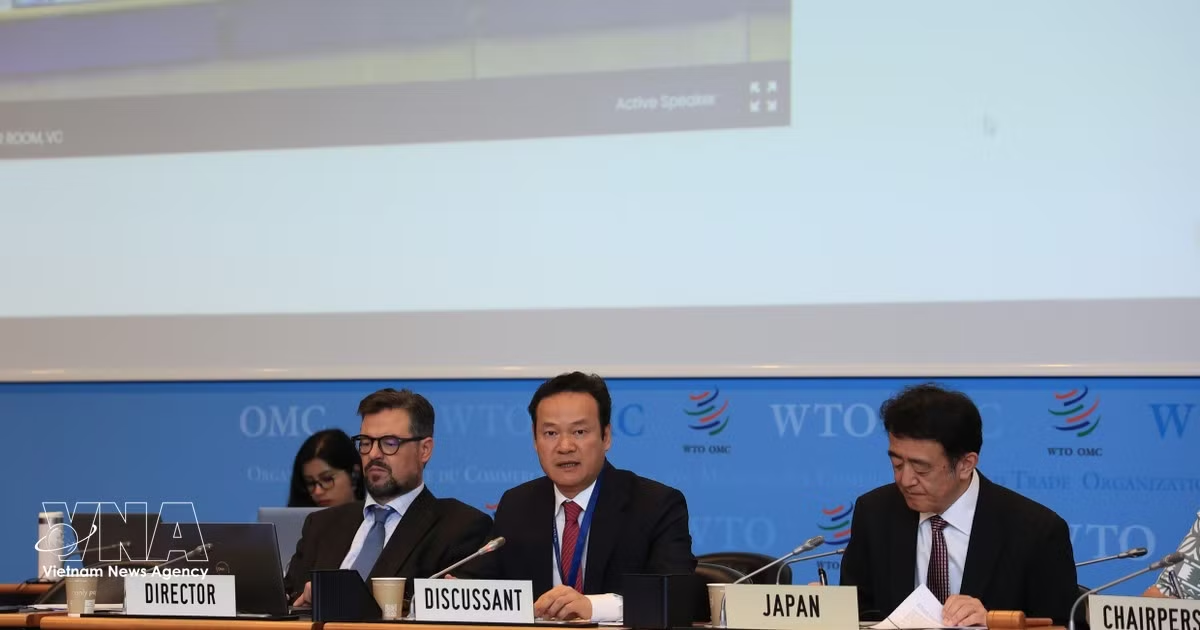
Geneva (VNA) - Vietnam remains steadfast in supporting the central role of the World Trade Organization (WTO) in the multilateral trading system, Ambassador Mai Phan Dung, Vietnam's Permanent Representative to the United Nations, the WTO, and other international organizations in Geneva, Switzerland, said.
In an interview with Vietnam News Agency correspondents in Geneva ahead of Vietnam’s third Trade Policy Review (TPR), the ambassador outlined three key messages that Vietnam wishes to convey to WTO members.
First, Vietnam remains committed to deep, proactive and substantive international economic integration. Two decades of WTO membership have demonstrated the importance of international integration in promoting economic reforms, expanding trade, attracting investment and strengthening national competitiveness. Moving forward, Vietnam will focus not only on expanding economic and trade ties but also on improving the quality of integration, fulfilling commitments effectively and making better use of opportunities.
Second, Vietnam will continue institutional reforms, improve its investment and business environment, and strengthen the economy’s internal capacity. Priorities include enhancing policy transparency, stability and predictability, simplifying administrative procedures, promoting science and technology, innovation and digital transformation, and improving domestic enterprises’ competitiveness and integration into regional and global value chains. Vietnam also recognizes challenges, particularly the dependence of some export industries on imported materials and components, as well as the difficulties small- and medium-sized enterprises face in accessing technology, finance, and markets.
Third, Vietnam seeks to make more proactive and substantive contributions to shaping international trade rules and cooperation frameworks. Alongside fulfilling existing commitments, it will actively engage in discussions on emerging issues, including the digital economy, e-commerce, green transition, sustainable development and supply chain resilience.
Against the backdrop of rising protectionism, geopolitical competition and supply chain restructuring, the ambassador stressed that strengthening the rules-based multilateral trading system and safeguarding national economic and trade interests are complementary objectives. As a highly open economy deeply integrated into regional and global value chains, Vietnam considers a stable, transparent and predictable international trading environment essential to protecting businesses’ legitimate interests and sustaining growth. It therefore supports WTO reform efforts, particularly efforts to strengthen the organization’s negotiating and monitoring functions and restore a fully functioning and effective dispute settlement system.
The ambassador emphasized that improvements to multilateral trade rules should preserve the system’s fundamental principles while accounting for differences in development levels and implementation capacities among members, particularly developing economies.
Meanwhile, Vietnam is working to enhance economic autonomy and resilience through market, partner and supply chain diversification, stronger domestic production and greater local added value. It will also ensure that legitimate national interests, public health, environmental protection, consumer rights and economic security are safeguarded through transparent, predictable policies consistent with international commitments.
Vietnam believes that sustainable protection of national interests amid growing uncertainty does not lie in limiting integration or staying outside international cooperation mechanisms, but in actively shaping rules, strengthening domestic capacity and effectively using multilateral mechanisms to protect its legitimate rights and interests, he added.
Vietnam officially signed its WTO accession protocol in Geneva on November 7, 2006, and became the organization’s 150th member in January 2007. The WTO’s Trade Policy Review Mechanism is an important instrument for promoting transparency in members’ trade policies and their implementation of commitments.