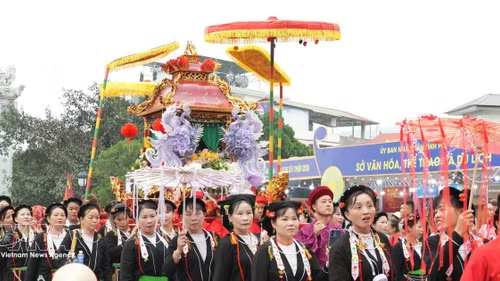
A festival on the cultural preservation and development of the ethnic Cham community will be held in the central province of Phu Yen from August 13-16.

The fifth Culture, Sports and Tourism Festival includes the participation of ethnic Cham people from 12 provinces and cities, including Da Nang, Quang Nam, Binh Dinh, Khanh Hoa, Ninh Thuan, Binh Thuan, Dong Nai, Tay Ninh, Binh Phuoc, An Giang, HCM City and Phu Yen.
The main activities will include an art shows, traditional costume and folklore art performances, photo exhibition, and food and folk game competitions.
The highlight will be a ceremony to receive the national special relic site certificate for Thap Nhan (Nhan Tower) at April 1 Square on the evening of August 14.
Nhan Tower was built by the Cham from the 10th to 13th century at Nhan Mountain on the Ba River side in Tuy Hoa city. It is a quadrangle with four 23.5m high sides.
It is the only Cham tower still intact in the province. An altar inside the tower is a unique architectural Cham feature and one of the few remaining Cham altars.
During the festival, tours will be designed to explore tourism spots in the province and a seminar on connecting Phu Yen tourism and other central south provinces will be held.
The festival will not only honor, promote and introduce the cultural heritage of the Cham but also feature attractions of the southern and central south regions.
The festival organisers aim to improve national pride and strengthen solidarity and mutual understanding among Vietnamese ethnic groups.

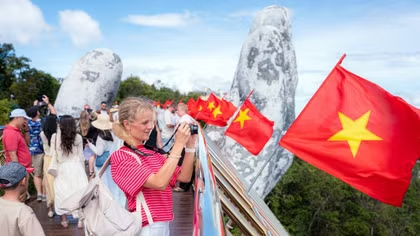
Located in central Vietnam, Da Nang is “blessed with mountains, a long city beach and a cool vibe”. The Son Tra Peninsula offers peaceful natural surroundings and panoramic sea views, while the city’s beaches provide opportunities for swimming, relaxation and outdoor activities.
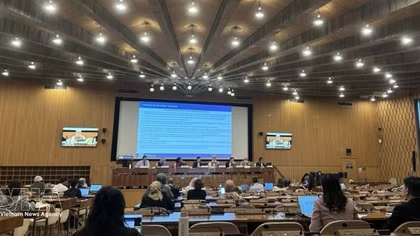
The decision reflects international recognition of Vietnam's efforts to preserve its geological, natural and cultural heritage while linking conservation with sustainable tourism development and improved livelihoods for local residents.
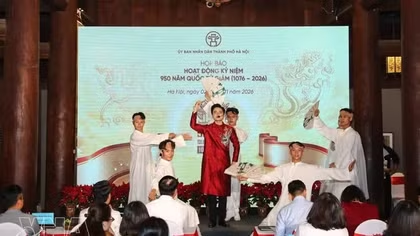
Founded in 1076 under King Ly Nhan Tong, Quoc Tu Giam played a pivotal role in Vietnam’s education and examination systems, nurturing generations of scholars and becoming a symbol of the country's intellectual and cultural heritage.
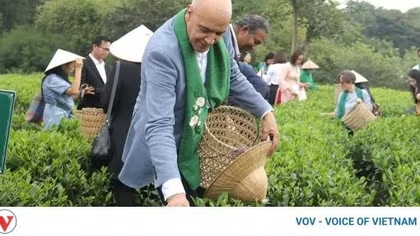
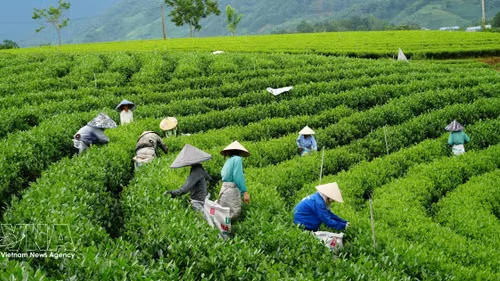
VOV.VN - Foreign diplomats in Vietnam have tried their hand at picking and pan-firing tea leaves in Vietnam’s northern Thai Nguyen province, gaining first-hand insight into the traditional craft behind the distinctive flavour of Tan Cuong tea.
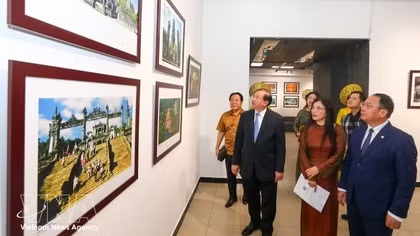
Guided by the Politburo's Resolution No. 80-NQ/TW on Vietnamese cultural development, a range of cultural activities held nationwide over the past week have highlighted efforts to preserve and promote national identity while encouraging creativity and expanding public access to culture.
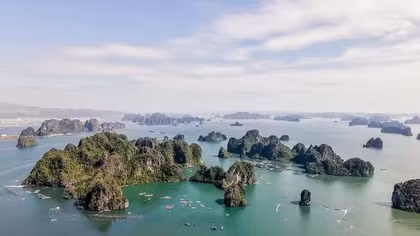
Ha Long Bay boasts a unique seascape of islands and islets along with an increasingly developed tourism infrastructure and service sector, while Quang Ninh possesses favourable conditions for the growth of sailing.
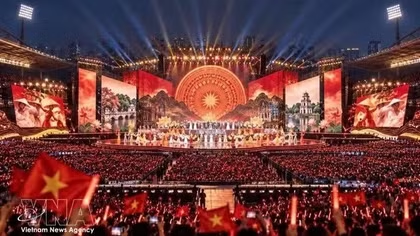
Through its performances, the concert aims to trace the evolution of Vietnamese culture from its roots to the present and future, connecting heritage values with contemporary creativity.
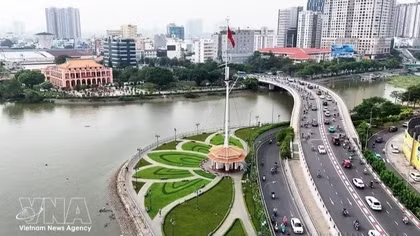
The city’s tourism sector is rolling out key measures to accelerate growth during the final push of the year. These include expanding markets and attracting both international and domestic visitors.
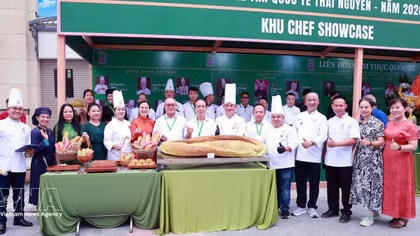
The dishes featured creative combinations of tea ingredients, including tea-roasted veal, tea-wrapped eel, tea-smoked tuna and shrimp salad with tea leaves. The creations offered visitors novel culinary experiences.

During the journey from Hanoi to Luu Xa Station in Thai Nguyen, passengers can enjoy local tea and traditional cuisine, as well as performances of Then folk singing accompanied by the Tinh lute, a traditional musical instrument of ethnic communities in northern Vietnam.
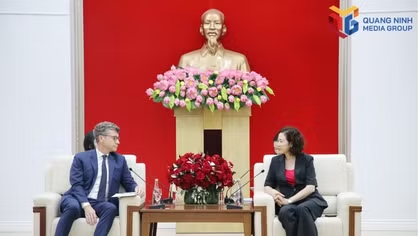
UNESCO is ready to work with Quang Ninh in priority areas such as education, culture, heritage management and promotion, science – technology, innovation, and digital transformation, which are also among the organisation’s strategic priorities in Vietnam.
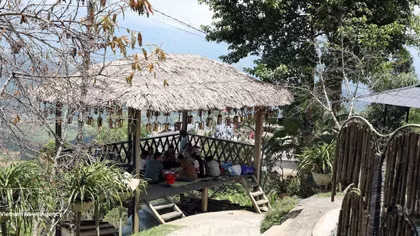
Despite difficult terrain and limited transport infrastructure, villages in Lai Chau and Son La provinces are turning their natural landscapes, distinctive cultures and rural lifestyles into tourism assets.

Through the programme, Hanoi seeks to recreate the continuous flow of Vietnamese culture from its origins to the present and future, connecting traditional heritage with contemporary creativity and combining traditional arts with modern stage technology to create a distinctive artistic space with intellectual depth and broad social resonance.
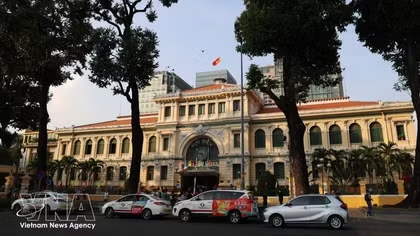
The city’s Resolution No. 62/2025/NQ-HDND on support policies for MICE tourism has provided an important framework for attracting business events through 2030. Ho Chi Minh City is targeting conferences, exhibitions and events in priority sectors such as finance, technology, innovation, logistics, healthcare, education, industry and the marine economy.
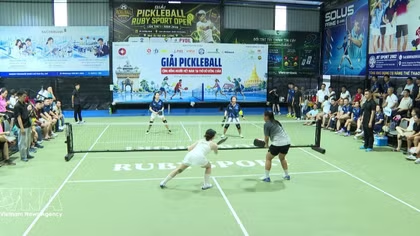
The event also helped build momentum for the 12th Congress of the Association of Vietnamese People in Vientiane, scheduled for early November, and the fourth Congress of the General Association of Vietnamese People in Laos, expected to take place in late December.
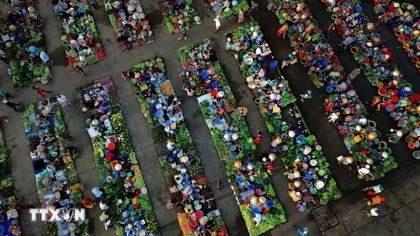
Vi Thanh’s squat market in the Mekong Delta city of Can Tho retains the simple, rustic charm of a traditional market, with vendors selling fresh produce picked from their home gardens.
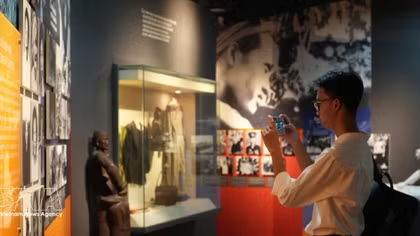
The Southern Women’s Museum has digitised 1,113 artifacts, but only 113 are available to the public. Thousands more are waiting for an exhibition system to be built under an expansion project
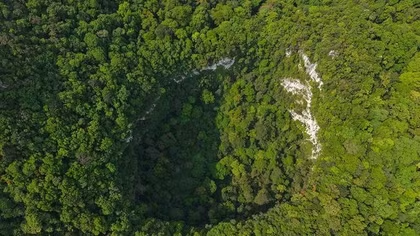
A sinkhole measuring 190 meters wide, 140 meters long, and 120 meters deep, and with a primeval forest at its bottom has been explored in the Phong Nha-Ke Bang National Park in central Vietnam.

The challenge is particularly evident in coastal destinations, where beautiful beaches attract visitors but do not necessarily encourage longer stays. Expanding hotel capacity alone cannot guarantee higher returns without attractive nightlife, convenient transport, distinctive experiences and a healthy environment, according to eMagazine VnEconomy.
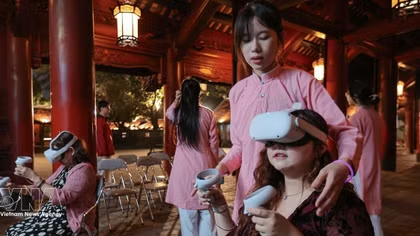
When innovation deepens understanding of traditional values rather than replacing them, heritage becomes not only something to preserve but also a resource for sustainable tourism, economic development and reinforcement of Hanoi’s position as a UNESCO Creative City.