Spreading Vietnamese cultural identity in digital space

In the context of deep international integration, cultural identity serves as both a “shield” against assimilation and a defining marker of a nation’s image. Protecting and promoting uniquely Vietnamese cultural values has therefore become a pressing task, particularly in an increasingly complex digital environment.

The rapid advancement of technology is breathing new life into Vietnam’s cultural heritage, enabling values once confined to museums to reach wider audiences through creative works by artists, communities and individuals.
Spreading Vietnamese cultural identity in digital space -0
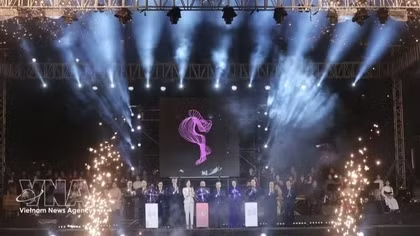
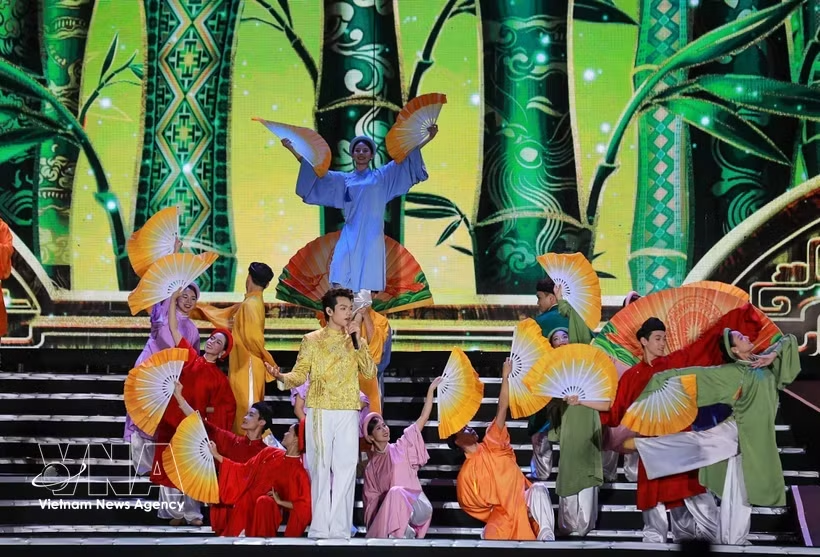
A performance at the art programme to welcome the New Year 2026. (Photo: VNA)


However, alongside these positive developments, the rise of distorted or misleading content online is posing risks to the preservation of national cultural identity.

Maintaining natural cultural identity

In the context of deep international integration, cultural identity serves as both a “shield” against assimilation and a defining marker of a nation’s image. Protecting and promoting uniquely Vietnamese cultural values has therefore become a pressing task, particularly in an increasingly complex digital environment.

Recent years have seen Vietnam’s cultural sector evolve beyond traditional preservation efforts towards a more dynamic ecosystem integrating creativity, digitalisation and technology. This shift has been reinforced by the Politburo’s Resolution No. 57-NQ/TW on making breakthroughs in science – technology development, innovation and national digital transformation, which identifies technology as a critical driver for cultural development.

The expansion of digital platforms has democratised cultural production, allowing not only artists and intellectuals but also ordinary citizens to participate in the cultural marketplace. As a result, many culturally rich products have gained widespread popularity both domestically and internationally. Music videos such as “Bac Bling” by Hoa Minzy, “Phu Dong Thien Vuong” by Duc Phuc, and “See Tinh” by Hoang Thuy Linh have attracted millions of viewers, showcasing Vietnamese identity through modern creative expression.

Major national events, including celebrations marking the 50th anniversary of national reunification and the 80th founding anniversary of the country last year, have also leveraged advanced technologies to highlight traditional cultural values, creating immersive and emotionally engaging experiences that resonate strongly with audiences. In this context, technology is increasingly viewed as a “highway” connecting the present with the past, enabling people to rediscover and appreciate heritage in new ways.

Despite these achievements, challenges remain. The digital space continues to host content that is sensationalist, culturally inappropriate or even distorts historical facts. Such content, often driven by the pursuit of online popularity and a lack of cultural and legal awareness, can negatively affect public perception and social values. In some serious cases, authorities have had to intervene to remove harmful content and handle violations.

Improving cultural “immunity” among community

Addressing these issues requires enhancing both digital literacy and cultural awareness among the public. Experts emphasise that building “cultural resilience” must begin with education, particularly for younger generations. Instilling national pride, cultural knowledge and responsible online behaviour into every citizen will help shape how individuals engage with and contribute to the digital environment.

Dr Nguyen Thi Tuyet Nhung from the Viet Bac College of Culture and Arts said education in the digital era should go beyond professional training to include cultural autonomy, information literacy and a strong sense of responsibility towards preserving national identity. She advocates integrating digital humanities, media ethics and cultural studies into curricula from general to higher education to equip students with both technological competence and humanistic depth.

In addition, stronger involvement from the humanities and social sciences community is essential to guide the development of cultural identity in the digital space, she said.

Cultural values must be clearly defined and effectively communicated through education and media to enhance public awareness. At the same time, regulatory frameworks and codes of conduct need to be strengthened to prevent the spread of harmful content while encouraging creative contributions that promote Vietnamese cultural identity, according to experts./.
VNA

Other News

Ho Chi Minh City to host a wide range of activities celebrating Viet Nam Culture Day

Ho Chi Minh City to host a wide range of activities celebrating Viet Nam Culture Day

PSNews – As Viet Nam prepares to celebrate its first nationwide Viet Nam Culture Day on November 24, Ho Chi Minh City is gearing up for a diverse series of cultural, artistic, sporting and tourism activities across its 168 wards, communes and special zones, aiming to honor national cultural identity and promote the spirit of great national unity.

Lung Cu tourism development requires coordinated infrastructure investment

Lung Cu tourism development requires coordinated infrastructure investment

Tourism growth has brought more visitors to Lung Cu, prompting accommodation establishments and restaurants to operate at high capacity and driving up demand for electricity and water. However, some infrastructure facilities have yet to keep pace, affecting business operations and visitors' experiences.

Sa Pa: A mountainous land blossoming in all four seasons

Sa Pa: A mountainous land blossoming in all four seasons

Alongside efforts to preserve the cultural identity of local ethnic communities, Sa Pa ward in the northern mountainous province of Lao Cai is accelerating digital transformation, developing smart urban services and upgrading infrastructure and public spaces to build a green, culturally distinctive and smart urban area.

Mong women turn traditional craft into destination appeal

Mong women turn traditional craft into destination appeal

Alongside local cuisine, traditional attire, and folk games, linen weaving has become a crucial asset in enhancing Lung Tam commune's tourism appeal, creating new livelihood opportunities, and inspiring locals to preserve their heritage.

Top leader attends ceremony marking Quoc Tu Giam's 950th anniversary

Top leader attends ceremony marking Quoc Tu Giam's 950th anniversary

General Secretary of the CPV Central Committee and President To Lam called for preserving the Van Mieu – Quoc Tu Giam heritage and putting its spirit into daily school life. He asked Hanoi to work closely with culture, education and research agencies to complete open digitised materials on the relic soon.

Hanoi Creative Design Festival 2026 opens, targets creative economy

Hanoi Creative Design Festival 2026 opens, targets creative economy

Running from November 13-28, the festival features 150 activities across five cultural, heritage and creative clusters and draws nearly 1,000 domestic and foreign artisans, artists, designers and experts, including nearly 100 foreign artists and overseas Vietnamese from 21 countries.

Traditional attire reflects Cham Muslim cultural identity

Traditional attire reflects Cham Muslim cultural identity

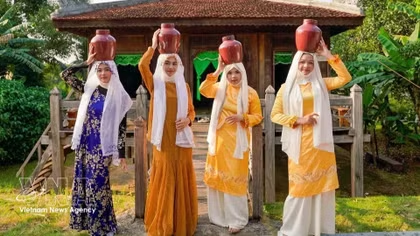
The Cham, one of Vietnam’s 54 ethnic groups, have a rich cultural heritage, with Muslim communities concentrated in An Giang province and other southern localities. Their traditional clothing, distinguished by diverse styles, colours and fabrics, reflects Islamic beliefs, modesty and aesthetics while preserving a cultural identity passed down through generations.

UNESCO expects Vietnam to lead cultural cooperation initiatives

UNESCO expects Vietnam to lead cultural cooperation initiatives

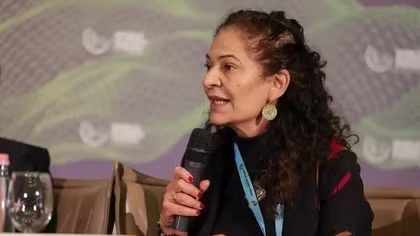
Lidia Brito, UNESCO Assistant Director-General for Priority Africa and External Relations, praised Vietnam’s contributions to education, science, culture and information, describing the 50-year partnership between Vietnam and UNESCO as a sustained and increasingly substantive journey.

UNESCO recognizes 'Pho Hien Steles' and 'Ma Nhai Inscriptions on Non Nuoc Mountain'

UNESCO recognizes 'Pho Hien Steles' and 'Ma Nhai Inscriptions on Non Nuoc Mountain'

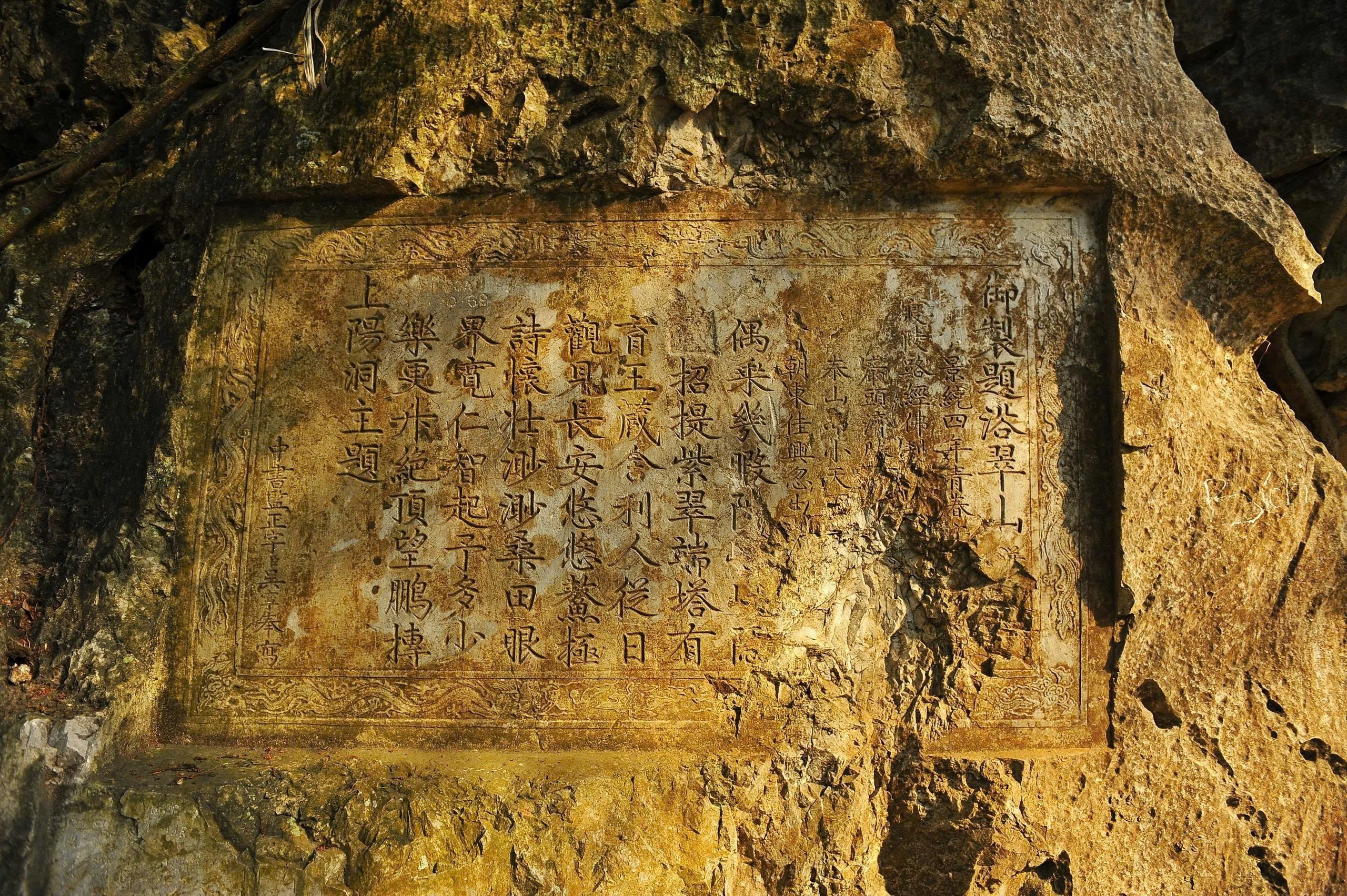
On the afternoon of November 5, at the 11th Session held in Jakarta, Indonesia, the Memory of the World Committee for Asia and the Pacific (MOWCAP) under UNESCO approved the inscription of the "Pho Hien Steles" from Hung Yen Province and the "Ma Nhai Inscriptions on Non Nuoc Mountain" from Ninh Binh Province into the Asia-Pacific Regional Register of Documentary Heritage.

Vietnamese community in the UK preserves cultural identity

Vietnamese community in the UK preserves cultural identity

In February 2027, Tet culture and the Vietnamese language are expected to feature for the first time as the main focus on the central stage of the annual Lunar New Year event at the National Maritime Museum in the UK, part of the Maritime Greenwich World Heritage Site. The 2027 London Ao Dai Week is also expected to go ahead.

Da Nang named among Lonely Planet's 'Best in Travel 2027' list

Da Nang named among Lonely Planet's 'Best in Travel 2027' list

Located in central Vietnam, Da Nang is “blessed with mountains, a long city beach and a cool vibe”. The Son Tra Peninsula offers peaceful natural surroundings and panoramic sea views, while the city’s beaches provide opportunities for swimming, relaxation and outdoor activities.

Foreign diplomats experience tea picking in Thai Nguyen

Foreign diplomats experience tea picking in Thai Nguyen

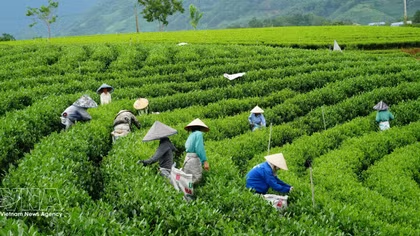
VOV.VN - Foreign diplomats in Vietnam have tried their hand at picking and pan-firing tea leaves in Vietnam’s northern Thai Nguyen province, gaining first-hand insight into the traditional craft behind the distinctive flavour of Tan Cuong tea.