Visit to advance strategic priorities
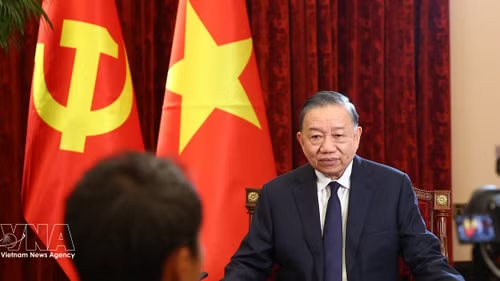
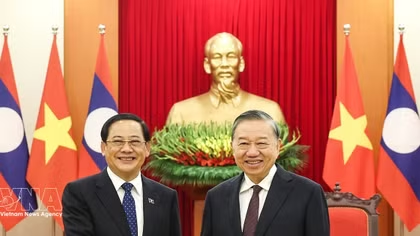
At the invitation of the State of Japan, General Secretary of the Communist Party of Viet Nam and State President To Lam, accompanied by his spouse and a high-level Vietnamese delegation, will pay an official visit to Japan from November 8 to 11, 2026.
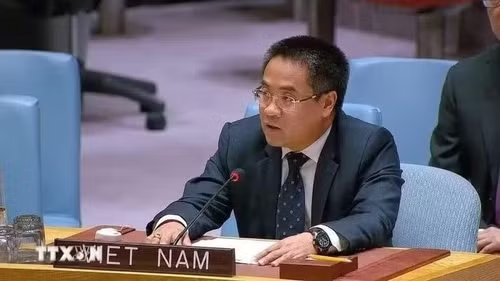
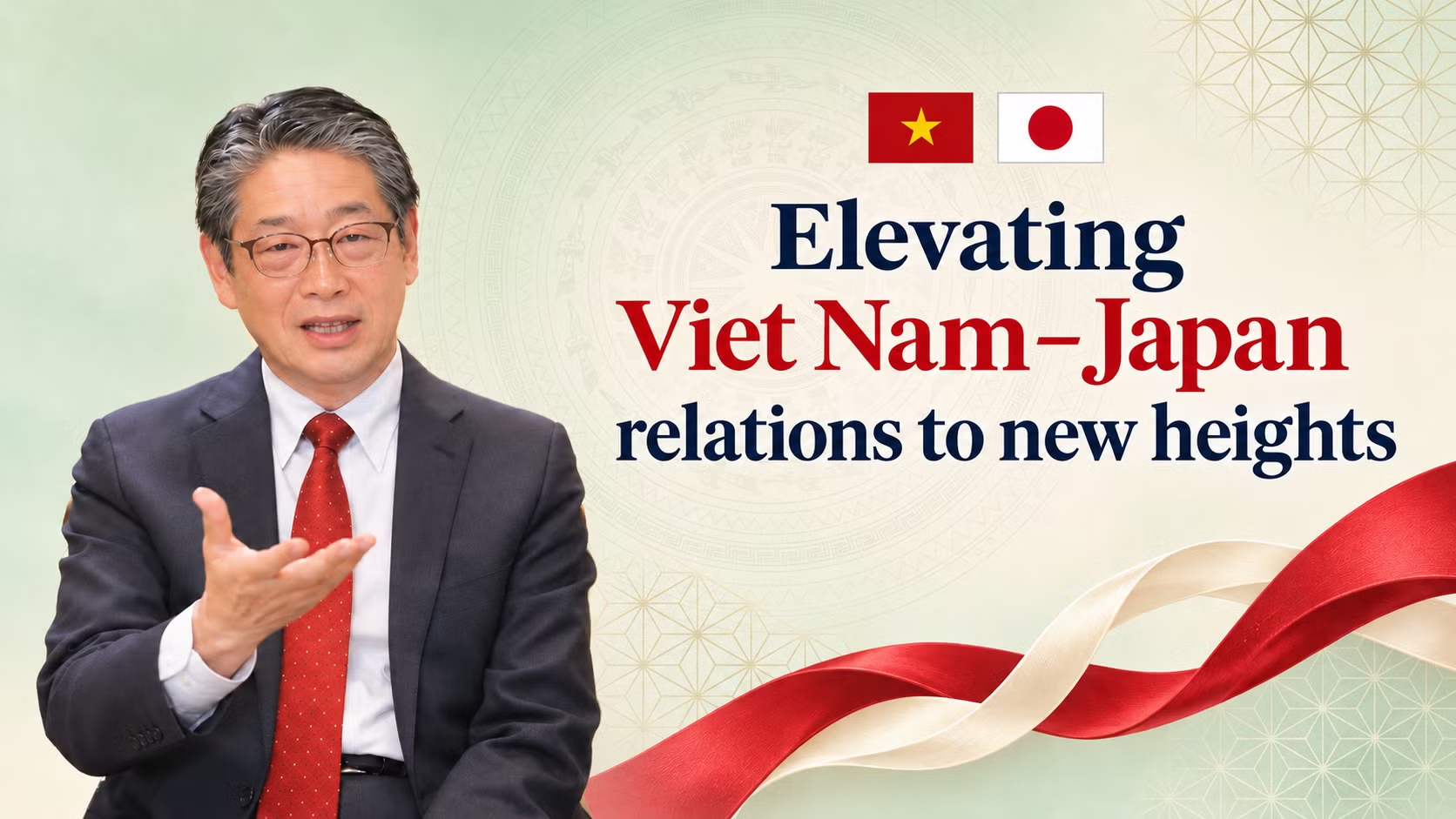
Speaking to the press ahead of the visit, Ambassador Ito Naoki reaffirmed Tokyo's strong commitment to the event and its desire to work closely with Viet Nam to achieve substantive outcomes, further reinforcing the Viet Nam-Japan Comprehensive Strategic Partnership for Peace and Prosperity in Asia and the World.
He noted that General Secretary and President To Lam's visit to Japan during the opening year of his term following the 14th National Party Congress underscores the profound importance Viet Nam attaches to bilateral ties.
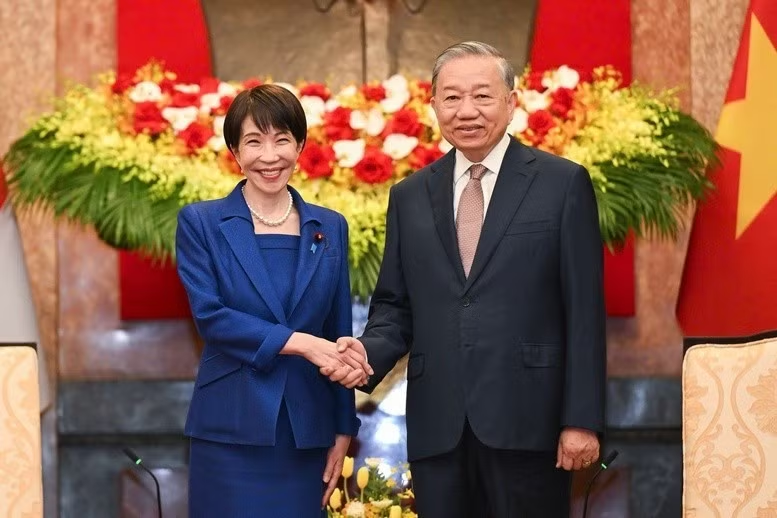
Japanese Prime Minister Takaichi Sanae visited Viet Nam in May. The Ambassador observed that reciprocal leadership visits within the same calendar year provide an invaluable platform to operationalize previously agreed strategic directions, thereby propelling Viet Nam–Japan relations to unprecedented levels.
Ambassador Ito highlighted three primary pillars of cooperation for this visit: Strengthening coordination to uphold regional and global peace and stability; Enhancing economic security, reinforcing supply chain resilience, and accelerating innovation; and Expanding people-to-people exchanges, cultural ties, and local-level cooperation.
Amid growing global uncertainties, the Ambassador emphasized the imperative of upholding a rules-based international order and the rule of law, principles shared by both nations. On this foundation, Viet Nam and Japan have steadily deepened defense and security cooperation through high-level dialogues and practical joint initiatives.
During talks held in the Philippines on October 28, Japanese Minister of Defense Koizumi Shinjiro and Vietnamese Deputy Prime Minister and Minister of National Defense Phan Van Giang discussed cooperative measures to contribute to regional peace and development, reaching a consensus to further advance the joint development and production of high-speed landing craft. Furthermore, the Japanese Government and corporate sector are set to participate in the Viet Nam International Defence Expo this coming December.
On November 2, a Japanese shipbuilding firm signed a contract with the Viet Nam Coast Guard to construct six patrol vessels under a project financed by Japanese Official Development Assistance (ODA) loans valued at up to 36.6 billion yen (approximately US$236 million).
"Bilateral defense and security cooperation is expanding across multiple domains, including Japan's Official Security Assistance (OSA) framework. Given Viet Nam's active contributions to United Nations peacekeeping operations (PKO) abroad, including in African nations, Japan is actively advancing cooperation under the OSA framework to provide essential equipment to Viet Nam at the earliest opportunity," Ambassador Ito stated.
The Ambassador affirmed Japan's unwavering commitment to accompanying Viet Nam in its economic development, elevating its international stature, and contributing to regional peace and stability.
High-tech cooperation and quality investment to drive new growth
According to Ambassador Ito, Viet Nam and Japan will strive for deeper collaboration in advanced high-content technological sectors, including artificial intelligence (AI), semiconductors, digital transformation (DX), green transformation (GX), and critical minerals.
Japan seeks to foster joint research initiatives in semiconductors and AI while expanding doctoral scholarship and research opportunities for Vietnamese scholars in Japan. Through the Japan International Cooperation Agency (JICA), Tokyo also plans to extend a concessional loan to support the refinement of Viet Nam's AI-related policy and institutional frameworks.
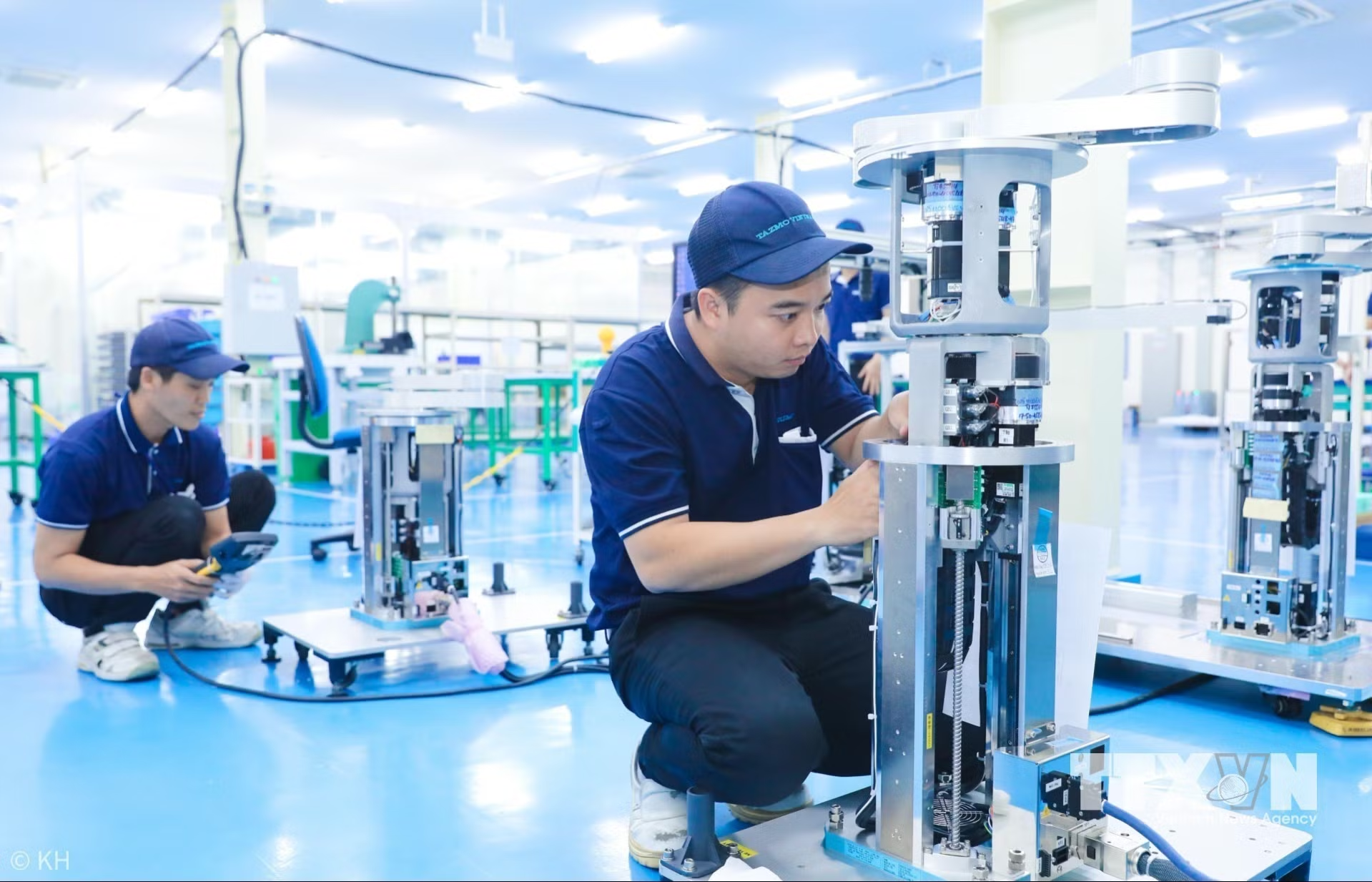
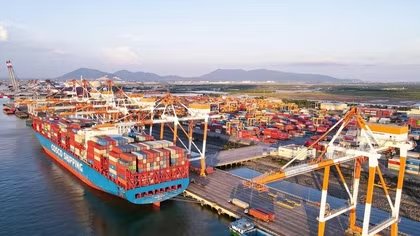
These strategic orientations unfold against the backdrop of expanding bilateral trade and investment. Data provided by the Ambassador indicates that two-way trade reached US$43.7 billion in the first nine months of 2026, marking a 15% year-on-year increase.
At the current growth trajectory, total bilateral trade is projected to hit approximately US$58 billion for the full year and reach US$75 billion by 2030.
Characterizing Viet Nam as a highly promising manufacturing hub in Asia, Ambassador Ito identified electrical equipment, electronic components, and automotive parts as sectors with exceptional growth potential. The expansion of manufacturing is anticipated to generate sustained demand for imported components and sub-assemblies, further stimulating two-way trade flows.
Agricultural trade likewise holds substantial untapped potential. Both nations are working toward market access approvals for Japanese grapes and Vietnamese pomelos. Meanwhile, rising disposable incomes and an expanding middle class in Viet Nam are generating robust demand for premium Japanese imports such as sake and Wagyu beef.
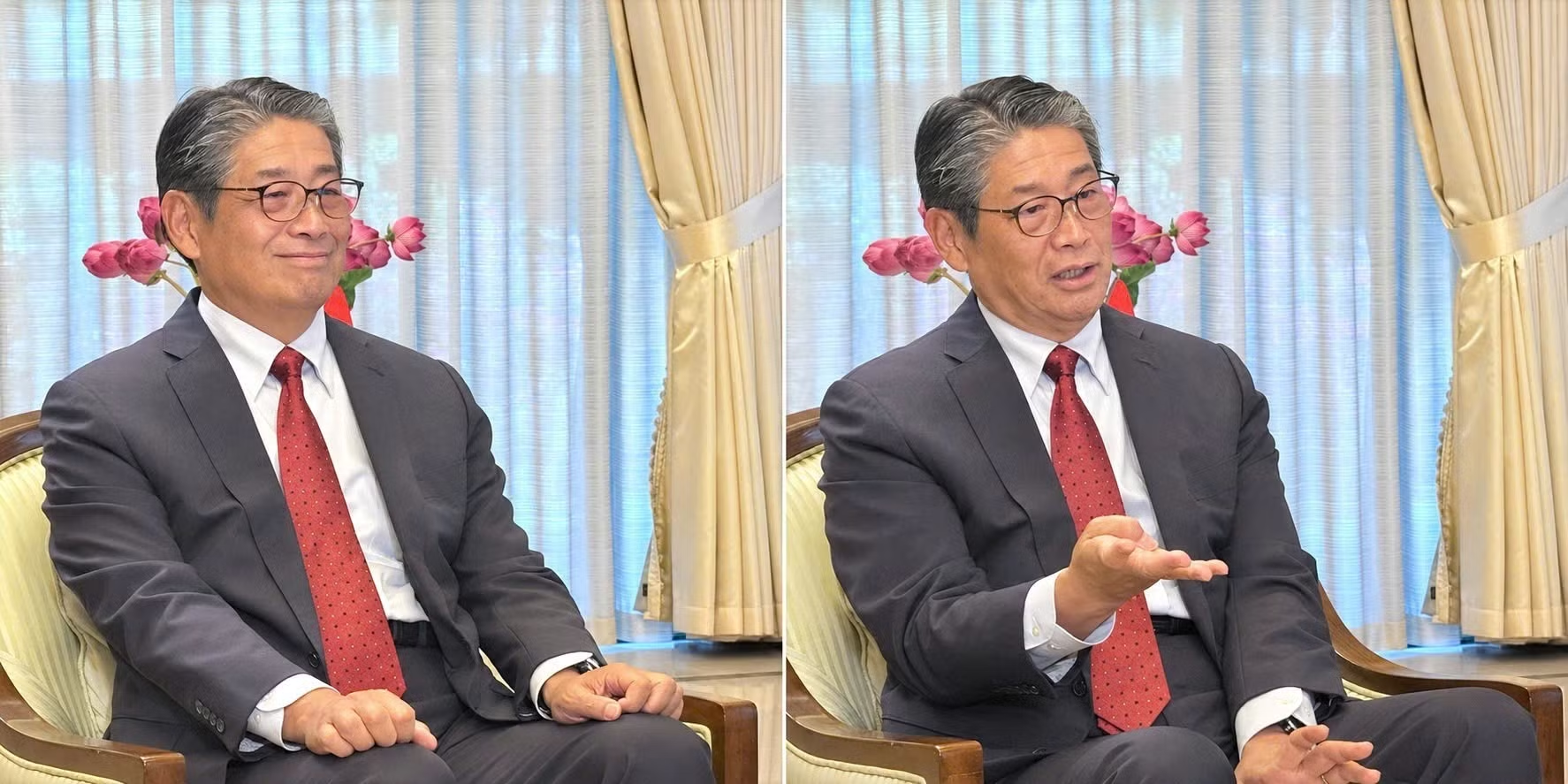
In the realm of investment, Japanese capital inflows into Viet Nam reached US$2.45 billion during the first nine months of the year, a 15.5% increase, bringing cumulative registered investment to US$81.2 billion, and cementing Japan's position as Viet Nam's third-largest foreign investor.
Citing Honda's 90% motorcycle localization rate in Viet Nam, the Ambassador underscored the active efforts of Japanese enterprises to integrate Vietnamese suppliers into their global value chains.
To fully leverage these opportunities, Vietnamese enterprises have to continuously elevate their technological capabilities, workforce proficiency and product quality. Ambassador Ito also expressed optimism that a greater number of Japanese technology startups will invest in Viet Nam, contributing to the growth of supporting industries and enabling domestic firms to ascend higher up global value chains.
People-to-people exchanges strengthen enduring ties
Alongside strategic and economic cooperation, people-to-people exchanges constitute a pillar of paramount importance in Japan's relations with Viet Nam, Ambassador Ito affirmed. In 2026, the volume of Vietnamese visitors to Japan is projected to surpass 700,000, while Japanese arrivals in Viet Nam are anticipated to approach 900,000. The Ambassador estimates that total bidirectional travel volume will reach two million visits prior to 2030.
The opening of additional direct air routes will further facilitate bilateral mobility. Alongside existing flights connecting Tokyo, Nagoya, Osaka, and Fukuoka, direct services linking Hiroshima and Shizuoka with Viet Nam have been established, while a route connecting Viet Nam and Hokkaido is currently under planning, offering travelers enhanced convenience.
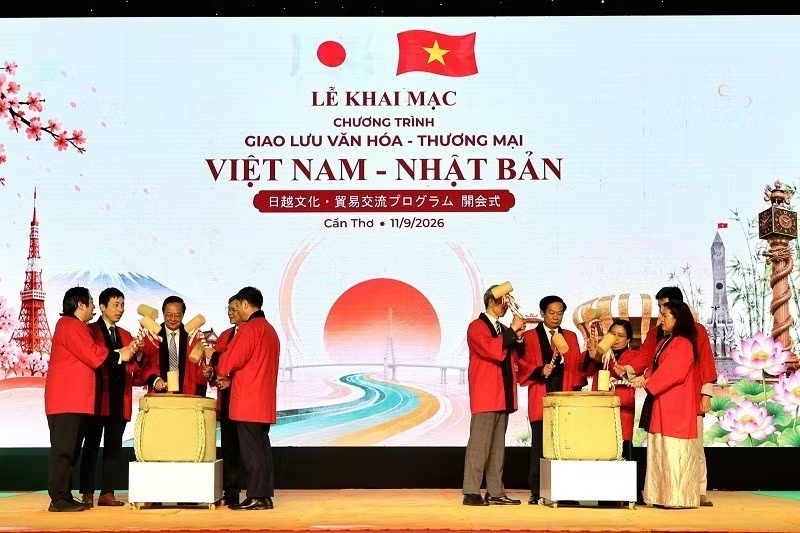
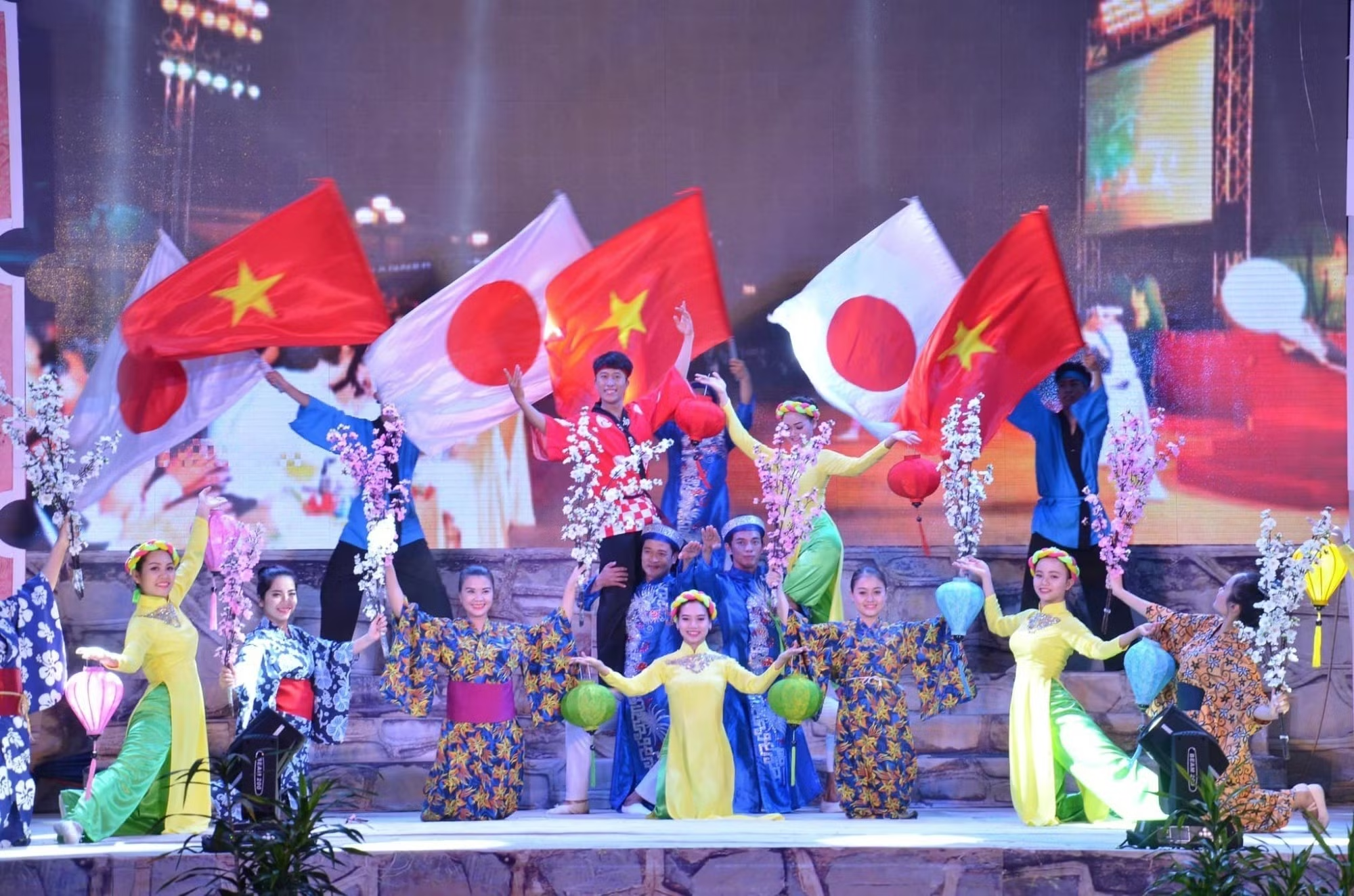
Cultural diplomacy serves as an indispensable bridge, particularly among younger generations. As Viet Nam vigorously develops its cultural industries, Japan continues to promote its vibrant content economy, encompassing manga, anime, and J-pop. The Ambassador emphasized that deepening mutual exposure to each nation's distinctive cultural heritage will foster profound mutual understanding between their peoples.
Regarding Vietnamese labor force participation in Japan, Tokyo places strong emphasis on improving working environments and broadening professional career pathways. Beginning in April 2027, Japan plans to roll out the "Employment for Skill Development Programme," which will permit qualified foreign workers to transfer employers based on their career aspirations, subject to established regulatory criteria.
The two governments are currently negotiating a memorandum of cooperation on this initiative, while Japan concurrently scales up Japanese-language instruction to facilitate the smooth social and professional integration of Vietnamese workers.
In the buildup to the 55th anniversary of diplomatic relations in 2028, Ambassador Ito expressed confidence that the official visit by General Secretary and State President To Lam will chart strategic directions to invigorate tourism and local-level exchanges. Following successful editions in Quang Ninh and Hue, the 3rd Viet Nam–Japan Local Cooperation Forum, slated to convene in Viet Nam in 2027, is expected to further expand substantive networking among the provinces and municipalities of both countries.