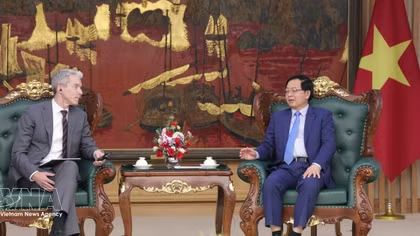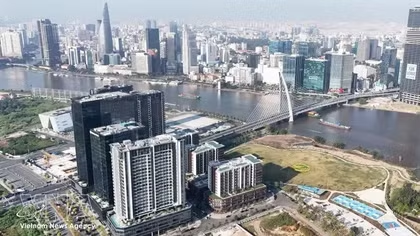
During the seven-day trip, the Lam Dong delegation led by Ho Van Muoi, Member of the Party Central Committee and Chairman of the Lam Dong Provincial People's Committee, conducted a series of activities in Incheon,Chuncheon, Seoul, Guri, Anyang, Goyang, Gyeonggi Province, and Jincheon County (Chungcheongbuk Province). The meetings focused on studying models for smart and eco-city development, special economic zones, investment attraction,high-tech materials industries, tourism promotion, supply chains for agricultural and seafood products, high-tech agriculture, and air connectivity between localities of South Korea and Lien Khuong Airport.
The Vietnam–Korea Businessmen and Investment Association (VKBIA) helped coordinate the entire trip, connecting local partners and co-organizing events in South Korea to turn cooperation potential into concrete programs.
On November 16, the delegation met with Chuncheon Mayor Yook Dong-han and relevant municipal agencies.
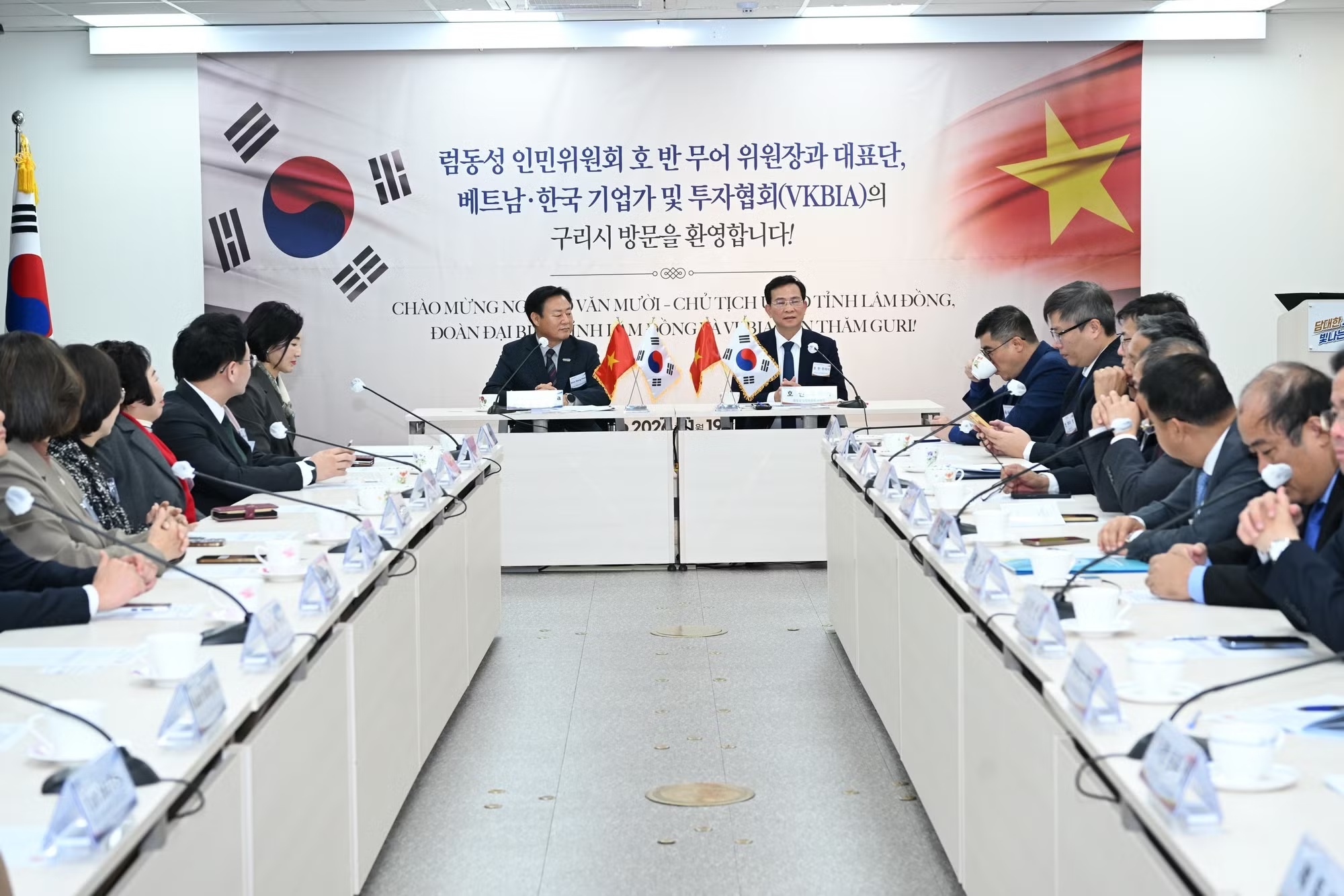
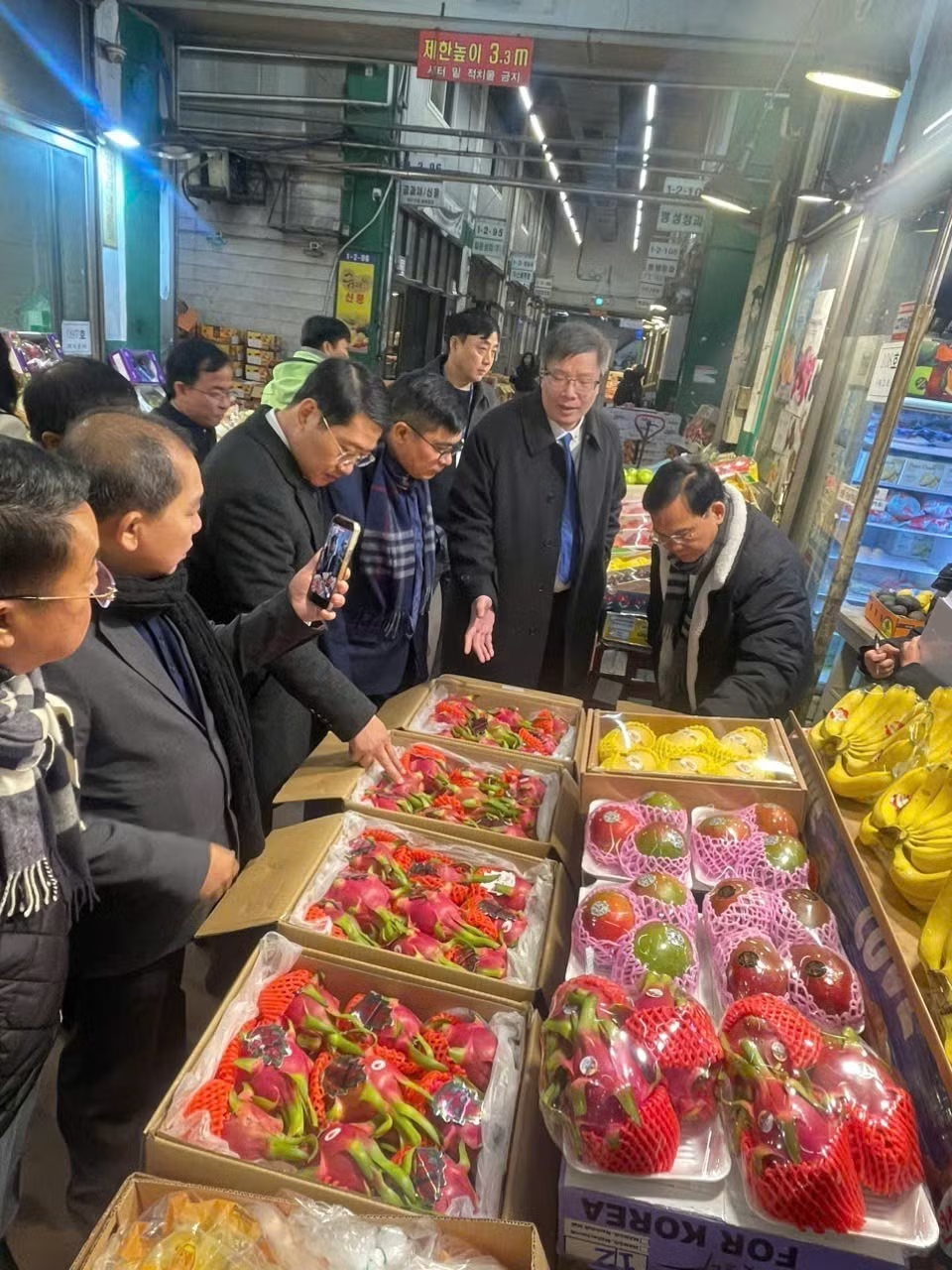
On November 19, in Guri City, the delegation met with Mayor Shin Dong-hwa, City Council leaders, and local business representatives, while also touring an agricultural and fishery wholesale market and a resource recovery facility. Mayor Shin recalled the foundation of exchanges between the two localities dating back to 2011, expressing hope that the visit would usher in a new phase of friendship and multi-sector cooperation.
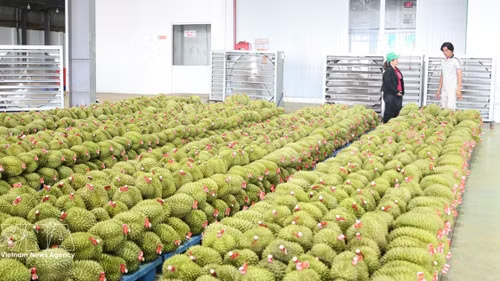
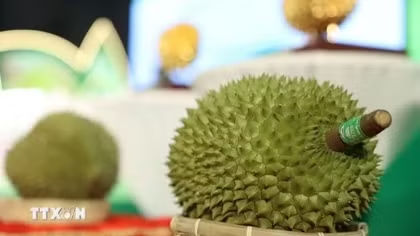
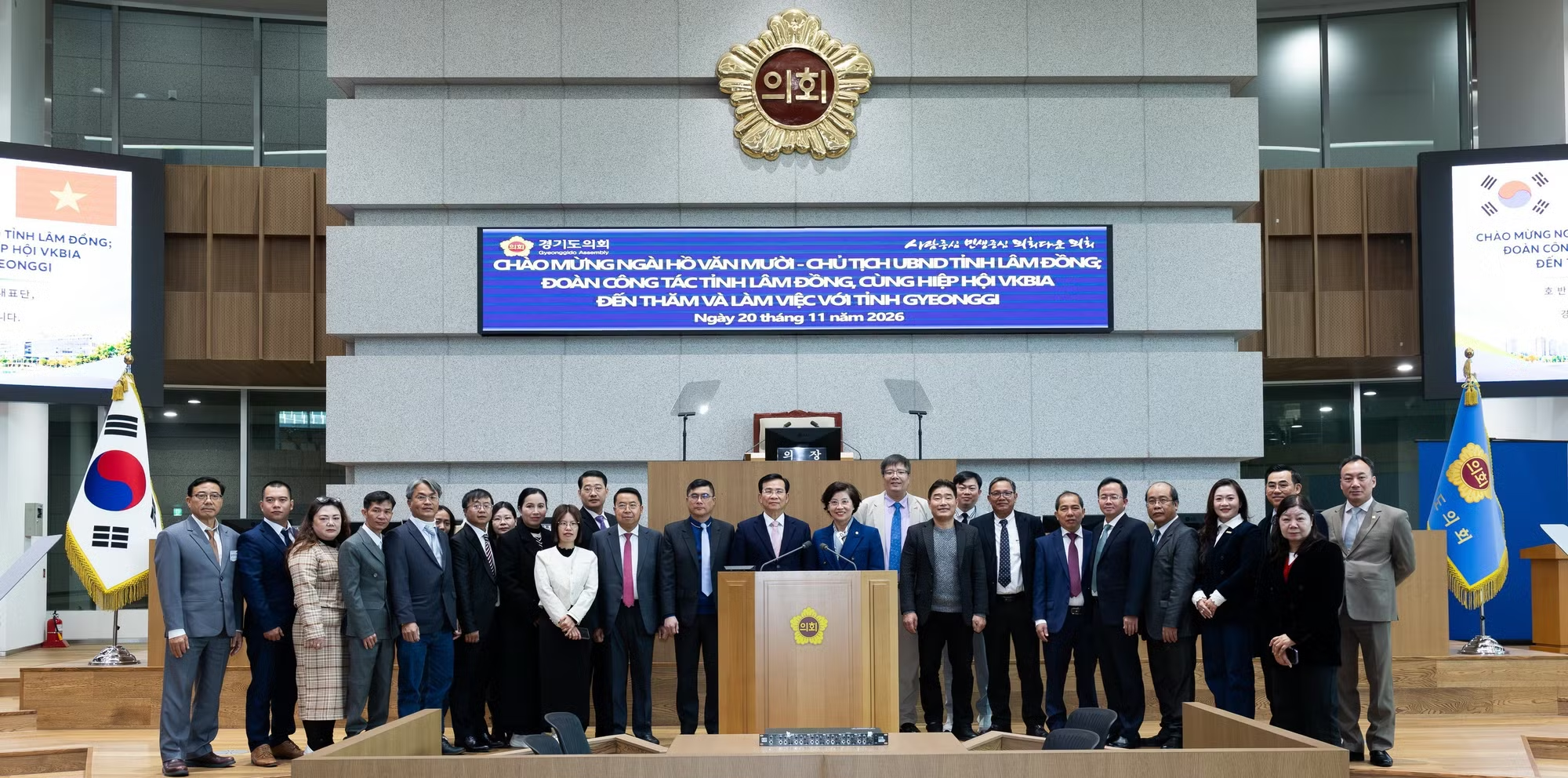
Notably, on November 20, the delegation met with representatives of the Gyeonggi Provincial Council. Both sides discussed linking the Goyang International Flower Show with the Da Lat Flower Festival, promoting the consumption of Lam Dong’s coffee, avocados, and durians, developing tourism, and exploring logistics cooperation. During the meeting,Chairman Ho Van Muoi urged South Korean partners to support feasibility studies for resuming direct flights between localities of South Korea and Da Lat to facilitate tourism and trade. Gyeonggi Provincial Council Vice Chairwoman Kim Mi-sook expressed hope for substantive cooperation in tourism, agriculture, and logistics, while Assemblyman Kim Woon-nam proposed strengthening private-sector business connections to leverage the complementary strengths of both localities.
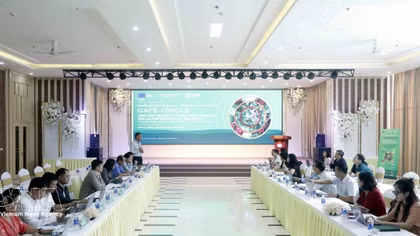
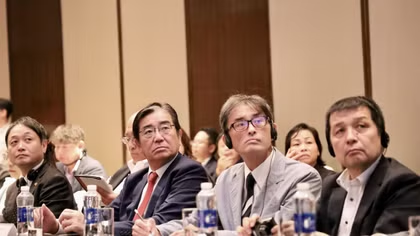
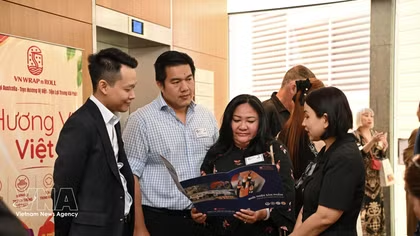
Also on November 20 in Goyang, the Lam Dong Provincial People's Committee and VKBIA co-chaired a conference to promote tourism and air routes between Lam Dong and South Korea. The event brought together 21 enterprises specializing in aviation, travel, and content development to explore solutions for boosting tourist arrivals, operating charter flights, and gradually restoring and expanding regular commercial routes.
At the conference, Chairman Ho Van Muoi emphasized the need to expand international cooperation alongside sustainable tourism development. Dr. Tran Hai Linh, Chairman of VKBIA, proposed an integrated approach linking aviation, tourism, trade, logistics, and media—connecting passenger markets with cargo transport demand, destination marketing, and tourism product development. Resuming regular flights will still require airlines and relevant authorities to evaluate market demand, operational conditions, and commercial viability.
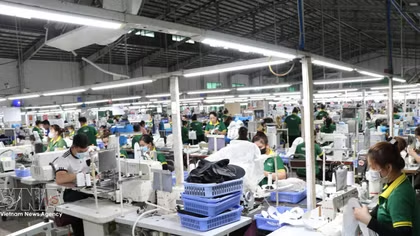
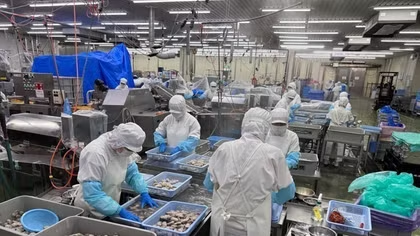
Another key area of cooperation involves studying South Korea's distribution and logistics networks to bring Lam Dong's agricultural and processed goods into the market. Following these initial contacts, further work will be needed to clarify product standards, procurement partners, shipping costs, and implementation mechanisms.
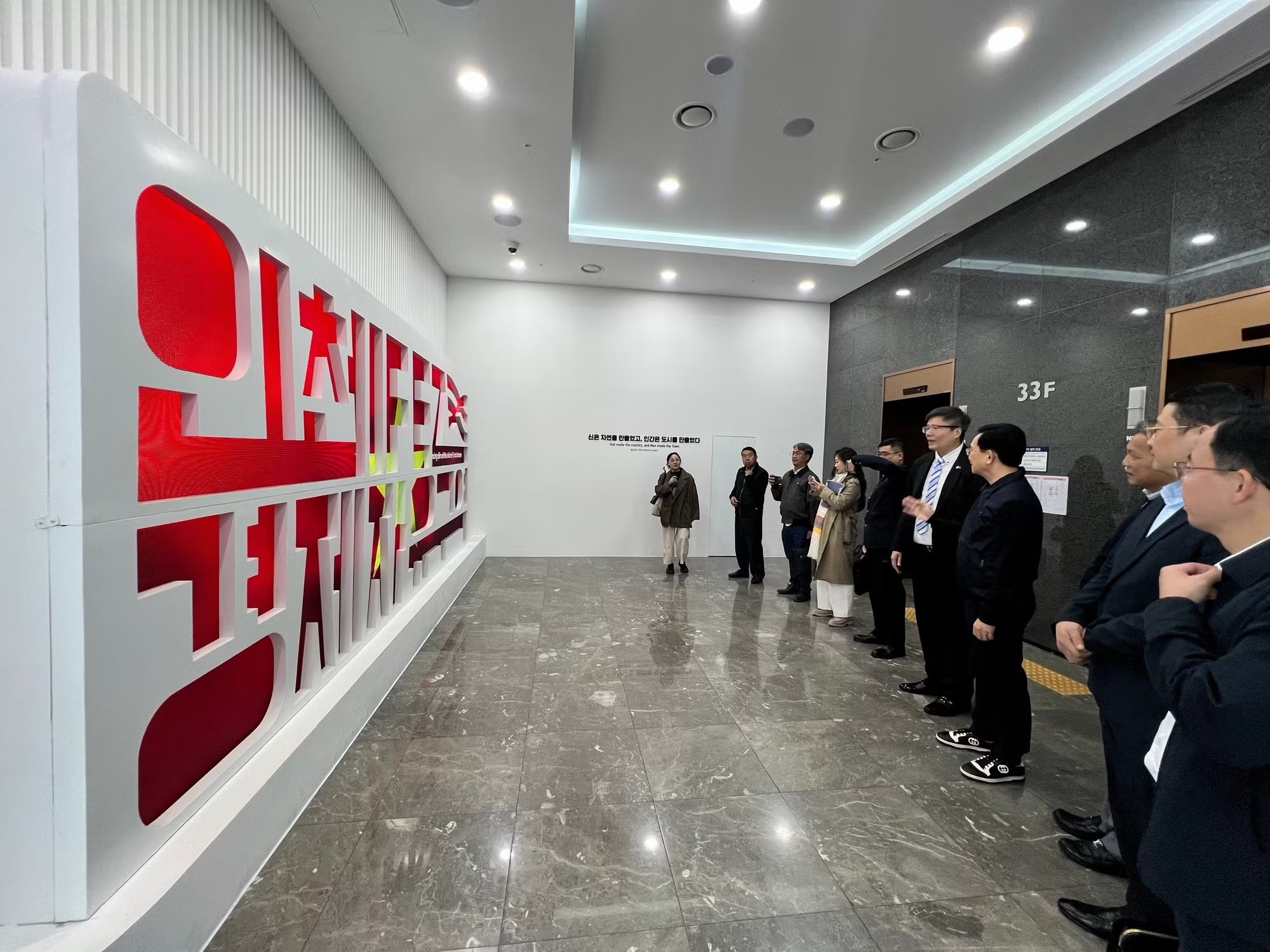
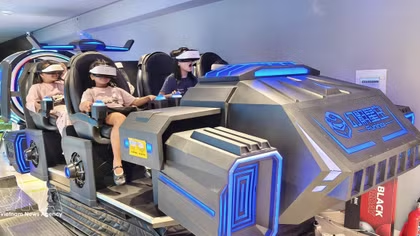
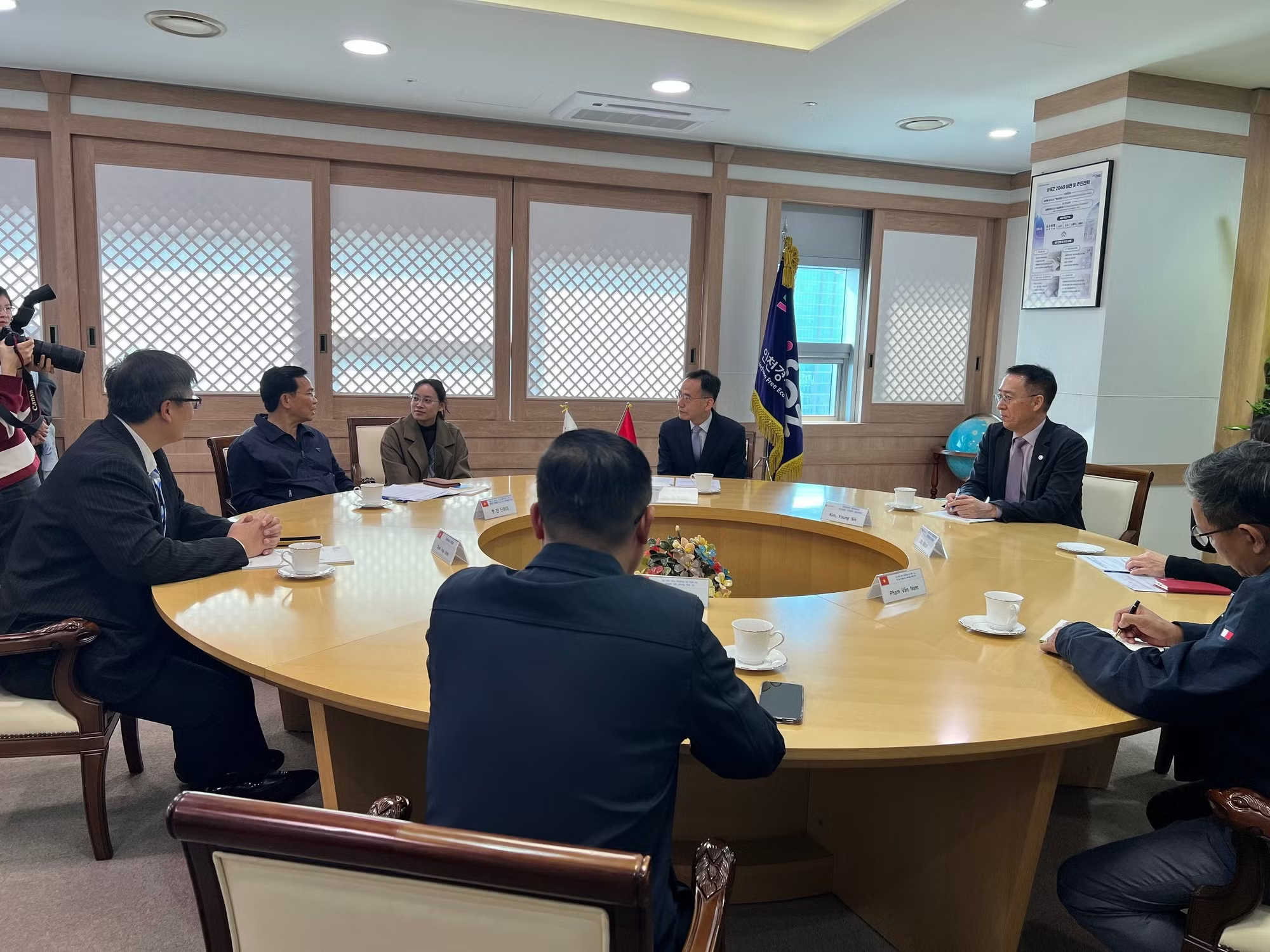
In Incheon, the delegation met with the Incheon Free Economic Zone (IFEZ) to study aviation-linked urban development,aerotropolis models, and special economic zones for potential adaptation and investment attraction in Lam Dong. The group also examined smart city management in Anyang, cultural and tourism initiatives in Chuncheon, and opportunities in media and creative industries—broadening Lam Dong's approach to local economic development.
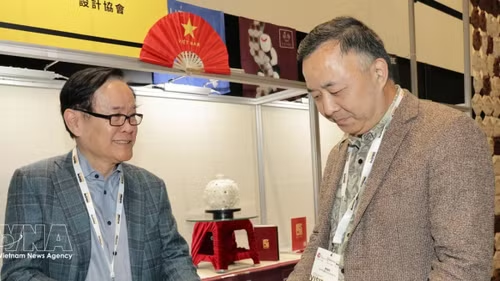
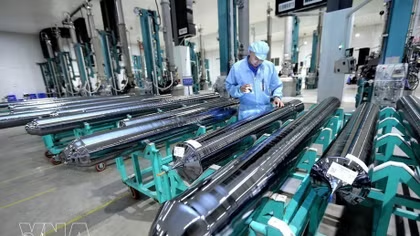
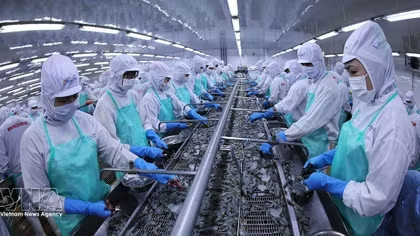
A highlight of the trip's final leg was a networking and cooperation session with BGF Group, a major South Korean conglomerate operating in retail, logistics, materials, and high technology. Both sides discussed strengthening supply chain connectivity, particularly leveraging BGF’s retail and distribution network to bring Lam Dong’s flagship agricultural, processed food, and seafood products deeper into the South Korean market. They also explored cooperation in industrial raw materials—including aluminum and materials for high-tech manufacturing—capitalizing on the province's resource potential, processing industry, and development orientation.
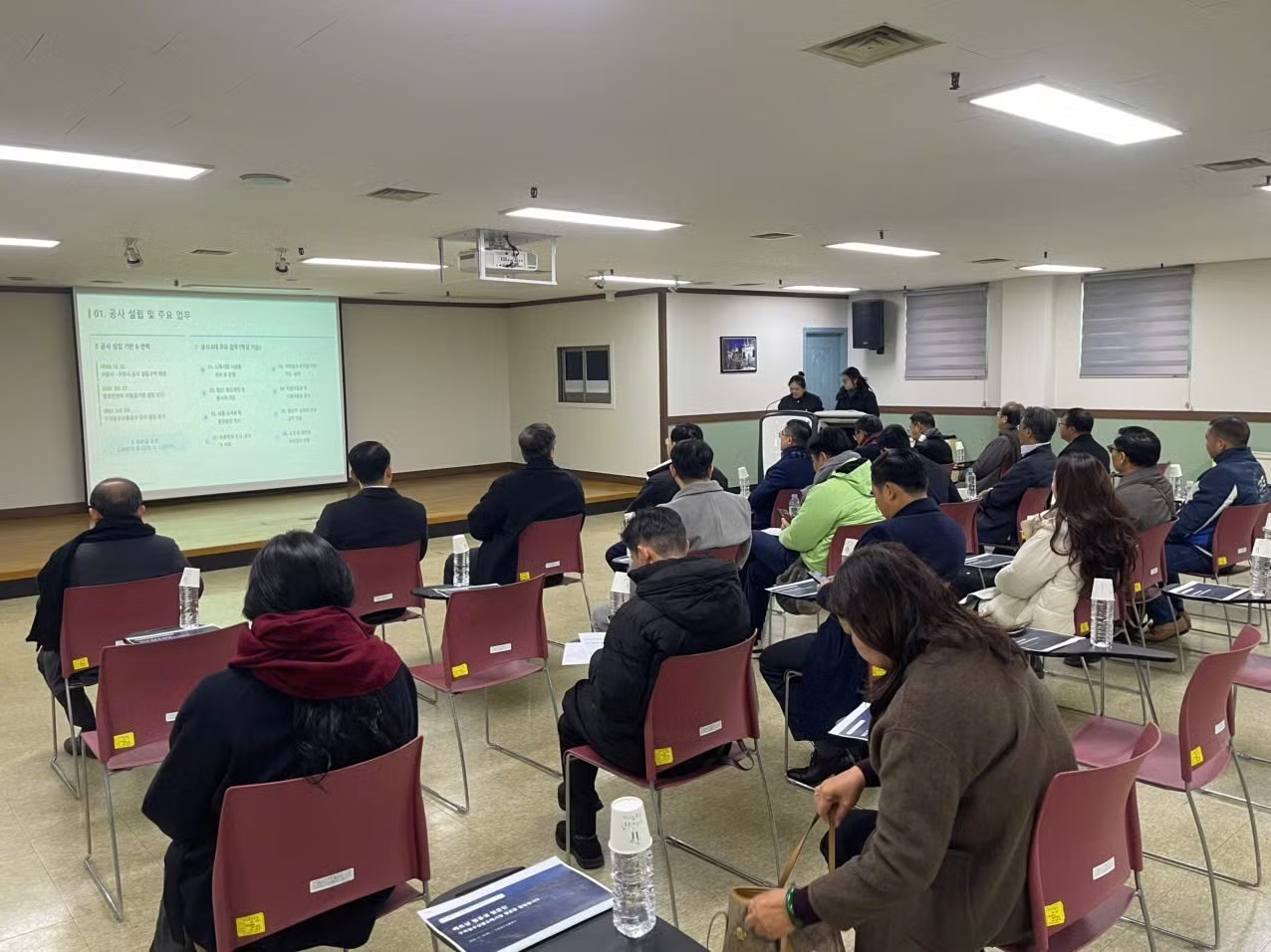
According to Lam Dong’s leadership, the trip's agenda was meticulously prepared, focused, and highly effective.Discussions delved into areas aligned with both sides' strengths and needs, from tourism, aviation connectivity, high-tech agriculture, trade, and logistics to processing industries, materials, and urban development, laying a vital foundation for concrete cooperation programs in the near future.