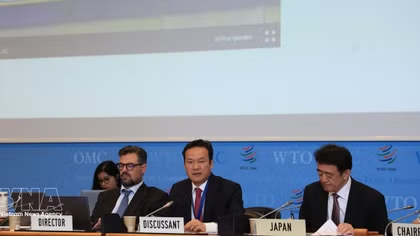
Hanoi (VNA) – Since Vietnam and Japan upgraded ties in 2023 to a Comprehensive Strategic Partnership for Peace and Prosperity in Asia and the World, their relations have been becoming deeper, more substantive and effective.
Economic, trade and investment cooperation remains the core pillar and the main engine of comprehensive, sustainable bilateral ties. General Secretary of the Communist Party of Vietnam Central Committee and President To Lam’s official visit to Japan is therefore a key moment to reinforce political trust, deepen the Comprehensive Strategic Partnership and open new cooperation opportunities in the next growth phase.
A key partner
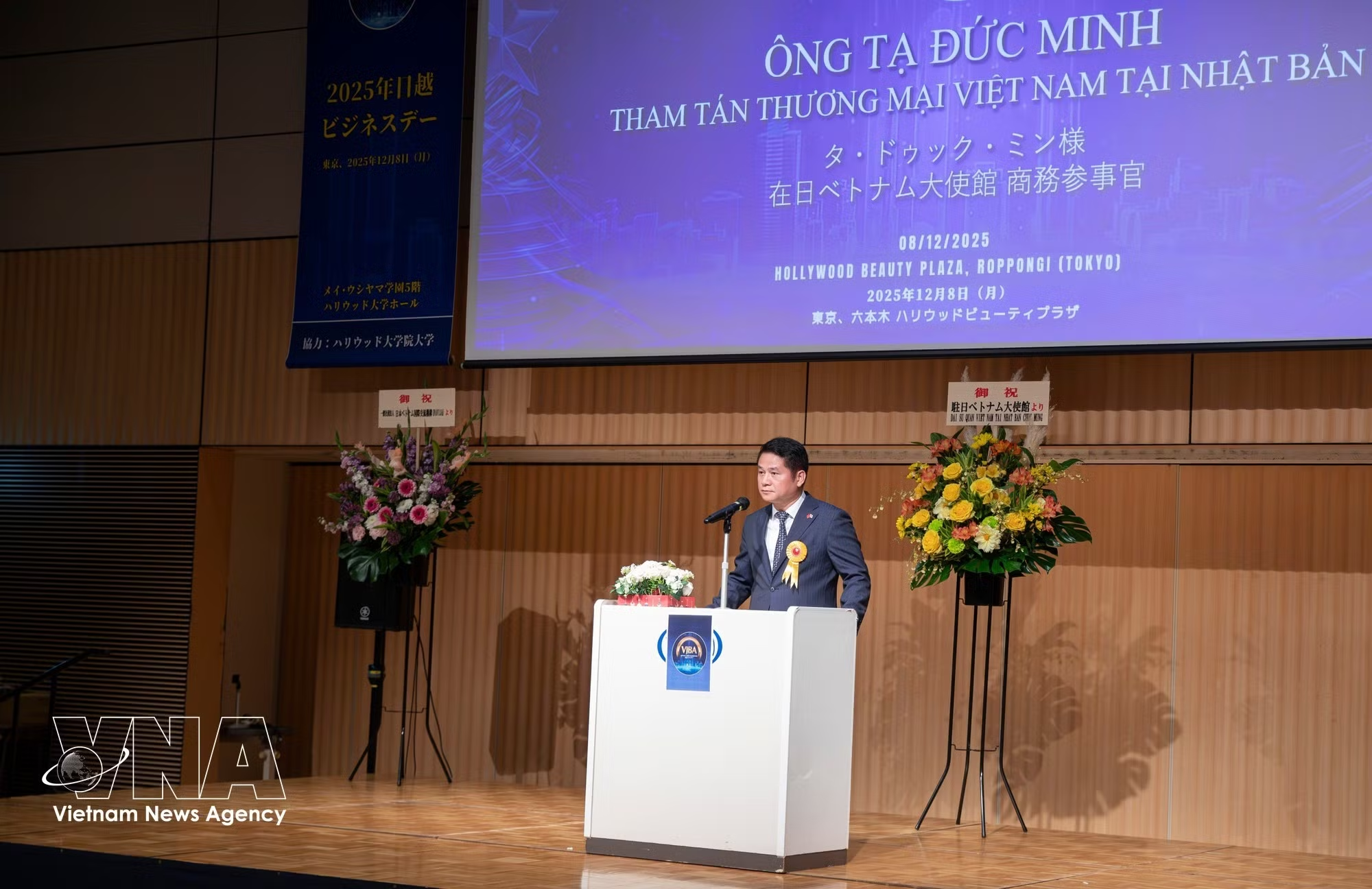
Ta Duc Minh, Trade Counselor and Head of the Vietnam Trade Office in Japan, said Japan is not just one of Vietnam’s top trade and investment partners but also a key partner for technology transfer, industrial development, workforce upgrading and regional supply chains.
Since the November 2023 upgrade to a Comprehensive Strategic Partnership, economic cooperation has gained new momentum, expanding beyond traditional areas into green transition, digital transformation, energy, semiconductors, innovation and sustainable supply chains.
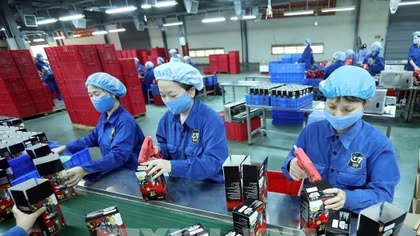
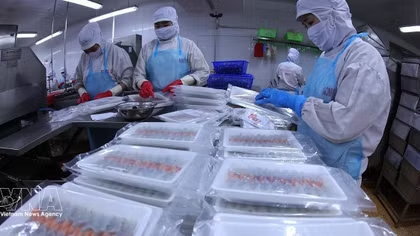
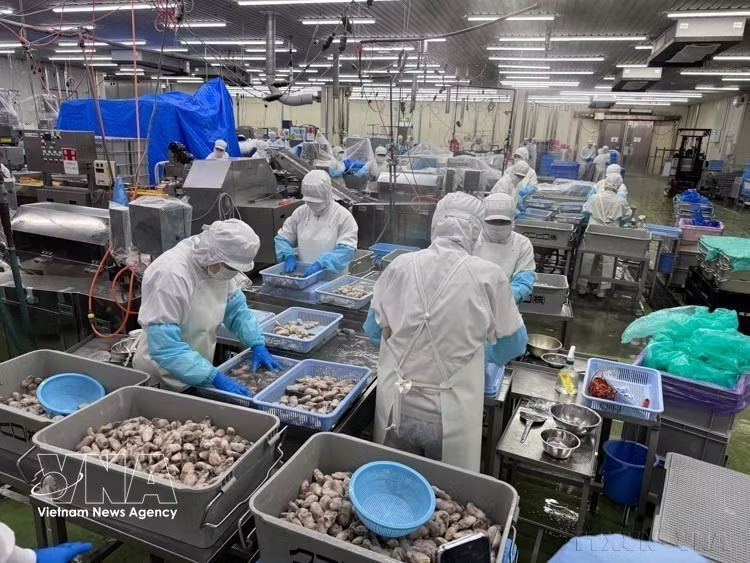
The two trade structures are highly complementary. Vietnam sells apparel, seafood, farm produce, processed food, wooden products, machinery and components to Japan, and imports machinery, equipment, technology, raw materials and production components. That gives the two economies a strong base for deeper industrial linkages.
In 2025, bilateral trade neared USD 51.4 billion, up more than 11% from 2024. In the first nine months of 2026, it was about 44 billion USD, up about 15% year on year. Japan remains one of Vietnam’s top trade and investment partners, with cumulative registered investment of about 80 billion USD, third among countries and territories investing in Vietnam.
Minh said Japanese corporate interest in Vietnam is broadening. Beyond site selection and production expansion, more Japanese firms are actively looking for Vietnamese suppliers, processing partners, raw materials and quality consumer products.
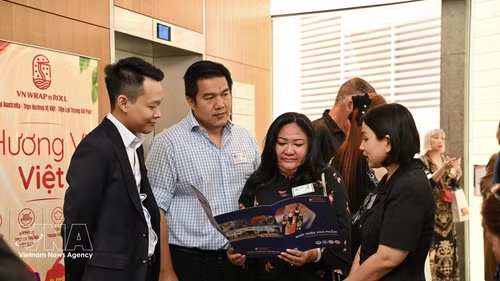
In 2026, the Vietnam Trade Office in Japan coordinated a heavy trade promotion slate: supporting Vietnamese firms at FOODEX JAPAN, FOOMA JAPAN, the SCAJ specialty coffee exhibition, the M-Tech mechanical engineering and manufacturing exhibition, the Vietnam Festival in Tokyo and other Japanese localities, Vietnamese goods promotions at AEON and direct connections with Japanese importers and distributors.
This is gradually shifting Vietnamese goods away from mainly price competition toward higher quality, deeper processing, brand building, and meeting tougher Japanese consumer demands. With Vietnam’s total exports and imports hitting the 1 trillion USD milestone, Japan is not only adding trade volume but also improving growth quality, transferring technology, and supporting industry development.
More room to grow
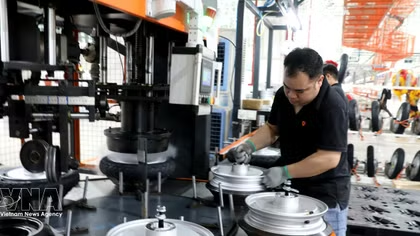
Hoa Phat Steel Sheet recently shipped an order of about 8,000 tonnes of galvanized steel coils to Japan in the fourth quarter of 2026. Before that, a Hanoi delegation of handicraft producers attended the Tokyo International Gift Show 2026.
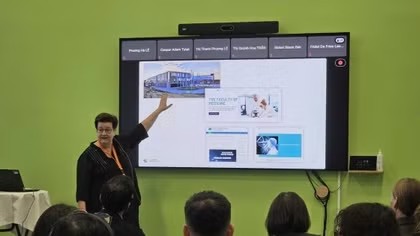
Nguyen Anh Duong, Deputy Director of the Hanoi Department of Industry and Trade, said the show also gave Hanoi Gift Show organizers a chance to work directly with Japanese partners and invite foreign handicraft companies and importers to the 2026 fair.
Experts advised Vietnamese firms to proactively use free trade agreements, improve product quality, and better meet the Japanese market’s strict requirements if they want to tap it effectively.
Ta Manh Cuong, Director of the Trade Promotion Center under the Vietnam Trade Promotion Agency (Vietrade), urged firms to study and fully use incentives. Management agencies and trade promotion units under the Ministry of Industry and Trade will keep supporting firms with information access and partner connections.
Businesses also need to join forums, conferences and seminars held by Vietnam and Japan; actively present products and capabilities; and study partners’ actual demand. Vietnam should be viewed not only as a consumer market or production base but also as a strategic partner in the value chain and a platform for Japanese firms to expand regionally.
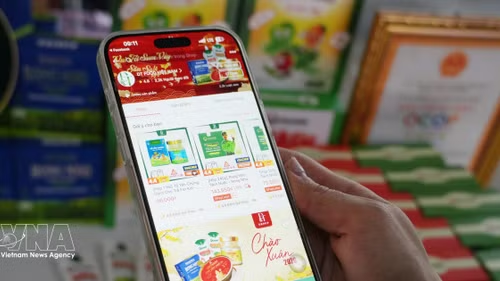
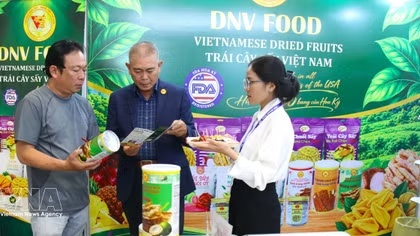
In approaching Japan, businesses need a sharper read on key consumer trends such as green and organic products, transparent traceability and e-commerce. Potential items include deeply processed food, coffee, tea, dried fruits, seafood, electronic components, precision engineering and construction materials, he added.
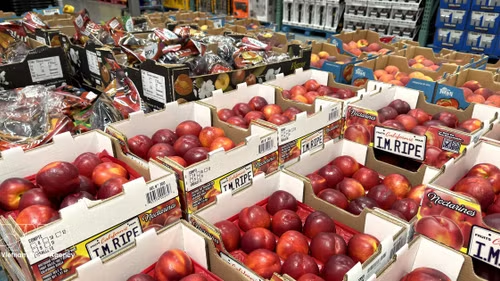
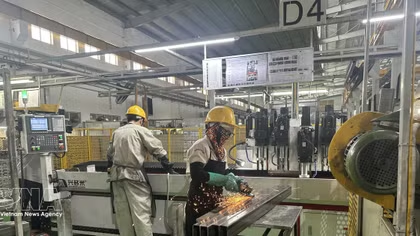
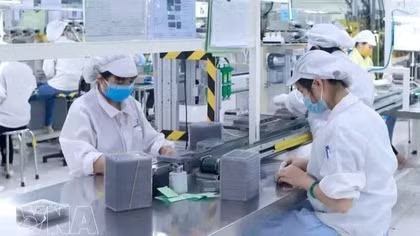
According to Minh, Vietnam and Japan still have plenty of room to expand joint work in agriculture, processed foods, consumer goods, processing and manufacturing, supporting industry, energy and high technology. Japan has stable demand for seafood, coffee, vegetables and fruits, frozen food and wooden products, and is diversifying supply chains, opening opportunities for Vietnamese firms in electronic components, precision engineering, auto parts and industrial equipment.
In energy and technology, the two sides can partner in liquefied natural gas (LNG) power, renewable energy, power infrastructure, energy efficiency, digital transformation, semiconductors and artificial intelligence. Mechanisms such as the Asia Zero Emission Community (AZEC) also help move cooperation beyond simple trade into production linkages, investment and value chain development.
They also need to push deeper processing, build brands and effectively use free trade agreements such as the Vietnam–Japan Economic Partnership Agreement (VJFTA), the Comprehensive and Progressive Agreement for Trans-Pacific Partnership (CPTPP) and the Regional Comprehensive Economic Partnership (RCEP).
In recent years, the Vietnam Trade Office in Japan has actively supported companies in exhibitions, Vietnamese goods weeks at AEON and trade promotion events, connecting them with Japanese importers, retailers and manufacturers. Going forward, the office will continue to coordinate with the Japan External Trade Organization (JETRO), the ASEAN-Japan Center, associations and businesses of both countries to boost cooperation in industry, trade, energy and supply chain development.