Hanoi (VNA) – Vietnam has recorded positive developments in attracting foreign direct investment (FDI), with major commitments highlighting the country’s growing appeal to international investors.
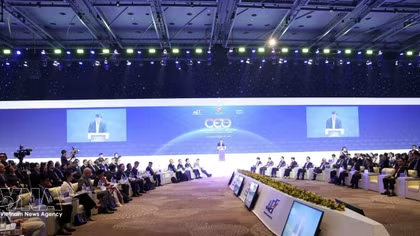
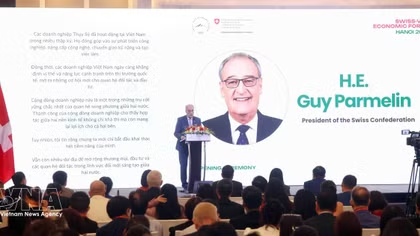
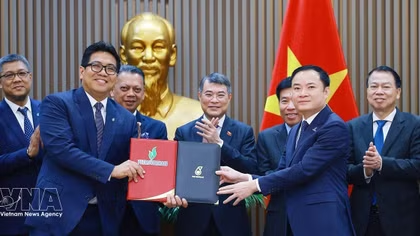
At the recent Autumn Economic Forum 2026, Ho Chi Minh City announced 12 projects with combined registered capital of 13 billion USD. They included a 2.29-billion-USD smart complex in Functional Zone 2A of Thu Thiem New Urban Area, developed by a joint venture between Lotte Properties HCMC Co. Ltd. and Phat Dat Real Estate Development Corporation.
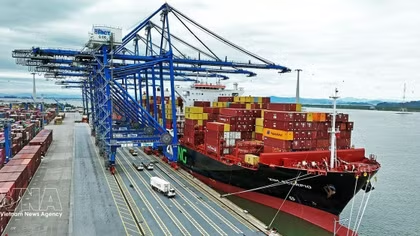
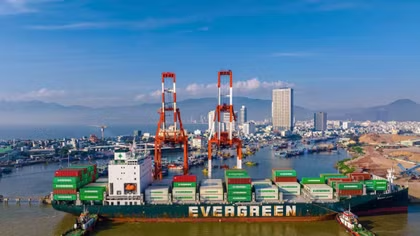
Other major projects include the 770-million-USD Gemalink Port project by Cai Mep Gemadept-Terminal Link and the Swift Logistics project by Singapore’s Tokgistic Pte. Ltd., with registered capital of about 987.4 million USD.
The Vietnam International Financial Centre in Ho Chi Minh City also announced its first 10 members, including foreign investors like VinaCapital International Partners Co. Ltd.
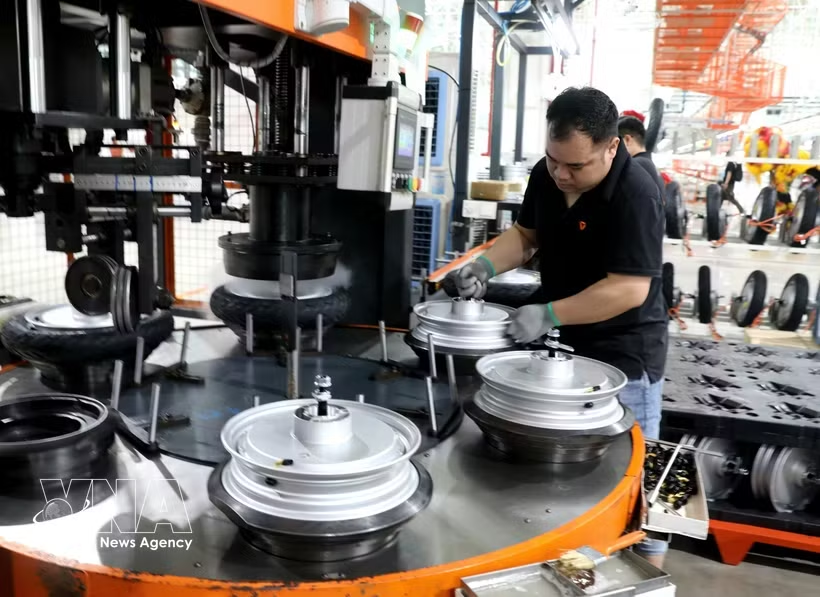
Reporting to the National Assembly, Prime Minister Le Minh Hung said Vietnam attracted more than 50.36 billion USD in FDI in the first nine months of 2026, up 76.4% year-on-year. Investment was concentrated in processing and manufacturing, high technology, electronics and semiconductors.
Major investors include Samsung, with more than 24 billion USD in investment; LG, 10.6 billion USD; Foxconn, 5 billion USD; Intel, 4.1 billion USD; and Amkor, 1.6 billion USD. Other technology groups, including NVIDIA, Qualcomm, Marvell, Synopsys and Bosch, have also established or expanded operations in Vietnam.
The Ministry of Finance reported that disbursed capital totalled nearly 21.2 billion USD during the period, while full-year disbursement is estimated at around 31 billion USD.
Focusing on investment quality
Strong inflows reaffirm Vietnam’s attractiveness to international investors. However, beyond record figures, a key question is how effectively the FDI sector contributes to the domestic economy.
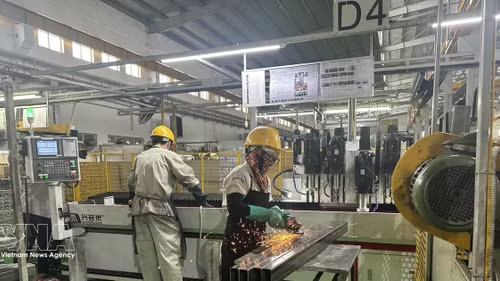
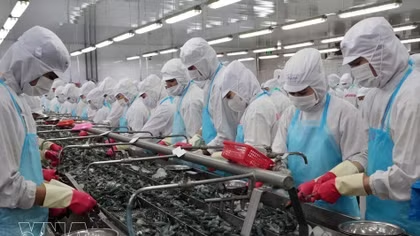
FDI plays an important role in expanding production capacity, developing infrastructure and generating more than 70% of Vietnam's export turnover. As the country targets annual growth of at least 10% during 2026-2030, Minister of Finance Ngo Van Tuan stressed that FDI attraction should not be measured solely by capital volumes.
Investment, he said, must generate greater domestic value added, facilitate technology transfer and enable Vietnamese enterprises to participate more deeply in global supply chains.
National Assembly deputies have also called for a shift from growth driven by scale to a model based on productivity, technology and domestic value creation.
Deputy Le Huu Tri of Khanh Hoa said greater attention should be paid to strengthening domestic enterprises, developing supporting industries, improving localisation rates, promoting technology transfer and upgrading the workforce. Investment performance, he argued, should not be assessed solely on registered or disbursed capital.
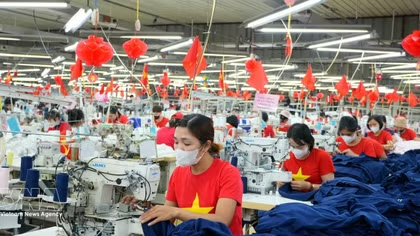
Deputy Tran Thi Hong Thanh of Ninh Binh noted that localisation rates in several key industries remain at around 40%, urging the Government to link FDI incentives with measurable commitments in technology transfer, workforce training, the use of Vietnamese suppliers and higher domestic value added.
The Ministry of Finance has also pointed to limited spillover effects from the FDI sector. Links between foreign-invested and domestic enterprises remain weak, while Vietnamese firms have yet to participate deeply in FDI supply chains. Localisation rates in FDI production chains stand at only 20-25%, and technology transfer remains limited.
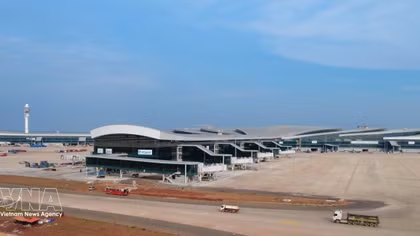
The extent to which registered capital is translated into actual investment and new production capacity also warrants closer scrutiny.
Rapid growth in registered capital is encouraging, but unless these commitments are promptly converted into implemented projects and productive capacity, their contribution to economic growth will remain constrained.
In its latest report, the Foreign Investment Agency under the Ministry of Finance noted that registered FDI is growing considerably faster than disbursed capital. This highlights the need to accelerate the implementation of licensed projects, particularly large-scale investments, to ensure that FDI delivers a stronger contribution to Vietnam's ambition of achieving double-digit economic growth./.