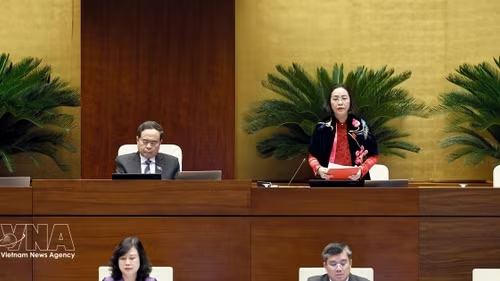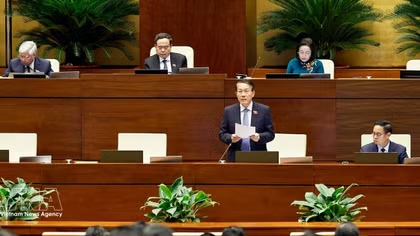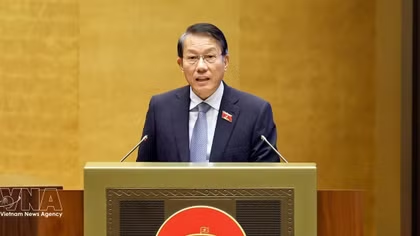
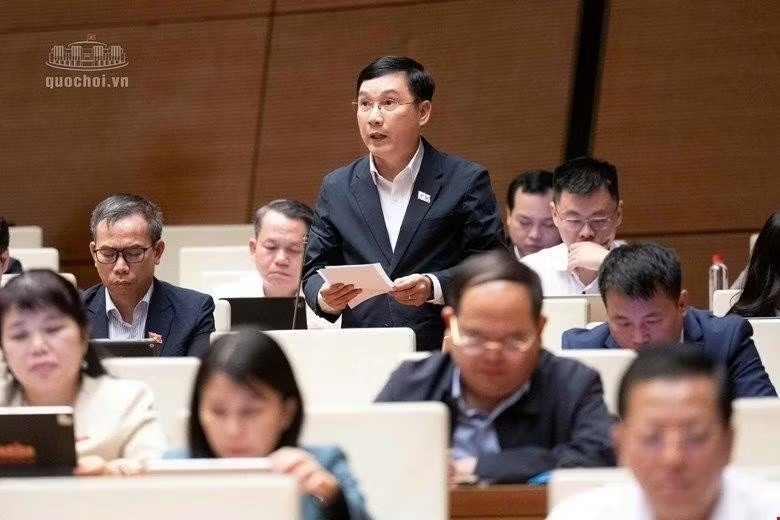
The proposals were raised during a National Assembly debate on amendments to the Law on Prevention and Control of Tobacco Harms in Hanoi on November 9, as lawmakers called for stronger measures to keep young people from starting to smoke.
National Assembly deputy Le Hoang Anh from Gia Lai province called for the draft law to include a ban on the sale and supply of tobacco products to people born on or after January 1, 2010, as well as a prohibition on their purchase and use of such products, effective from January 1, 2028.
He argued that setting the minimum purchasing age at 18 would only delay the age at which young people could legally access tobacco, rather than prevent a new generation from becoming smokers. According to figures cited during the discussion, the smoking rate among males aged 15–19 stood at 5.46%, but rose sharply to 32.6% among those aged 20–24.
Meanwhile, National Assembly deputy Nguyen Hai Long from Da Nang City recommended gradually raising the minimum legal age for purchasing tobacco from 18 to 21, with the new age limits taking effect in stages from 2028. He said young people in this age group are particularly vulnerable to nicotine addiction as they begin living and making decisions more independently.
Lawmakers also called for tighter controls on emerging tobacco products. Deputy Le Hoang Anh proposed regulating substances according to their function rather than relying solely on product labels or nicotine content. Under his proposal, all liquids and substances used in vaping or heating devices for inhalation would be classified as prohibited tobacco materials, regardless of whether they contain nicotine.
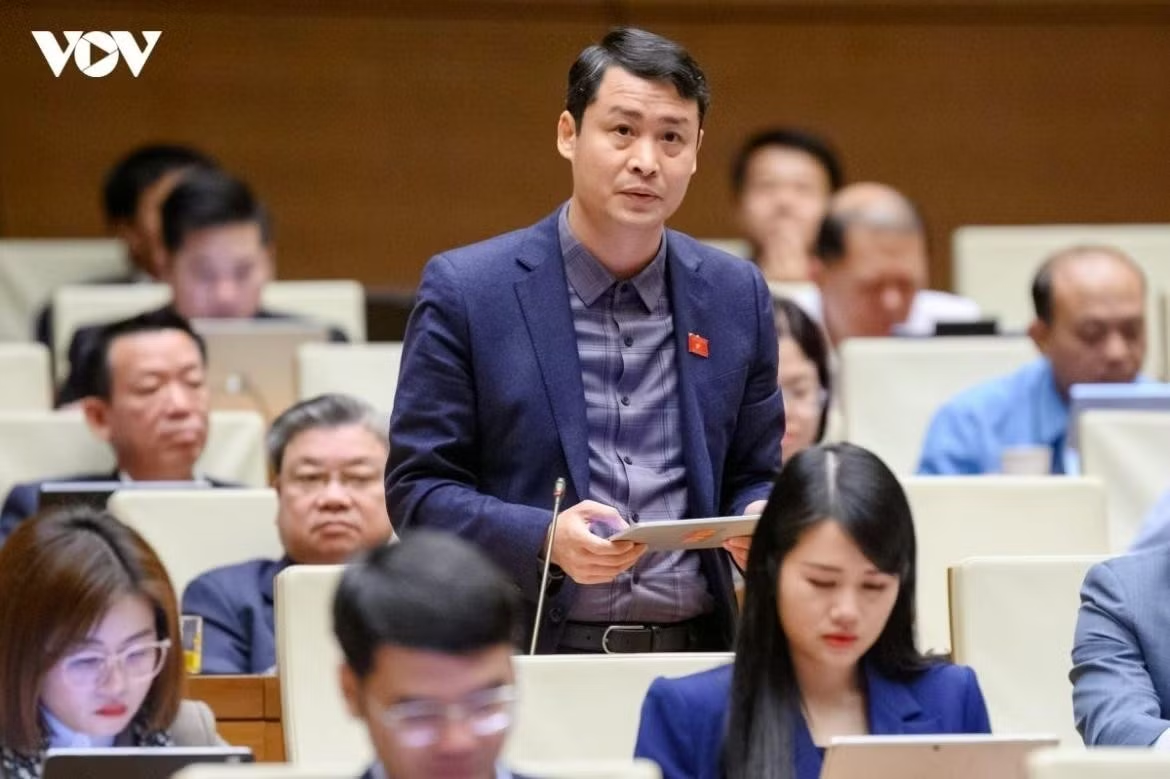
Meanwhile, Deputy Tran The Anh from Ninh Binh province urged broader restrictions on tobacco imagery in digital media, particularly content distributed on social media and video-sharing platforms intended for, or primarily targeting, people under 18.
He said existing restrictions on tobacco imagery in products specifically designed for minors might not cover content delivered to young audiences through online platforms and their recommendation algorithms. He therefore proposed extending the ban to relevant media content distributed electronically, with an exception for materials promoting tobacco harm prevention.
The proposals form part of wider efforts to strengthen Vietnam’s tobacco control framework, addressing not only access to tobacco products but also the influence of online content and newer smoking devices on young people.
They were raised during parliamentary deliberations on the amended law and have yet to become provisions of the legislation.