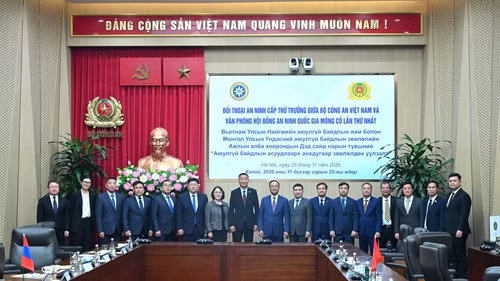
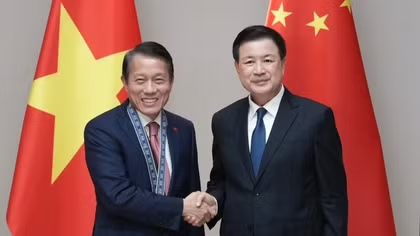
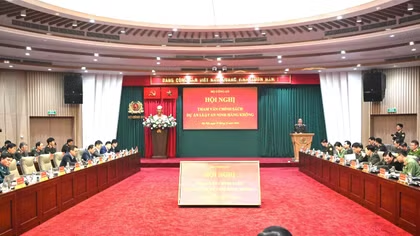
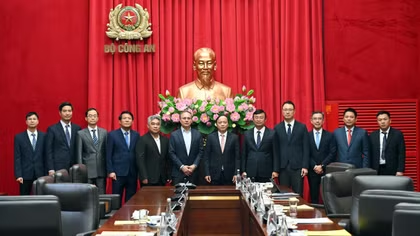
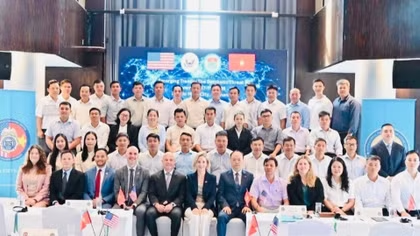
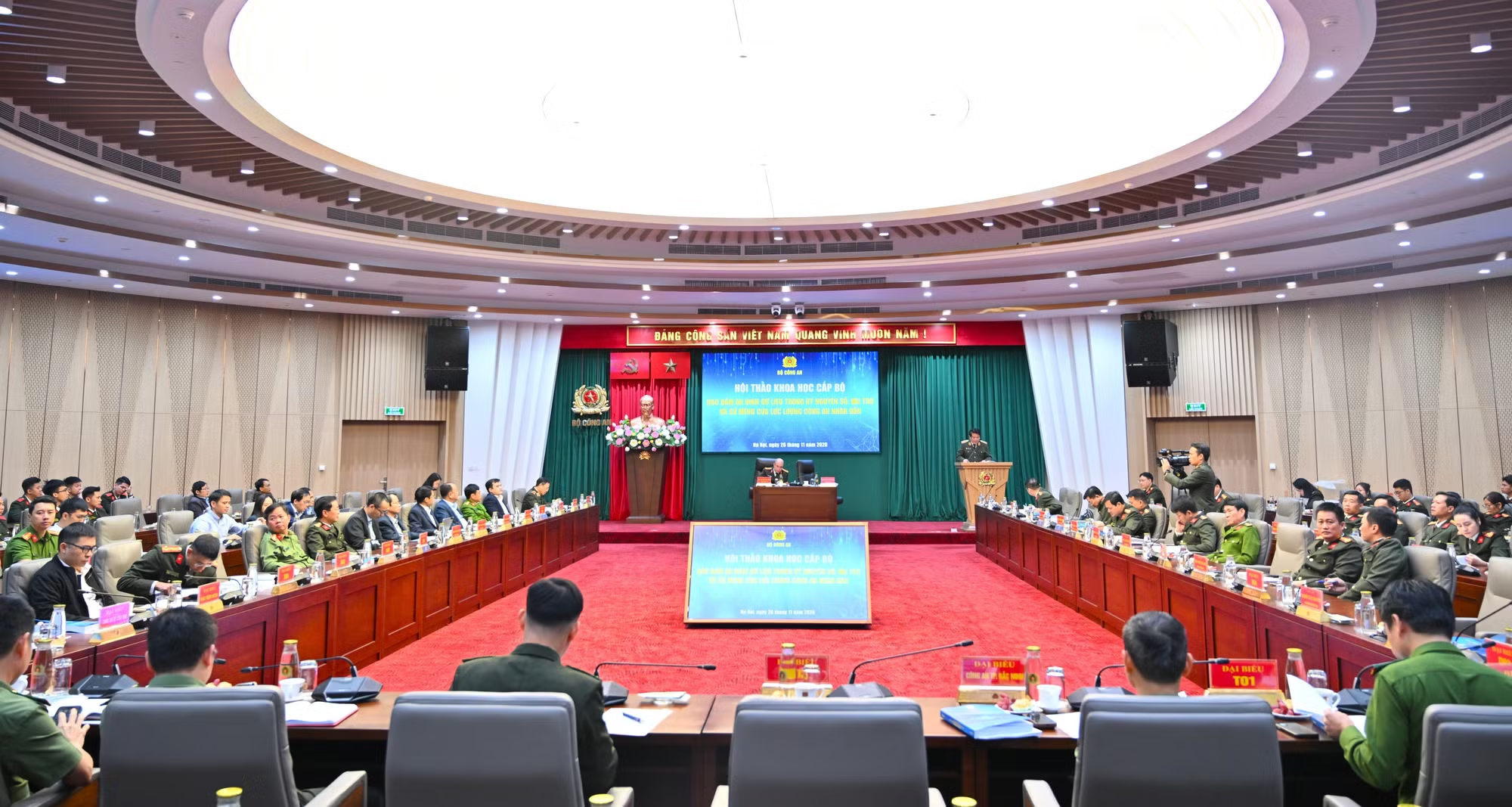
On November 26 in Hanoi, the Ministry of Public Security organized a ministerial-level scientific conference titled “Ensuring Data Security in the Digital Era: Role and Mission of the People’s Public Security Forces.” Authorized by the leadership of the Ministry of Public Security, Major General Le Minh Thao Dr., Director of the People's Security Academy of Engineering and Technology, and Senior Colonel Ha Van Bac, Deputy Director of the Department of Cybersecurity and High-Tech Crime Prevention, co-chaired the conference.
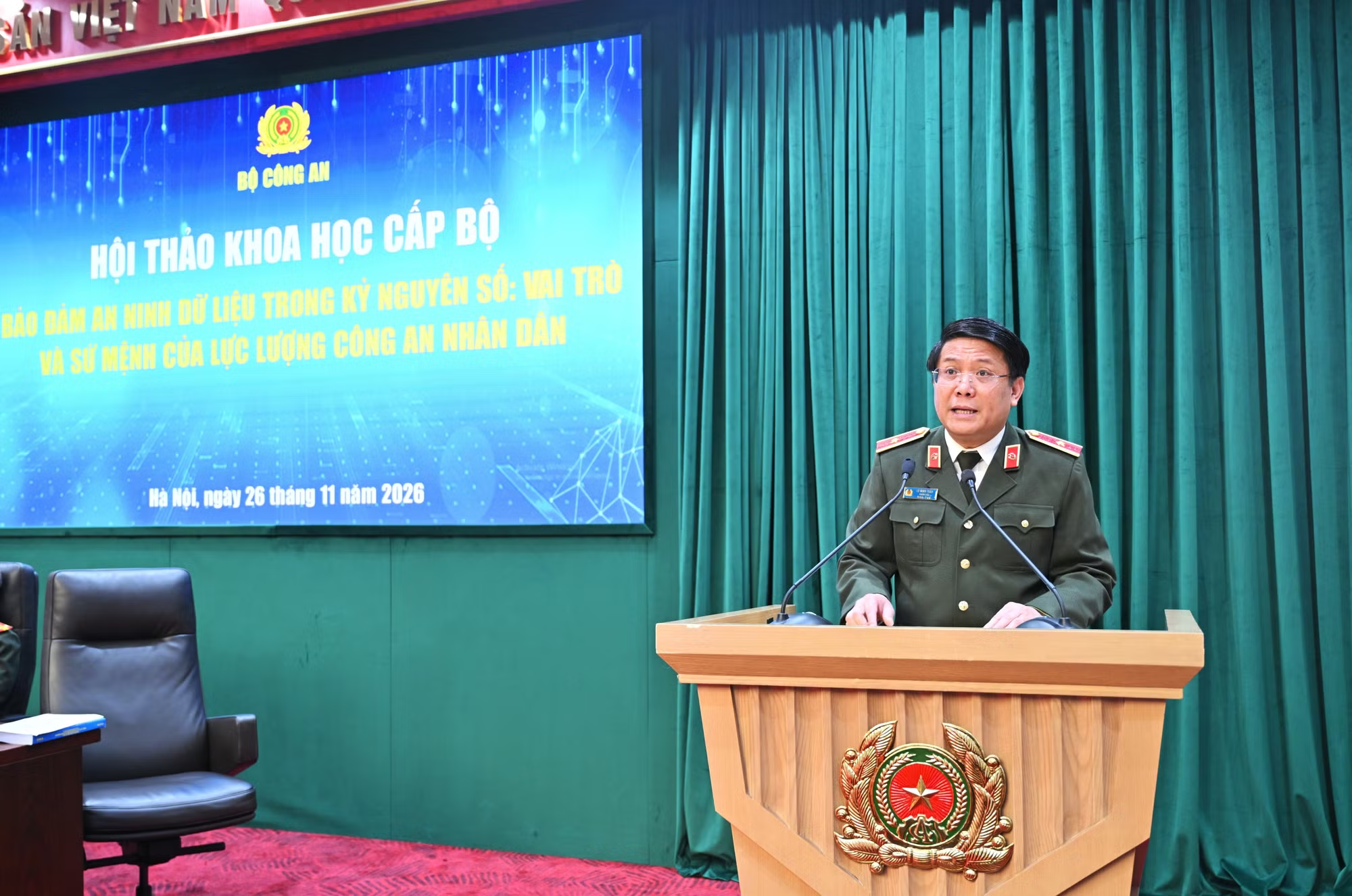
Delivering the keynote speech at the conference, Major General, Dr. Le Minh Thao, Director of the People's Security Academy of Engineering and Technology, emphasized that humanity is witnessing a turning point in development, in which data is increasingly becoming a strategic resource and a special asset for every nation.
The robust growth of artificial intelligence (AI), cloud computing, big data, the Internet of Things (IoT), blockchain technology, and digital platforms has driven an unprecedented scale and speed in collecting, storing, processing, analyzing, and sharing data. Data is no longer merely information stored within technical systems; in reality, it has become a direct resource participating in policymaking, national governance, socio-economic development, national defense and security assurance, and the protection of the legitimate rights and interests of organizations and individuals.
For Vietnam, Resolution No. 57 of the Politburo has identified science, technology, innovation, and digital transformation as top-priority breakthroughs, while considering the safeguarding of national sovereignty in cyberspace and data security as an inseparable prerequisite of the digital transformation process. Alongside this, the Law on Data, the Law on Personal Data Protection, the Law on Cybersecurity, the Law on Artificial Intelligence, the Law on Digital Transformation, and most recently the Law on Data Security officially passed by the National Assembly on November 20, 2026, all consistently affirm a core principle: protecting data security is an overarching requirement in national digital transformation, linked to ensuring lawful data flows to serve the development of a digital government, digital economy, digital society, and international integration.
However, the more concentrated and valuable data becomes, the greater the risk of malicious actors infringing upon, appropriating, illegally exploiting, and using it for unlawful purposes. Data security risks and challenges are evolving an increasingly complex, diverse, and unpredictable manner. Ensuring data security is not only a technical requirement of digital transformation, but also a political, legal, and security task of strategic significance to national development, closely bound to the role and mission of the People's Public Security Forces in the digital era.
During the discussions at the conference, participants reached a consensus on the position, role, and importance of data security assurance and the issues posed to the People's Public Security Forces in the digital age. They also proposed and recommended numerous important solutions to enhance the effectiveness of ensuring data security, monitoring, early warning, incident response coordination, and investigating data security violations in the digital era in connection with the duties of the Public Security Forces.
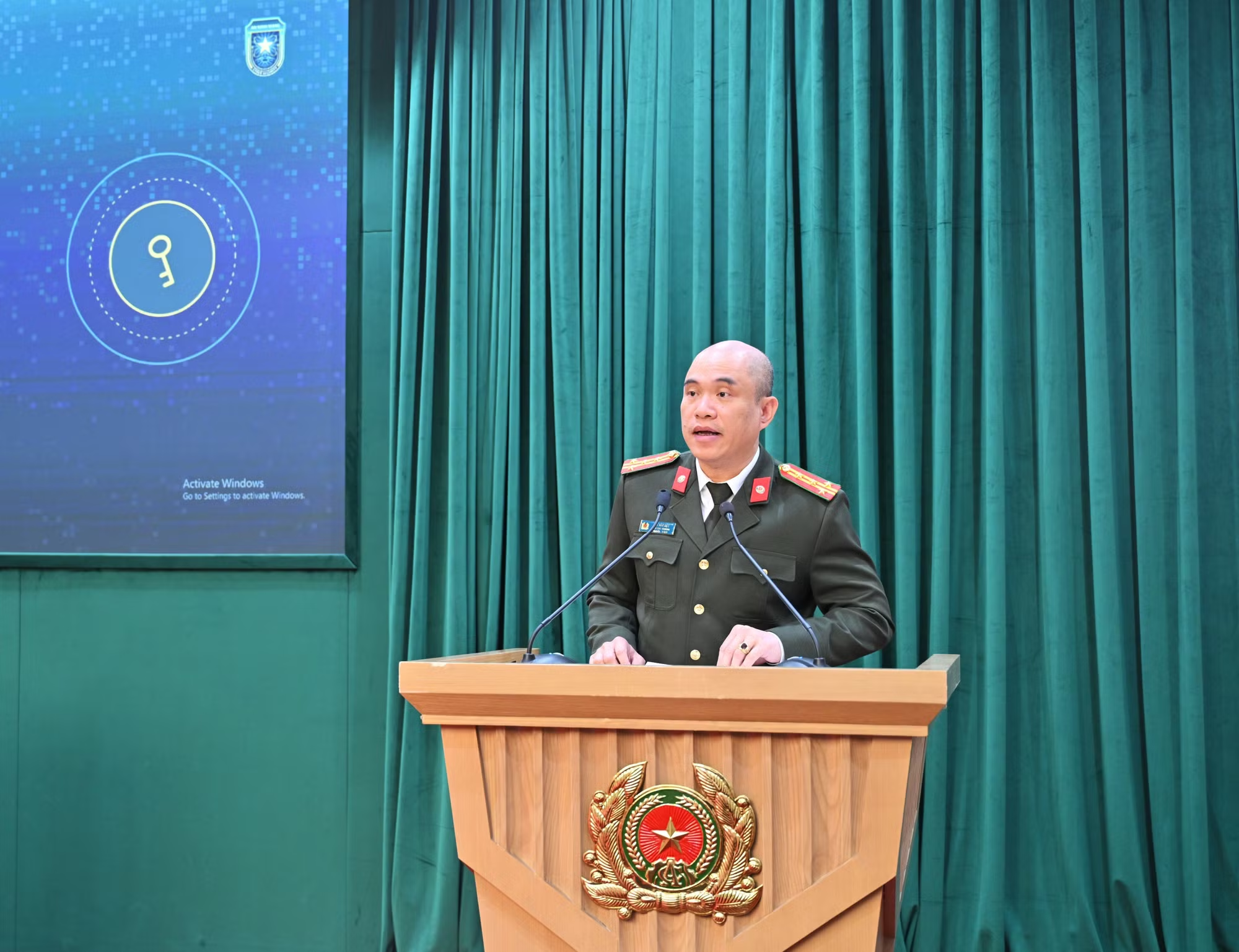
Senior Colonel Ha Van Bac affirmed that data security is not opposed to development, but rather serves as its foundation, demonstrated through three closely interconnected pillars.
First, data security is the basis of digital trust; citizens are only willing to share data, use online public services, and make digital payments when they believe their data is protected.
Second, data security is a prerequisite for forming a data economy, as data can only become a tradable, quantifiable, and investable asset when it is clearly classified, commensurately protected, and governed by safe transfer mechanisms, including cross-border transfers; an insecure data market will fail to attract serious investors.
More profoundly, data security is tied to national sovereignty and strategic autonomy, because a nation unable to control its data will become technologically dependent, economically and security-wise vulnerable, and struggle to maintain independence and autonomy in policymaking.
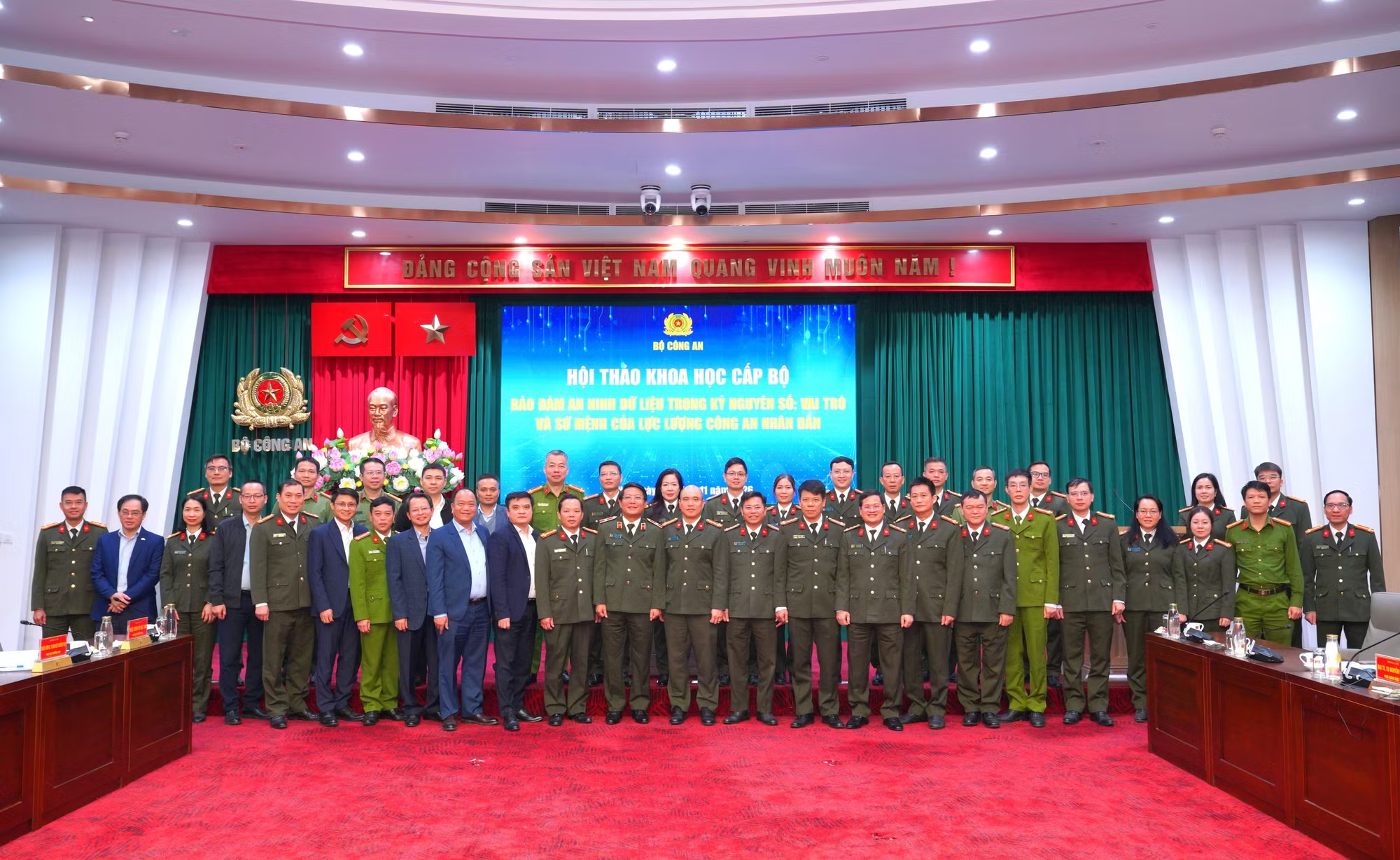
In safeguarding data security, the People's Public Security Forces holds a "dual" position—acting as a "shield" protecting national sovereignty and as a "launch pad" creating infrastructure and institutions for the data economy to thrive. This role is reflected across multiple dimensions: strategic advisory and institutional building; developing and operating national data infrastructure; serving as the core force in prevention, monitoring, coordination, and regulatory compliance oversight; international cooperation; and promoting an "all-people security posture" in cyberspace.
Assoc. Prof., Dr. Nguyen Truong Thang, Director of the Institute of Information Technology under the Vietnam Academy of Science and Technology, noted that data sovereignty lies in the actual capacity to control data, not merely the physical location of servers. Based on identifying national data security challenges in the digital era, Assoc. Prof., Dr. Nguyen Truong Thang suggested a data governance policy for Vietnam aimed at building a risk-based, five-pillar governance framework: institutions and accountability; risk classification and assessment; protective and control technologies; monitoring and response; and human resources, autonomy, and cooperation. Additionally, he stressed the need to promptly develop a set of criteria for evaluating data control capacity.
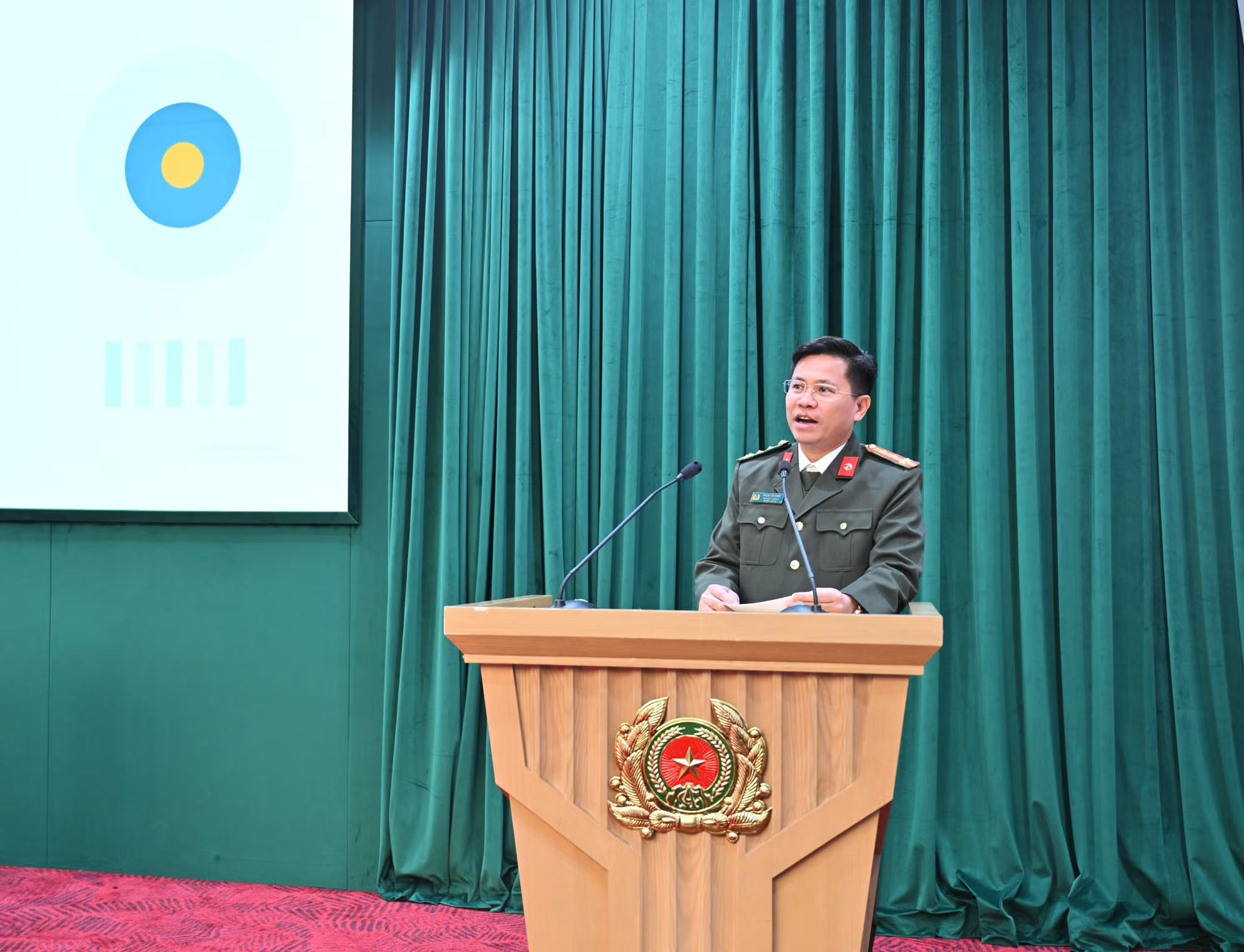
Senior Colonel Pham Van Dinh Dr., Deputy Director of the Department of Information Technology and Cryptography, warned of the shift in risk from systems to data itself, given that data is a strategic asset and the digital "heart" of the nation. Therefore, it is necessary to adopt a mindset of protecting data right from the root, continuously throughout its entire lifecycle, from collection, storage, and processing to connection, sharing, exploitation, and archiving.
Regarding solutions, the leader of the Department of Information Technology and Cryptography proposed making data security a key component in designing, building, upgrading, and operating information systems; developing technological capabilities and enhancing autonomy in data security; improving warning, early warning, and incident handling capacities; raising the quality of human resources and data security culture; and strengthening cooperation and coordination in ensuring data security.
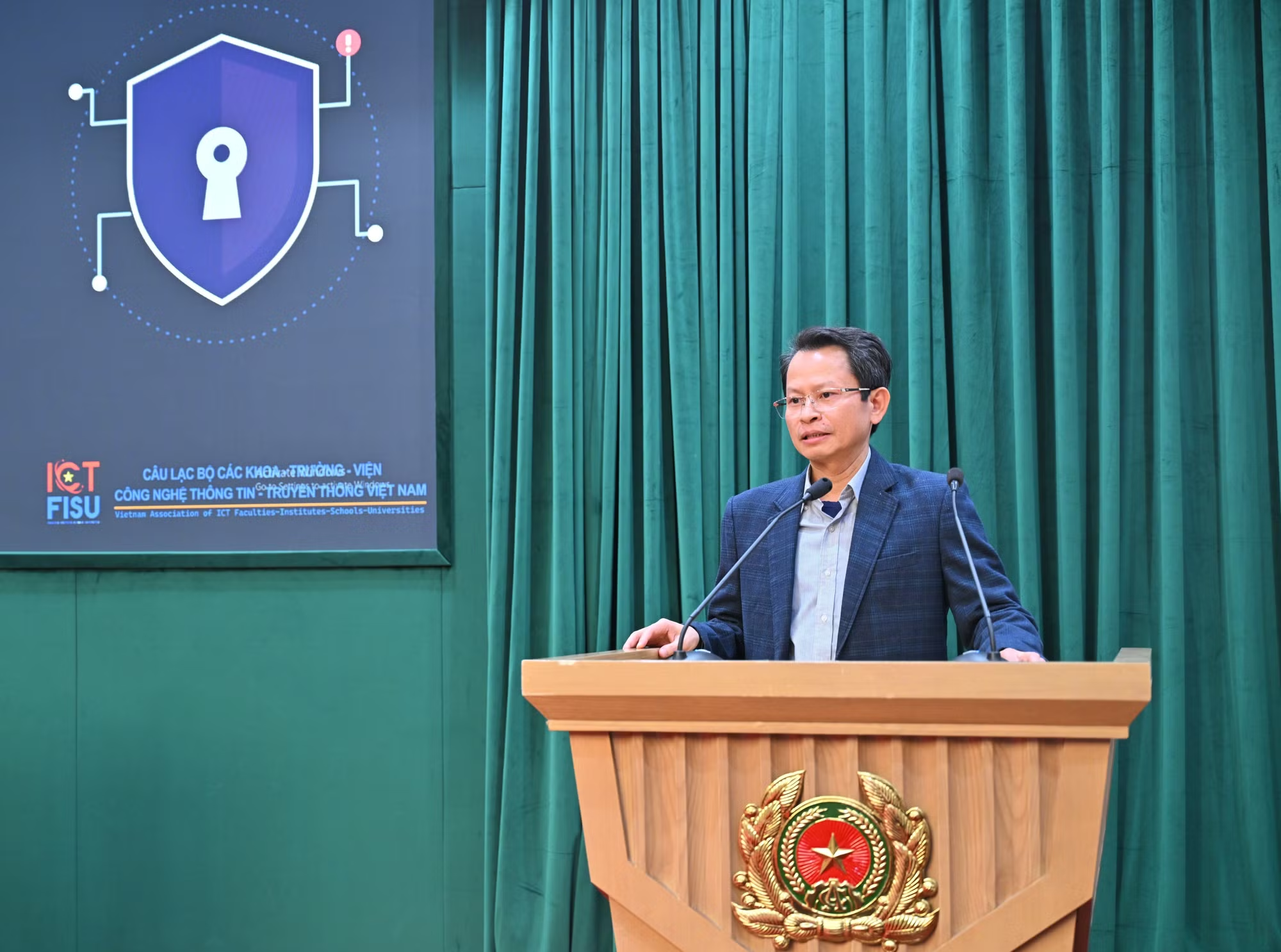
Assoc. Prof., Dr. Bui Thu Lam, from the Academy of Cryptography Techniques and Vice President and General Secretary of FISU Vietnam, shared research findings on applying AI in detecting and preventing data security risks.
Chairman of the Innovation Network and cybersecurity expert Ngo Tuan Anh also recommended that data security assurance needs to shift from a passive defensive posture to proactive response, alongside the adoption of multi-layered defense solutions.
In his closing remarks at the conference, Major General Le Minh Thao Dr., affirmed that with the rapid advancement of digital technologies, digital transformation brings immense benefits. However, alongside infrastructure growth, data leaks and breaches are becoming increasingly severe in scale. Particularly as Vietnam accelerates its national digital transformation, ensuring data security has become ever more critical and urgent, tied directly to the role and mission of the People's Public Security Forces in the digital era.
Major General Le Minh Thao requested that the Organizing Committee, the Conference Secretariat, and functional units fully and seriously absorb the presentations and contributions from delegates, researchers, and scientists; and coordinate with relevant agencies to research, propose, and advise on perfecting the system of legal normative documents, thereby concretizing the Party’s viewpoints and State laws on ensuring data security in the digital age in alignment with the specific characteristics of the People's Public Security Forces.