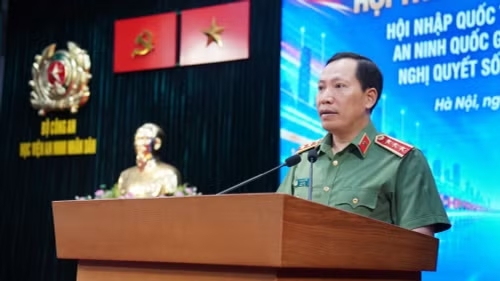
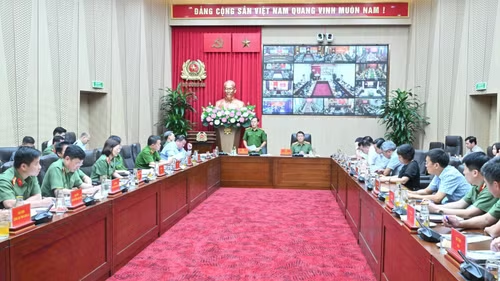
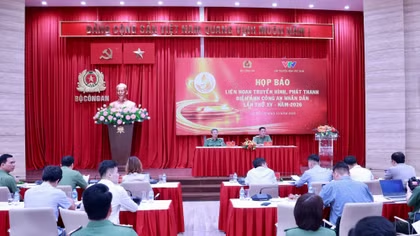
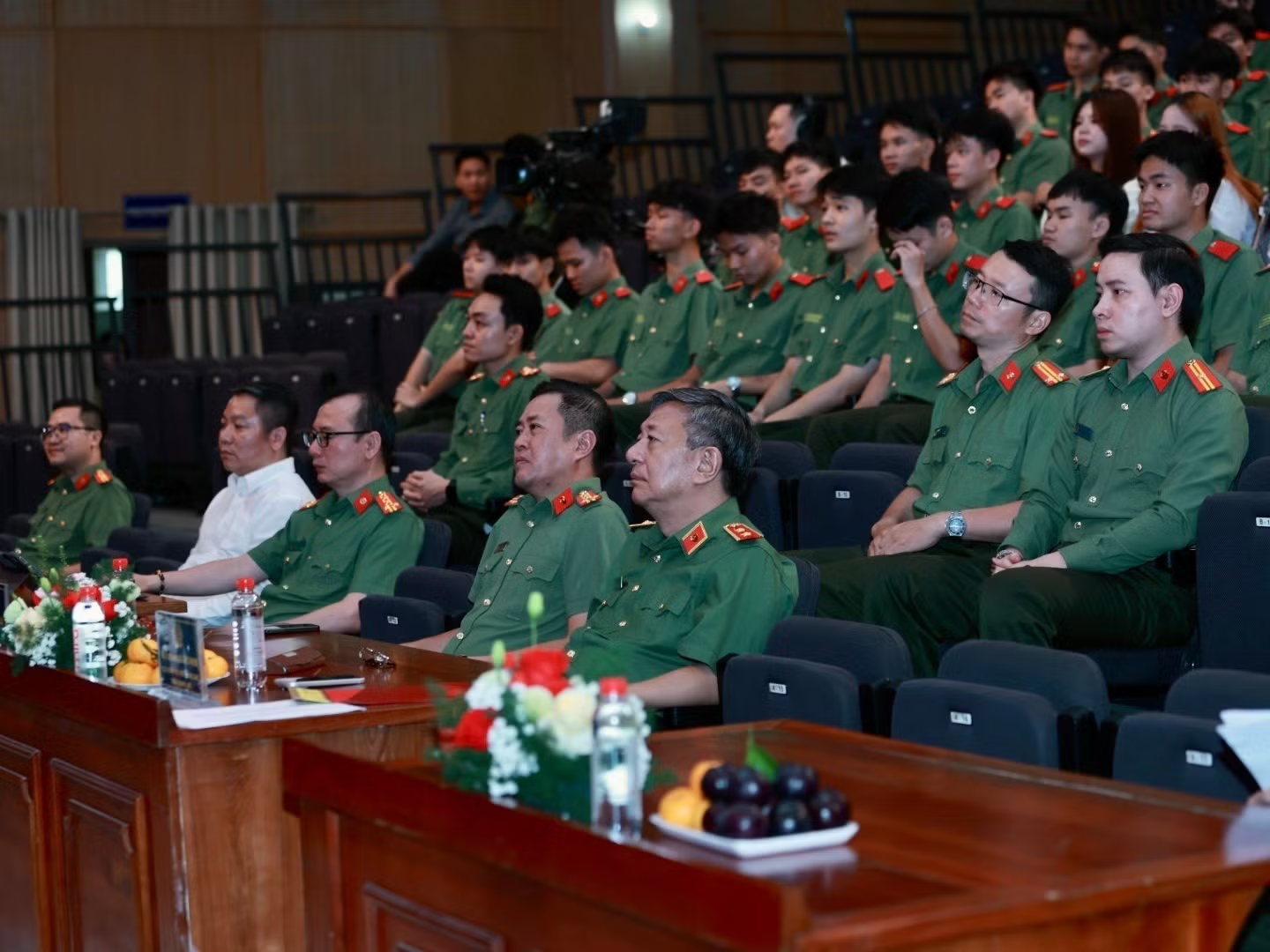
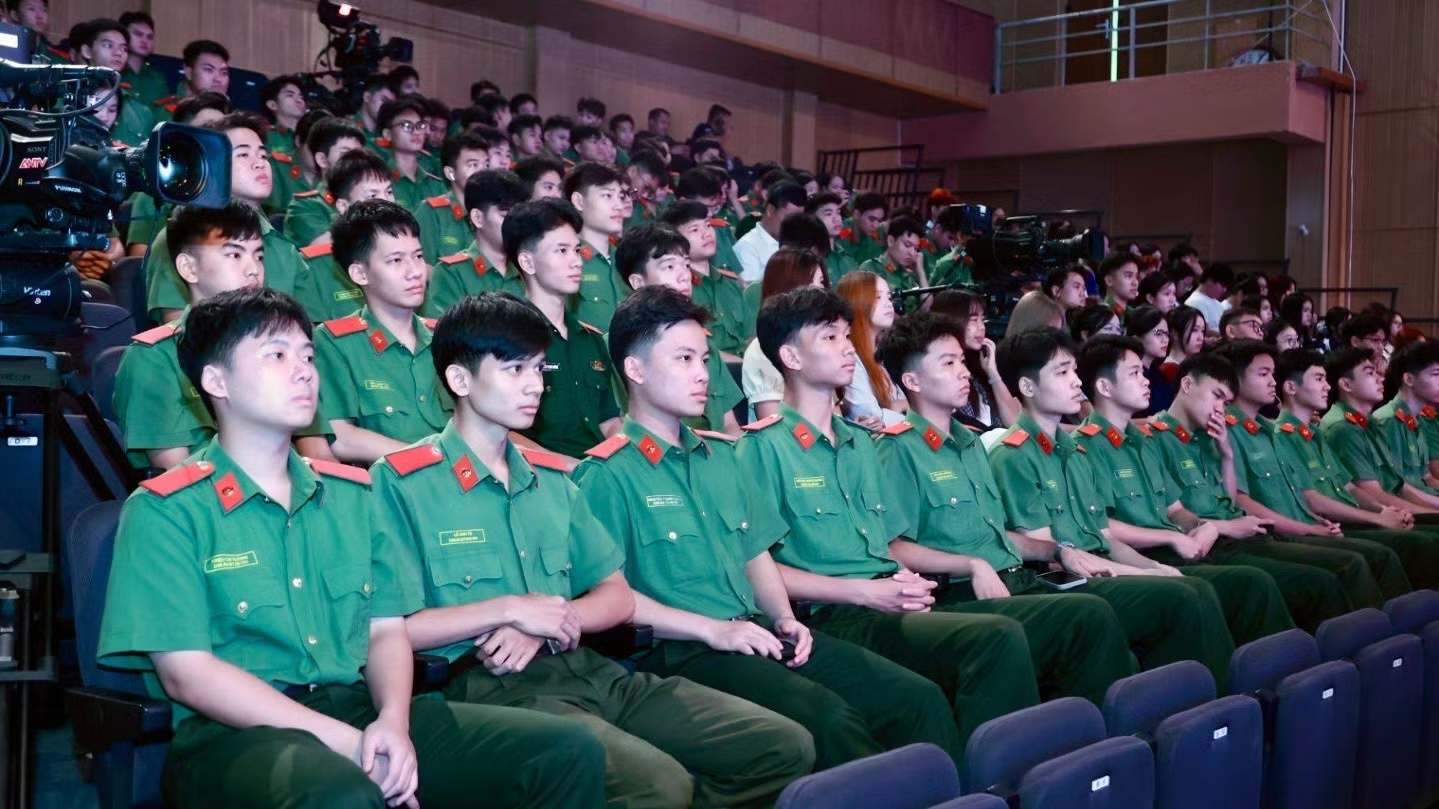
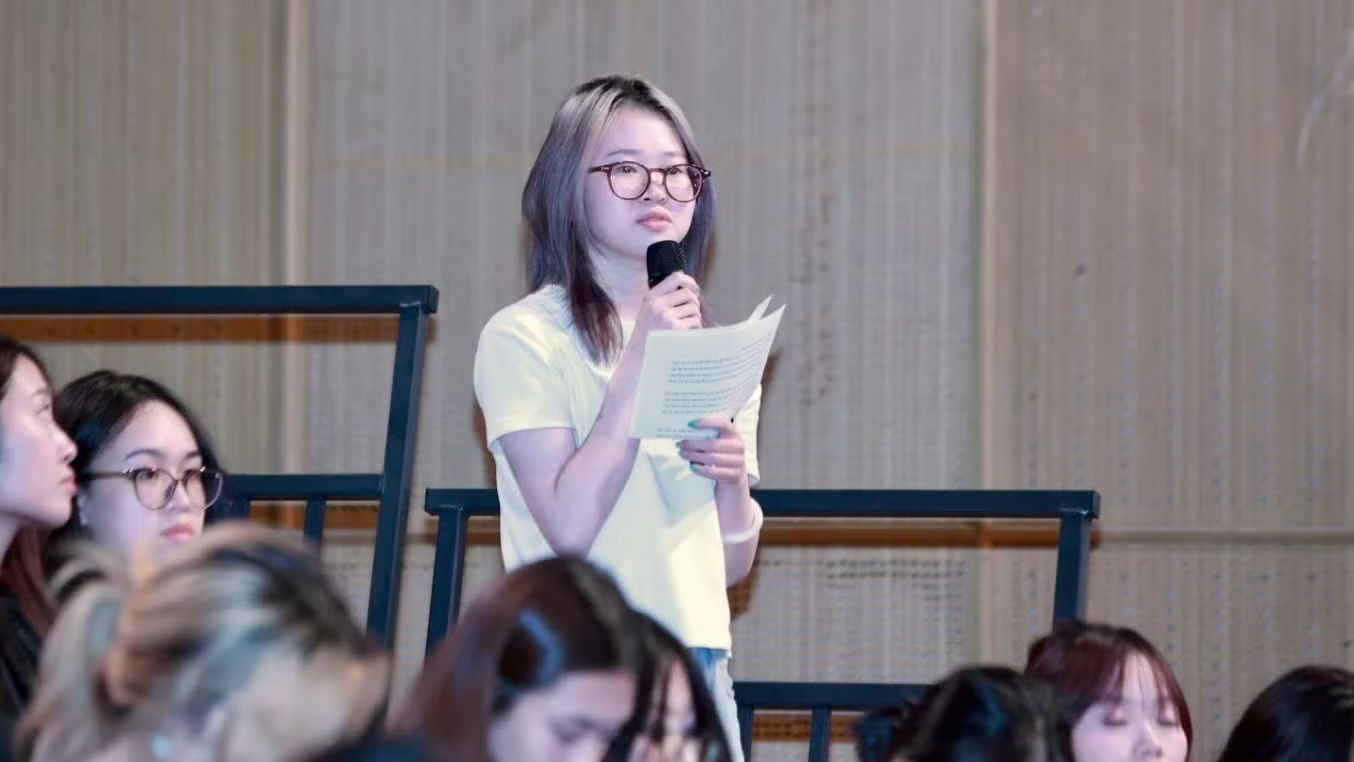
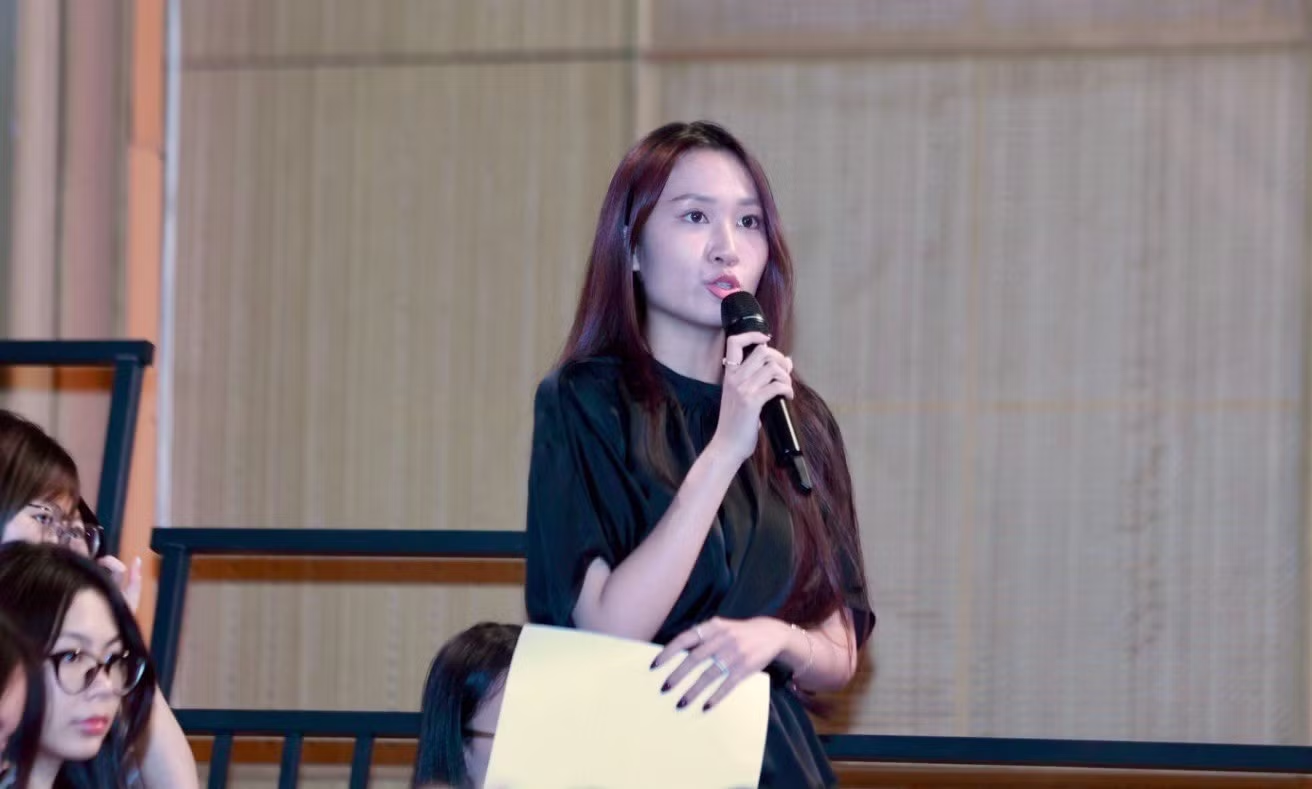
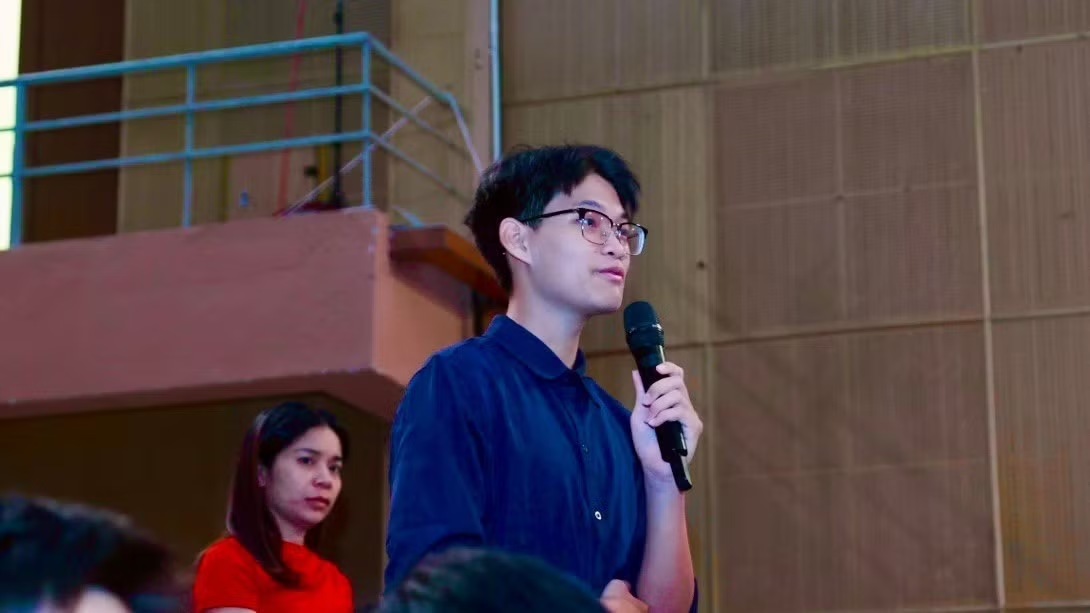
As part of the 15th People's Public Security (CAND) Television, Radio, and Film Festival in 2026, a thematic seminar titled “Convergence – Multi-Platform Content Distribution” was held on the afternoon of October 23 at Studio S1, CAND Communications Department. The event brought together leading media experts, technology enterprises, and over 300 delegates, including reporters, editors, and CAND collaborators from across the country.
Building a convergent production process
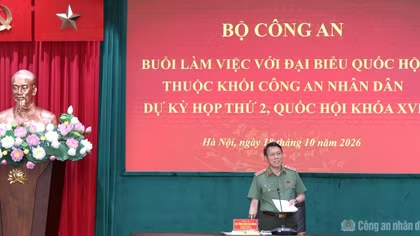
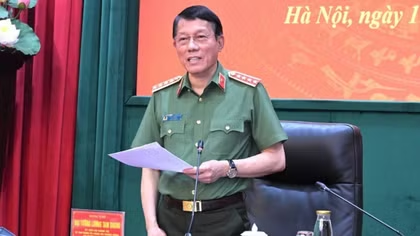
In his opening remarks, Lieutenant General Do Trieu Phong, Director of the CAND Communications Department and Head of the Festival Organizing Committee, emphasized: “We are living in the digital era, where the public’s methods of receiving information change by the day, even by the hour. Journalism and media are no longer about the ‘exclusive’ right to broadcast or periodic print publication, but rather a race for speed, accuracy, and multidimensional interaction in cyberspace.”
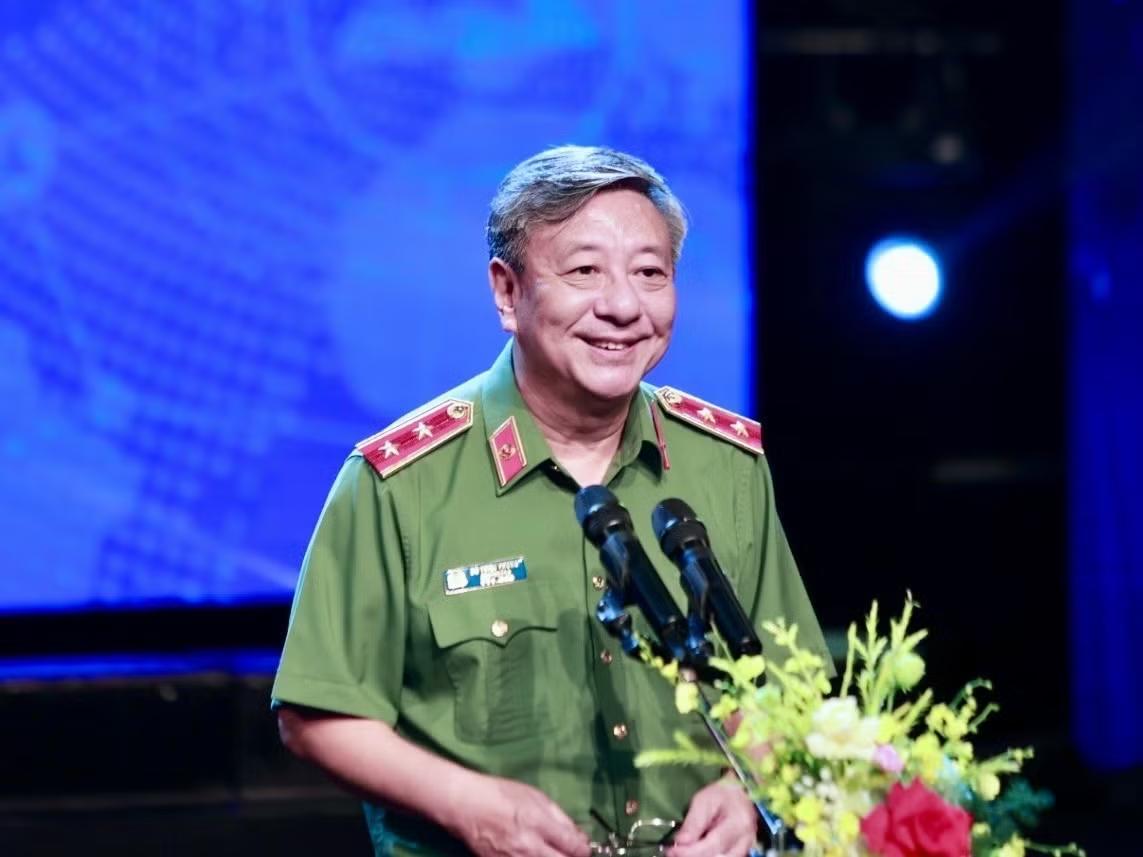
Faced with these demands, building and operating a convergent, multi-platform information distribution model is not merely a technical upgrade, but a vital strategic shift for the development of the CAND Communications Department.
Specifically, convergence involves integrating the production processes of news, images and audio - from print, television and radio to digital platforms - into a unified operational axis. This optimizes resources, eliminates fragmented workflows, and enables the creation of in-depth, data-driven, multimedia journalistic products with a broad impact.
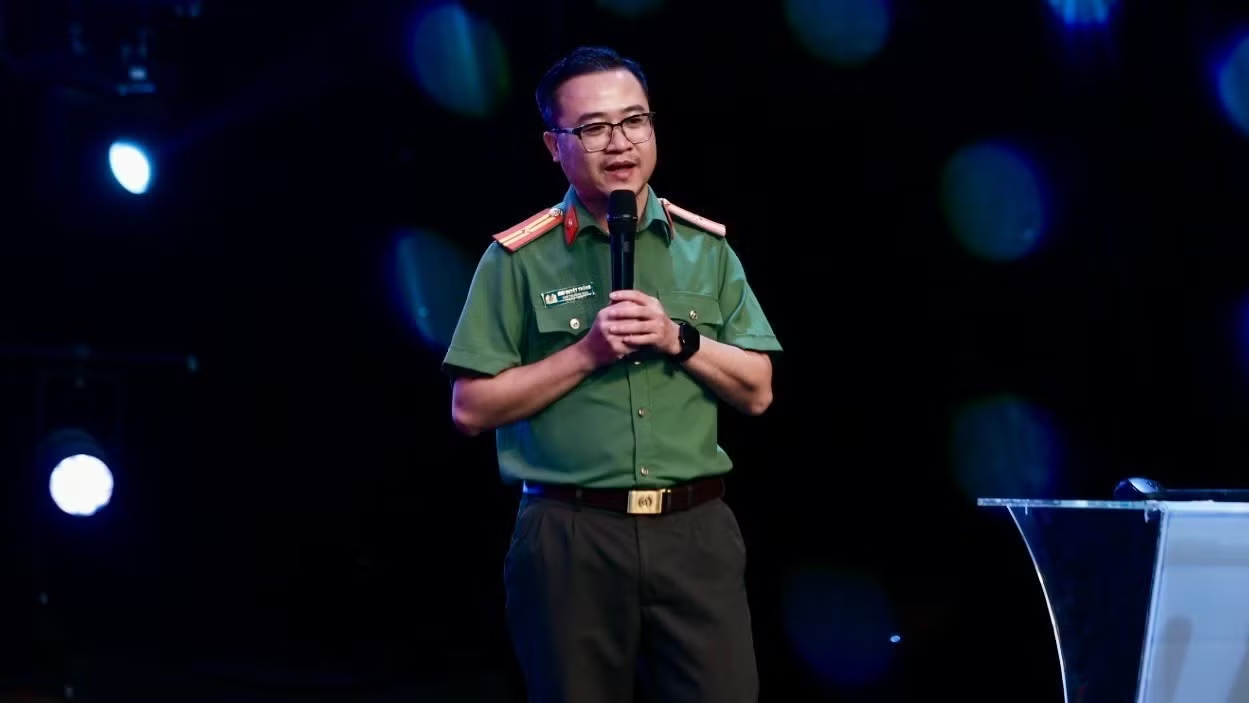
Regarding multi-platform distribution, official CAND contents should proactively and attractively appear on all media channels used by the public, from online newspapers and social networks to OTT applications. Broad distribution ensures our information travels faster than harmful or false news, maintains the ideological front, promptly guides public opinion, and strongly promotes the positive image of police officers serving the people.
Highlighting the role of information and communications officers in CAND units and agencies, Lieutenant General Do Trieu Phong noted that these officers work at the grassroots level, so they can grasp the real nature of the grassroots-level forces' professional operations, crime prevention and combat as well as their daily-life activities; as a result, they play a crucial role in connecting information from the ground to the center.
The Director of the CAND Communications Department also expressed confidence that, with a spirit of innovation, creativity and responsibility, the discussion would open up new approaches and tools, making CAND communications and information work increasingly modern, professional and effective.
Innovating press and media mindsets
One of the seminar’s key topics was the experience of organizing convergent journalism production, optimizing content distribution based on data and performance metrics, and the multimedia newsroom model at major media agencies.
Sharing experiences from the CAND Communications Department, Major Mai Quyet Thang, Deputy Head of Current Affairs, CAND Television, stated that to maximize the effectiveness of each reporting trip, it is necessary to develop production processes suited to convergent journalism and to determine content distribution methods for different audience groups.
According to Major Mai Quyet Thang, whereas previously reporters were often required to complete their products on-site, in the convergent model, collected data can be further exploited and developed into various products.
The role of the editing staff has also evolved. The editing staff now not only receives and edits reporters’ pieces of journalism but also participates in content development, collaborating with reporters to create products tailored to each platform.
From a single initial data source, the newsroom can produce breaking news, feature reports, in-depth analyses, or more engaging multimedia products.
To implement this effectively, Major Mai Quyet Thang proposed an eight-step production process: identifying the event; determining key information; planning multi-platform exploitation; organizing a working team of reporters, cameramen and editors; collecting and standardizing data for a shared database; developing multi-platform products; distributing content; and measuring effectiveness and drawing lessons.
Among these, planning multi-platform exploitation before sending reporters to the field is a key step. From the outset, the editorial board should determine the personnel involved, the types of data to collect, the intended products, and the publishing priority for each platform. Thorough preparation helps avoid missing information, prevents resource waste, and expands post-production data exploitation opportunities.
Capturing public attention with quality content
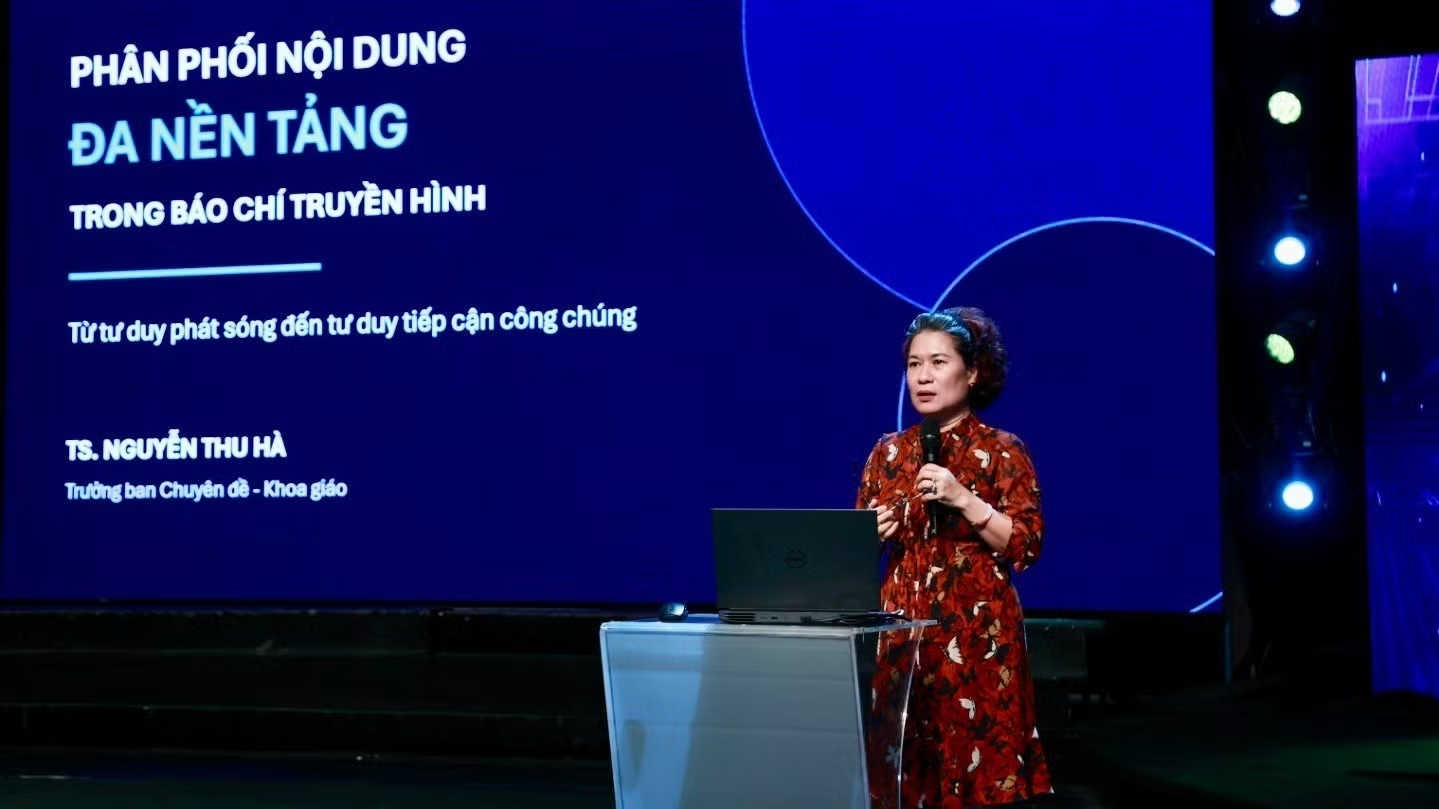
Echoing this perspective, journalist Dr. Nguyen Thu Ha, Head of the Special Features – Science and Education Department at Vietnam Television, shared experiences in organizing production and multi-platform distribution. She noted that, for years, the unit has recognized that television’s golden age has passed. To meet public demand, multi-platform content distribution and changes in working mindset and approach are imperative.

According to journalist Nguyen Thu Ha, “Whoever captures the public’s time will gain the advantage; by all means, we must attract public attention, regardless of the platform.” Whereas audiences once sought out content, now content must appear before the public’s eyes and attract public attention.
Media outlets, including television, must compete for attention, but the competition must be based on quality content, not on clickbait or sensationalism at any cost.
For newsrooms, in addition to initial production orientation and changing workflows, it is also necessary to consider the content lifecycle to continue nurturing and exploiting content after its initial broadcast.
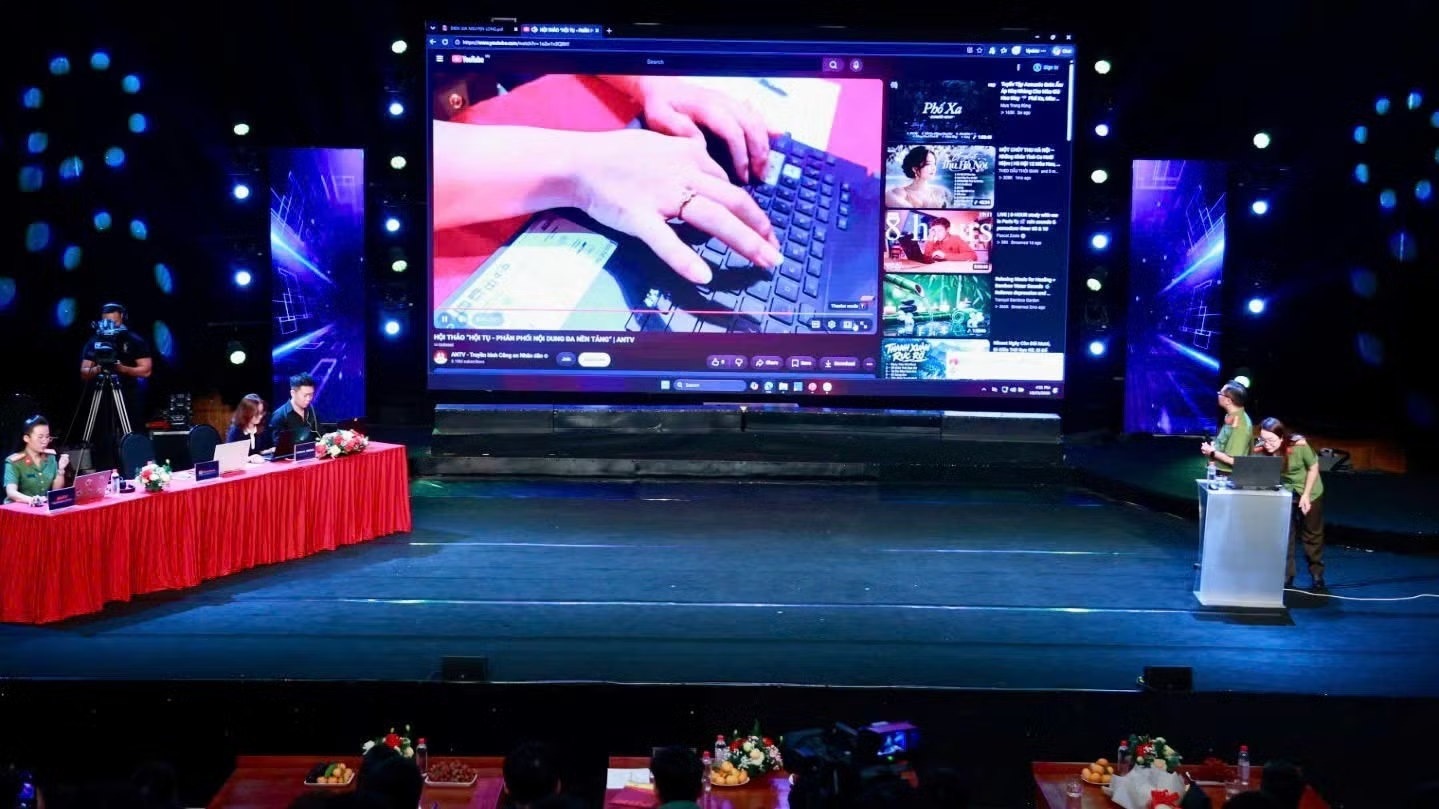
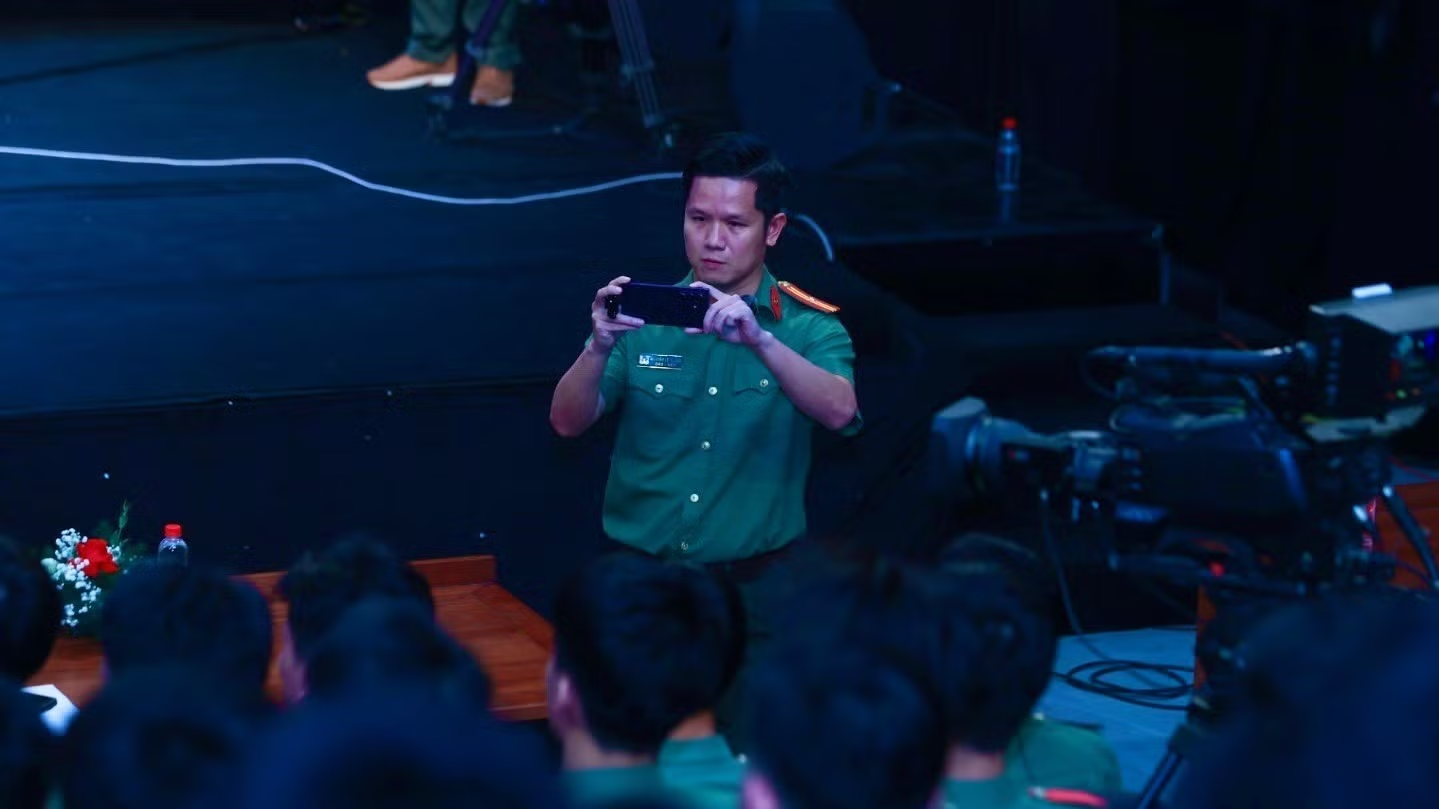
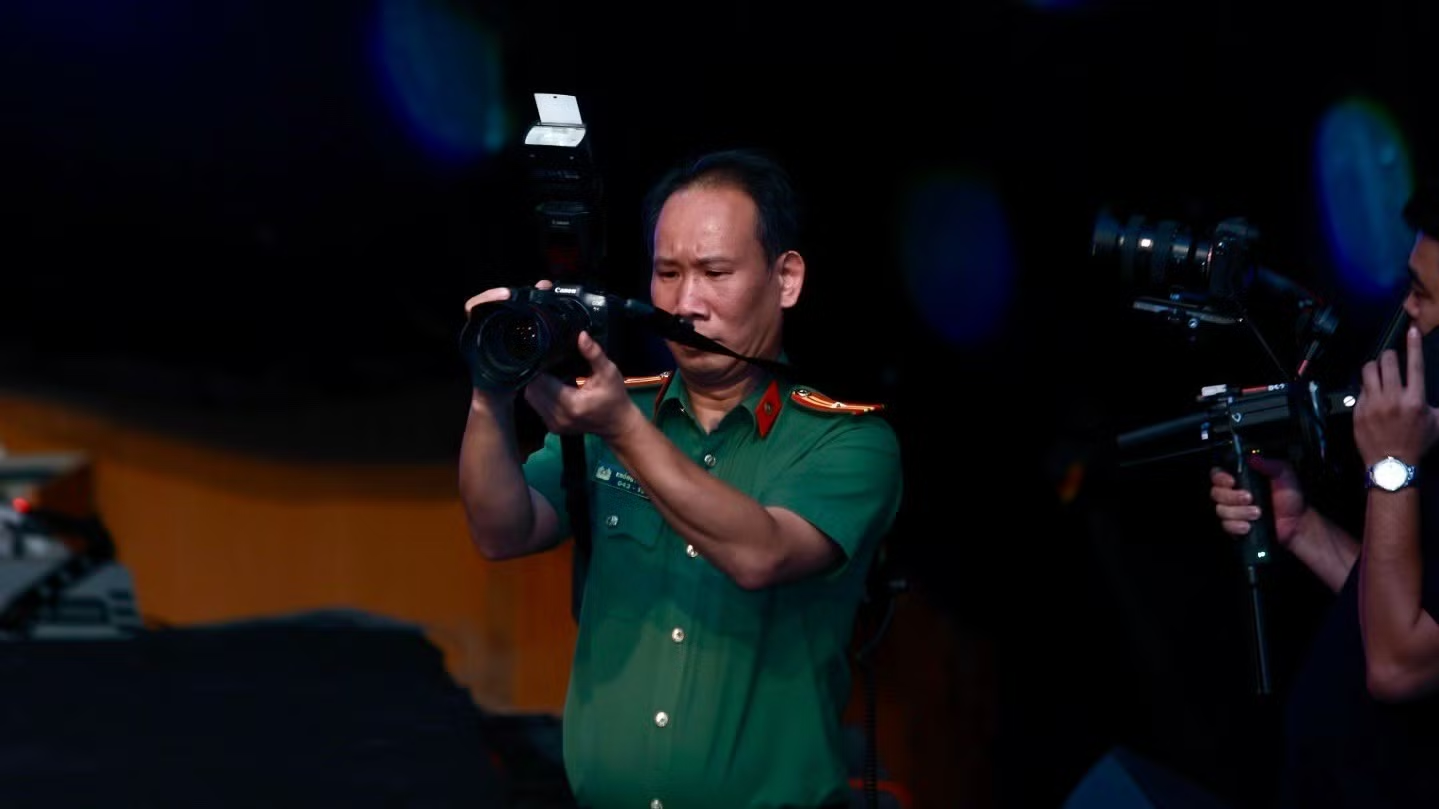
At the seminar, delegates also listened to CEO of 5G Company Nguyen Long, who shared solutions for optimizing multi-platform distribution and discussed practical challenges with the speakers.
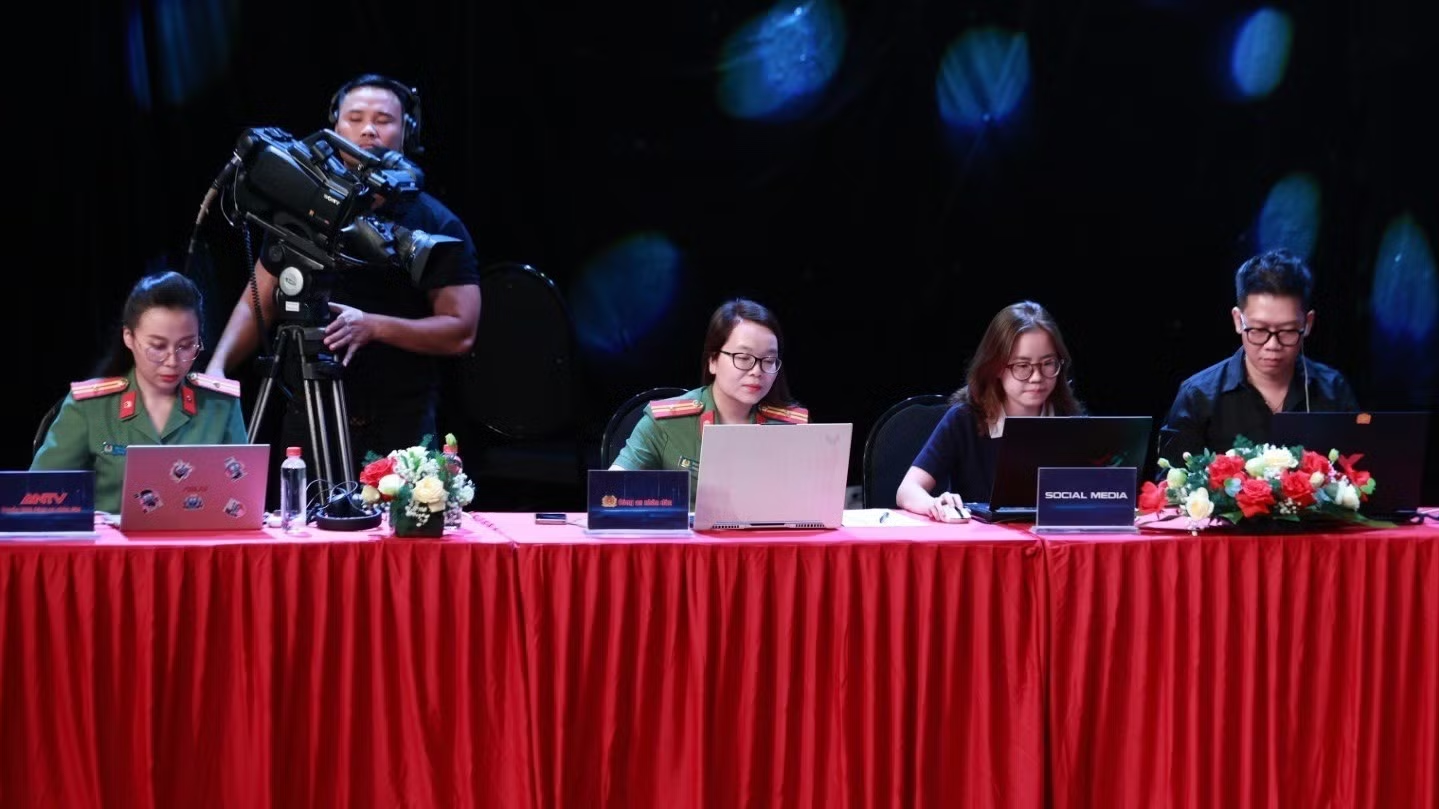
Another highlight of the seminar was the live reporting demonstration, which showcased the process of receiving information, organizing production, and publishing products across platforms. This activity clarified the need for coordination between stages in the process and the importance of adapting presentation formats to effectively leverage a single information source across multiple distribution channels.