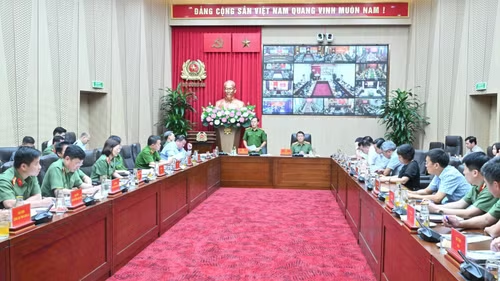
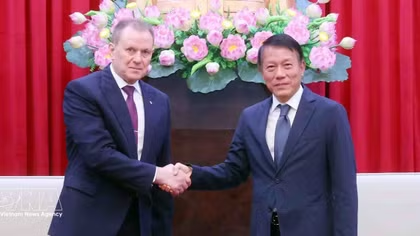
The Ministry of Public Security held a national scientific conference at the Public Security Academy, on October 21, to examine how international integration can help safeguard Viet Nam’s national interests and security under Resolution No. 59-NQ/TW, dated January 24, 2025.
Senior Lieutenant General Le Van Tuyen Dr., a member of the Party Central Committee and Deputy Minister of Public Security, chaired the event. Participants included representatives from central agencies, ministries and local authorities, alongside experts and scholars from within and outside the Public Security Forces.
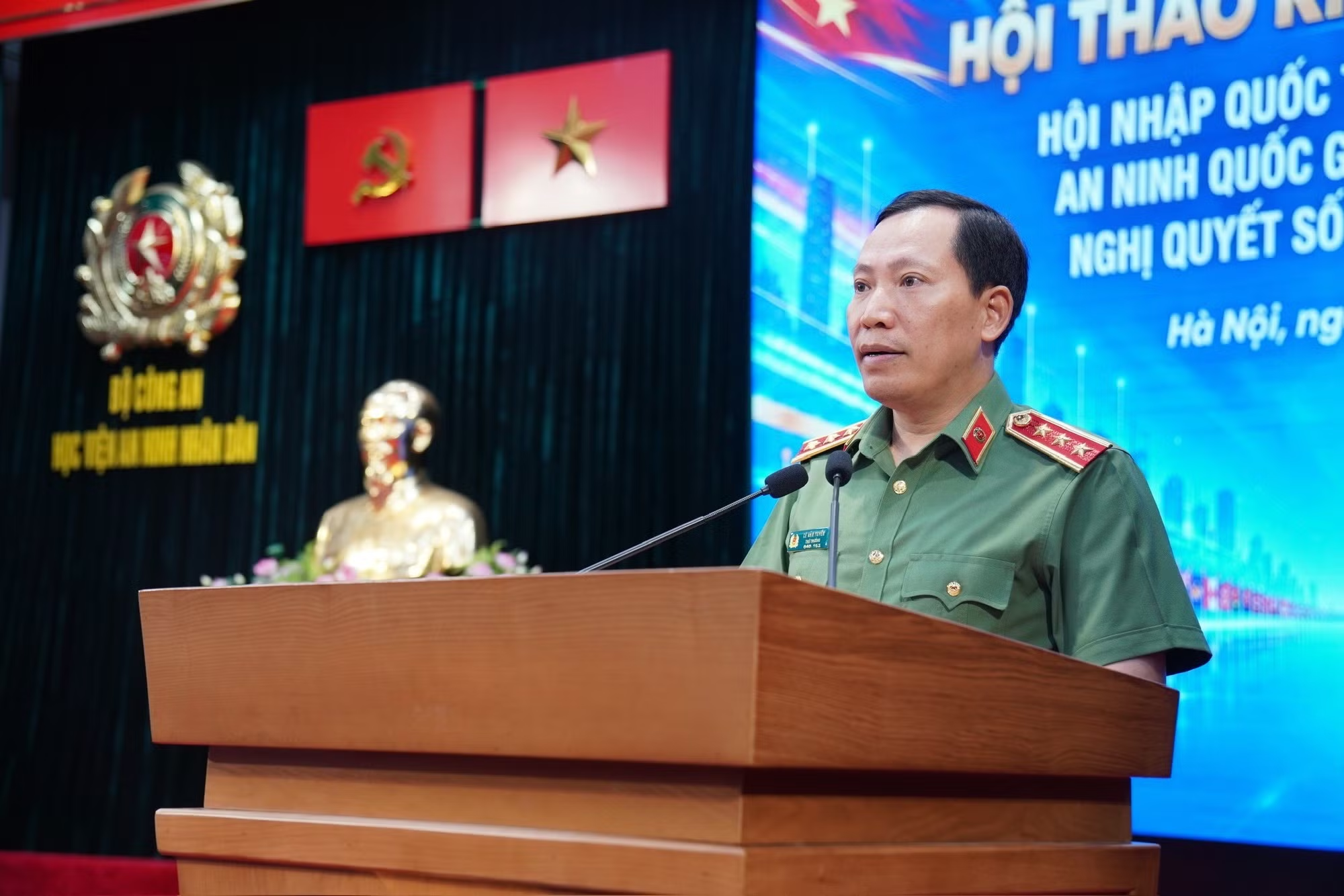
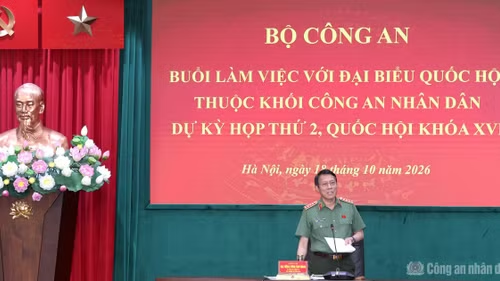
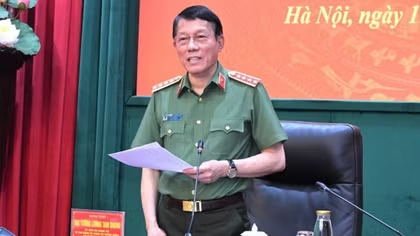
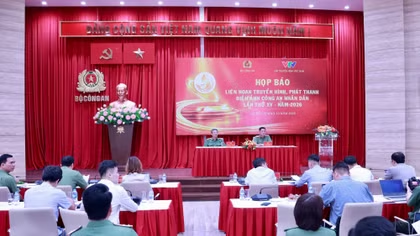
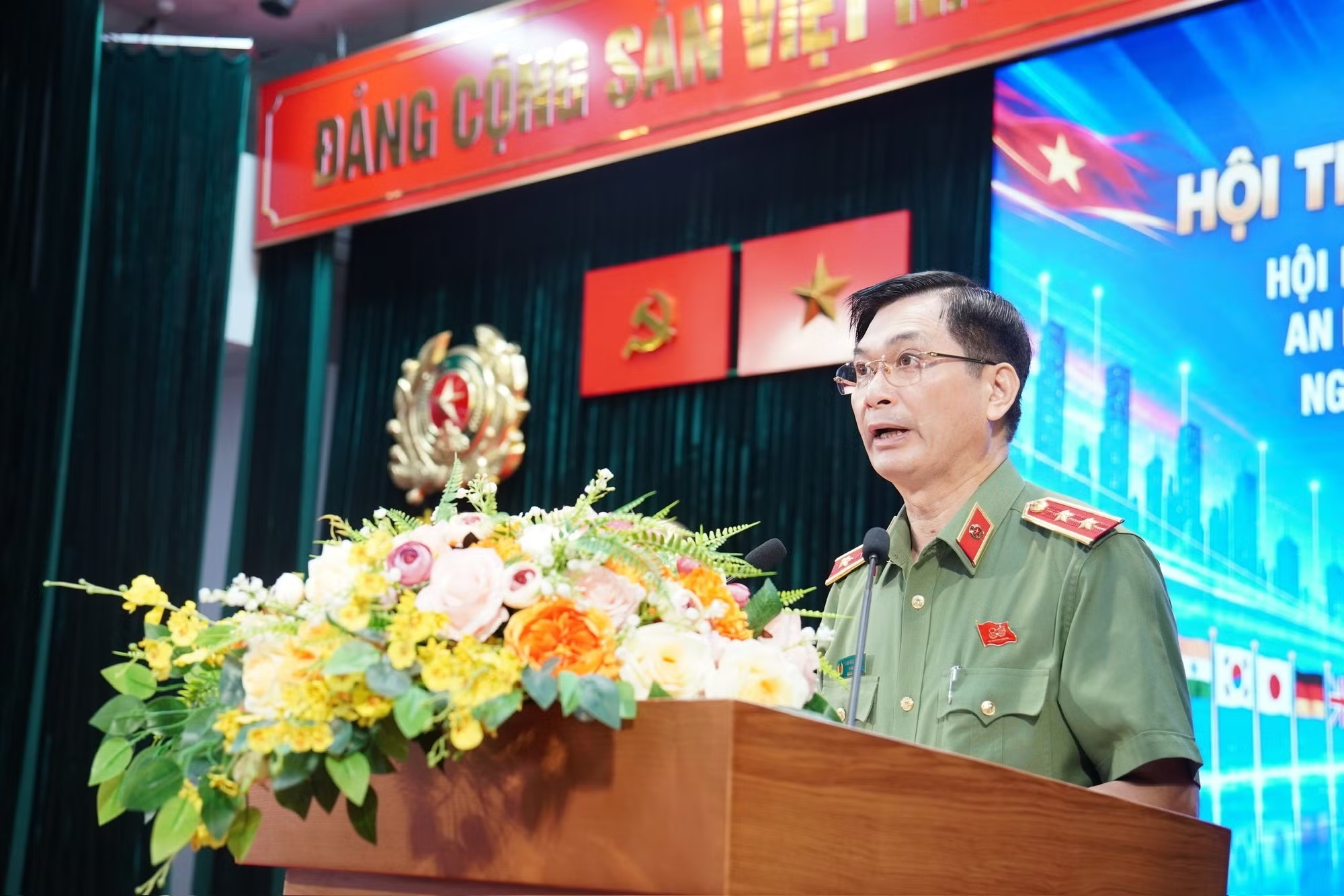
Deputy Minister Le Van Tuyen delivers remarks at the event
In his opening remarks, President of the People’s Security Academy Lieutenant General Trinh Ngoc Quyen Assoc. Prof., Dr., described the Politburo’s Resolution No. 59 on international integration in the new context as a significant milestone. He said it elevated the Party’s thinking on international integration, establishing it as a strategic driver and a key pillar of national development in the new era.
International integration now extends across politics, diplomacy, the economy, defence and security, as well as science and technology, education, culture, the environment, cyberspace and emerging sectors. Protecting national interests and security therefore requires a comprehensive, proactive, cross-sectoral and strategic approach that goes beyond traditional security considerations, he said.
The conference aimed to reach consensus on the resolution’s objectives and approaches, while contributing to popularizing relevant policies and boosting the implementation of those policies.
Delegates reviewed Vietnam’s integration in different fields, examined the factors shaping its progress and identified lessons from practices to improve its effectiveness in safeguarding national interests and security.
Director of the Public Security Academy Lieutenant General Trinh Ngoc Quyen , Assoc. Prof., Dr., delivers the keynote address.
Assoc. Prof., Dr. Hoang Van Nghia, a deputy of the 16th National Assembly serving on the Committee for Deputy Affairs, highlighted the importance of strategic autonomy and a foreign policy grounded in that principle. He described autonomy as a shield against external risks and a foundation for socioeconomic development.
He outlined five pillars of strategic autonomy: politics and institutions; the economy; science, technology and innovation; defence and security; and culture. Political and institutional strength provides the foundation, while the economy stands at the center, science and technology promotes development, defence and security offers protection, and culture generates national soft power.
To put this strategic thinking into practical action, Mr Nghia called for institutional breakthroughs and stronger capacity to fulfil international commitments.
Priorities include promptly translating foreign policy orientations into legislation, incorporating international legal obligations into domestic law, and building an autonomous economy while attracting a new generation of foreign direct investment.
He also proposed strengthening legal frameworks for a green economy, digital transformation, innovation, quantum technology and artificial intelligence. Science and technology diplomacy, together with economic diplomacy, should help Viet Nam participate more deeply in global value chains, with people and businesses placed at the centre of integration efforts.
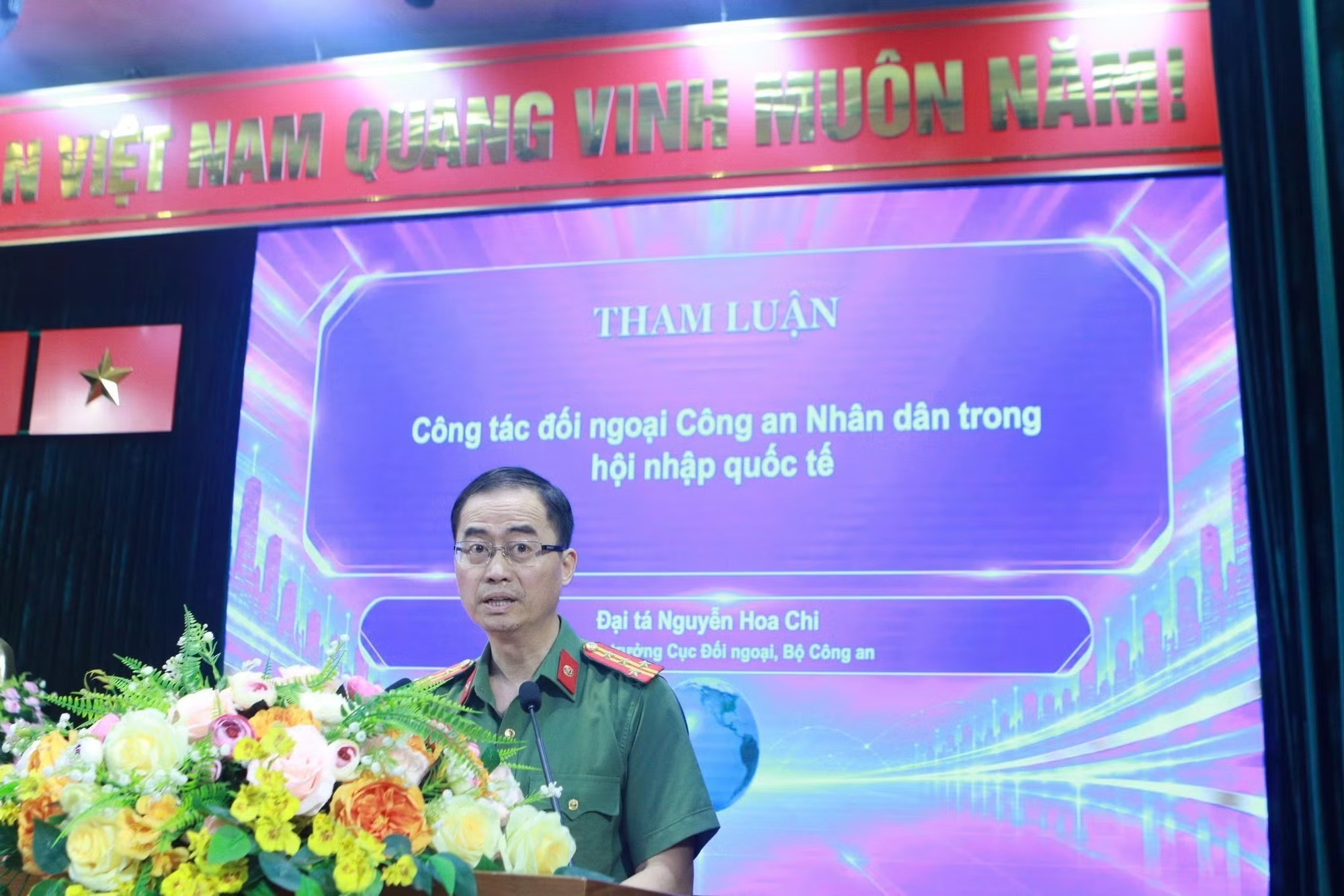
Senior Colonel Nguyen Hoa Chi, Deputy Director General of the Ministry of Public Security’s Department of Foreign Relations, said the Executive Committee of the Public Security CPV Committee and the ministry’s leadership had consistently attached great importance to international cooperation.
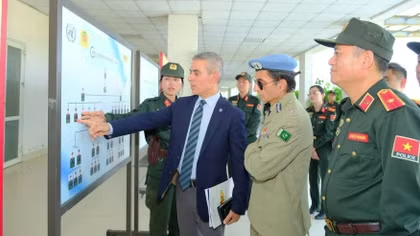
Cooperation with foreign partners has produced notable results, she said, citing the deployment of personnel by the Ministry of Public Security and the Ministry of National Defence to assist countries affected by earthquakes and wildfires, as well as their participation in United Nations peacekeeping operations.
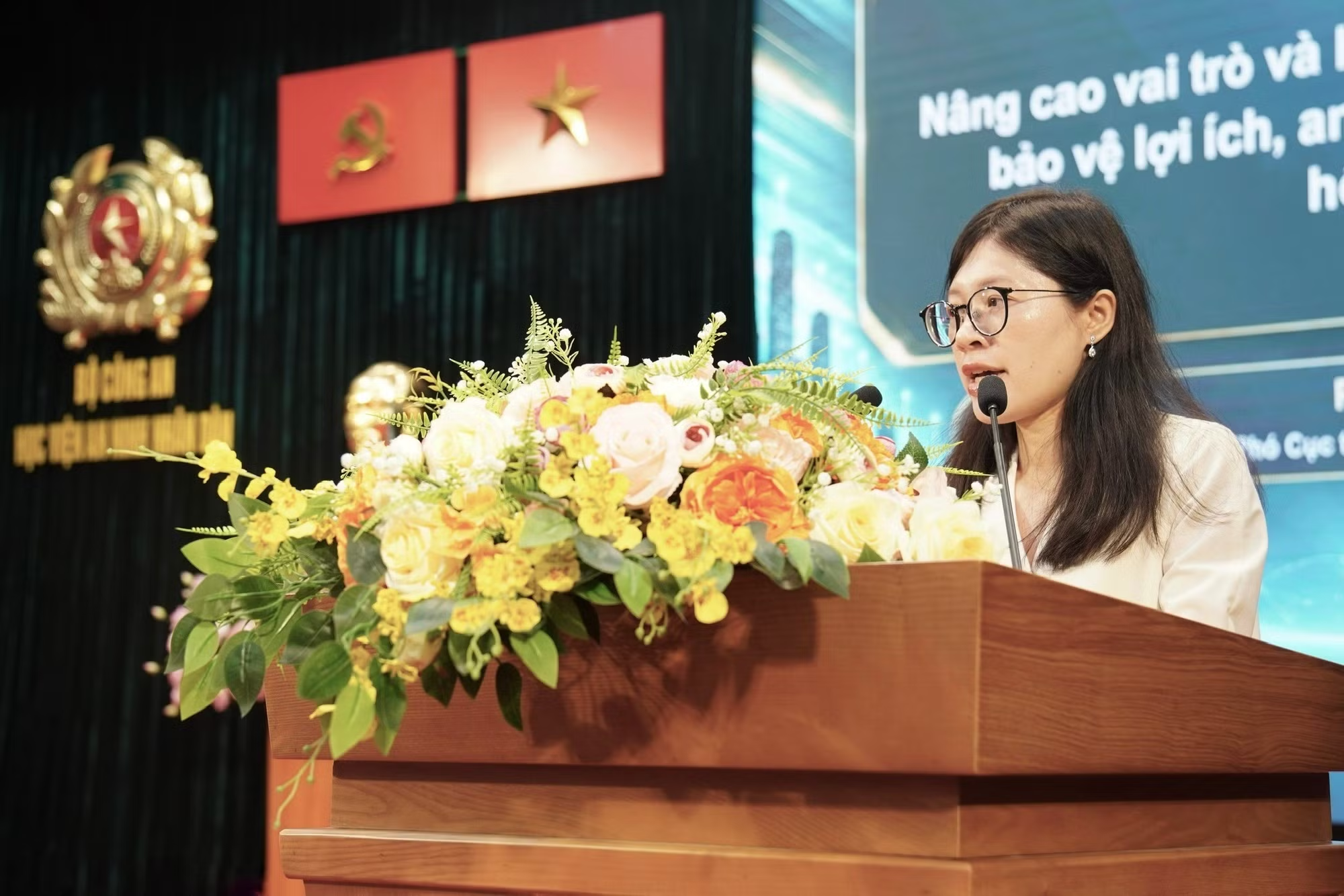
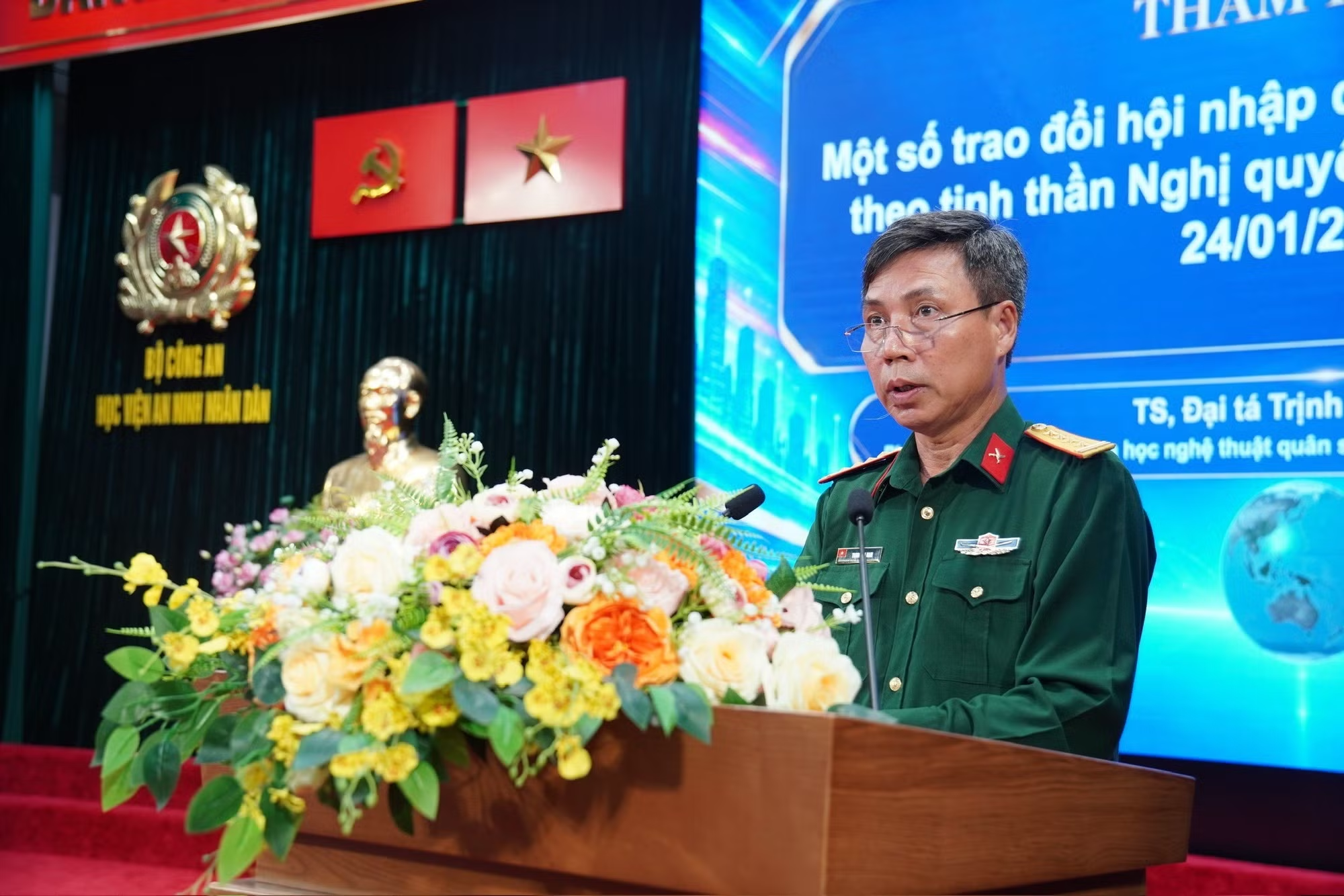
Deputy Director General of the Ministry of Foreign Affairs’ Consular Department Phan Thi Minh Giang proposed measures to strengthen consular protection as part of efforts to safeguard national interests and security.
She stressed the need to improve legislation on the protection of Vietnamese citizens abroad, strengthen the organisational structure and capacity of the agencies responsible, accelerate digital transformation and further develop migration databases.
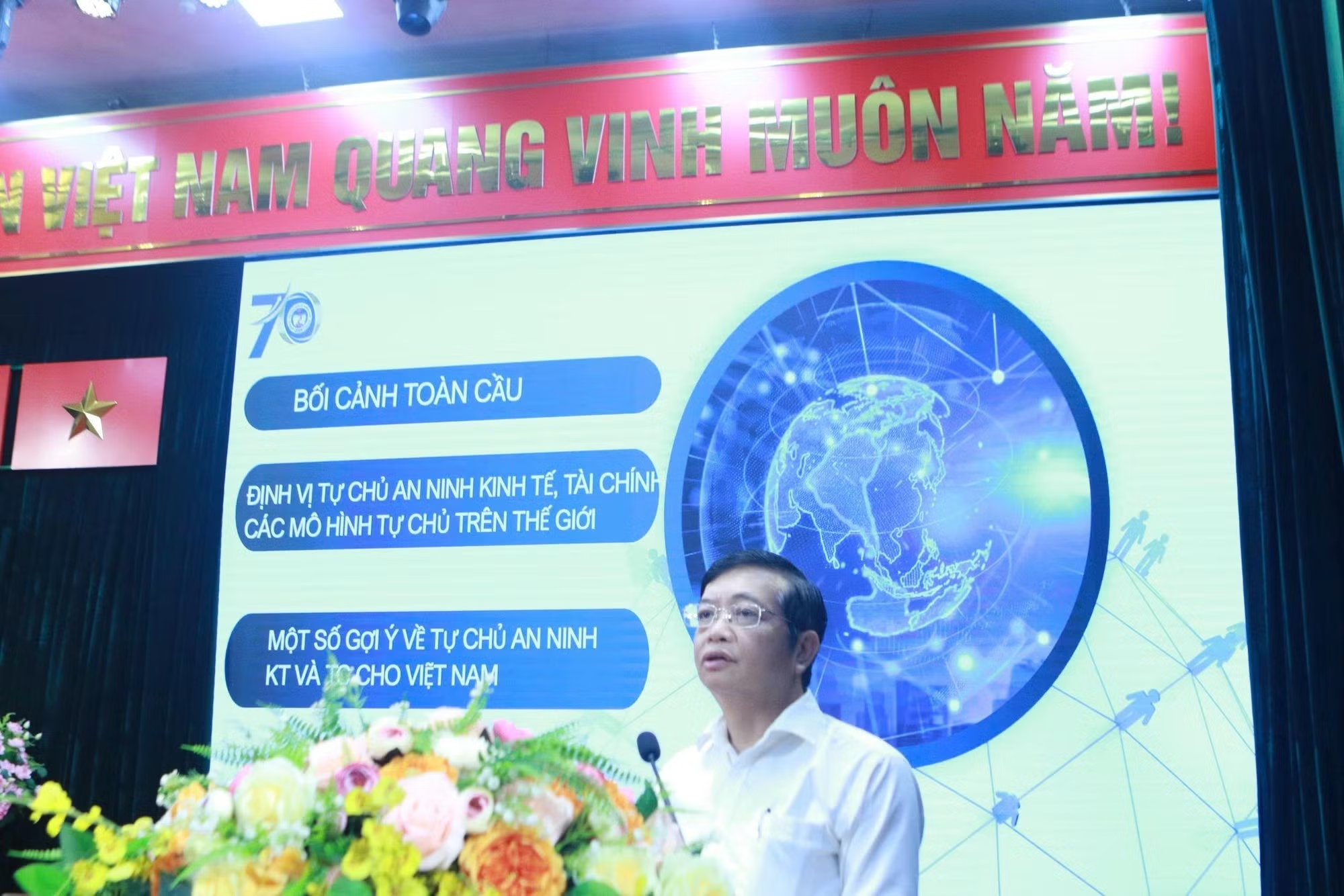
Prof. Dr. Ta Van Loi, Rector of the School of Business and Director of the Institute of International Trade and Economics at the National Economics University, shared international experience in strengthening autonomy in national security, the economy and finance, drawing lessons relevant to Viet Nam.
In his concluding remarks, Deputy Minister Tuyen described Resolution No. 59 as a breakthrough in the Party’s strategic thinking, informed by Viet Nam’s experience in implementing its renewal policy and pursuing international integration through successive stages of development.
He said the papers and discussions had helped clarify the Party’s new perspectives on integration and its role in protecting and advancing national interests and security.
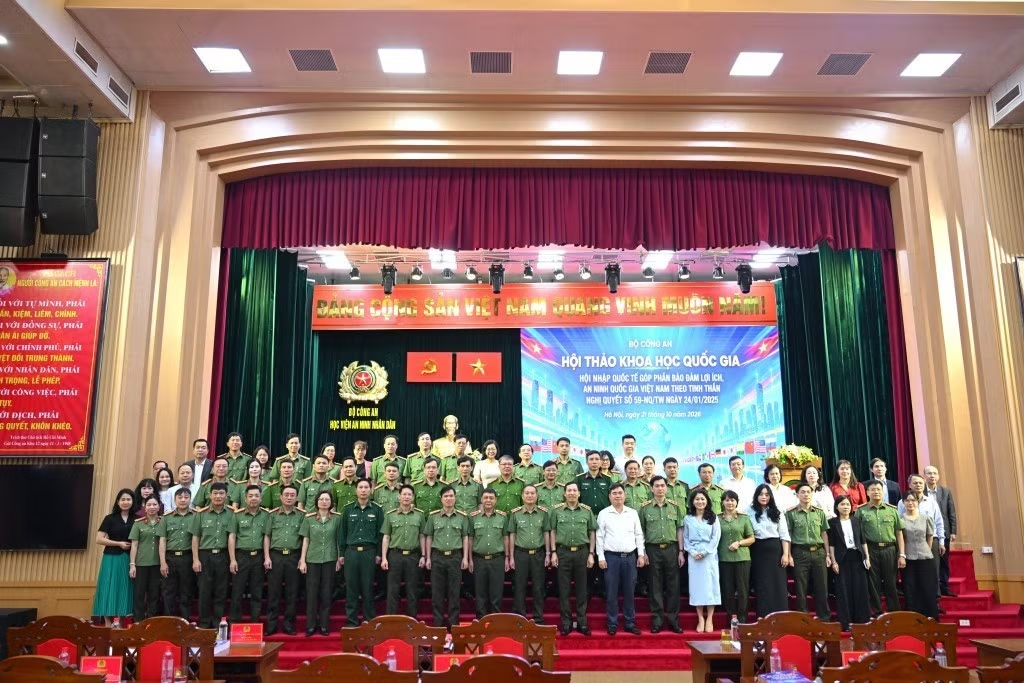
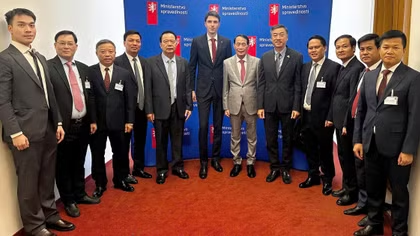
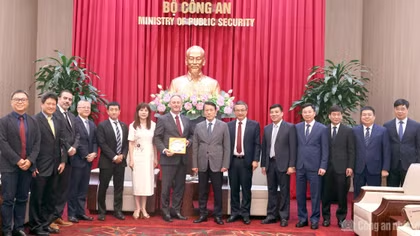
Deputy Minister Le Van Tuyen and delegates pose for a commemorative photo at the conference.
Participants also assessed Viet Nam’s integration in specific sectors and strategic regions, reviewed effective mechanisms and practices adopted by ministries, agencies and local authorities, and identified outstanding difficulties requiring further attention.
The discussions examined the opportunities, risks and challenges that integration presents, drawing on international experience while emphasising the need to maintain national self-reliance, resilience and autonomy. These assessments formed the basis for recommendations to improve policies and implementation in the coming period.
Deputy Minister Tuyen asked the Public Security Academy, as the conference’s coordinating body, to promptly compile its findings, particularly the obstacles identified and the proposed solutions.
The academy was tasked with submitting the results to the Standing Board of the Central Public Security Party Committee and the ministry’s leadership for discussion with relevant ministries, agencies and local authorities. The findings will inform reviews and proposed amendments to policies and mechanisms, supporting more coordinated, comprehensive and effective international integration.