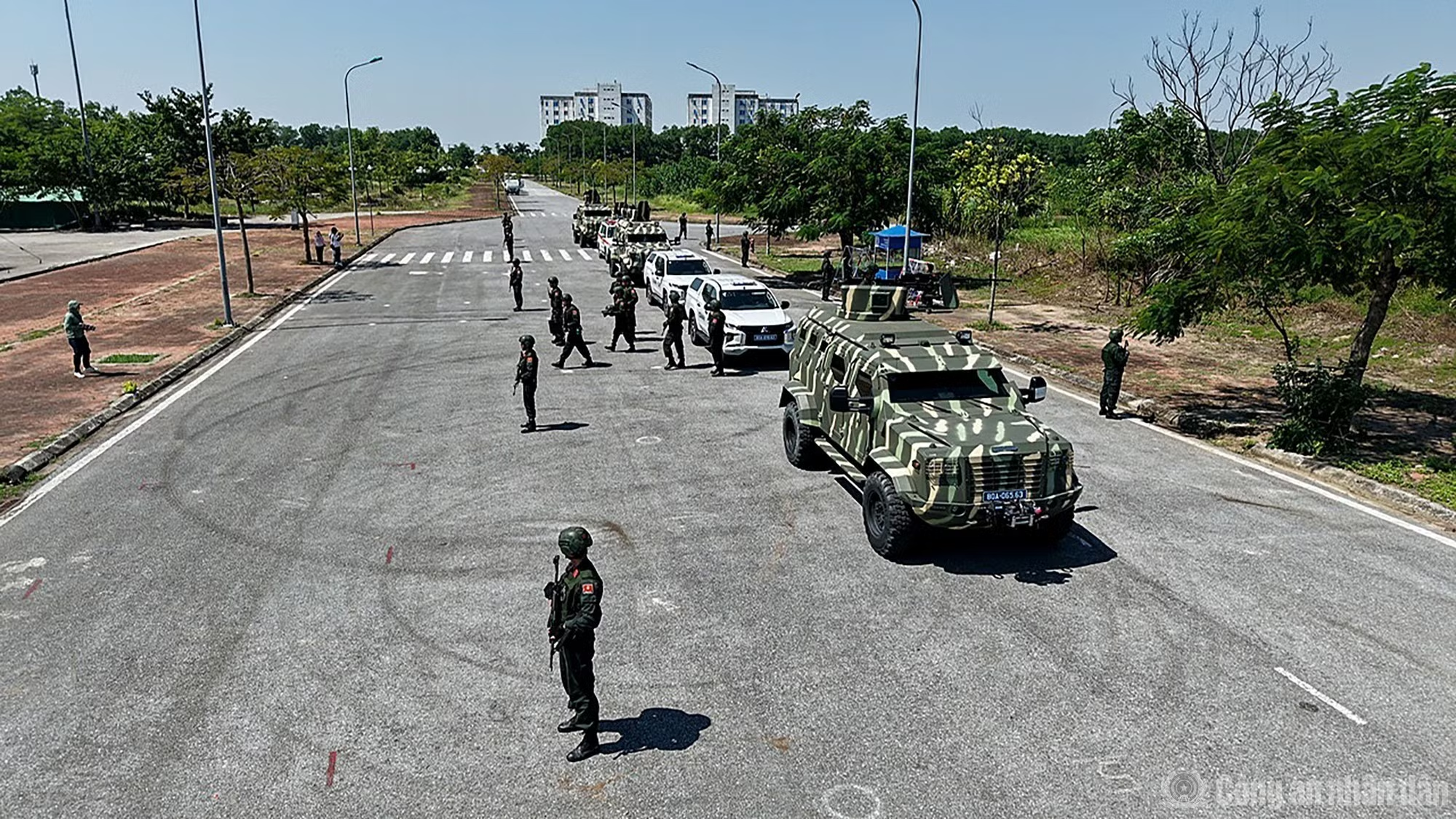
The field inspection was set in a mission area where the security situation was deteriorating. Food shortages, civil unrest, and incitement by some individuals had heightened tensions, and a crowd demanded that the UN and the government open food warehouses.
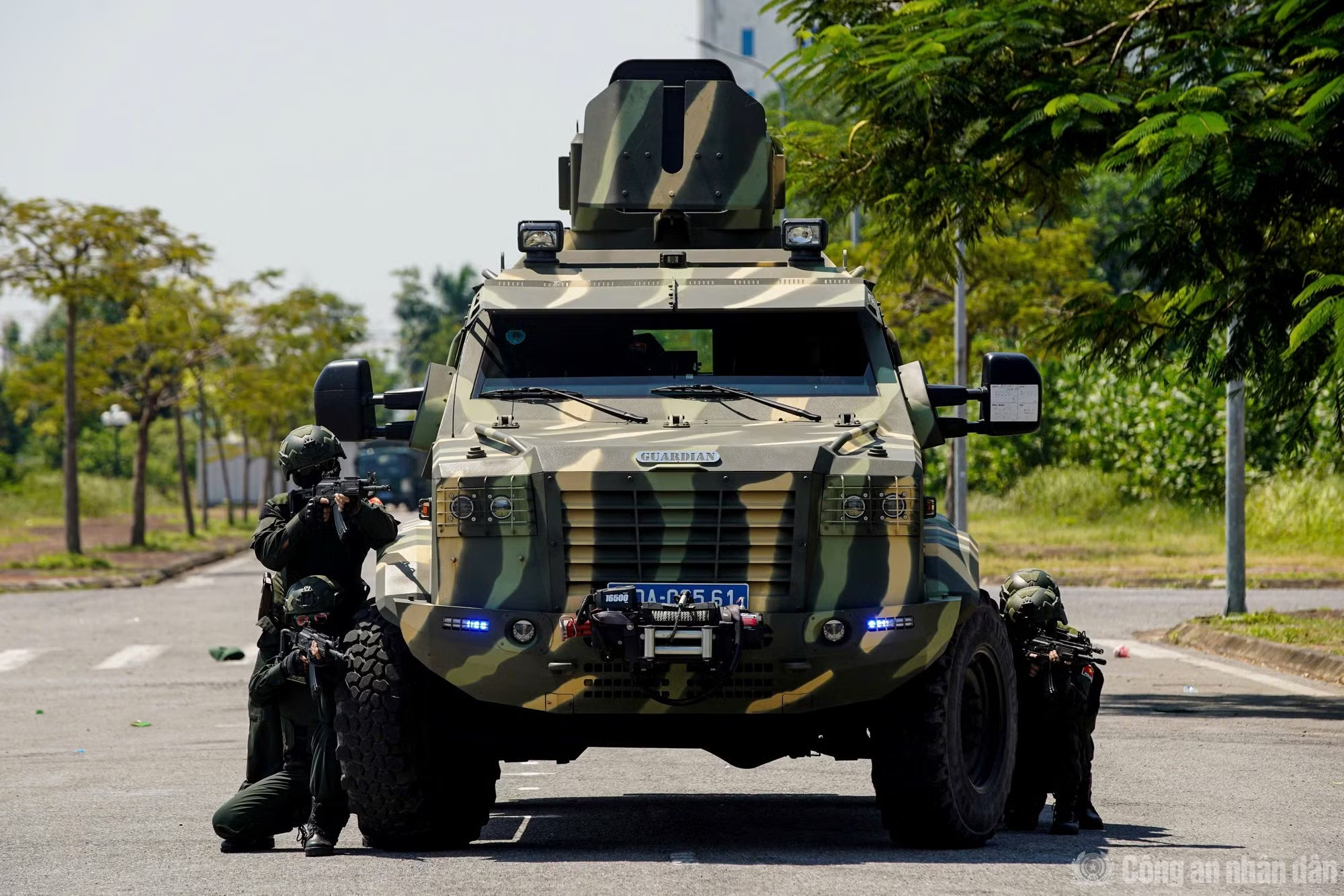
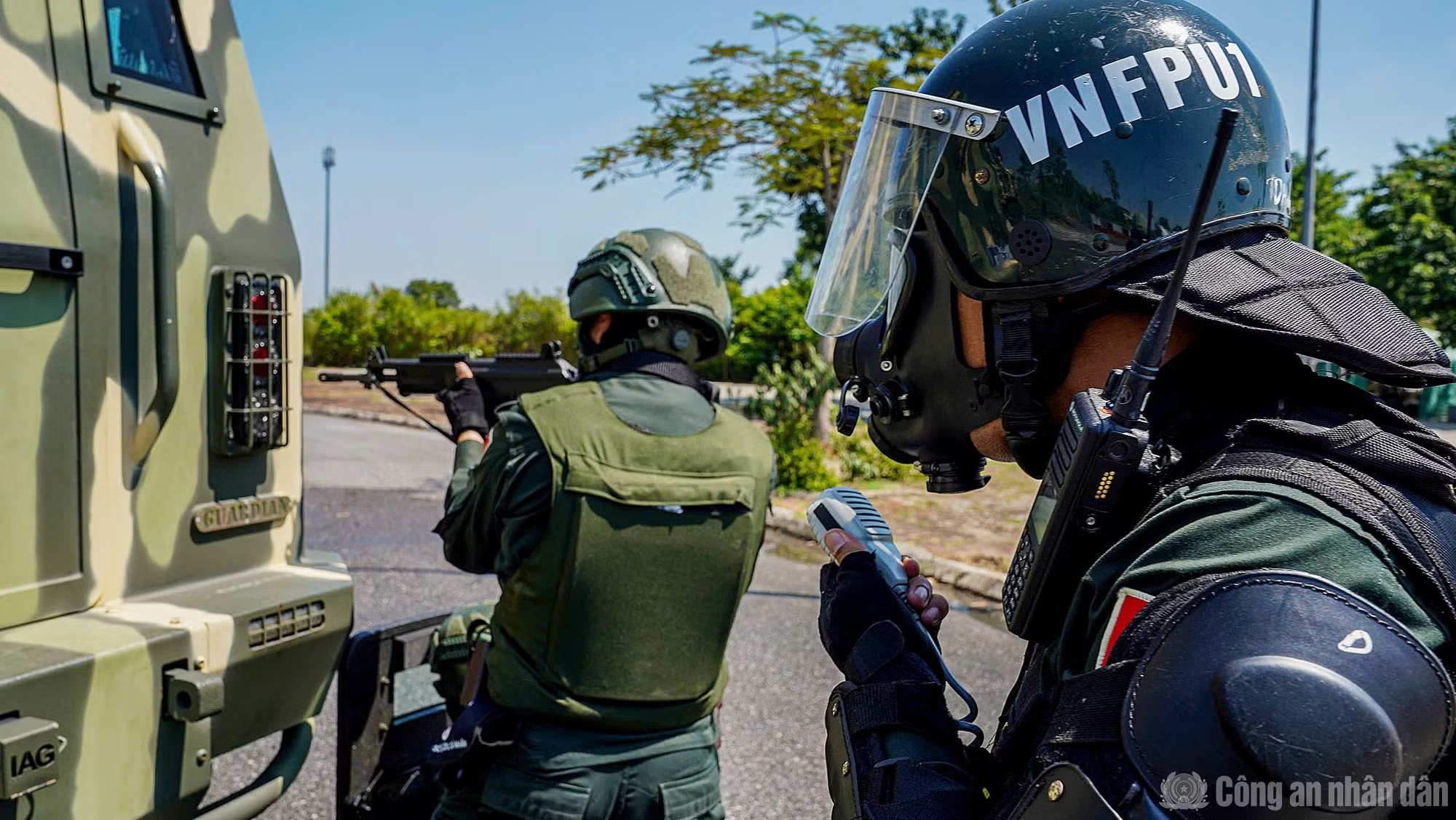
In response, VNFPU1 organized its forces and carried out security measures under its orders to protect VIPs, UN personnel, and UN facilities; control people and vehicles at a checkpoint; maintain public order during a demonstration; and coordinate the response to a hostage-taking and restore security, ensuring the safety of civilians and participating forces.
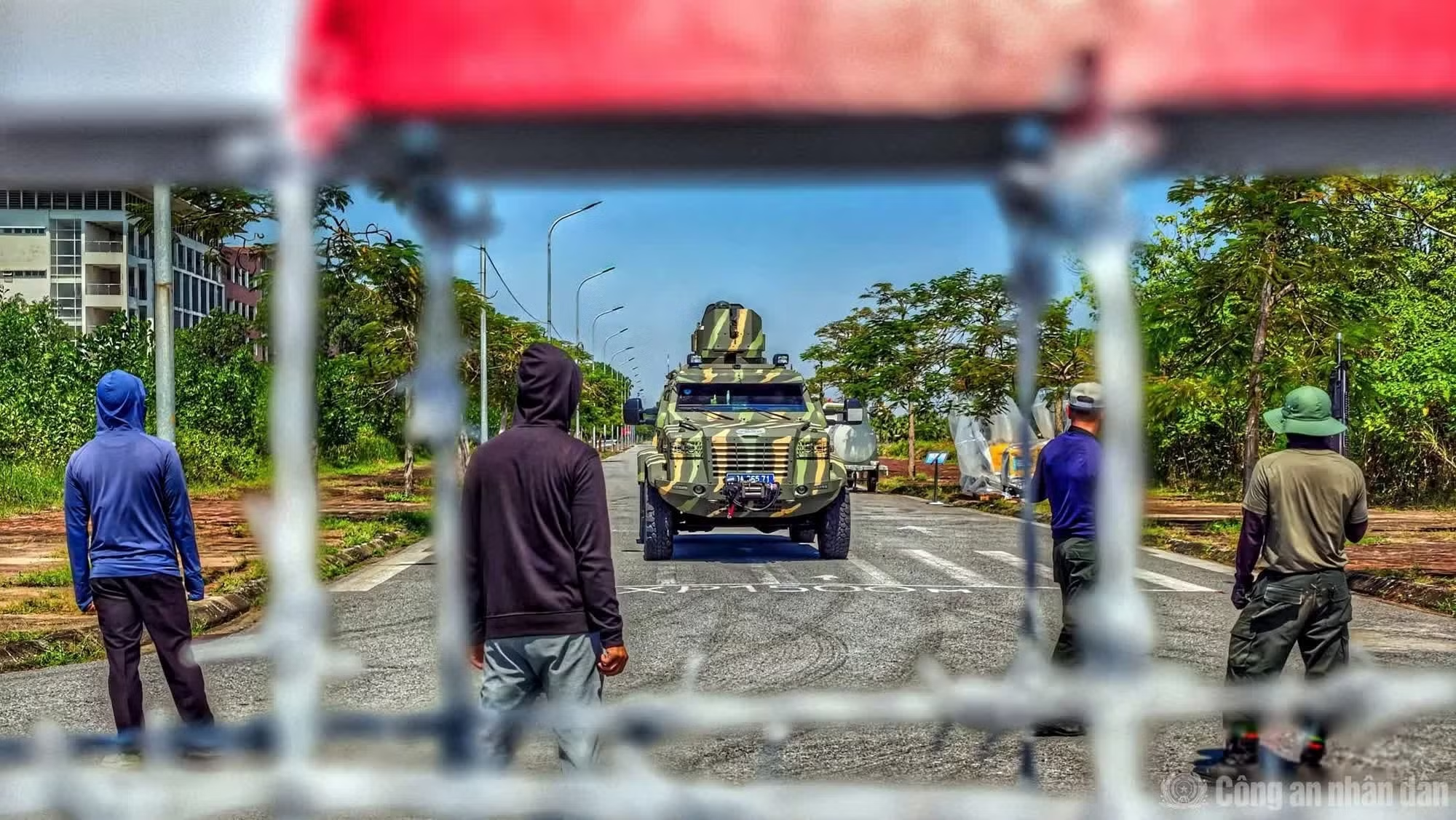
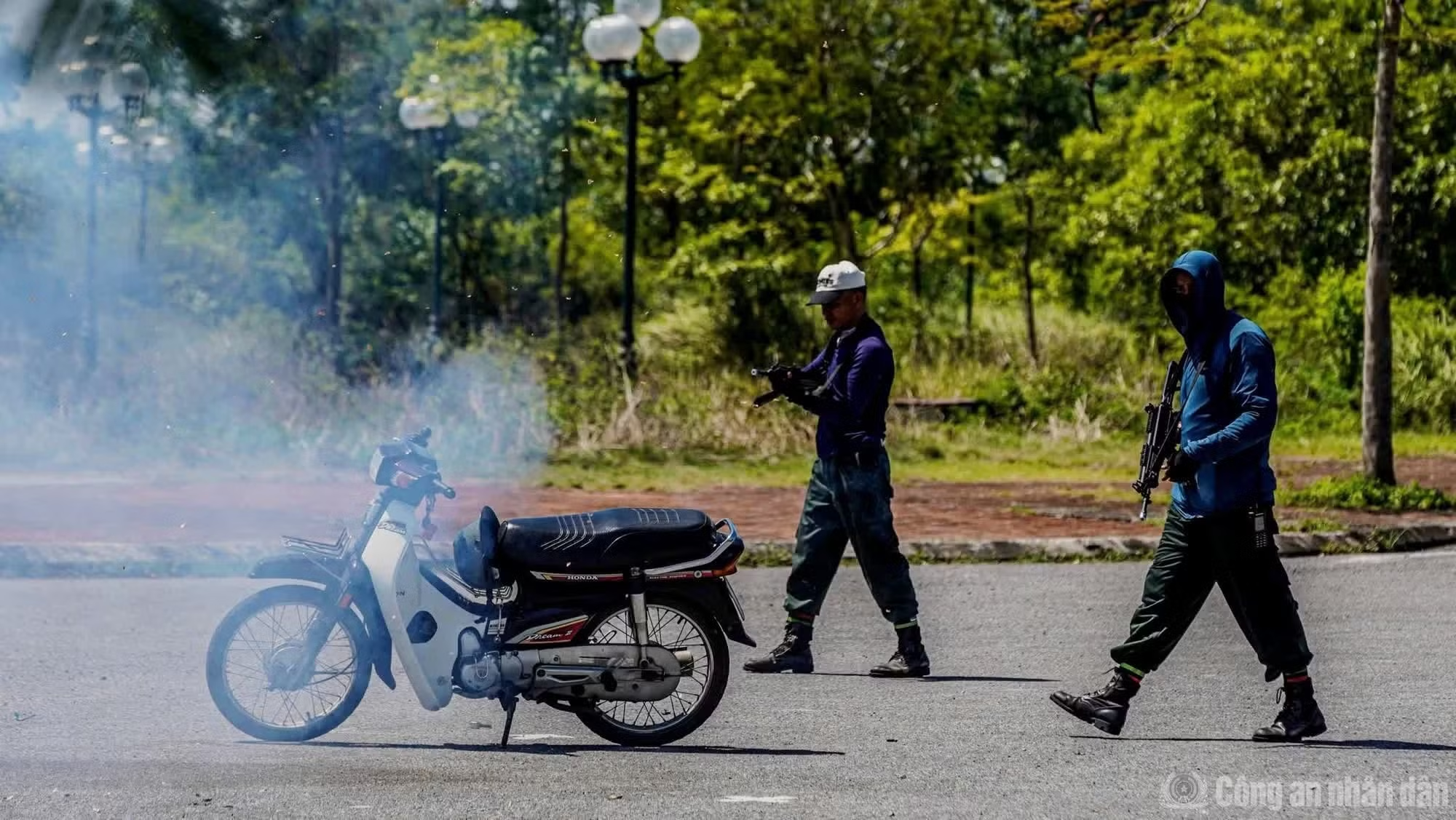
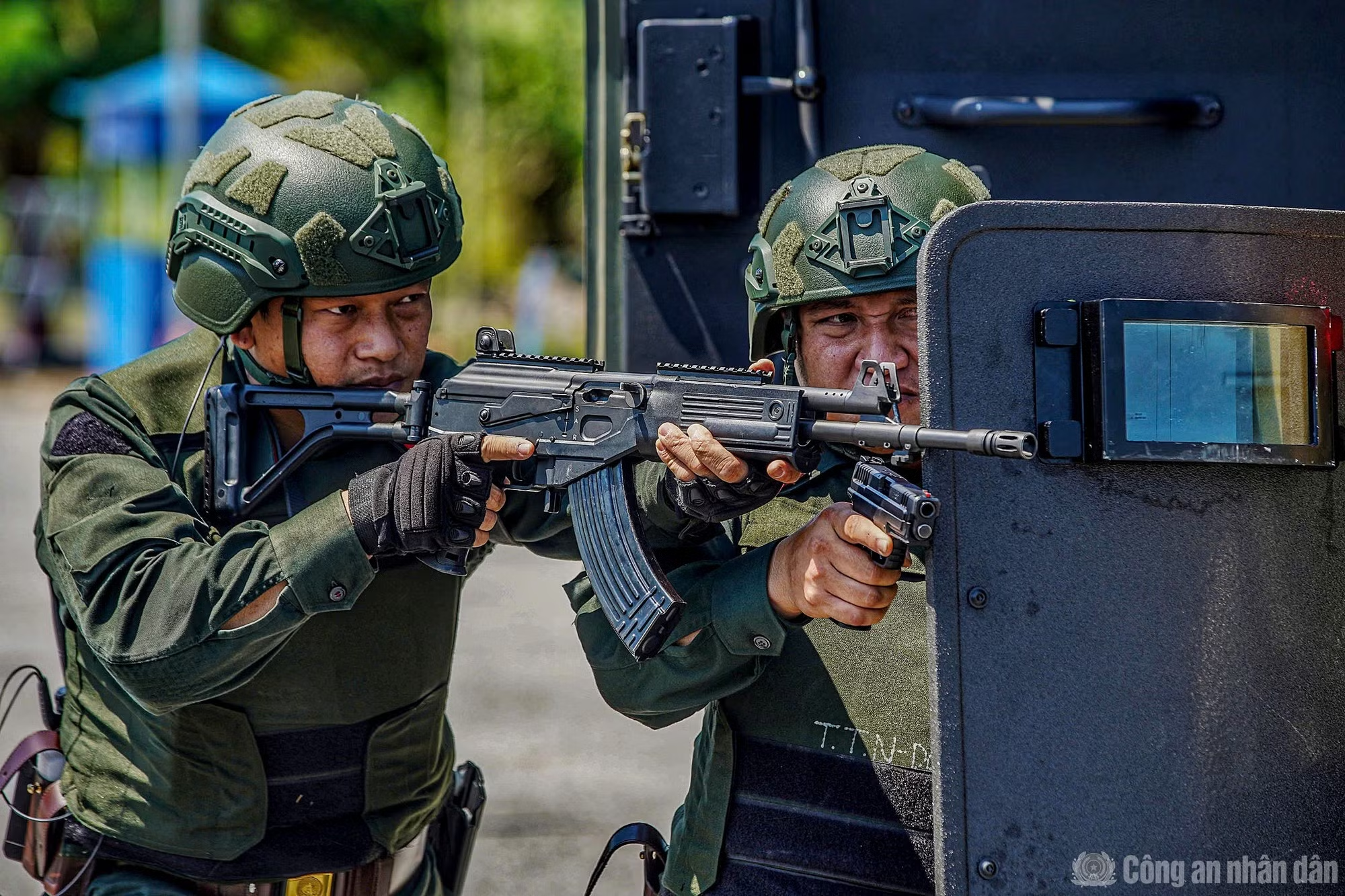
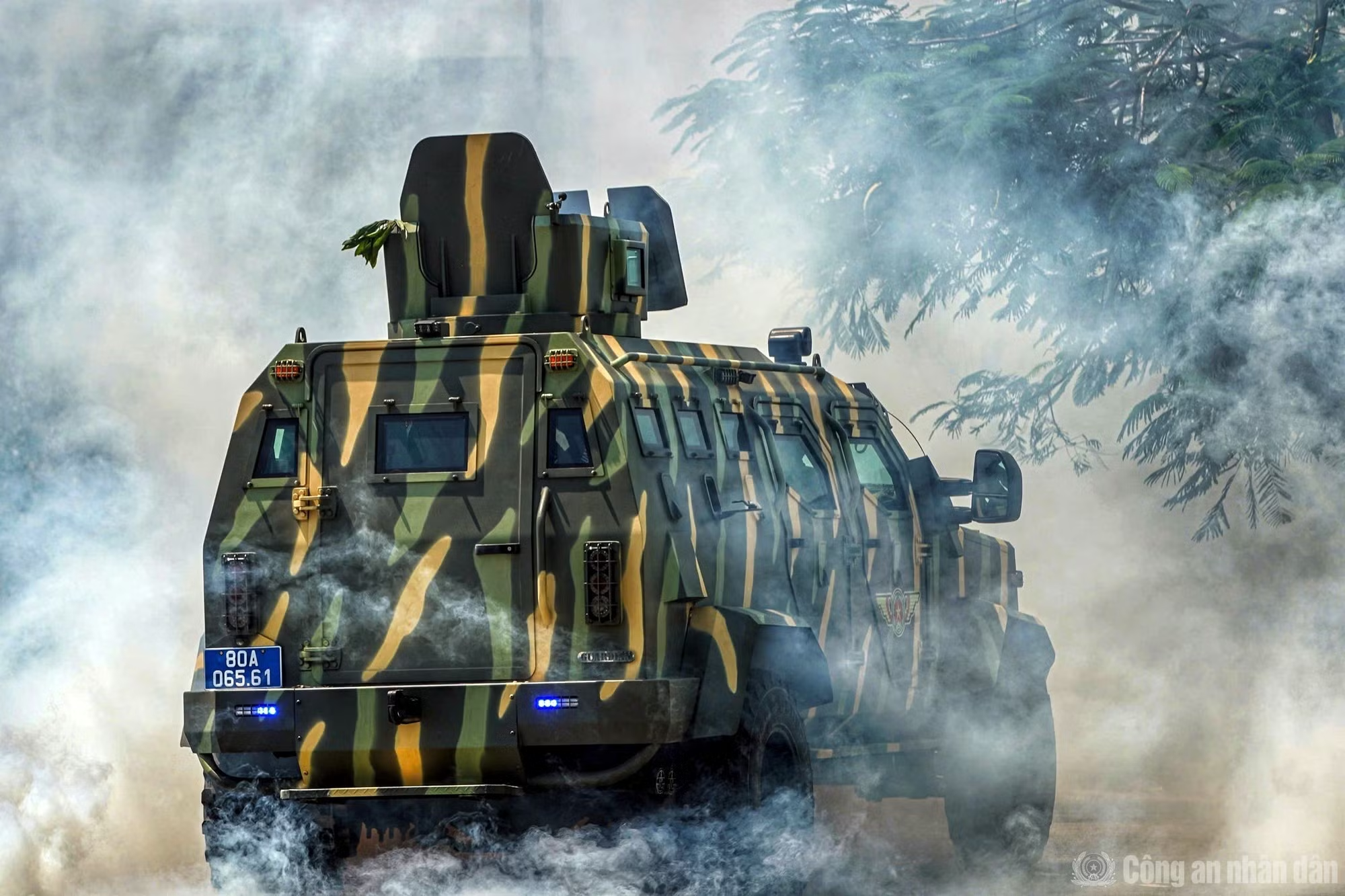
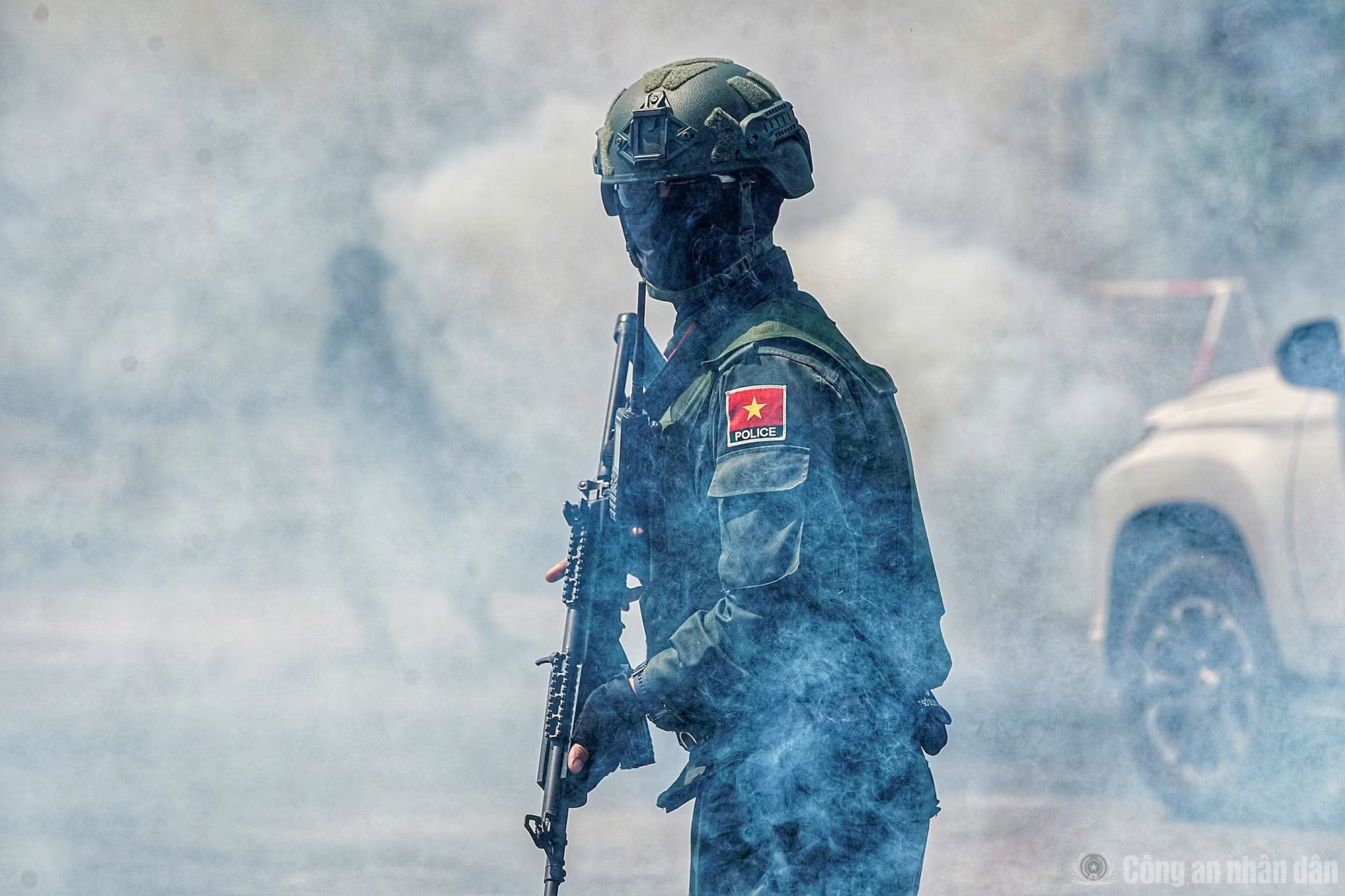
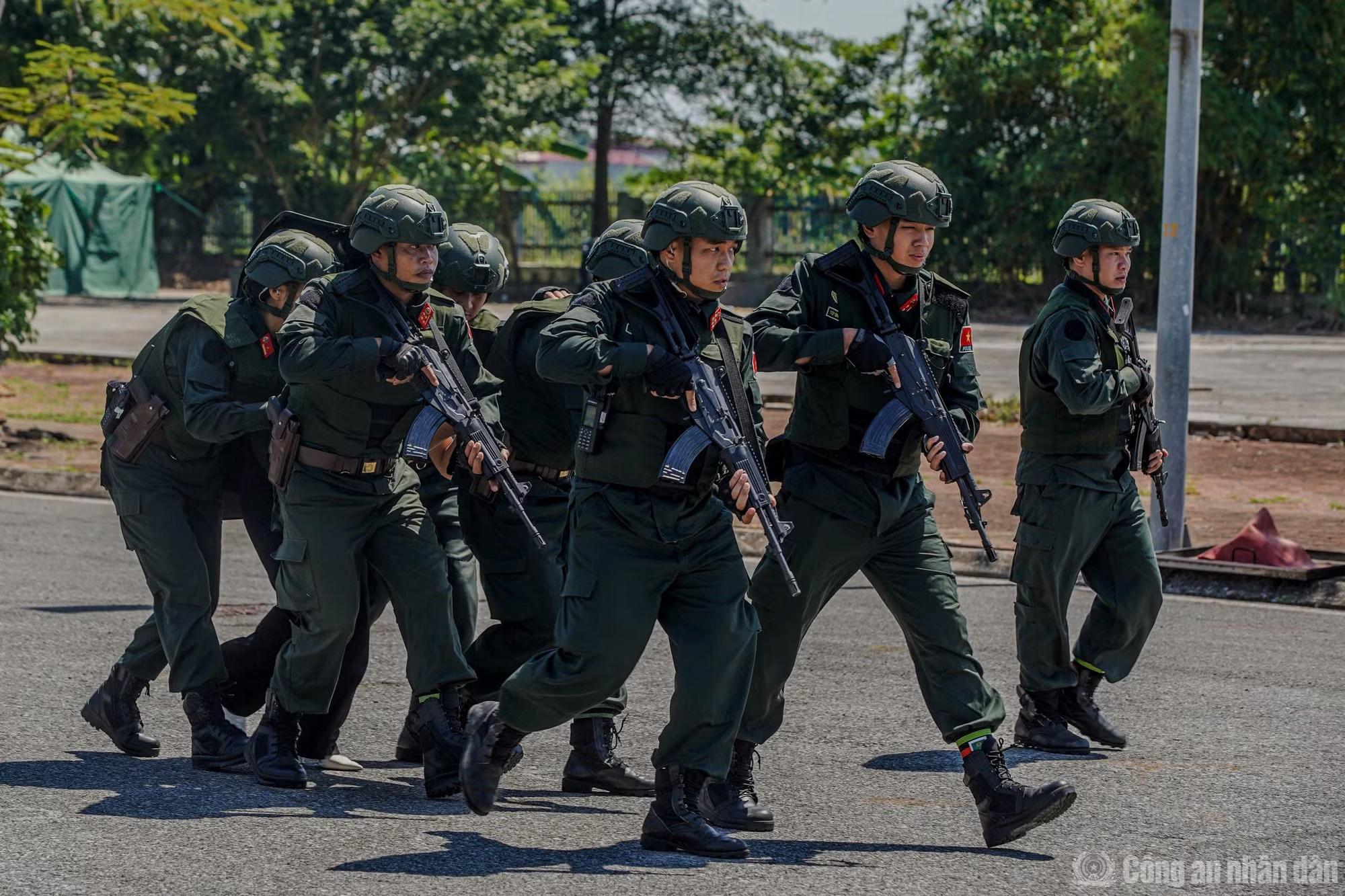
Guided by the mantra of protecting people and key targets, preventing escalation, maintaining order, minimizing casualties, and keeping the mission running, VNFPU1 set up a multi-layered command-and-control and security system. This allowed the unit to shift continuously through four exercise scenarios.
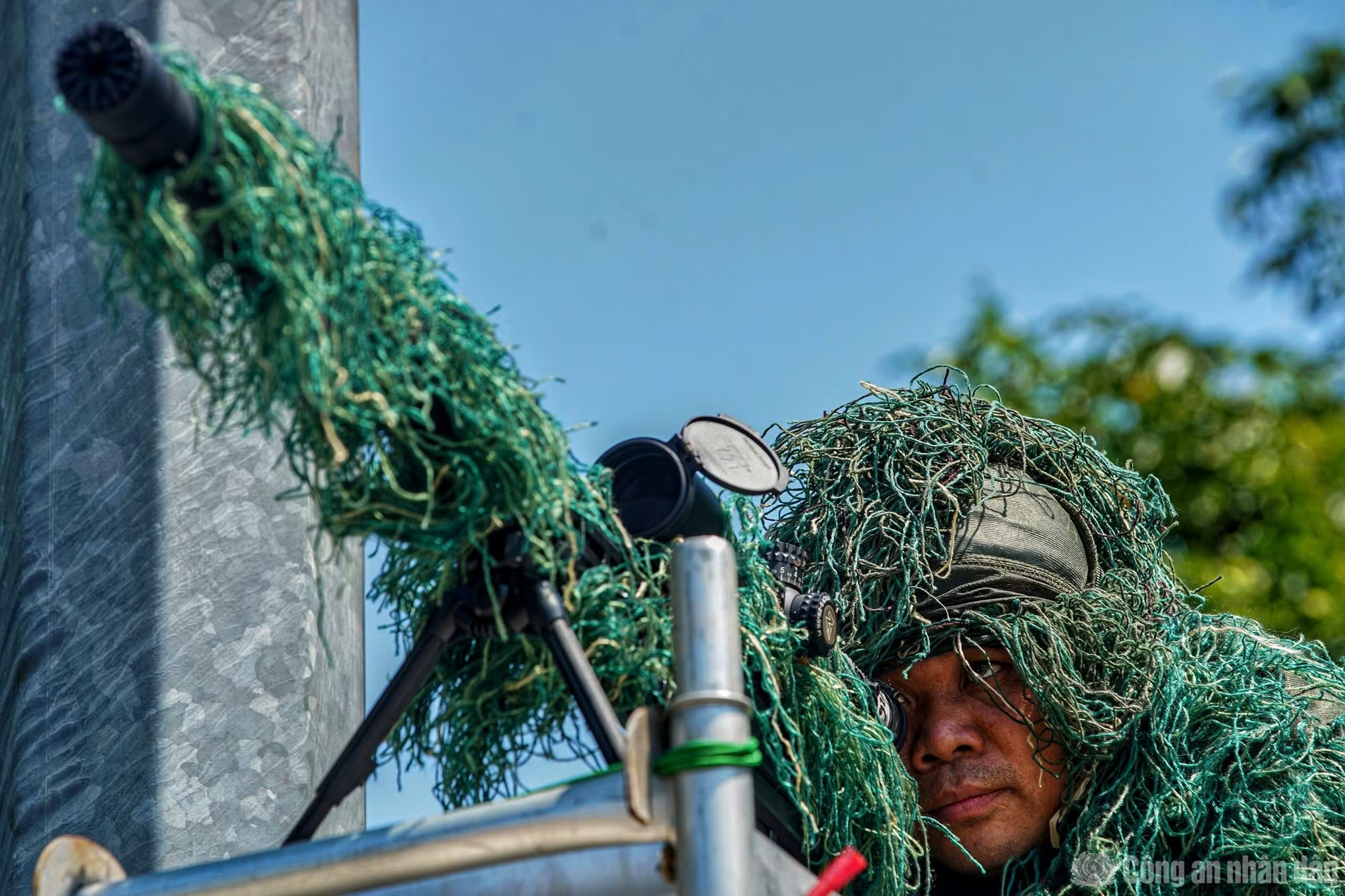
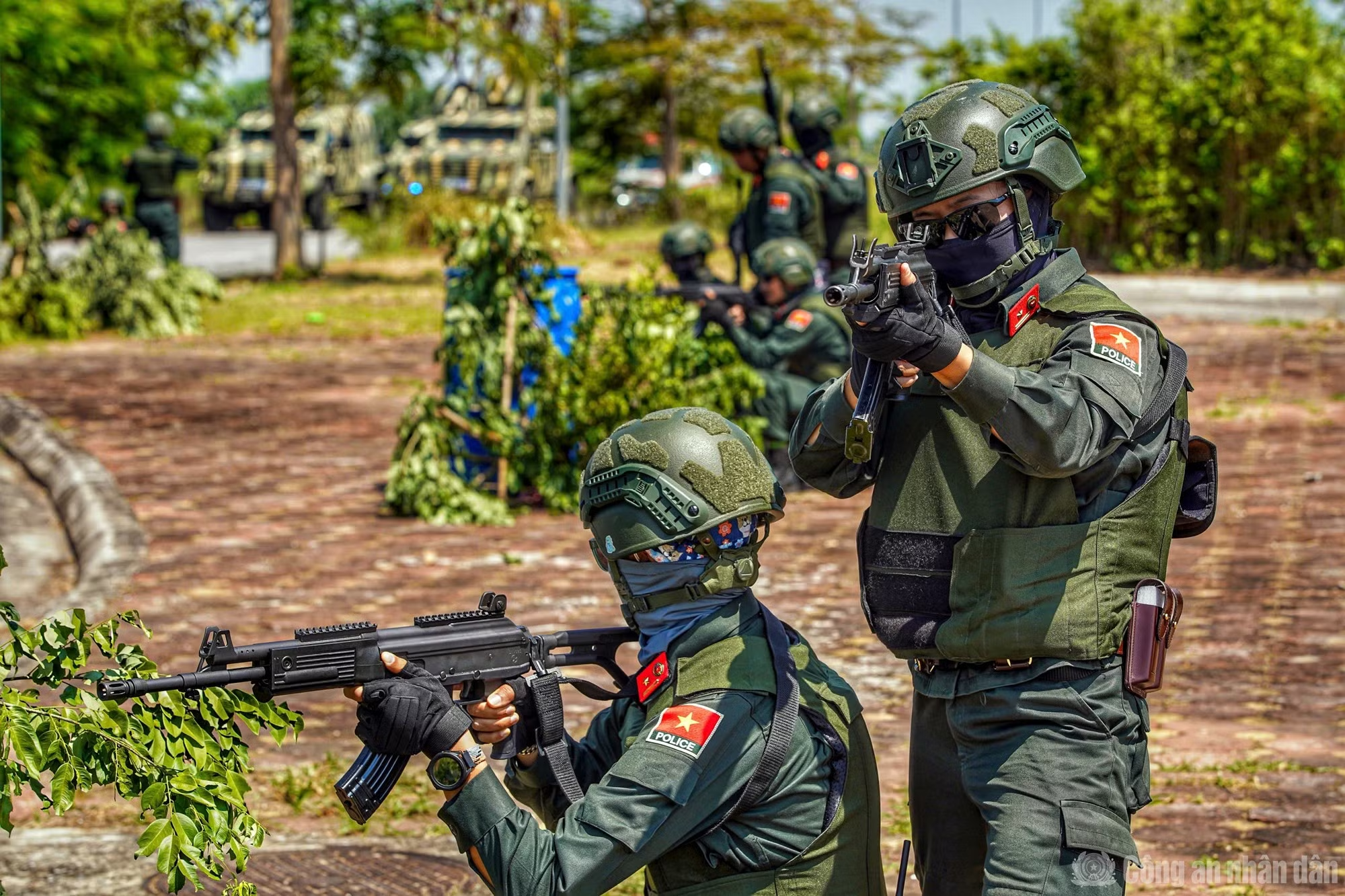
The exercise focused on four complex security situations: protecting VIPs, handling an incident at a checkpoint, responding to a crowd disrupting public order, and deploying tactics to subdue terrorists and rescue hostages.
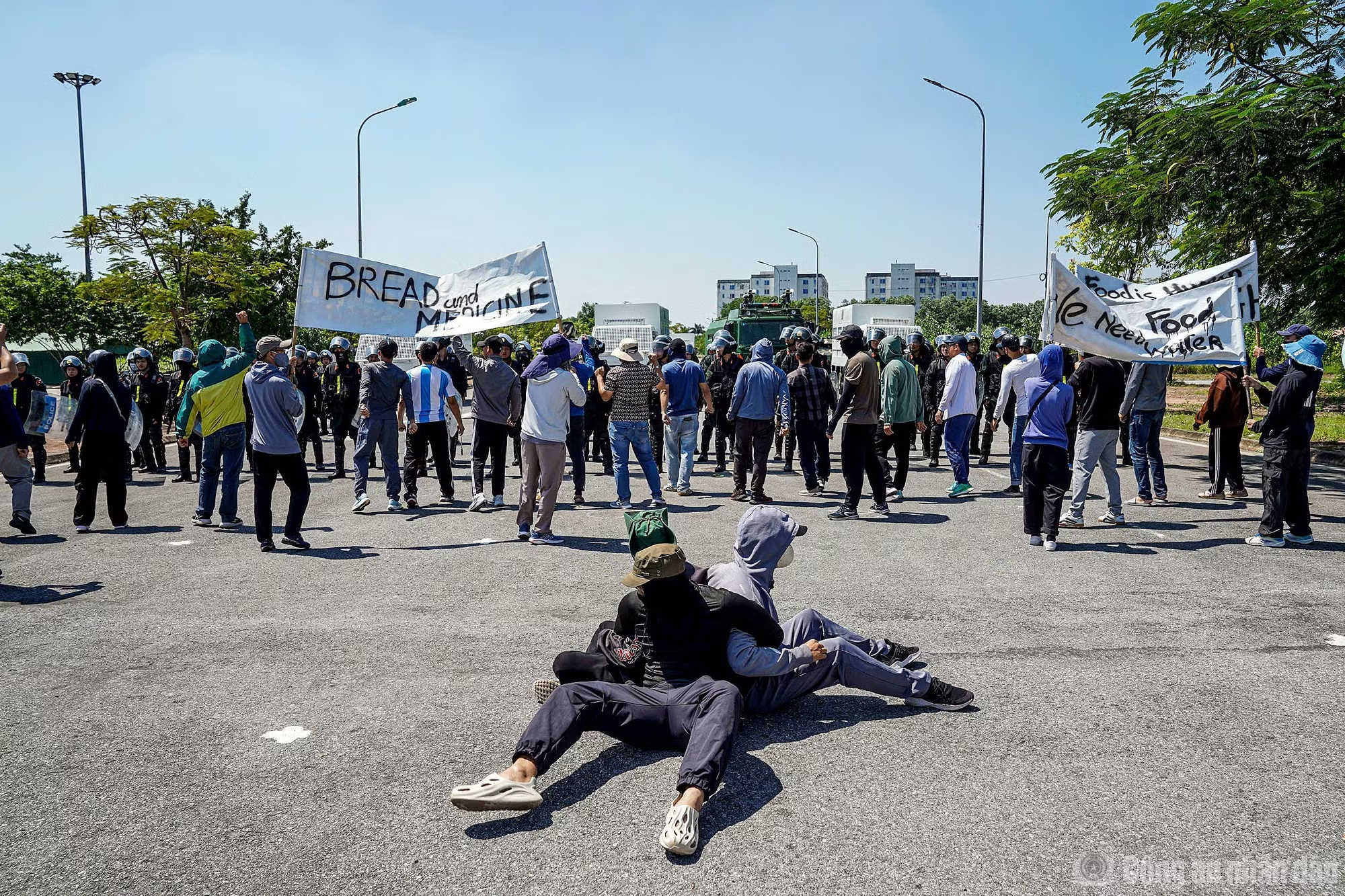
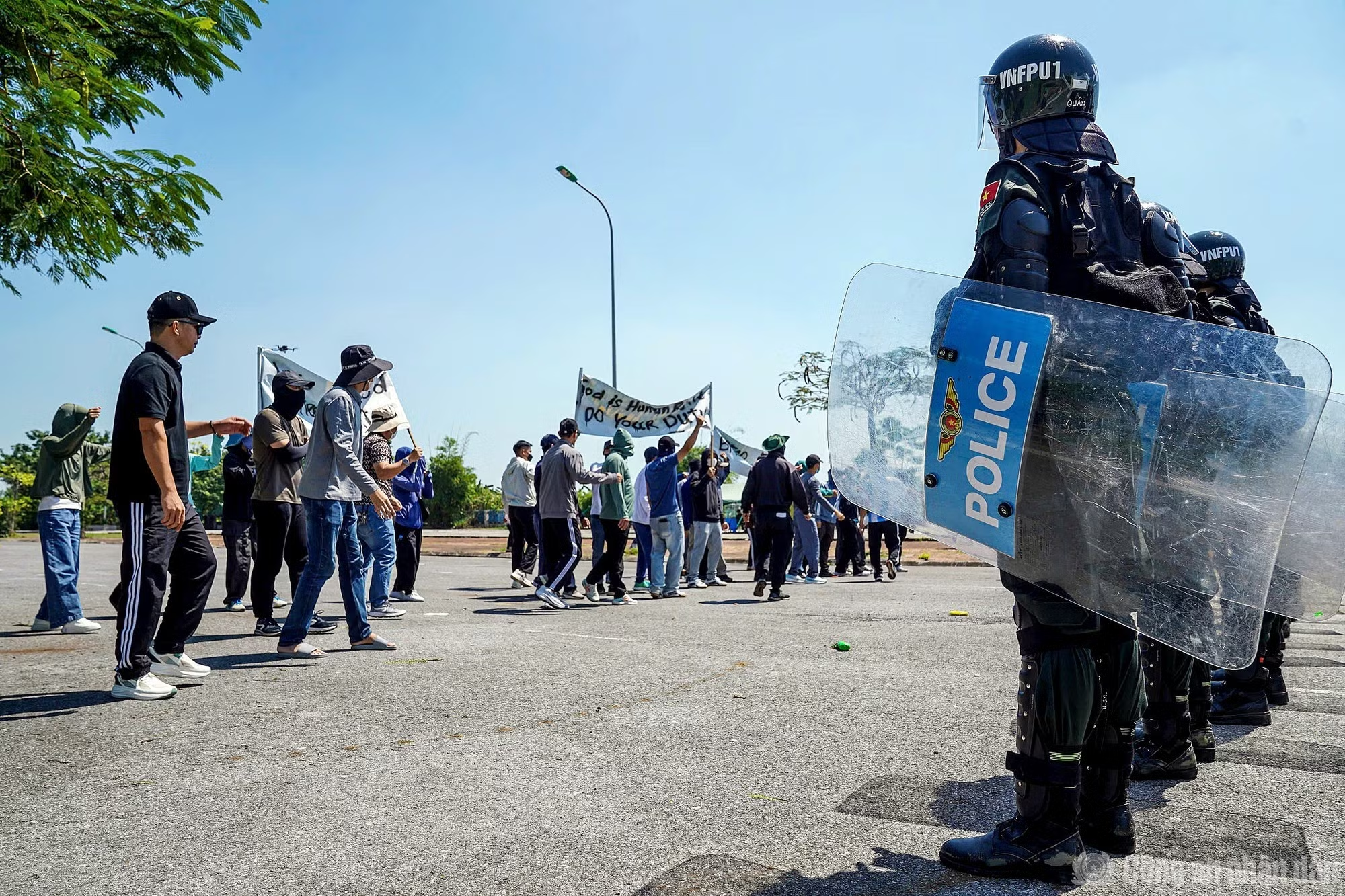
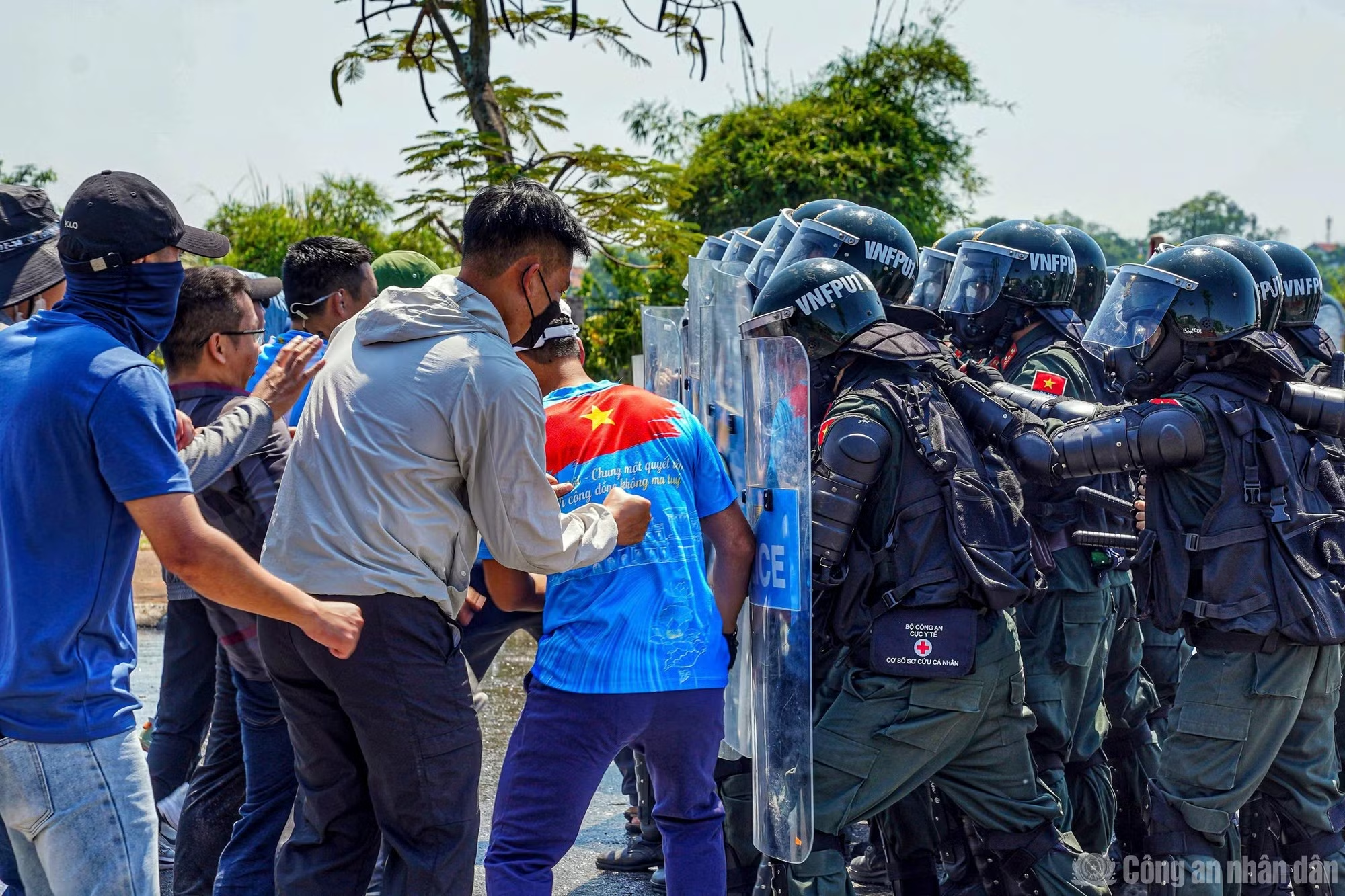
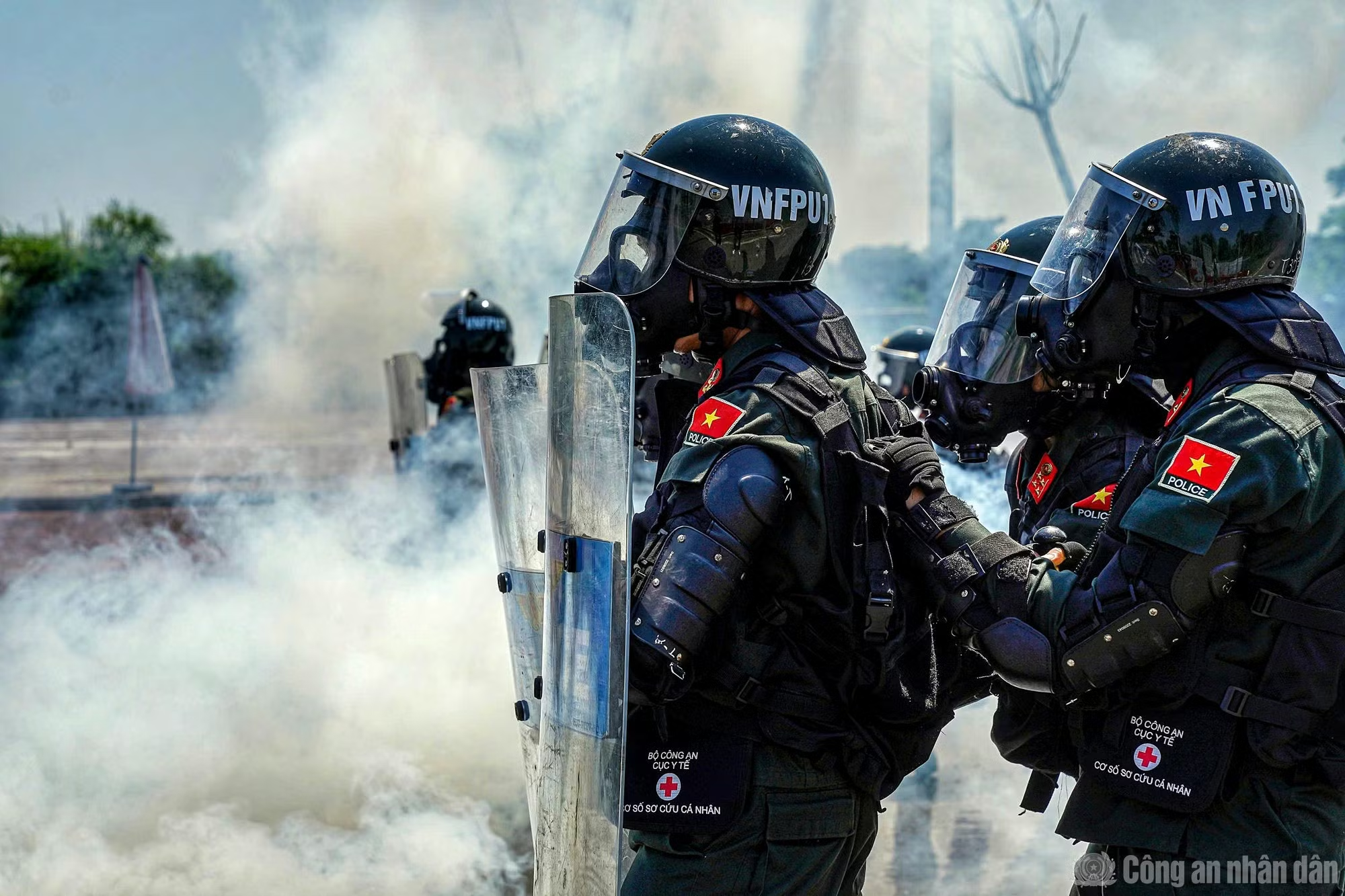
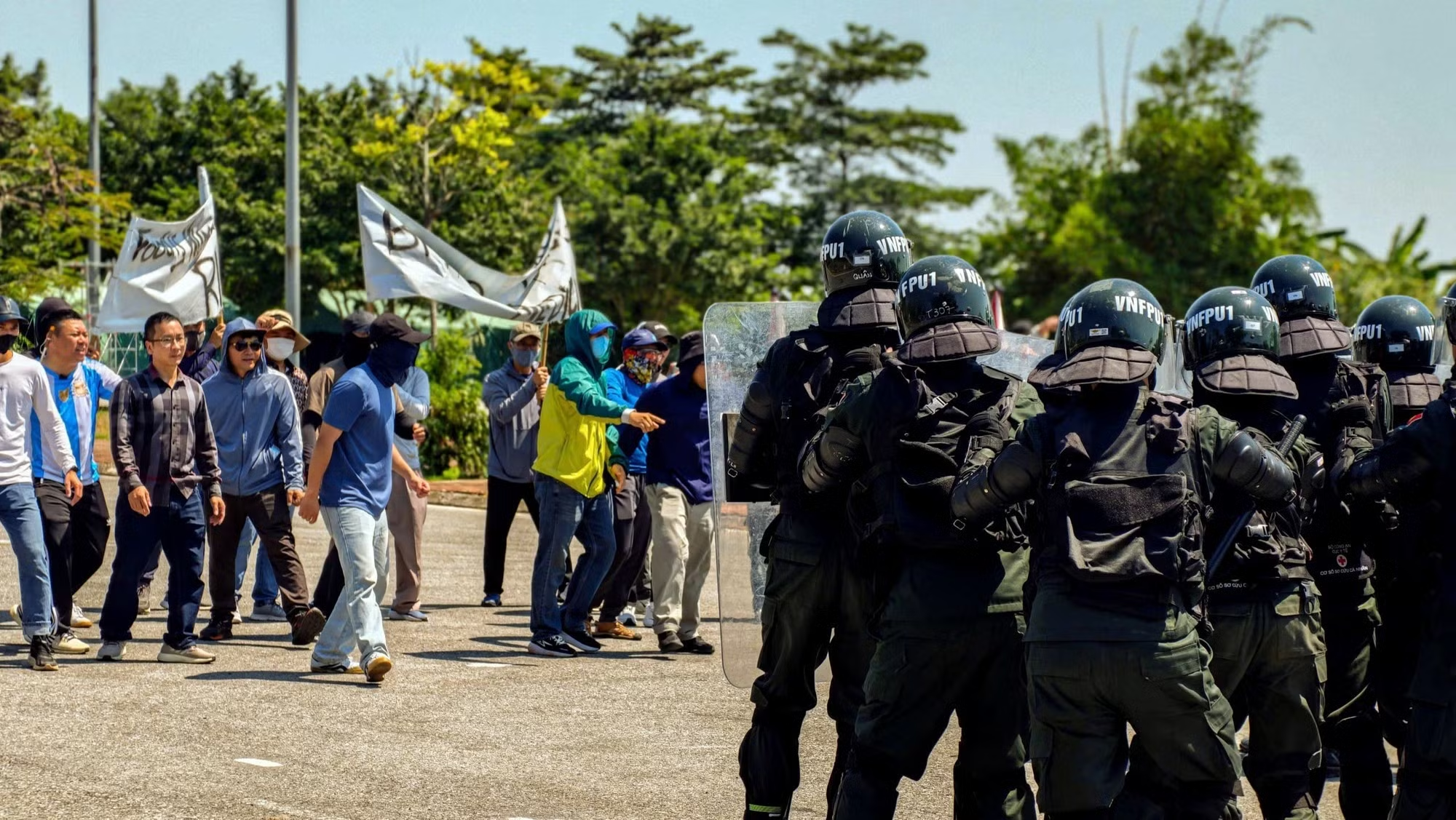
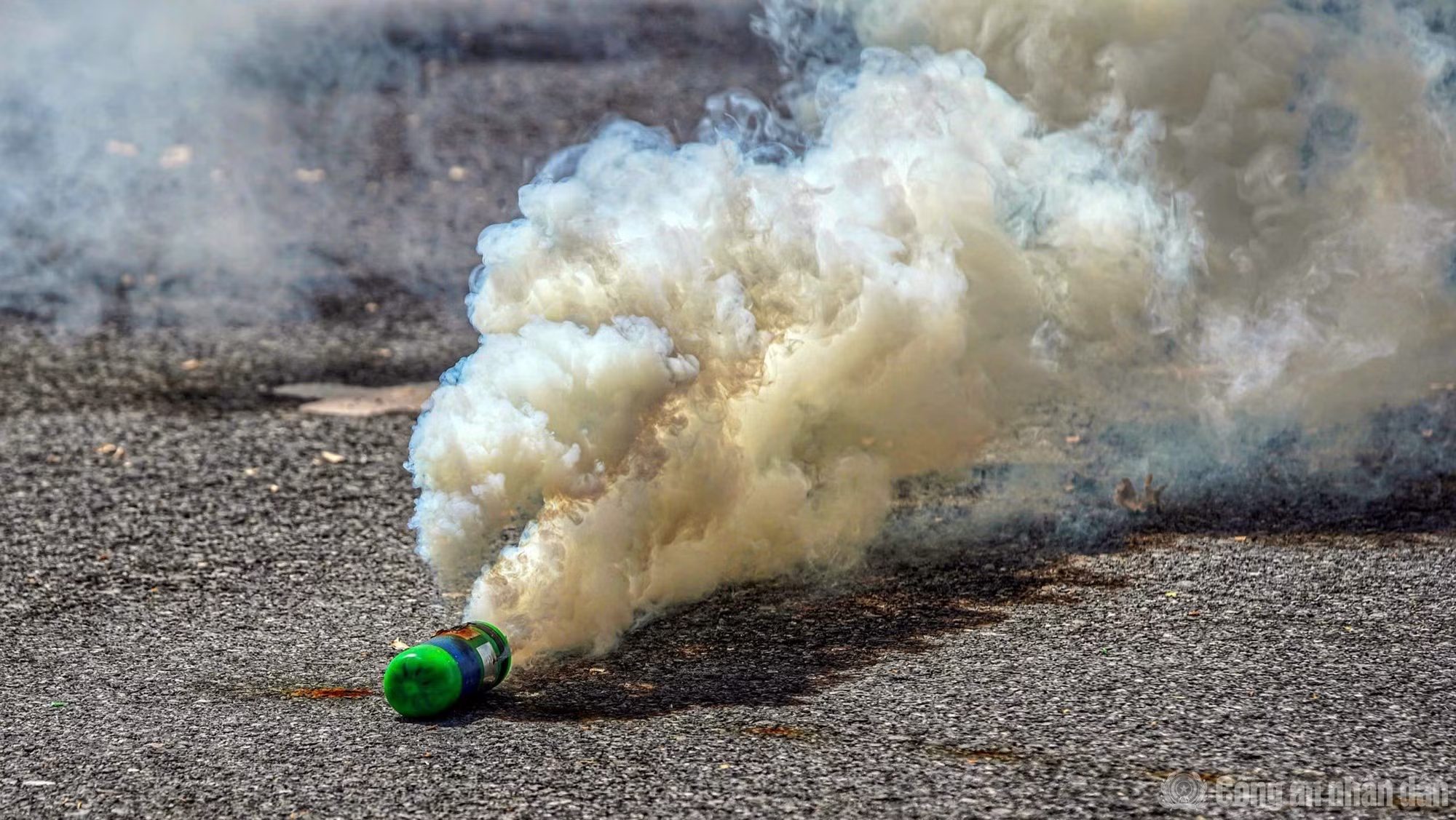
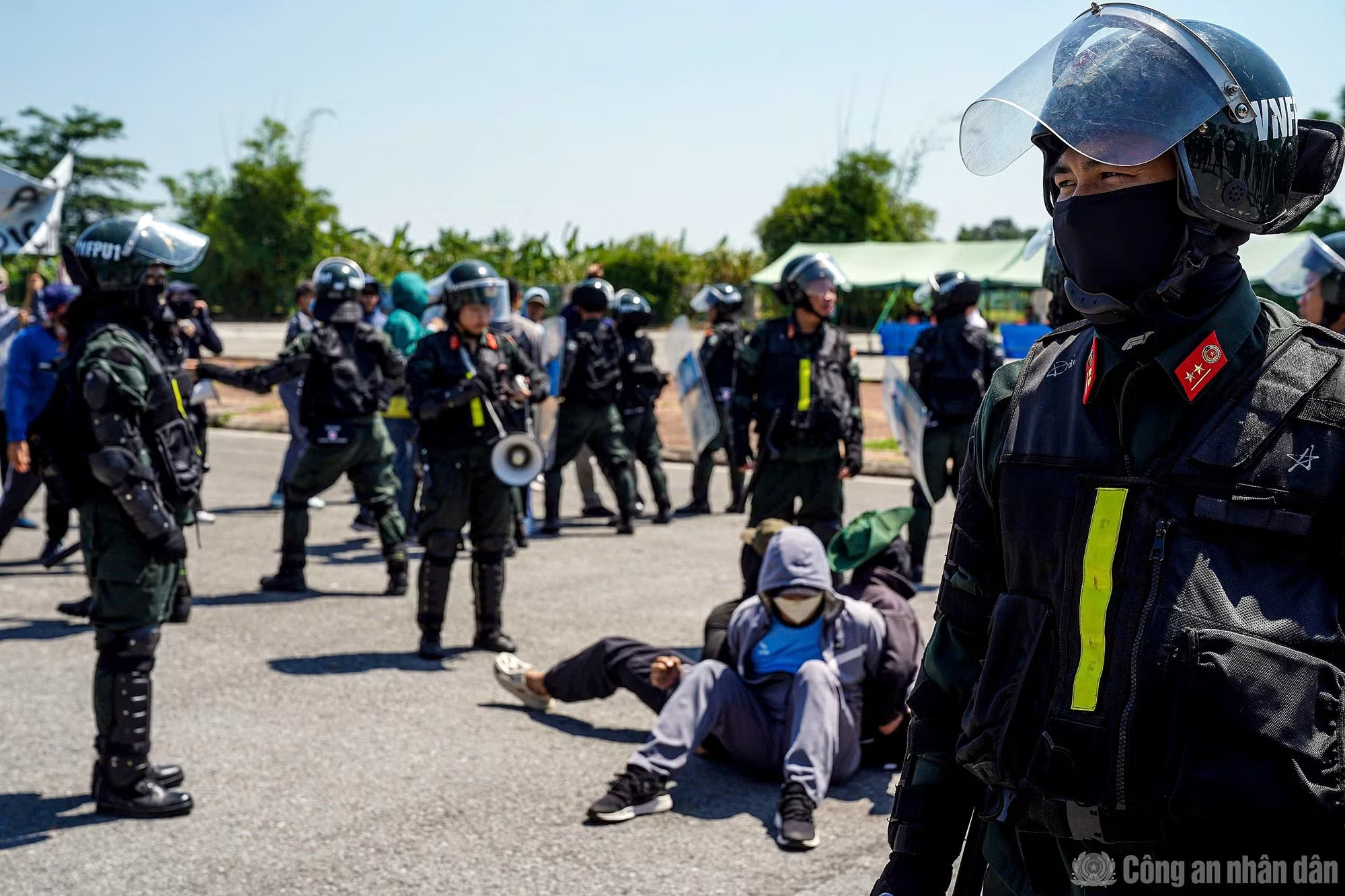
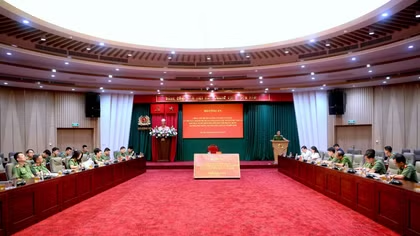
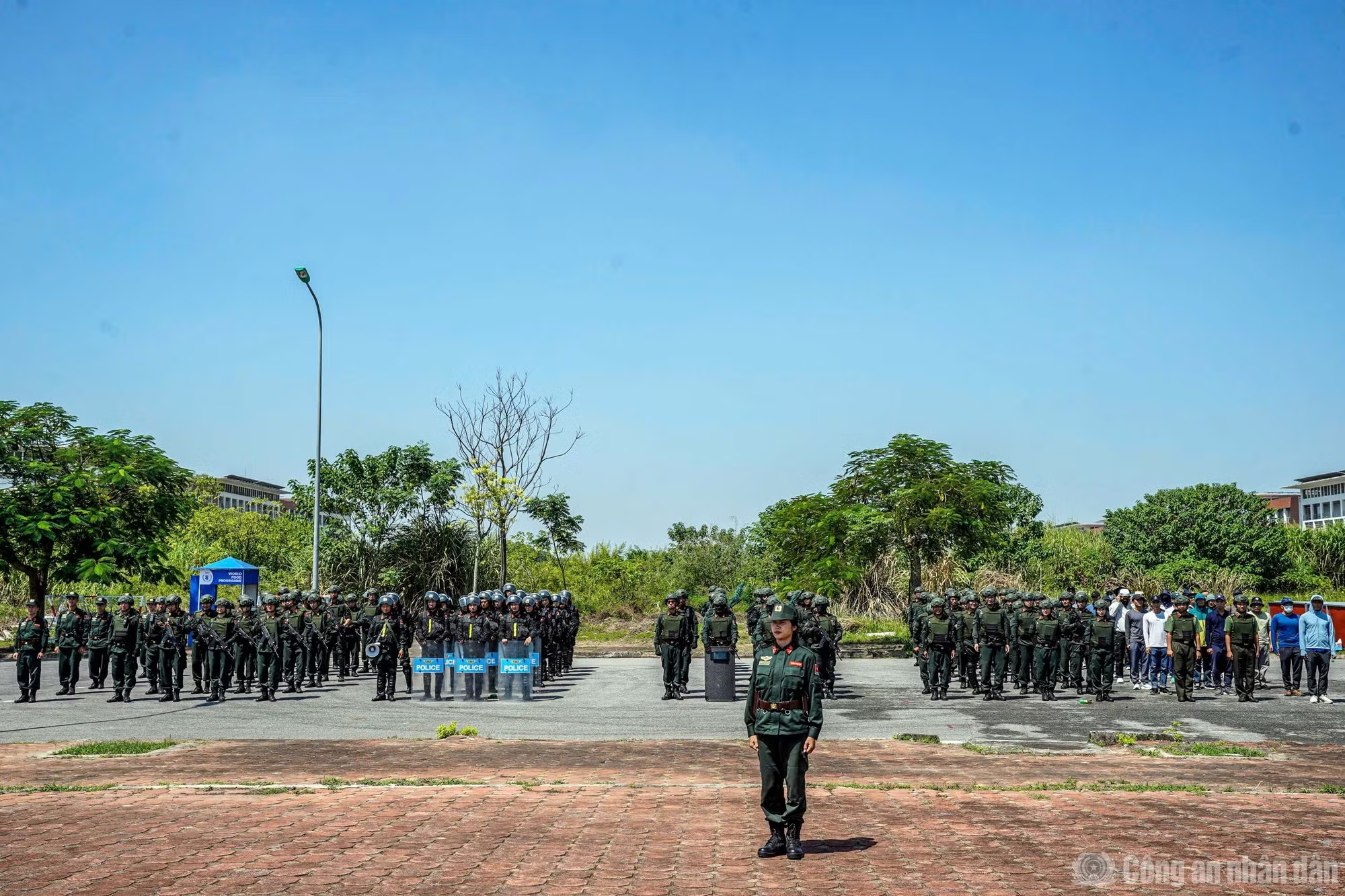
Led by the VNFPU1 Command, nearly 200 police peacekeeping officers took part, showcasing the solid, elite operational capabilities of the Ministry of Public Security’s peacekeeping police force.
The live exercise followed the principles of early detection, appropriate deployment, graduated control, maintaining reserve forces, rapid transitions, smooth coordination, and timely reporting.
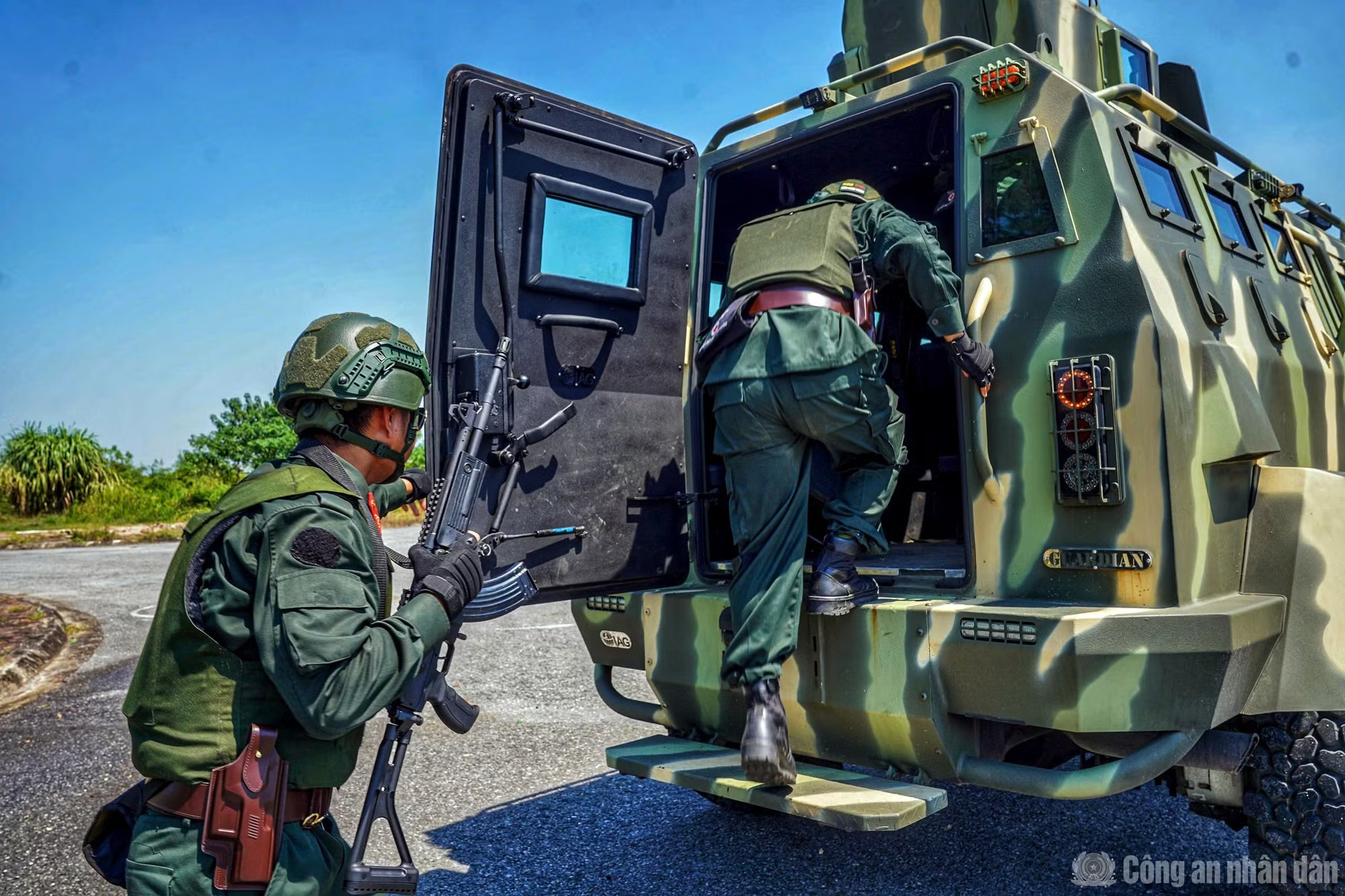
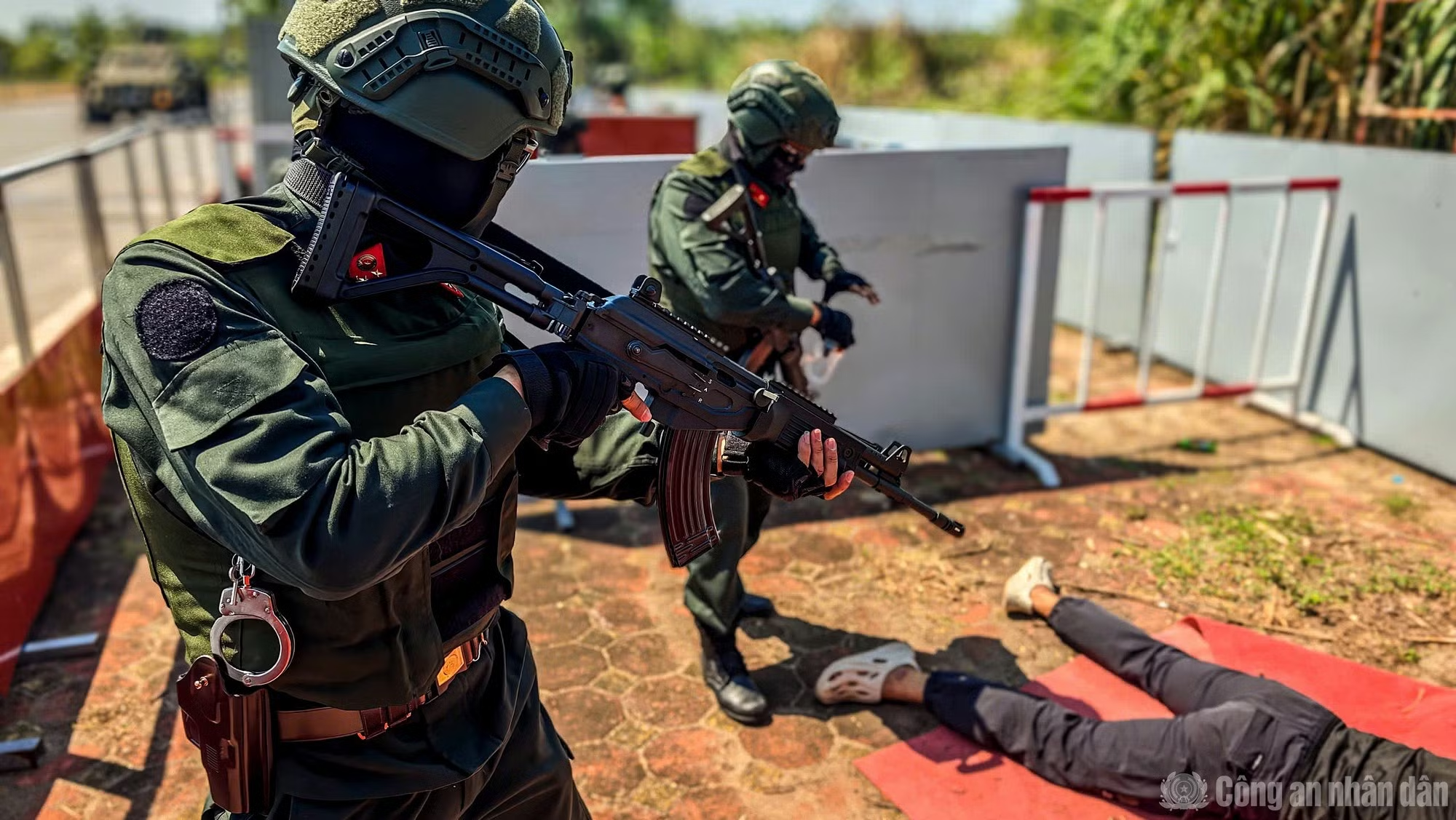
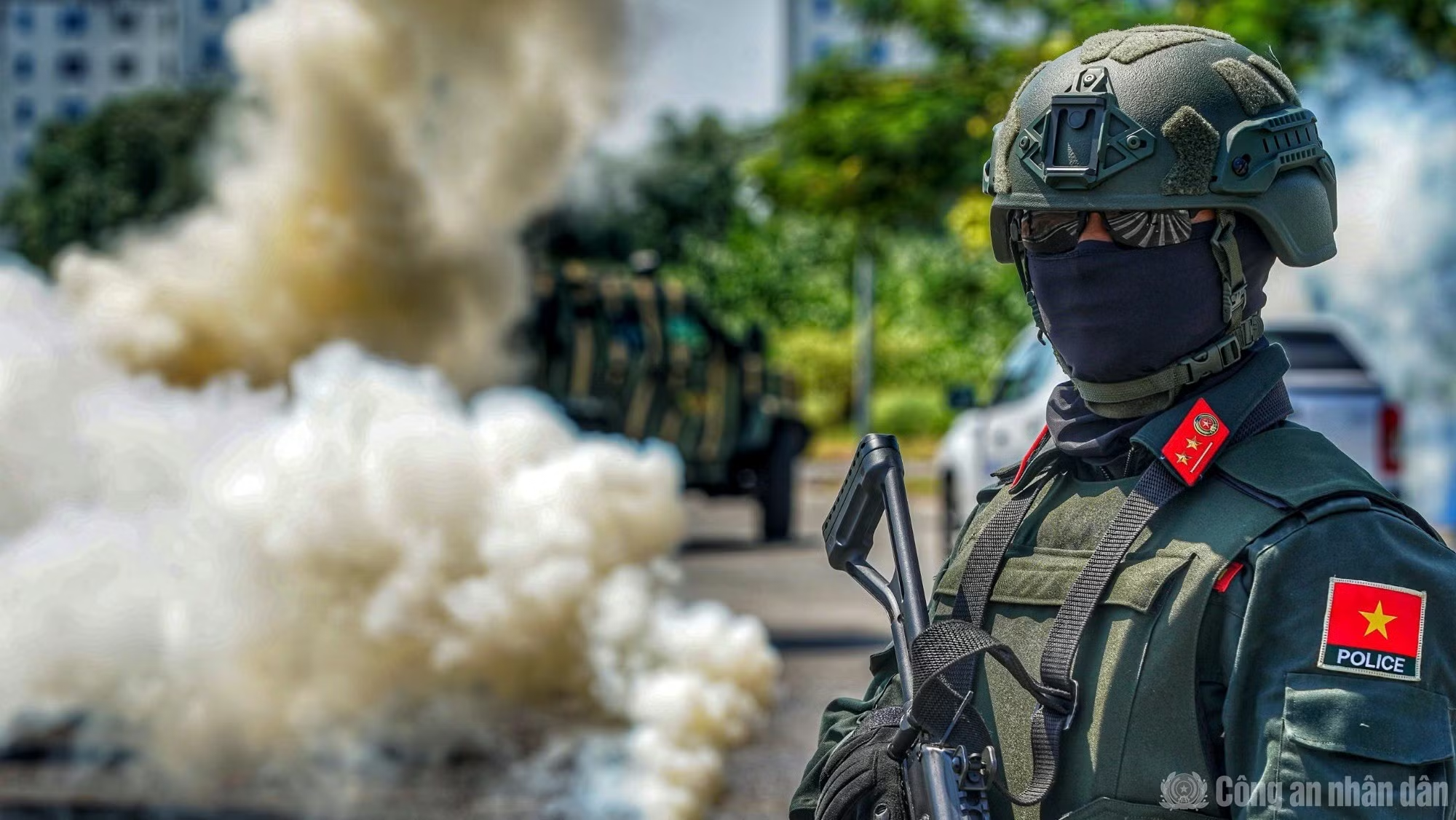
Throughout the process, officers were required to remain professional and to respect civilians and human rights principles.
The drill allowed the unit to evaluate its combat readiness, its ability to handle situations, and the coordination among commanders, officers, and personnel in a simulated environment with multiple complex scenarios.
VNFPU1 reached Level 3 in the UN Peacekeeping Capability Readiness System in February 2026. The Ministry of Public Security is now working to complete the personnel, training, equipment, and logistics requirements for the rapid deployment level.