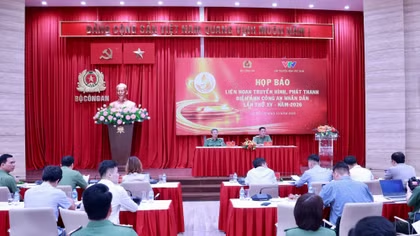
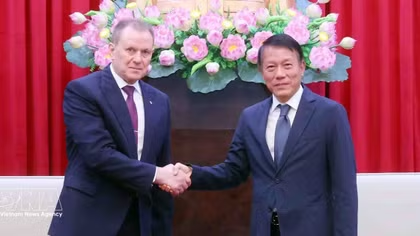
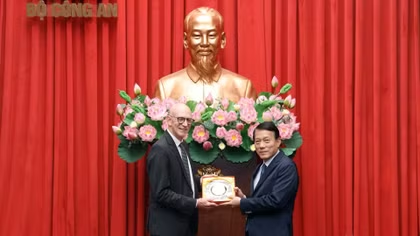
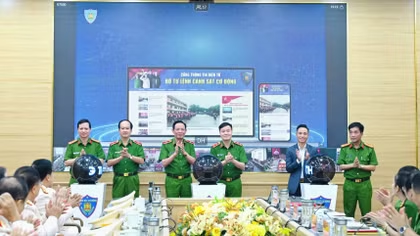
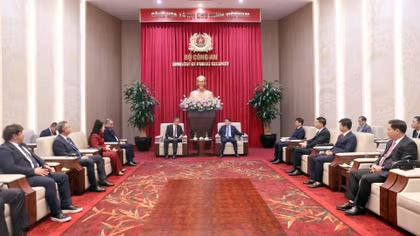
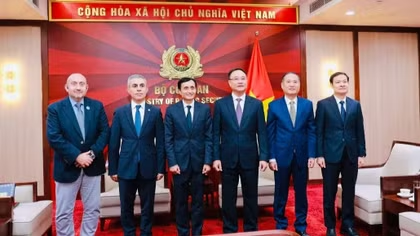
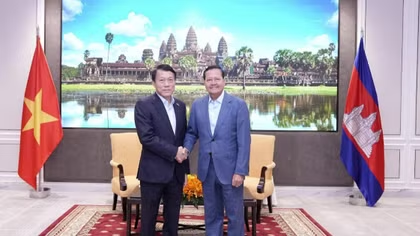
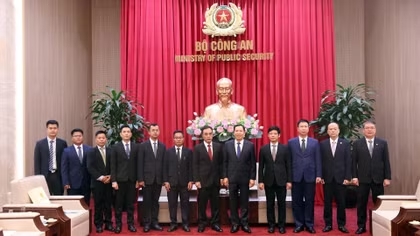
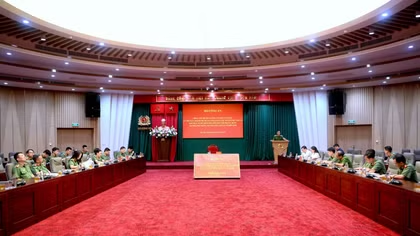
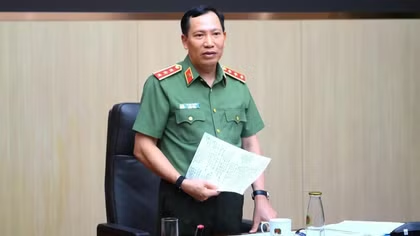
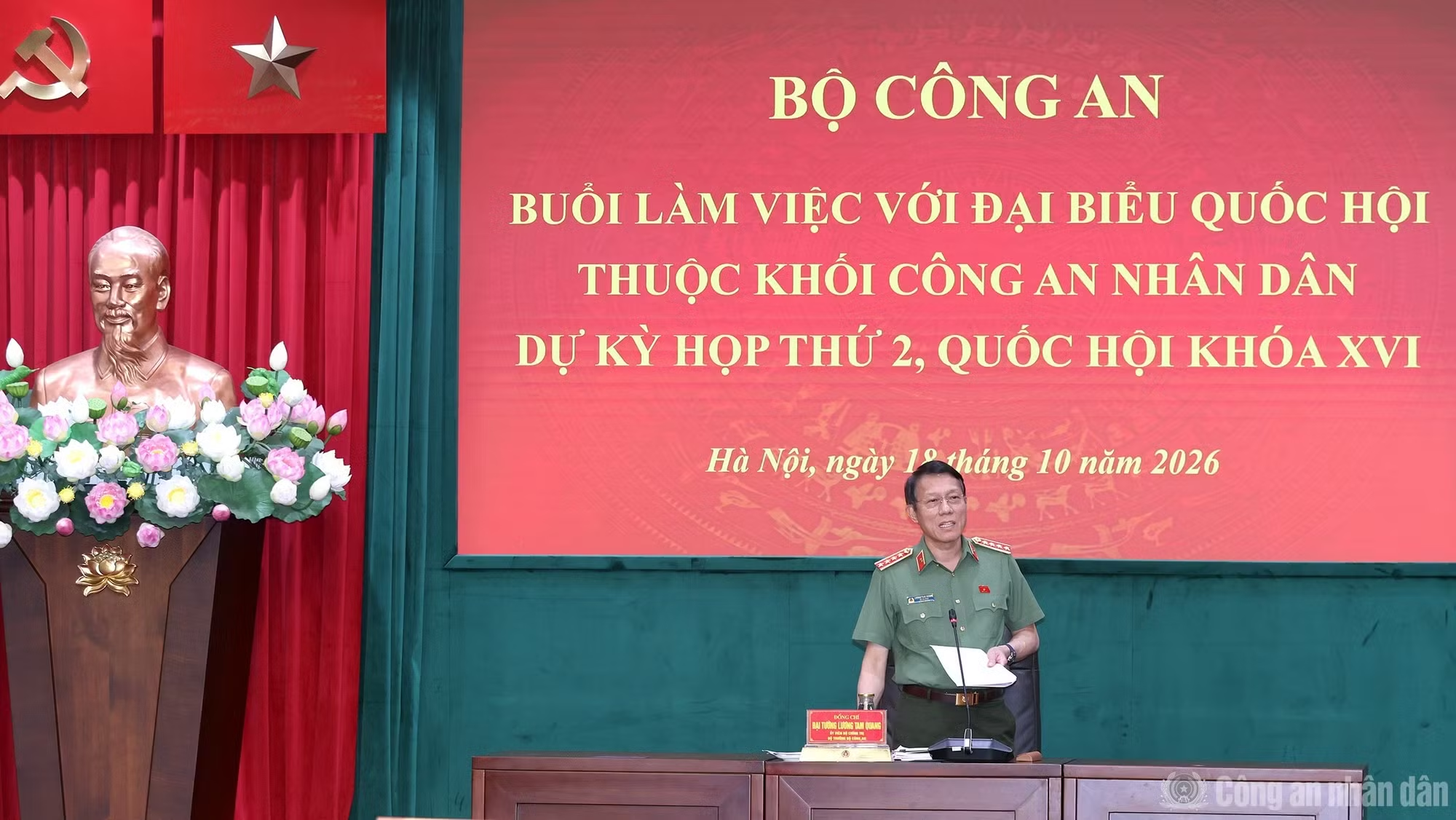
On the afternoon of October 18 in Ha Noi, General Luong Tam Quang, Politburo Member, Secretary of the Central Public Security Party Committee and Minister of Public Security, chaired a working session between the leadership of the Ministry of Public Security and NA deputies from the People's Public Security Forces attending the second session of the 16th NA.
Present at the meeting were members of the Party Central Committee and Deputy Ministers of Public Security: Senior Lieutenant General Le Quoc Hung, Deputy Secretary of the Central Public Security Party Committee; Senior Lieutenant General Dang Hong Duc, among others.
Members of the Executive Bureau of the Ministry of Public Security CPV Committee as well as representatives from functional units under the Ministry also participated in the meeting.
Speaking at the session, Minister Luong Tam Quang emphasized that the meeting is a regular activity maintained by the Ministry of Public Security before each National Assembly session to exchange information, reach consensus on major issues, and give orientions for key issues regarding security, order, force building, and legislative work of the Ministry.
According to Minister Luong Tam Quang, the second session of the 16th NA is expected to consider 57 legal items, including 43 draft laws and legal resolutions. Notably, the Ministry of Public Security is responsible for eight draft laws and resolutions to be submitted to the NA for consideration and approval, covering many important areas. These include: The Penal Code (amended), the Resolution on the implementation of the amended Penal Code, the Law on Organization of Criminal Investigation Agencies (amended), the Law on Data Security, the Law on Electronic Identification and Authentication, the Law on Handling of Administrative Violations (amended), the Law on Protection of Critical Works Related to National Security, the Law amending and supplementing a number of articles of the Law on Management and Use of Weapons, Explosives, and Combat Tools and the Law on Fire Prevention, Firefighting, and Rescue.
In addition, the Ministry of Public Security also takes the main responsibility for the drafting of an investment policy for the national target program on drug and crime prevention for the 2026–2035 period, and is in coordination with the Supreme People's Procuracy to lead the development of the amended Criminal Procedure Code and a resolution on piloting mechanisms for asset recovery and handling related to crimes without conviction.
“This is a large workload, with many complex and sensitive issues that directly impact social life and the rights and interests of the people, requiring thorough research and careful discussion,” the Minister stressed.
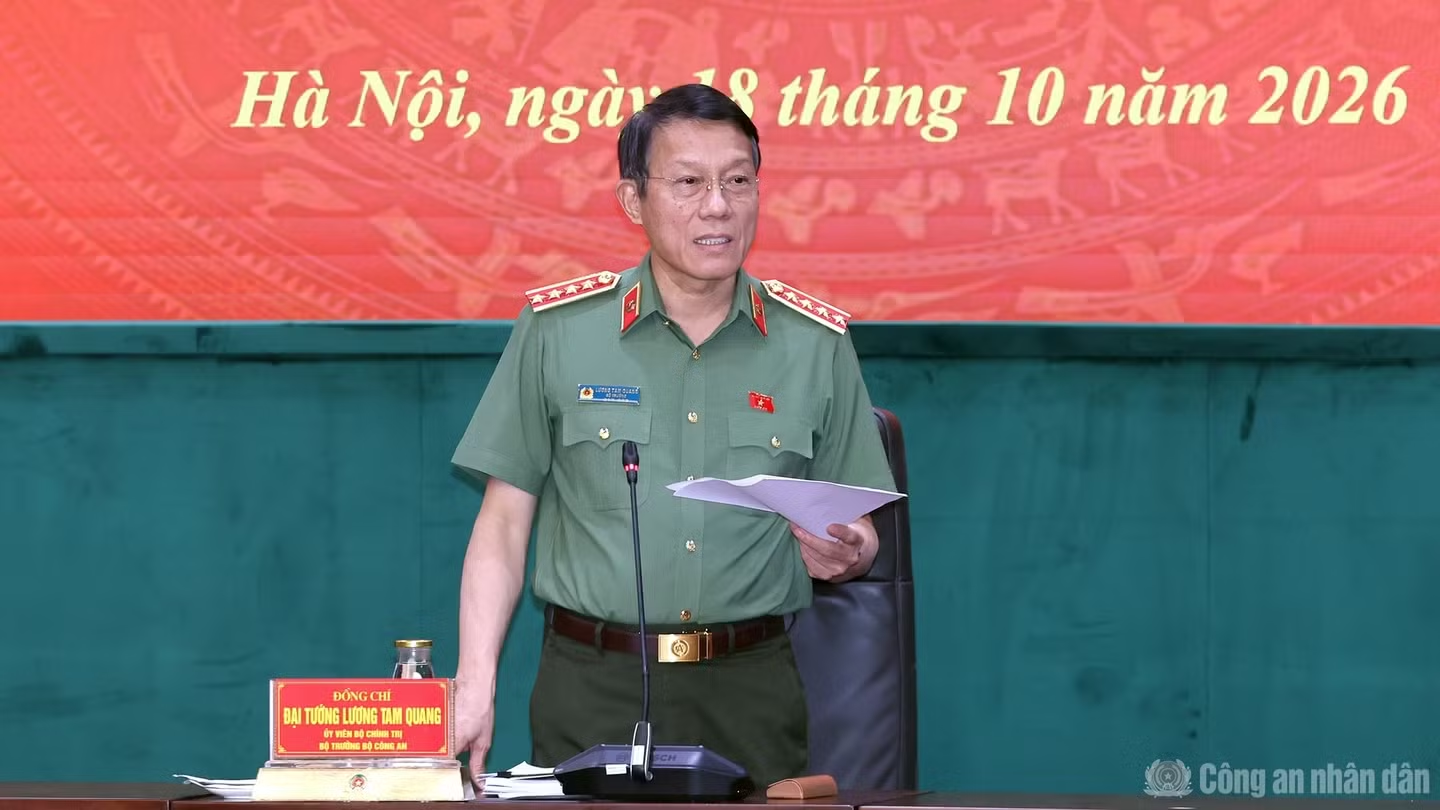
During the session, the team of NA deputies from the People's Public Security Forces focused on clarifying issues with differing opinions in the draft laws led by the Ministry of Public Security, as well as security and order matters of concern to voters and the public. Delegates also proposed the need for information, documentation, and coordination mechanisms to enhance the quality of discussions and speeches at the National Assembly.
On behalf of the Executive Committee of the Public Security CPC Organization and the Ministry's leadership, Minister Luong Tam Quang acknowledged and highly appreciated the working spirit and effectiveness of the NA deputies from the People's Public Security Forces, as well as police officers seconded to NA agencies during the 15th NA and recent sessions, fostering close cohesion.
The Ministry's leadership and functional units will closely coordinate and promptly provide information, research, and address issues of concern to the deputies, said Minister Luong Tam Quang
Regarding the draft laws to be submitted to the NA at this session, the Minister requested that the drafting units closely coordinate with relevant agencies to ensure the consistency and synchronization of the legal system, especially for draft laws in the criminal field. The completion of regulations must meet the requirements of crime prevention and control, protect the legitimate rights and interests of the people, and ensure feasibility in implementation.
For draft laws on data security, electronic identification, and authentication, it is necessary to clarify mechanisms for data collection, exploitation, and use, as well as responsibilities for ensuring data security, thereby facilitating innovation and digital transformation. Amendments to regulations on handling administrative violations must ensure reasonable decentralization and control, preventing harassment at the grassroots level.
For NA deputies from the People's Public Security Force, the Minister requested that they continue to play a “core” and “focal” role in promoting security and order work within NA delegations; actively and proactively participate in group and plenary discussions. Speeches must be thoroughly prepared, concise, insightful, and closely aligned with practical work and the directives of the Party, State, Central Public Security Party Committee, and Ministry of Public Security.
Delegates should proactively exchange and provide information, coordinate with drafting units to clarify issues with differing opinions, and avoid being passive or caught off guard during NA discussions. At the same time, they should thoroughly study and proactively propose topics for oversight and questioning related to security, order, and social safety.
For police units and localities, the Minister requested proactive coordination and timely provision of information and documents to serve NA deputies; focus on receiving feedback, explaining, and finalizing draft laws and resolutions to ensure progress and quality. Functional units must strengthen information and policy communication to build consensus on draft laws led by the Ministry of Public Security, while effectively implementing security and safety measures for the session.
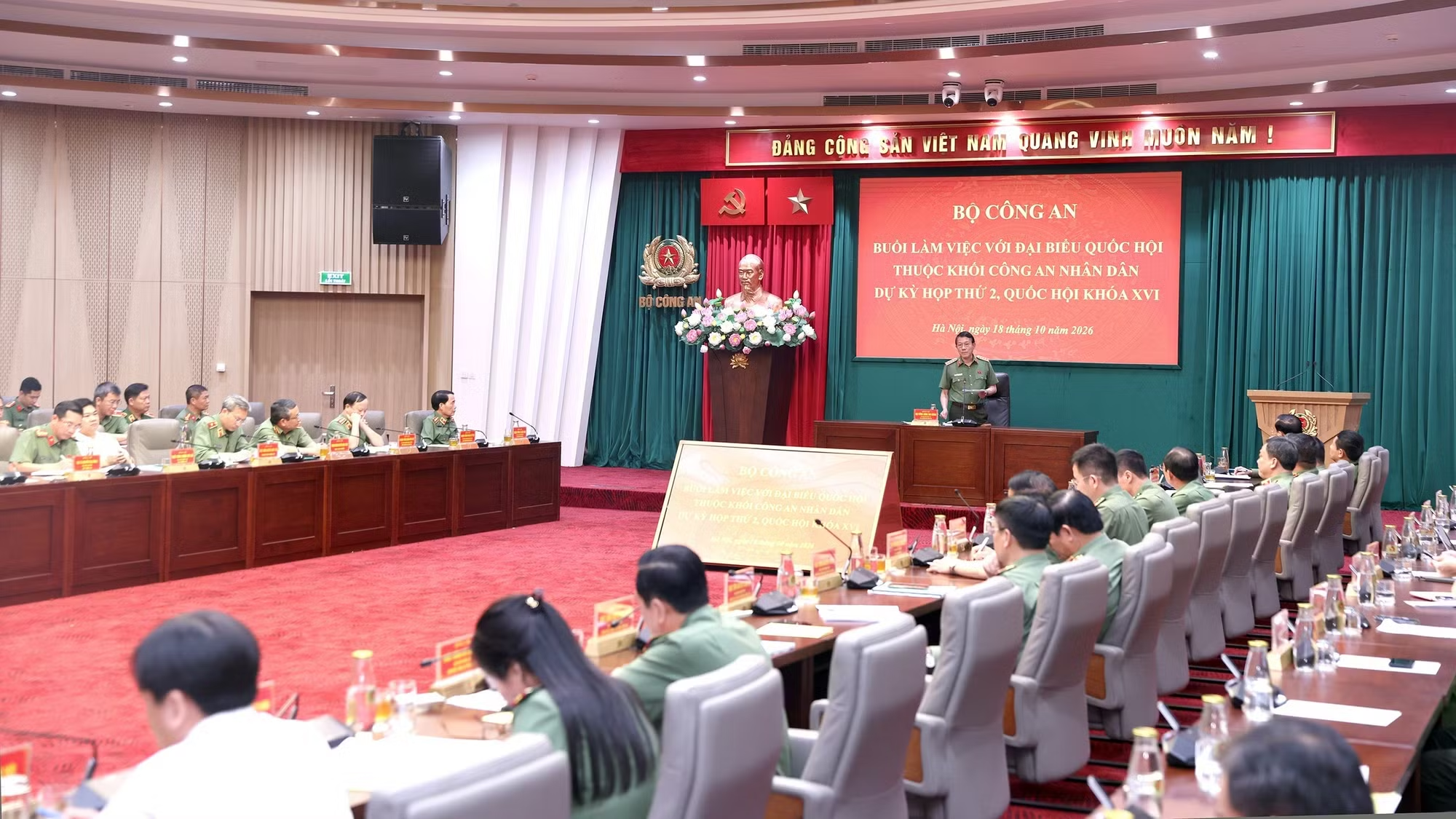
NA deputies from the People's Public Security bloc must strictly observe speaking discipline, set an example in performing their duties, maintain professional conduct in the NA and during voter meetings, and embody the image of the revolutionary police officer as “the most disciplined, most loyal, and closest to the people.”
For police officers seconded to NA agencies, it is necessary to proactively grasp the situation, provide timely advice and information, and effectively support the activities of the NA and the Ministry's legislative work.