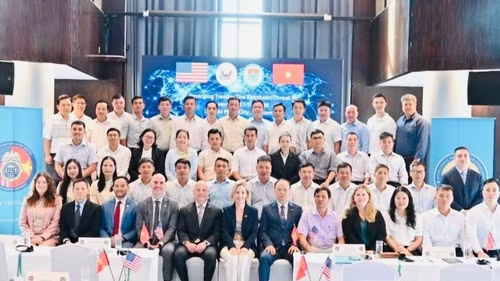
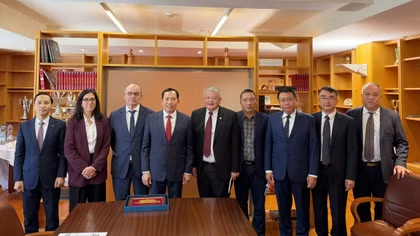
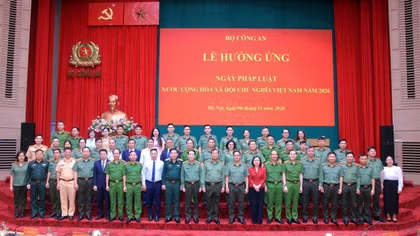
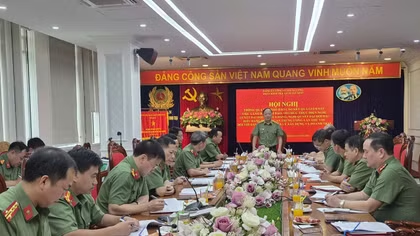
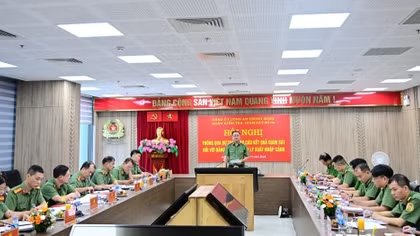
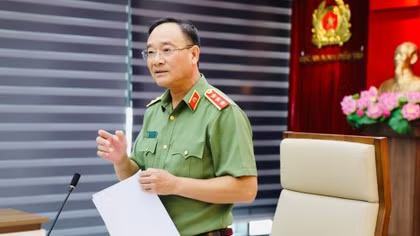
On November 18, the Public Security Department of Science, Strategy and History (Ministry of Public Security), in coordination with the Institute of Strategy and History of the Viet Nam People's Army (Ministry of National Defence) and the Diplomatic Academy of Viet Nam (Ministry of Foreign Affairs), jointly hosted a scientific seminar themed “Ensuring National Security in New Strategic Spaces and Emerging Domains in the Spirit of Resolution 22-NQ/TW, issued by the 14th Party Central Committee, on July 28, 2026, at its 3rd Plenum on the National Security Strategy.”
Major General Nguyen Van Sau Assoc. Prof., Dr., Deputy Director of the Institute of Strategy and History of the Viet Nam People's Army, and Colonel Nguyen Quang Chien Assoc. Prof., Dr., Deputy Director of the Public Security Department of Science, Strategy, co-chaired the seminar.
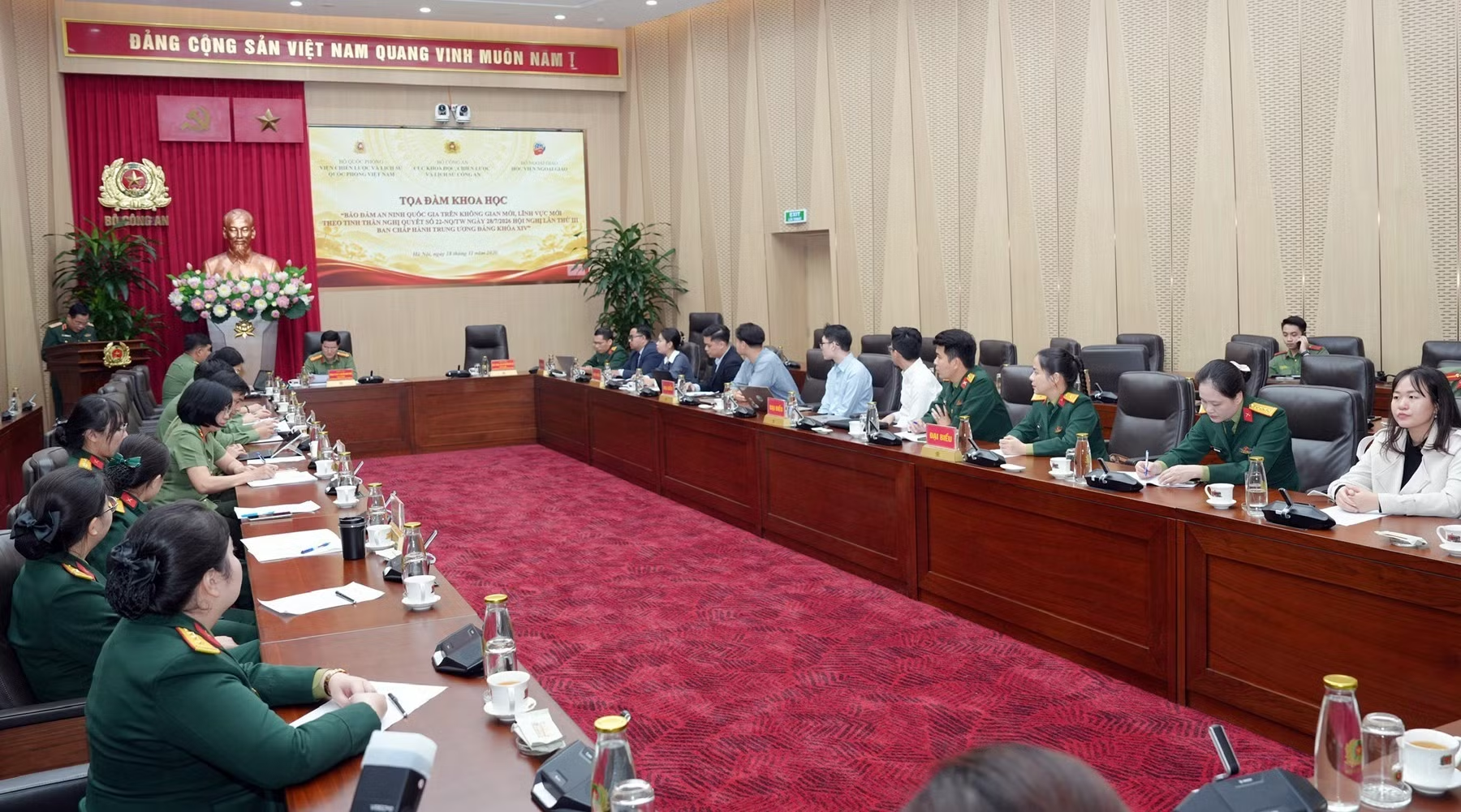
In his opening remarks, Major General Nguyen Van Sau Assoc. Prof., Dr., emphasized that safeguarding independence, sovereignty, unity, territorial integrity, as well as protecting the Party, the State, the people, and the socialist regime, has always been a vital and regular task for the entire Party, people, and armed forces. Alongside the country’s development, the concept of national security has continuously expanded, and methods of ensuring national security have evolved, closely linked to the mission of building and defending the Fatherland under all conditions and circumstances.
Resolution No. 22-NQ/TW dated July 28, 2026, of the 14th Party Central Committee on the National Security Strategy holds significant importance in shaping new thinking, perspectives, and requirements for the cause of national security protection. The study, thorough understanding, and concretization of the Resolution’s spirit, especially regarding new strategic spaces and emerging domains, are of practical theoretical and practical significance. This contributes to enhancing forecasting capabilities, proactively preventing, detecting, and addressing security risks and challenges, preventing the country from being caught off guard in any situation.
The scientific seminar “Ensuring National Security in New Strategic Spaces and Emerging Domains in the Spirit of Resolution 22-NQ/TW, issued by the 14th Party Central Committee on July 28, 2026, at its 3rd Plenum, on the National Security Strategy” was organized to provide a forum for scientists, experts, and practitioners to exchange and discuss, thereby clarifying pressing theoretical and practical issues.
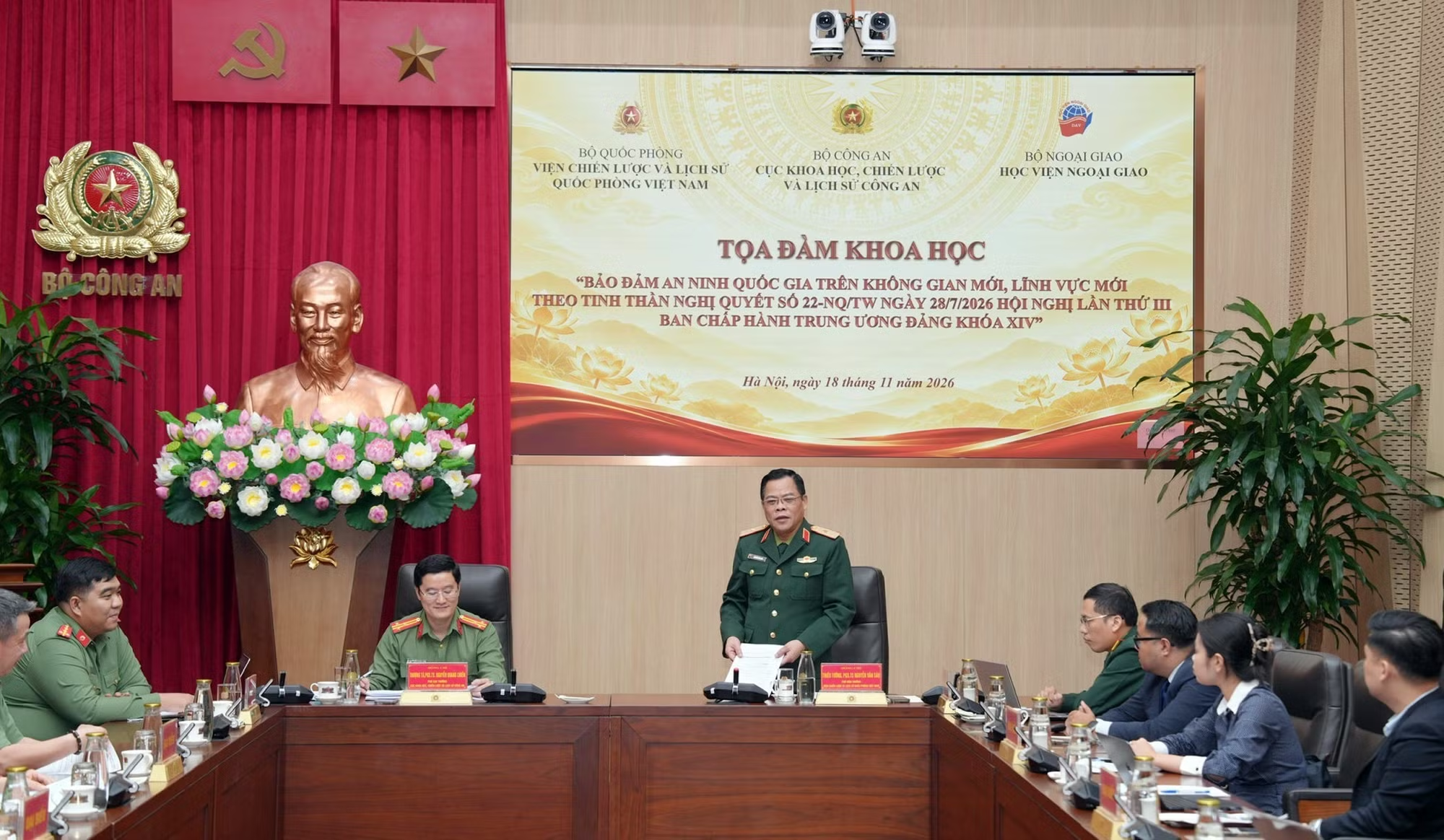
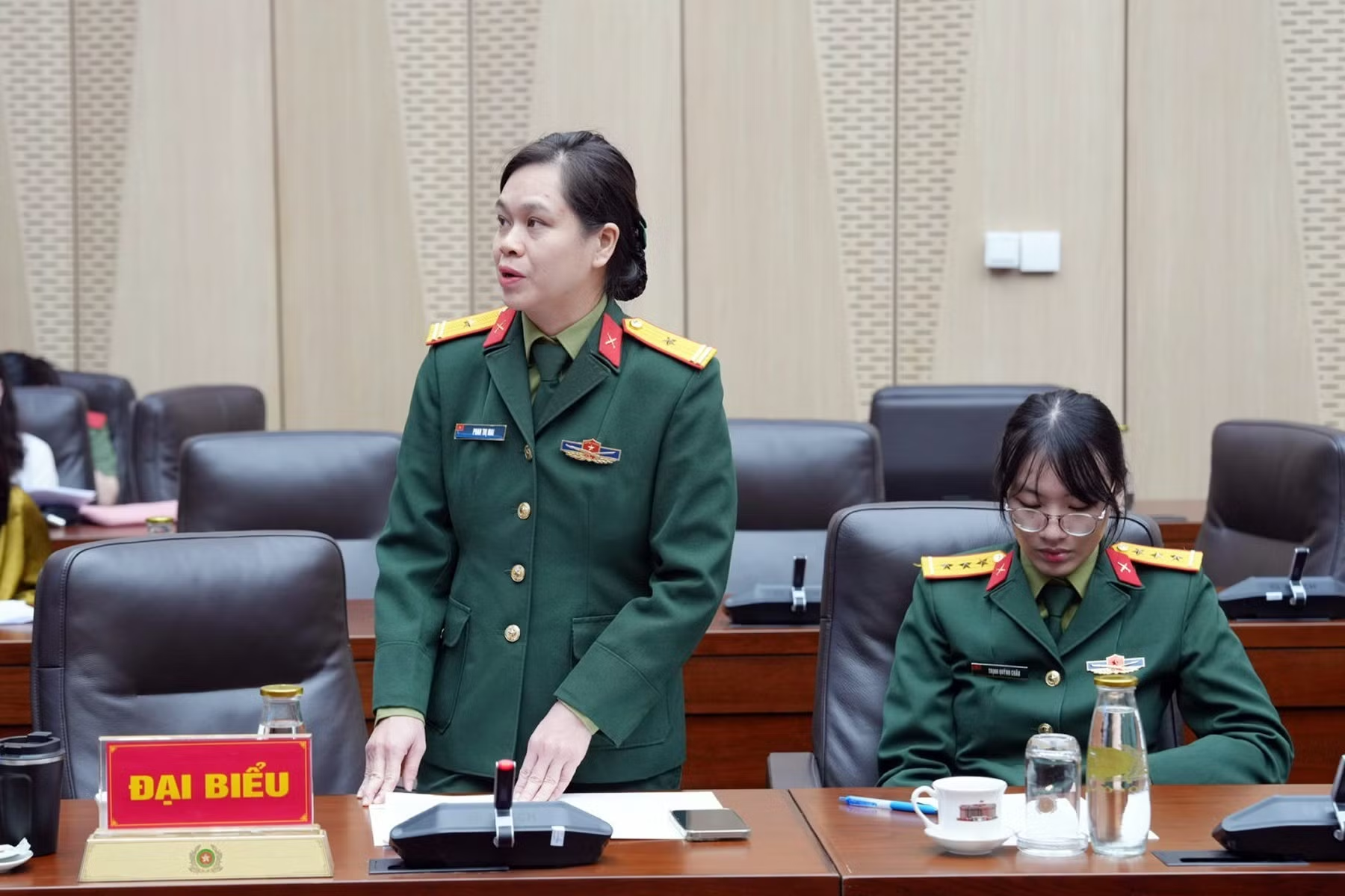
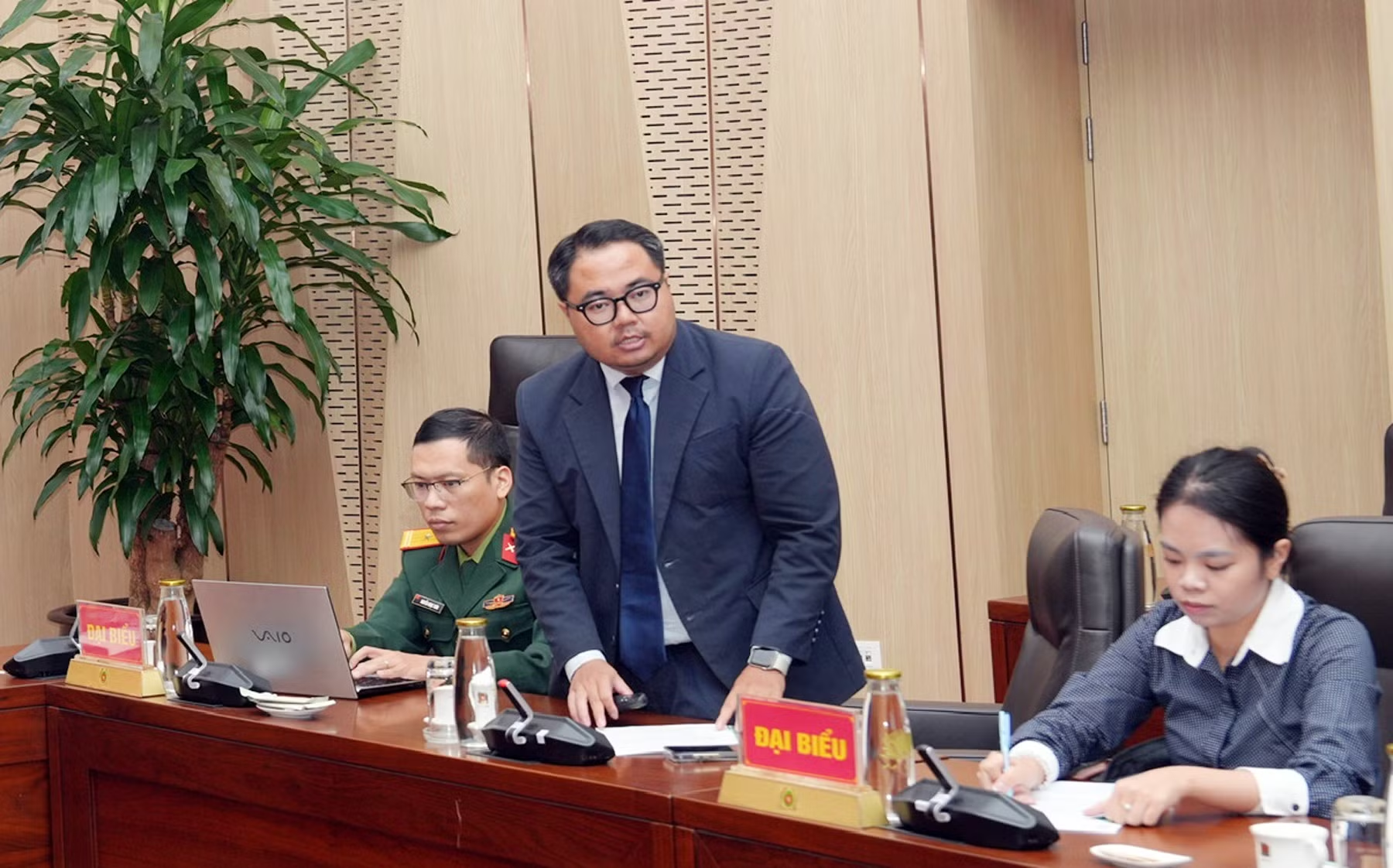
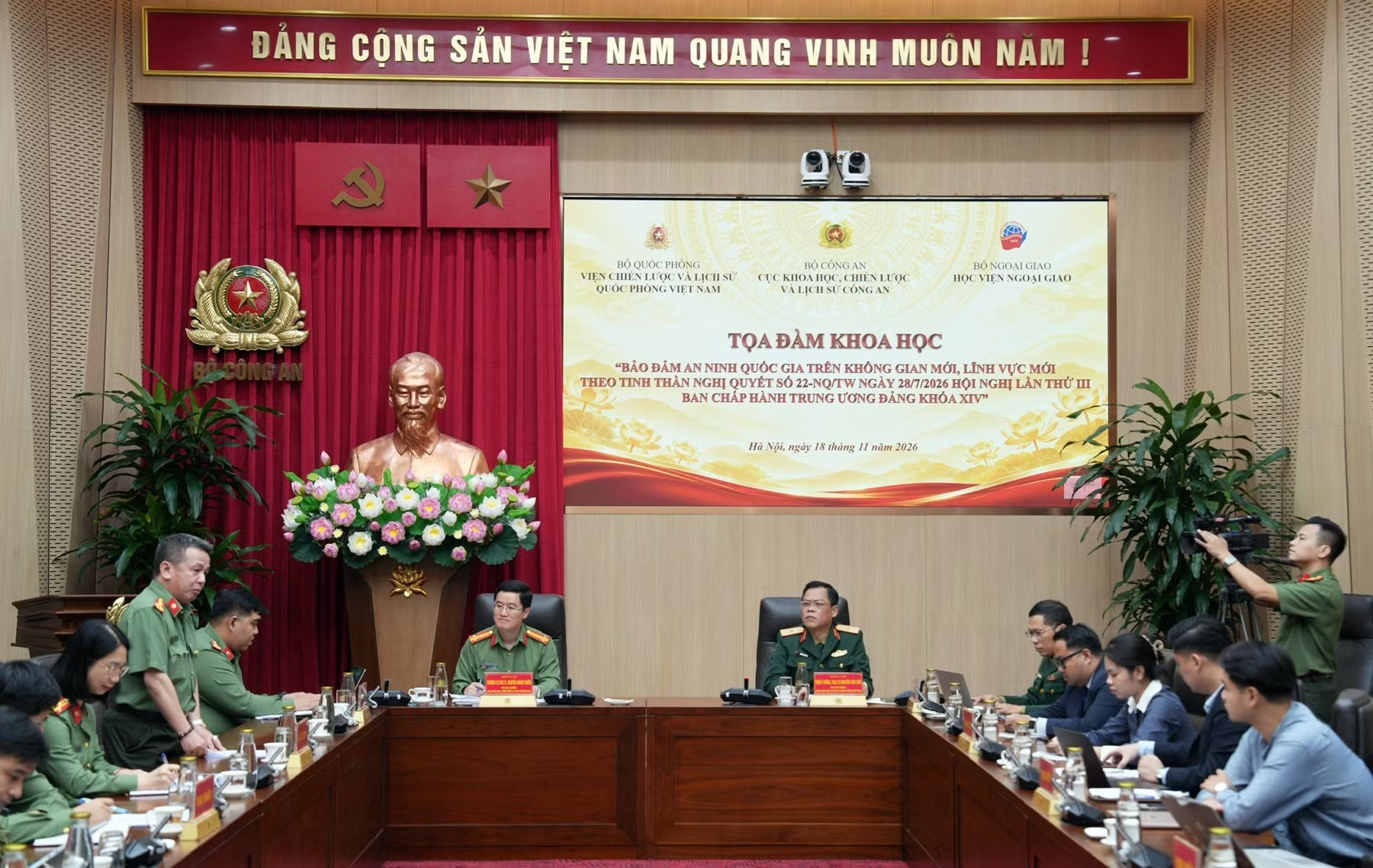
Major General, Associate Professor Dr. Nguyen Van Sau called on delegates, scientists, experts, and practitioners to uphold a sense of responsibility and scientific rigor, focusing their discussions on better identifying new security risks and challenges, supplementing scientific arguments to support research, policy advice, and effective implementation of national security tasks in the new context. He stressed the need to proactively safeguard the Fatherland from early on and from afar, maintaining independence, sovereignty, unity, territorial integrity, and protecting the Party, State, people, and the socialist regime.
At the seminar, delegates discussed issues, such as ensuring the security of underground spaces and facilities, protecting national interests, ensuring national defense in outer space, identifying new strategic spaces and emerging domains, and the challenges they pose for national security. Other topics included legal frameworks, institutional arrangements, force organization, and ensuring security in low-altitude airspace, cyberspace, and cognitive space.
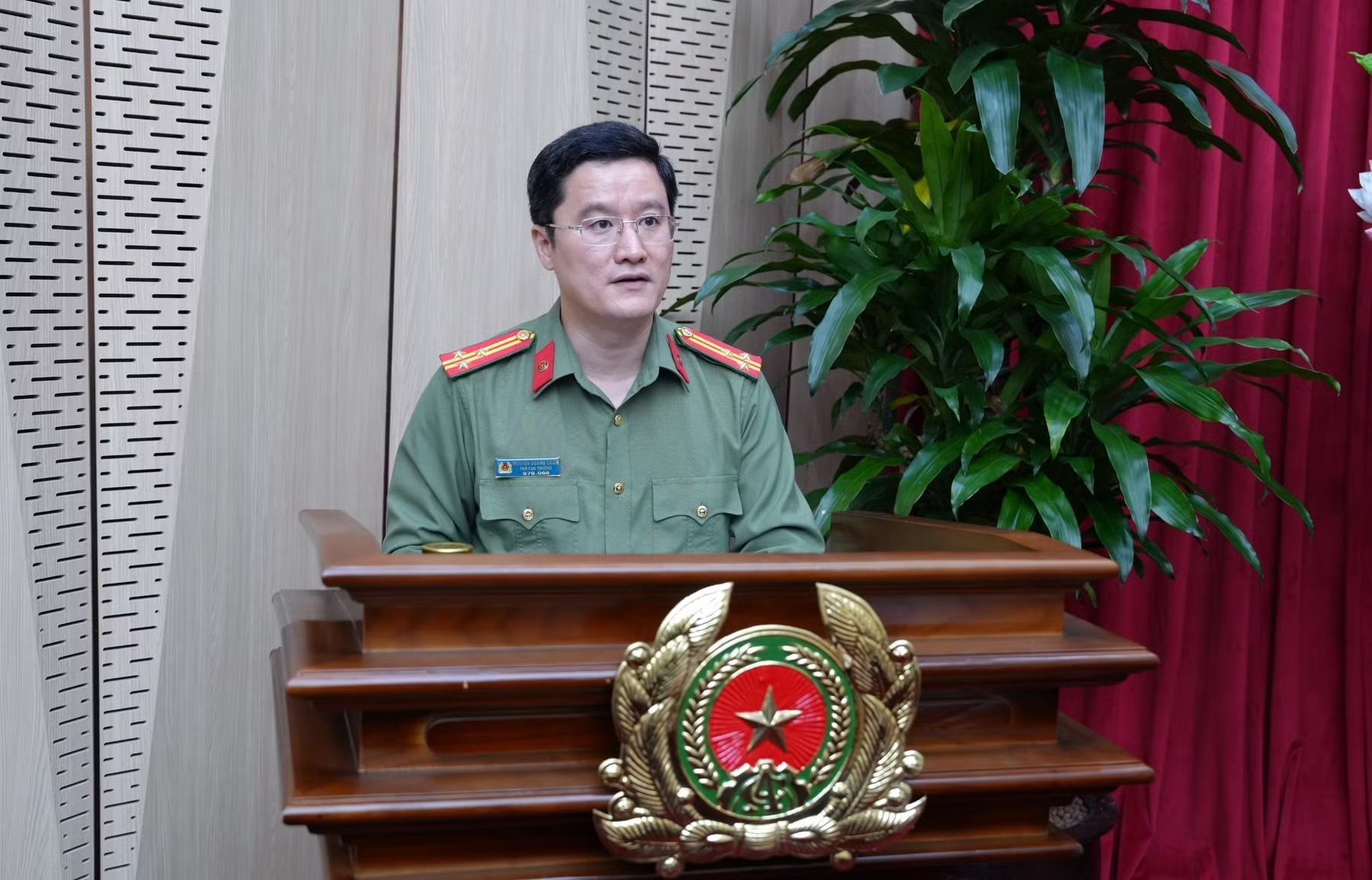
In his concluding remarks, Lieutenant Colonel Nguyen Quang Chien Assoc. Prof., Dr,.poited out that presentations delivered by delegates from the Ministry of Public Security focused on securing submarine cable systems, underground facilities, low-altitude airspace, and the current legal landscape, while reports from delegates from the Ministry of National Defence provided in-depth analysis of outer space and maritime security, and delegates from the Ministry of Foreign Affairs provided perspectives on international relations and law, national sovereignty in cyberspace and the issue of airspace intrusion by unmanned aerial vehicles.
Through the presentations, delegates agreed that outer space, low-altitude airspace, seas and oceans, and underground spaces are not isolated but are closely interconnected, with most being linked and controlled via cyberspace.
The seminar also analyzed and clarified the shift in thinking about national security protection—from safeguarding against individual risks to a holistic, system-based approach grounded in risk management and data-driven governance. All participants concurred with the principle that security must keep pace with development and that security should never be traded for growth.
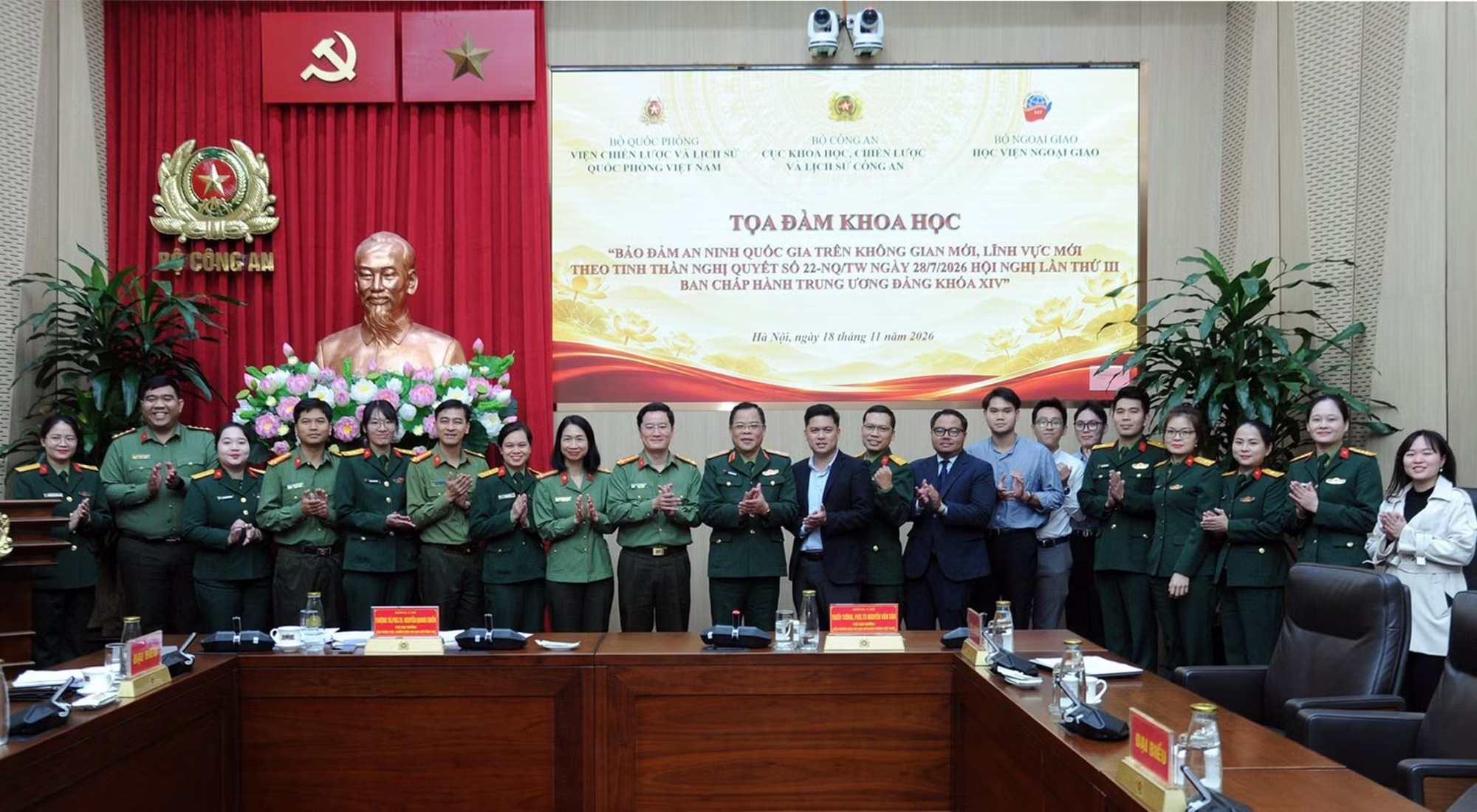
Colonel Nguyen Quang Chien also recommended continued research to unify and refine understanding and theory regarding new strategic spaces and emerging domains; proactive participation in developing international institutions and regulations; and promoting multilateral and regional cooperation, especially within ASEAN and among developing countries, to improve the international legal framework.
The organizing committee, with the Youth Union chapter of the Department of Science, Strategy and History of Public Security, the Youth Union chapter of the Institute of Strategy and History of the Viet Nam People's Army, and the Youth Union chapter of the Diplomatic Academy of Viet Nam as the core, worked closely to compile all expert opinions, leaders’ remarks, and scientific contributions from the seminar. These will be reported to the leaders of the three ministries, providing timely advice on orientations and solutions to ensure security, national defense, and inter-sectoral coordination in safeguarding national and ethnic interests in new strategic spaces.