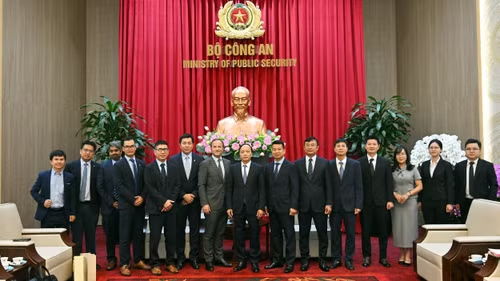
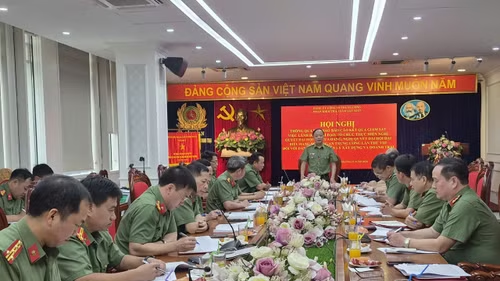
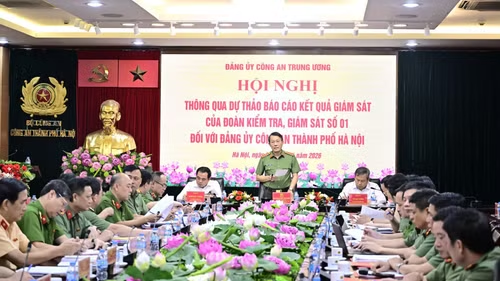
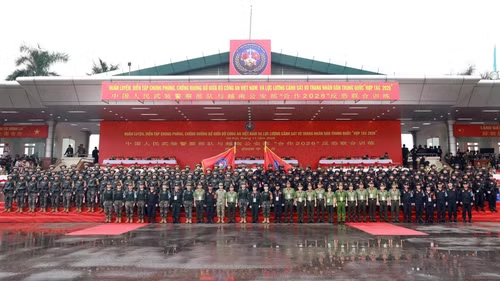
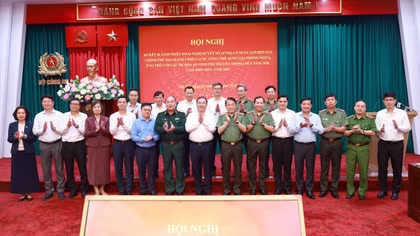
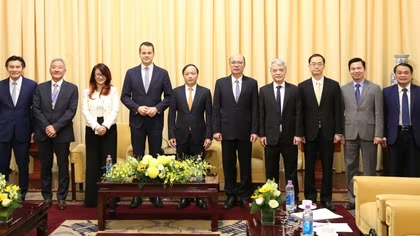
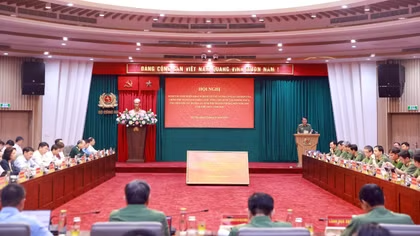
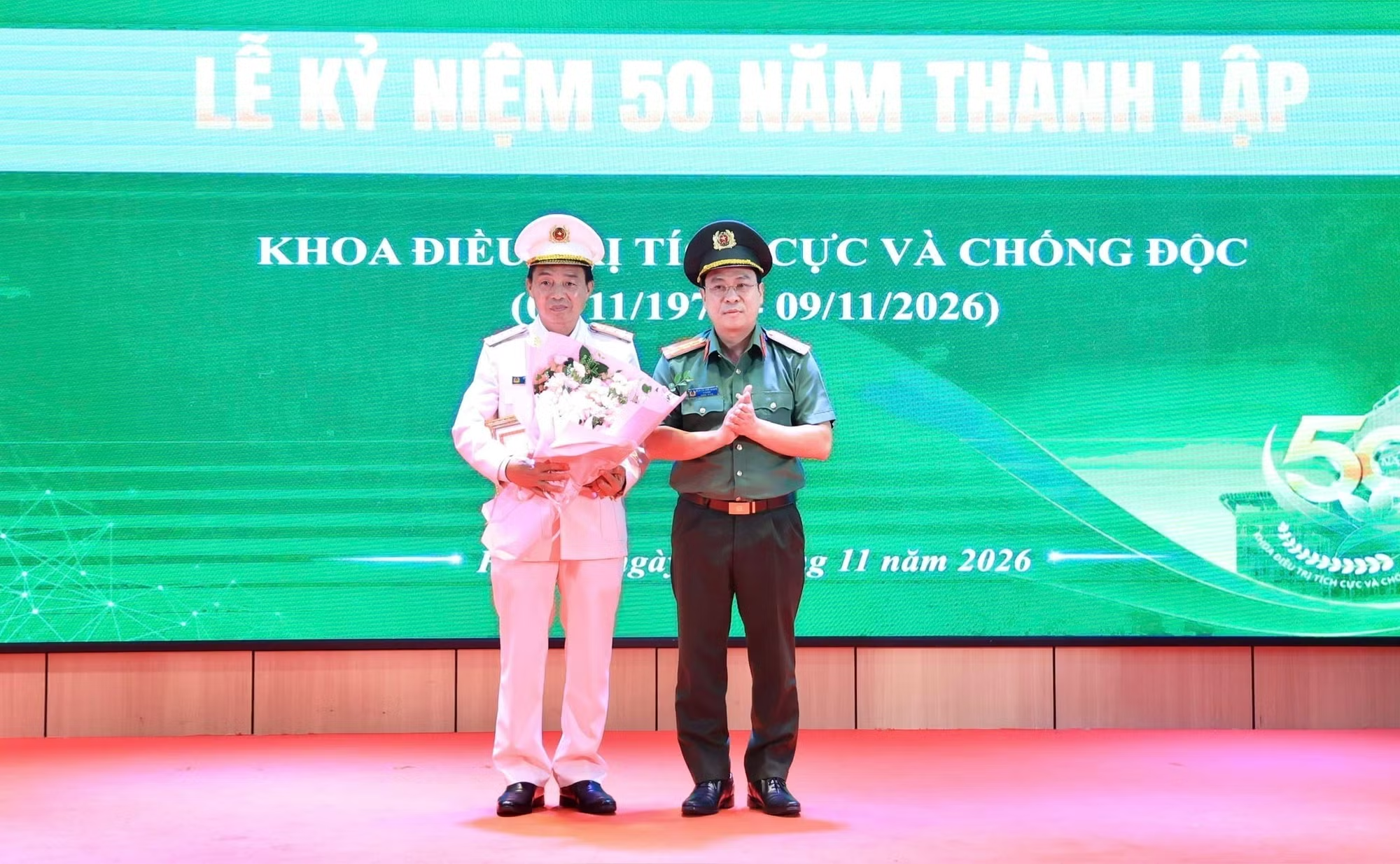
On the afternoon of November 6, the Intensive Care and Poison Control Department of the 19-8 Hospital held a ceremony celebrating its 50th anniversary (November 9, 1976 - November 9, 2026). Present at the ceremony were Senior Colonel Nguyen Tien Quang Assoc. Prof., Dr., Director of the 19-8 Hospital; Prof. Dr. Nguyen Gia Binh, President of the Viet Nam Association of Critical Care, Emergency Medicine and Toxicology; members of the Board of Directors of the 19-8 Hospital; domestic and international experts and doctors; and representatives from hospitals within and outside the People's Public Security Forces.
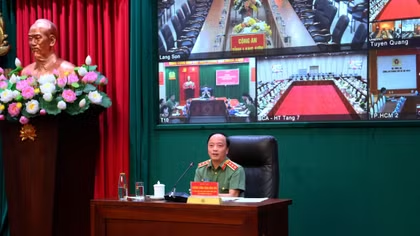
Delivering a welcome speech at the ceremony, Senior Colonel Bui Nam Phong, Head of the Intensive Care and Poison Control Department, stated that the department was originally established from the Internal Medicine Department IV on November 9, 1976. Subsequently, it was successively renamed the Urgent Care Department, the Emergency and Intensive Care Department, and finally its current name, the Intensive Care and Poison Control Department.
From its early days, tasked with receiving, providing emergency care, treating, and offering intensive care to critically ill patients, the department has endured 50 years of challenges, shortages, and hardships. Thanks to relentless efforts to learn and the close guidance of the Party Committee and the Board of Directors of the 19-8 Hospital, the Intensive Care and Poison Control Department has continuously advanced in expertise, infrastructure, technical equipment, and a highly qualified medical staff. The department now masters advanced and modern intensive care techniques, establishing itself as a leading and specialized unit at the 19-8 Hospital, on par with top intensive care centers nationwide.
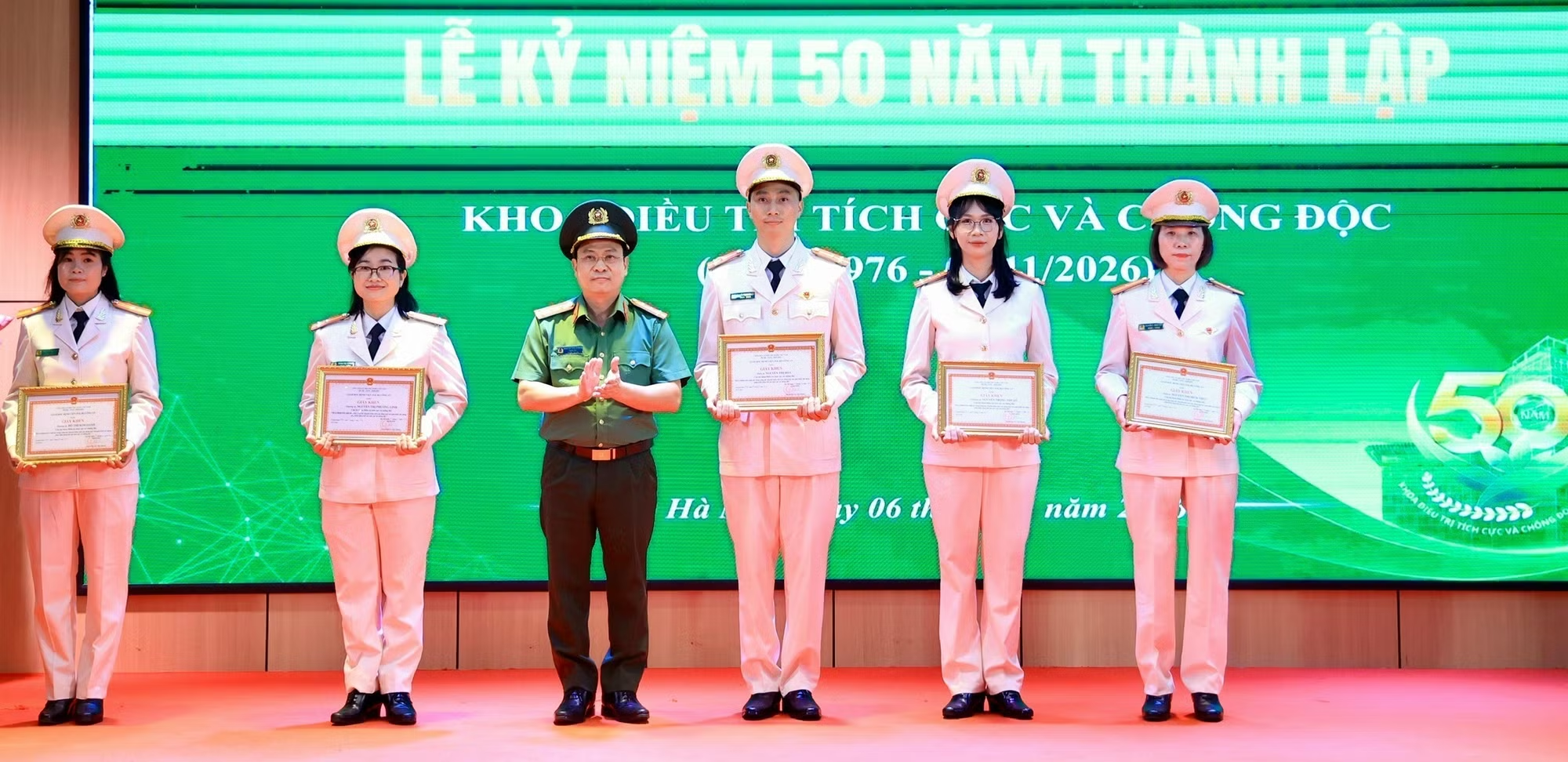
For its successful emergency interventions and treatment of many critically ill patients, as well as its outstanding achievements in professional development, the Intensive Care and Poison Control Department has, over the years, received numerous commendations from the Ministry of Public Security, the Party Committee, and the Board of Directors of 19-8 Hospital. These include the Emulation Flag from the Ministry of Public Security, Certificates of Merit from the Minister of Public Security, the Viet Nam General Confederation of Labour, and the hospital’s Board of Directors.
Additionally, the department has proactively adopted, mastered, and routinely implemented many modern medical techniques. Notable examples include advanced medical and surgical intensive care procedures, ECMO (extracorporeal membrane oxygenation), CO2 removal blood filtration, adsorption blood purification, targeted temperature management, intracranial pressure (ICP) monitoring, invasive hemodynamic monitoring with PiCCO, and cerebral tissue oxygenation measurement.
Alongside improving technical capabilities, the Intensive Care and Poison Control Department places great emphasis on human resource development, regularly sending staff members to countries with advanced medical systems such as Taiwan, Belgium and Japan, for study and research, and strengthening cooperation with domestic and international professors and experts.
Furthermore, the department has excelled in international medical cooperation and support in disaster and emergency response, as assigned by the Ministry of Public Security and hospital leadership. This includes participating in rescue operations following the earthquake in Myanmar and ensuring medical support for major national events such as A80, APEC, ASEAN, and other ministerial and sectoral events.
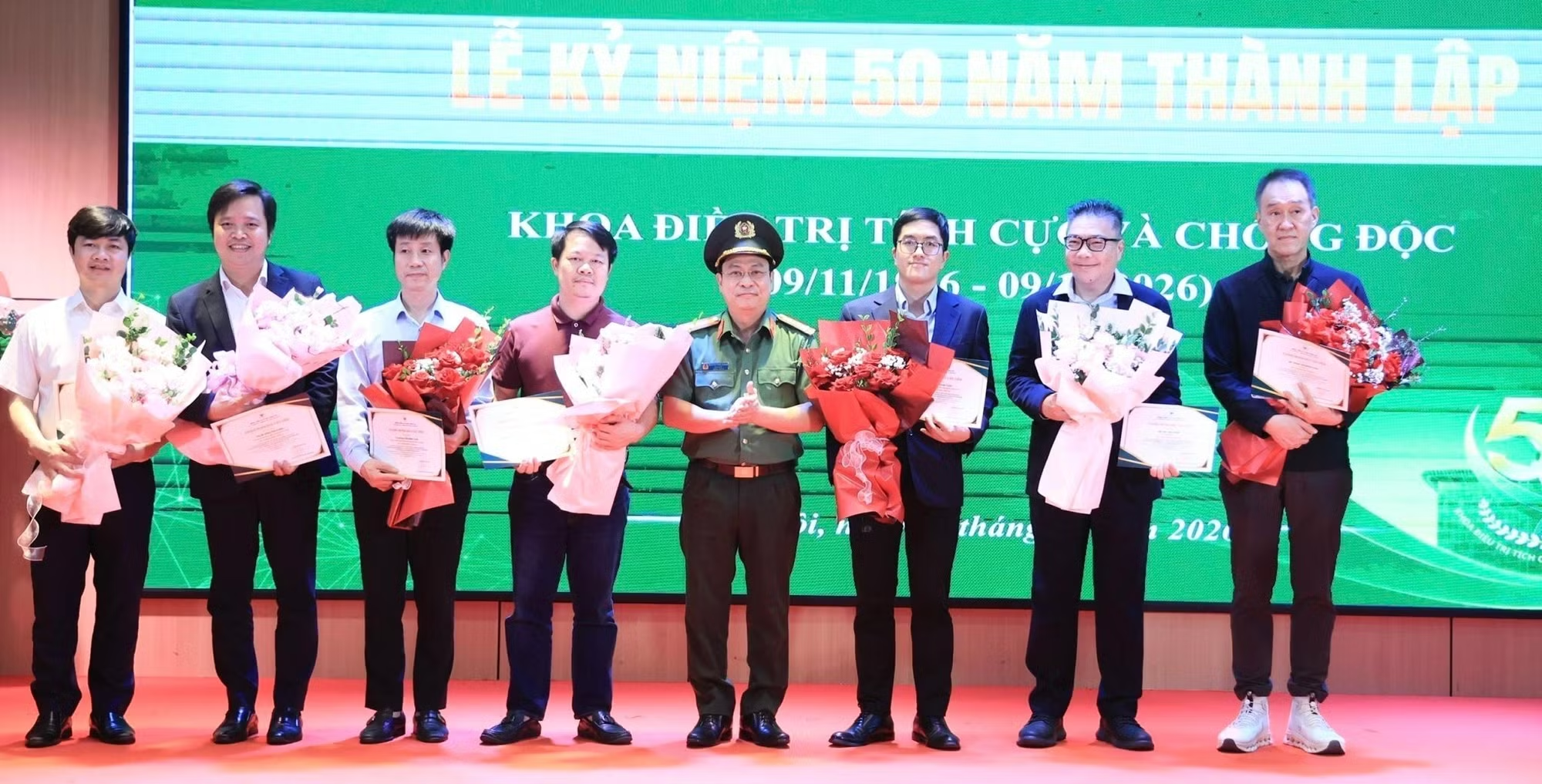
Speaking at the anniversary ceremony, Senior Colonel Nguyen Tien Quảng Assoc. Prof., Dr., Director of 19-8 Hospital, congratulated the Intensive Care and Poison Control Department on its achievements. To meet new demands, the hospital director called on the department to continuously improve its professional quality and master new technologies.
“We have always considered intensive care and emergency medicine the most important unit in the hospital. To develop this field, the department must constantly innovate and update the latest and most advanced medical advancements to save lives. The department should focus on developing human resources, promote scientific research and international cooperation, and open its doors to receive support from professors and experts in teaching and training. For the hospital to advance, intensive care and emergency medicine should take the lead,” shared the Director of the 19-8 Hospital.
Senior Colonel Nguyen Tien Quang also stated that the 19-8 Hospital aspires to become an extended arm in the training efforts of professors and experts. In 2027 and 2028, 19-8 Hospital will serve as a practical training base for the University of Medicine and Pharmacy under the Viet Nam National University and the Academy of Security Engineering and Technology.
On the occasion of its 50th anniversary, the Intensive Care and Poison Control Department and five outstanding individuals from the department were honored with Certificates of Merit from the Director of the 19-8 Hospital.
To mark the 50th anniversary, the department also organized an international scientific conference titled “Emergency and Intensive Care in the Digital Era: From Pre-hospital Emergency to Advanced Intensive Care and Smart Management.”
Chaired by Professor Dr. Nguyen Gia Bjnh, President of the Viet Nam Association of Emergency, Intensive Care and Clinical Toxicology, the conference was attended by experts from the BDMS ECMO Air Medical Transport Center (Thailand), Philips (Singapore, patient monitoring division), Viet Duc Hospital, A9 Emergency Center, Bach Mai Hospital, the National Hospital for Tropical Diseases, among others. They presented in-depth scientific reports on advances in emergency and intensive care, medical management, and the increasingly important role of personalized medicine in patient treatment, opening up new approaches and contributing to improved treatment quality and patient survival.
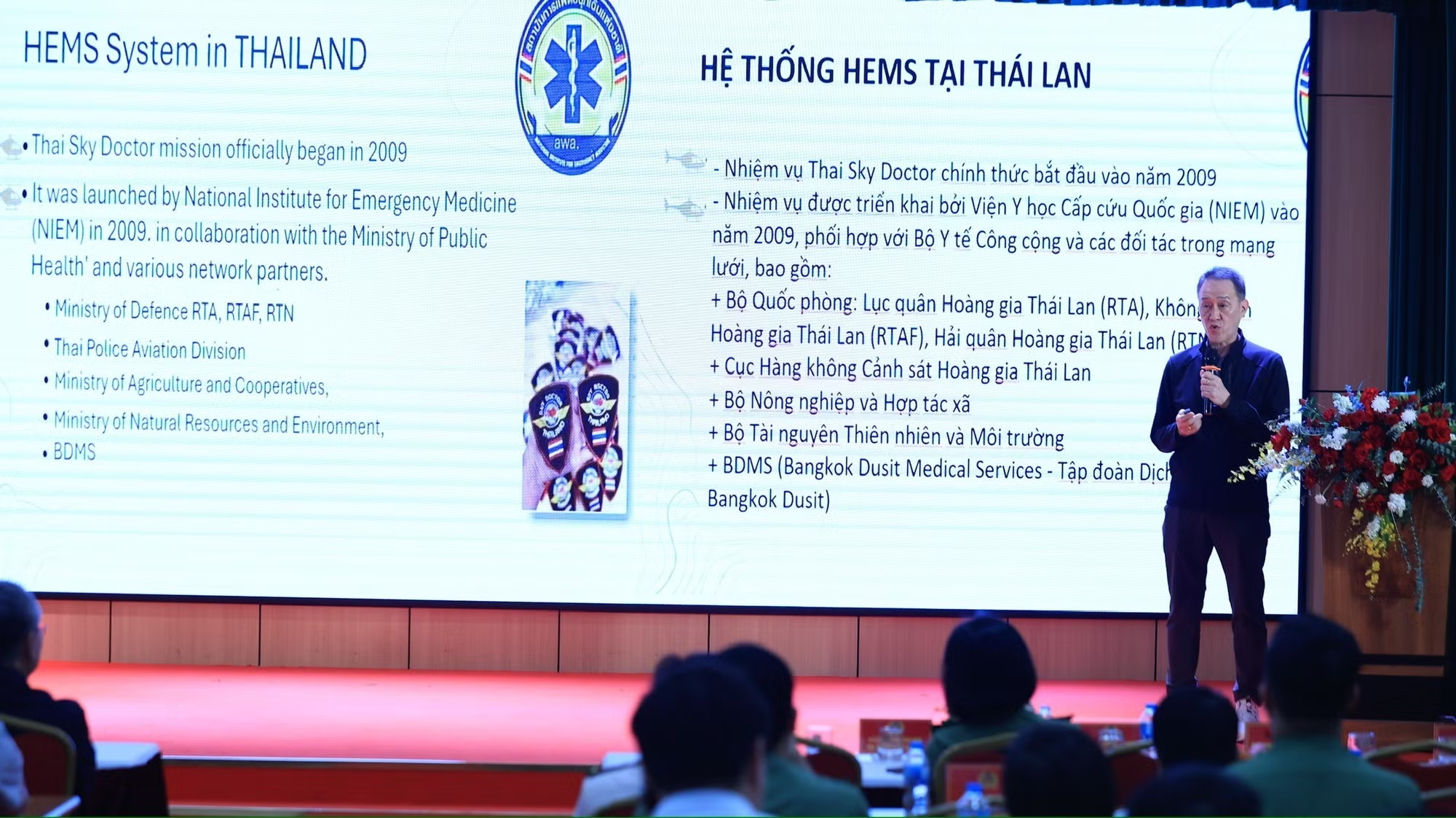
The conference demonstrated the determination of the Intensive Care and Poison Control Department and the 19-8 Hospital to promote international integration, enhance academic exchange, and access the latest global medical advances. This aligns with the development orientation of the Ministry of Public Security and the 19-8 Hospital regarding international integration in the new context, as well as the advancement of science, technology, innovation, and national digital transformation.