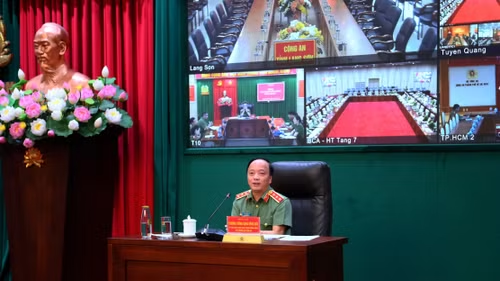
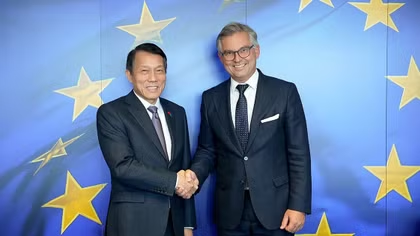
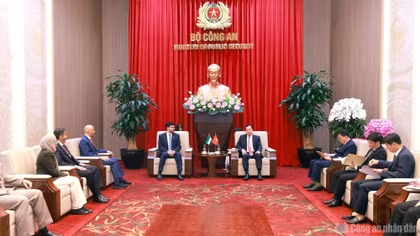
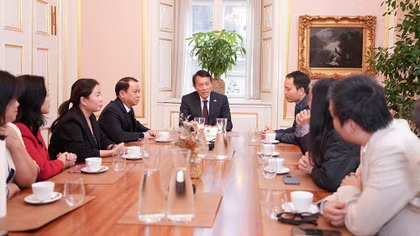
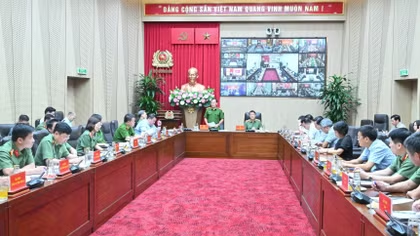
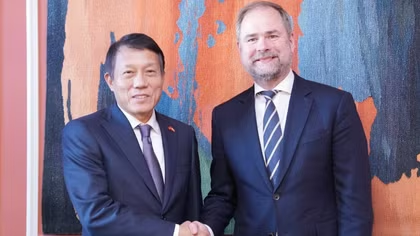
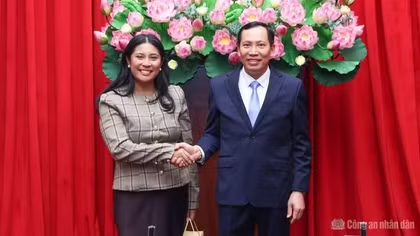
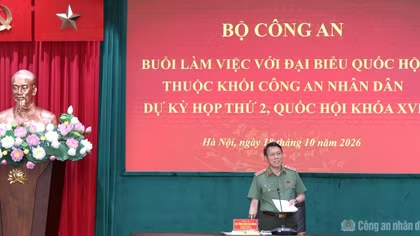
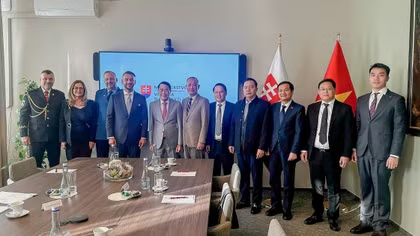
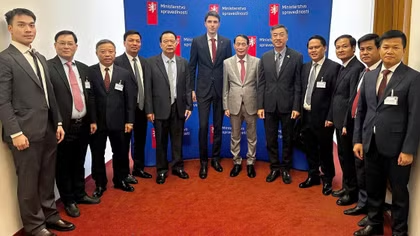
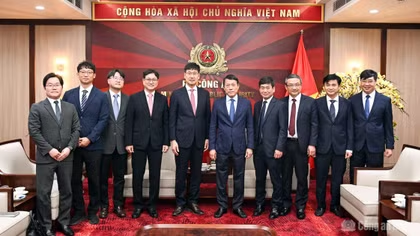
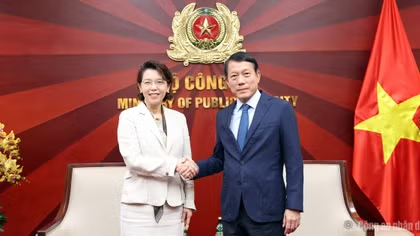
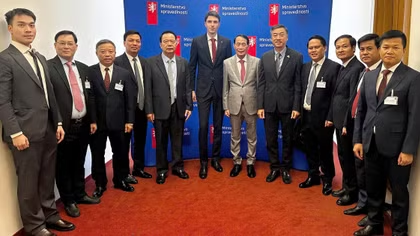
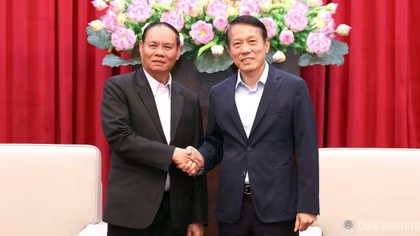
On October 26, in Vicenza, Italy, a delegation from the Ministry of Public Security of Viet Nam, led by Senior Lieutenant General Pham The Tung, Member of the Party Central Committee and Deputy Minister, paid a visit and had talks with CoESPU. The delegation was welcomed and hosted by Brigadier General Andrea Paris, Commander of CoESPU.
Milestones in training cooperation
Speaking at the meeting, Deputy Minister Pham The Tung affirmed that participating in United Nations peacekeeping operations is a consistent policy of Viet Nam. For the Ministry of Public Security, this is an important political mission and an environment to train and enhance the professional expertise of its forces according to international standards.
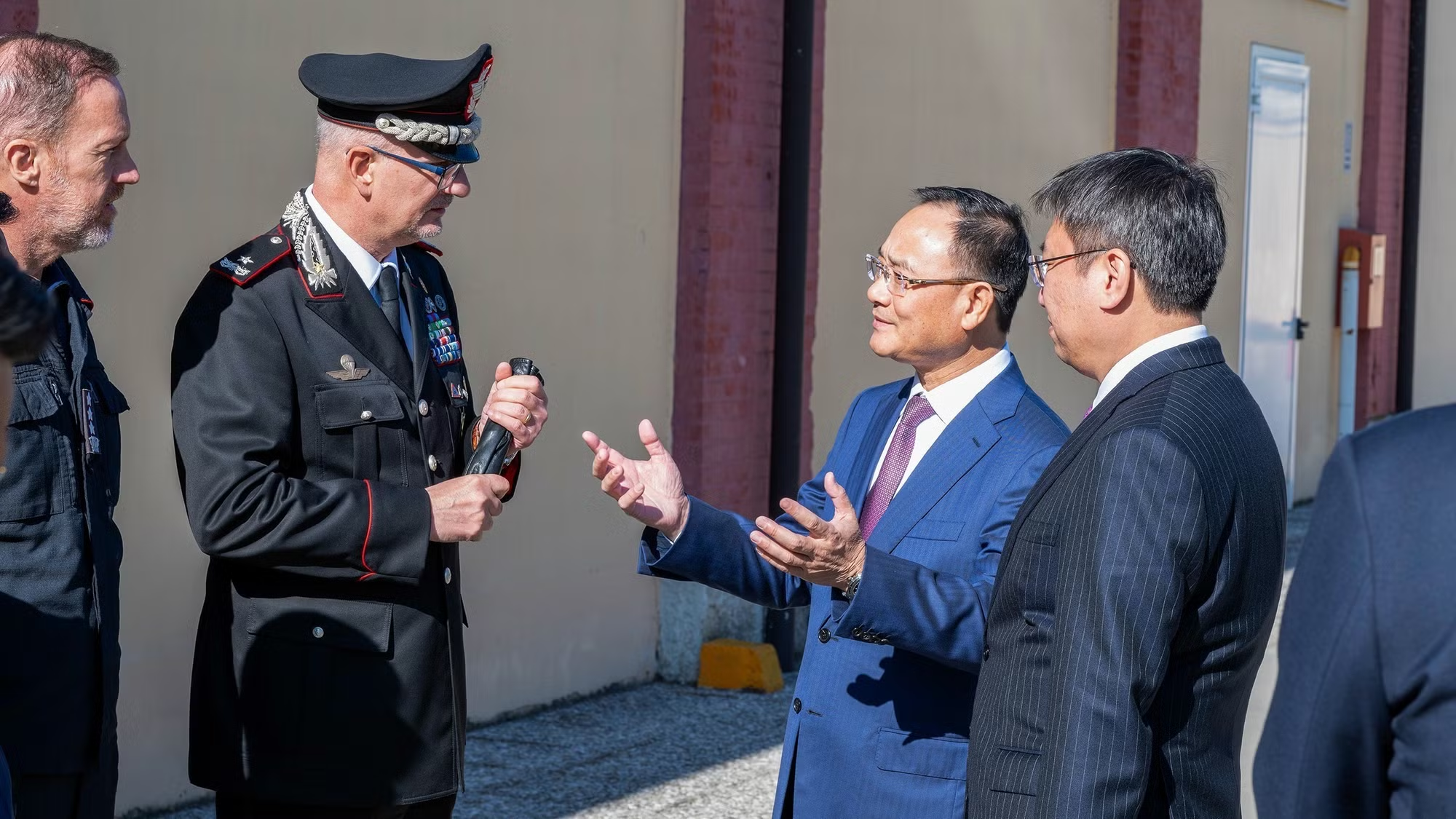
Deputy Minister Pham The Tung expressed his sincere gratitude for CoESPU’s practical contributions to the training and development of personnel, including the first group of commanding officers of the Vietnamese Peacekeeping Police Unit.
Since 2022, CoESPU has received and trained 70 Vietnamese officers in Vicenza on pre-deployment contents for UN peacekeeping missions. In 2024, the center organized a commanding officer training course for 20 members of the Vietnamese Formed Police Unit 1 (VNFPU1) and a train-the-trainer course for 9 officers.
In June 2025, CoESPU sent instructors to the Ministry of Public Security’s UN Peacekeeping Training and Capacity Development Center in Viet Nam to directly train 180 officers from VNFPU1 in operational tactics. This has marked a new phase in cooperation between the two sides, moving from training in Italy to joint training on Vietnamese soil. Also in 2025, representatives from the Ministry of Public Security was invited to attend the annual Peacekeeping Police Unit Workshop at CoESPU.
Cooperation for improvement of training capacity
Building on the results of past cooperation and the need to develop the Vietnamese Peacekeeping Police Force, Deputy Minister Pham The Tung discussed future cooperation, focusing on improving human resource quality, training capacity, and coordination mechanisms between the two sides.
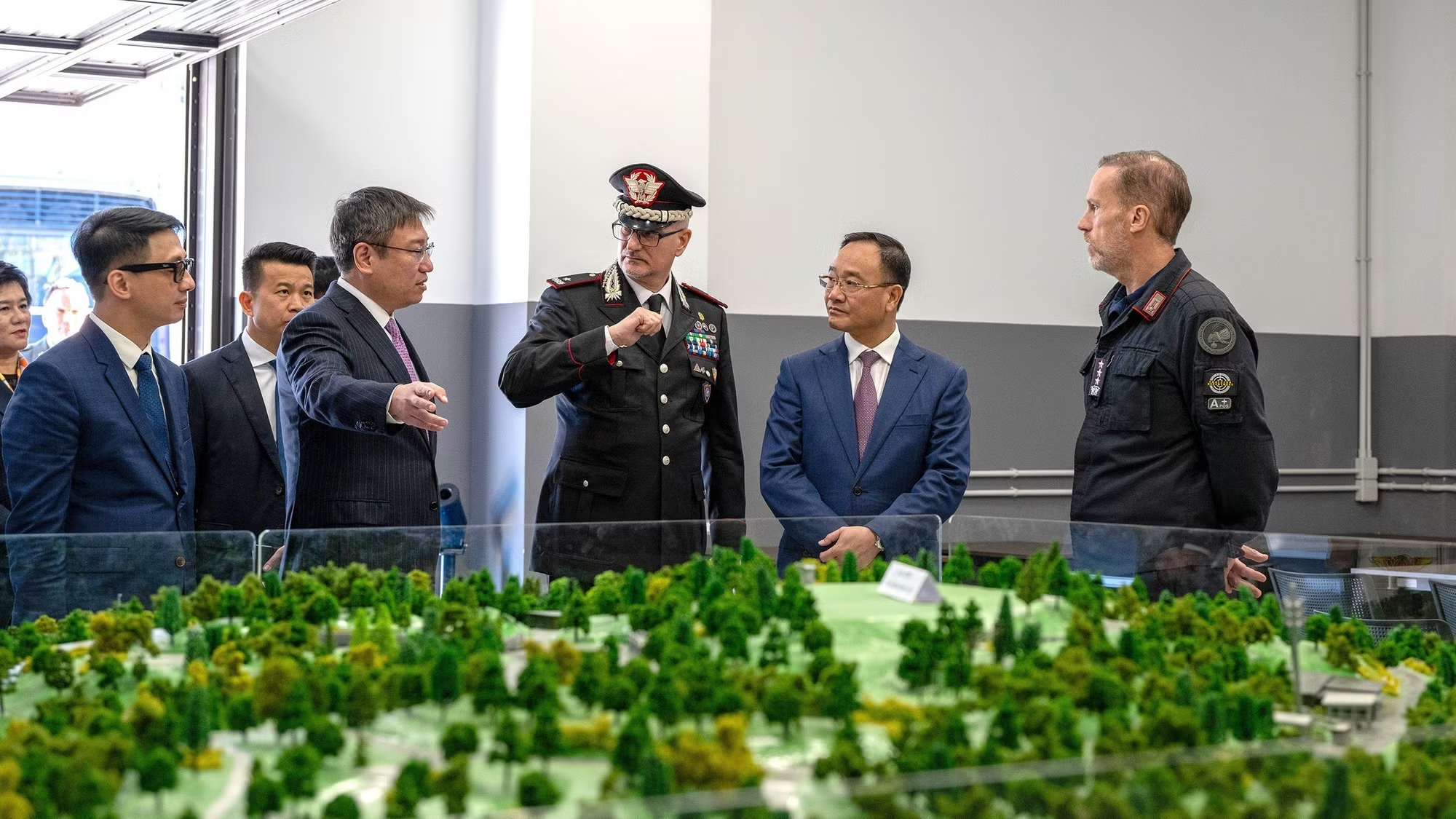
Regarding that cooperation field, Deputy Minister Pham The Tung hopes CoESPU will support the enhancement of the Vietnamese training center's command and advisory capabilities by sending a mobile training team to Vietnam in 2027, and continue training future commanders of rotating Vietnamese peacekeeping police units and senior management officers.
Viet Nam is particularly interested in improving and standardizing its pool of trainers, aiming to develop a pre-deployment training program recognized by the UN. Additionally, there are plans to expand specialized training for officers participating in peacekeeping operations as individuals, with priority given to female officers, and to seek advice on developing the Vietnamese Ministry of Public Security’s UN Peacekeeping Training and Capacity Development Center.
Deputy Minister Pham The Tung also proposed jointly organizing a Southeast Asian regional training course in Viet Nam in 2028, establishing a coordination mechanism, and developing a cooperation plan for 2027–2029, with a view to signing a formal cooperation document. These initiatives aim to foster regular, in-depth cooperation and contribute to building a professional Vietnamese Peacekeeping Police Force ready to meet UN requirements.
Brigadier General Andrea Paris expressed his pleasure at welcoming the high-level delegation from the Ministry of Public Security of Viet Nam and praised the determination and progress of the Vietnamese Peacekeeping Police Force. The achievement of Level 3 in the UN Peacekeeping Capability Readiness System (PCRS) by VNFPU1 in a short time is a notable result, reflecting the discipline and professionalism witnessed firsthand by CoESPU instructors during training.
Brigadier General Andrea Paris affirmed that CoESPU regards Viet Nam as a potential partner in Southeast Asia, and welcomes the Ministry’s concrete, phased cooperation proposals. The center agreed in principle to send a mobile training team to Viet Nam in 2027, and conduct a comprehensive survey of the Vietnamese Peacekeeping Training and Capacity Development Center. Specific content and timing will be discussed through designated channels, in line with the plans and resources of the Italian Carabinieri.
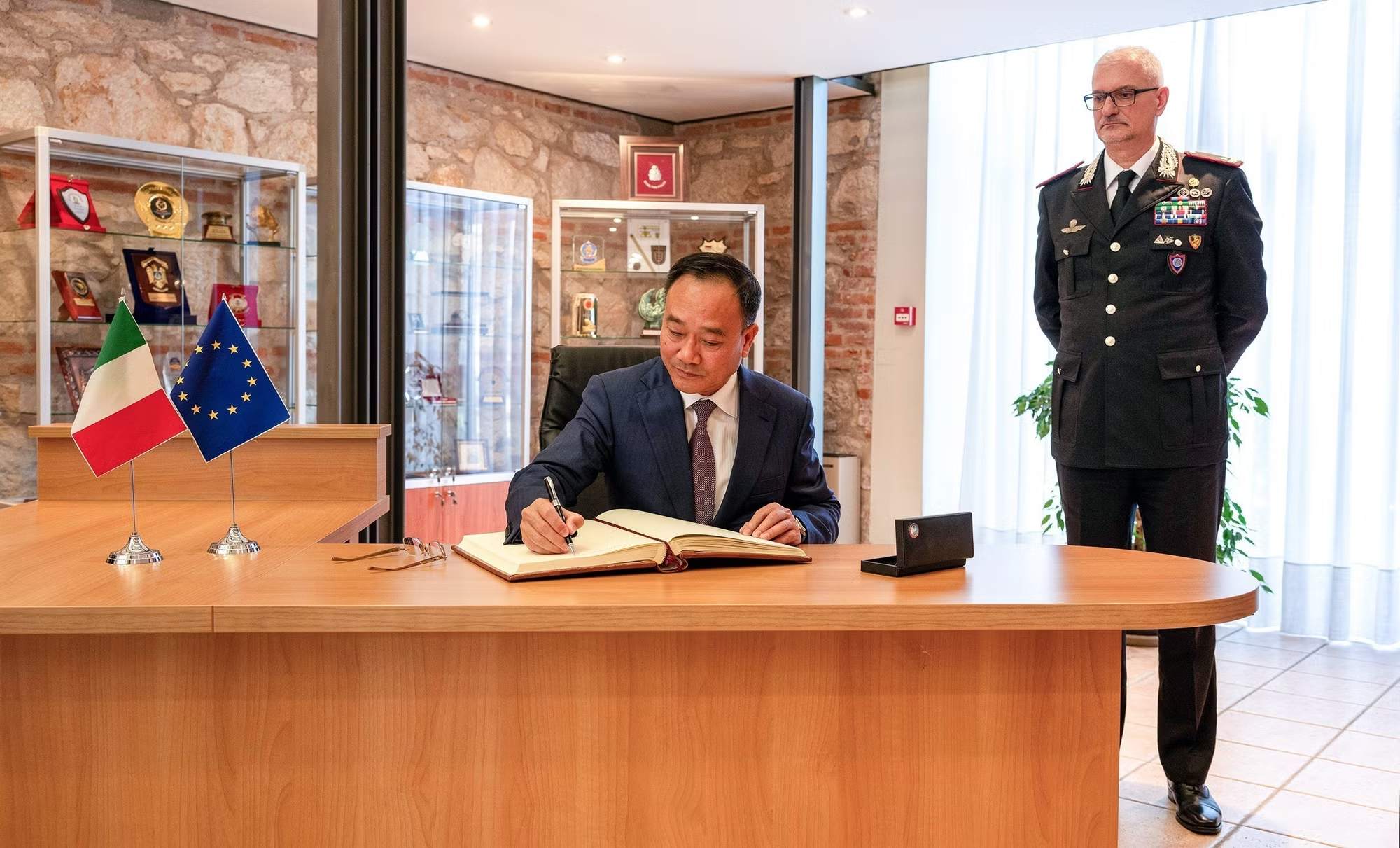
Regarding training collaboration, CoESPU is ready to continue offering places in command, advanced and specialized training courses to Vietnamese officers, with especially female ones. The center supports Vietnamese trainers serving as teaching assistants, aligning with the goal of developing a pool of trainers, and is willing to share its hands-on experience to help the Ministry of Public Security refine its pre-deployment training program.
On the proposal to organize a regional training course in Viet Nam in 2028, Brigadier General Andrea Paris considered that it would serve as a good chance for Southeast Asian countries to further grasp the UN peacekeeping training standards. Yet, the two sides will continue to study its feasibility based on actual conditions.
The CoESPU Commander agreed with the coordination mechanism proposed by Viet Nam, is ready to jointly develop a cooperation plan for 2027–2029, and to discuss a cooperation framework document in accordance with each side’s authority. He also pledged to actively introduce and connect Viet Nam with international partners to mobilize resources for joint activities.
Outstanding achievements of CoESPU
Established by the Italian Carabinieri on March 1, 2005, in Vicenza, CoESPU was created as an Italian initiative under the 2004 G8 Action Plan to expand global capacity for peace support operations, in coordination with the US Department of State.
The center is tasked with both training and research, developing doctrines for building police units within the UN framework. It is co-located with the headquarters of the European Gendarmerie Force and the NATO advanced police unit training center. According to figures presented at the meeting, CoESPU has trained nearly 16,000 participants from 129 countries, covering topics from high-risk operations, civilian protection, gender equality, and child protection to the safeguarding of cultural heritage and the environment.