Many domestic and foreign enterprises have been granted investment licenses to develop solar and wind power projects in the Central Highlands of Dak Lak, according to the provincial People’s committee.
 |
It is sunny and windy much of the year in Dak Lak province, giving it great potential to develop clean energy, according to experts.
According to a national master plan on solar and wind power development to 2020 with a vision to 2030, Dak Lak province aims to bring clean energy capacity to about 5,250 MW.
Wind power will be developed in Krong Buk, Cu M’gar, Krong Nang, Ea H’leo districts and Buon Ho town with a tentative capacity of 1,382 MW. The rest of the electricity will be generated at solar power plants.
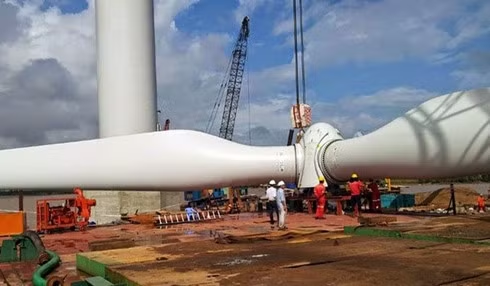
The HBRE Wind Power Company Ltd. has invested US$270 million to build a wind farm with total capacity of 120 MW in Dlie Yang Commune, Ea H’leo District.
The farm, the first of its kind in the Central Highlands, is designed to produce 450 million KW of electricity per year.
For solar power projects, Vietnam’s Xuan Thien Company Ltd. will invest US$2.2 billion in a 2,000MW solar installation in Ea Sup District.
Long Thanh Infrastructure Development and Investment Company has planned to invest US$310 million in a 250MW solar installation while TH True Milk Group will build a 1,117 MW solar plant on an area of 1,117 ha in the same locality.
Meanwhile, the US power group AES Corporation has spent US$750 million on a solar factory, which will have the capacity to generate 300 to 500 MW in Ea Sup and Buon Don Districts.
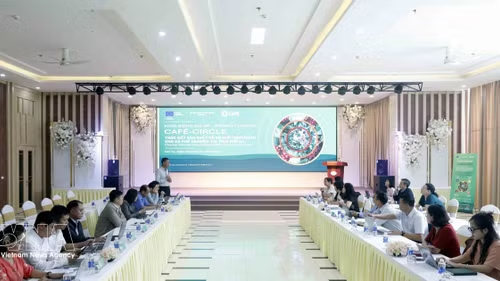

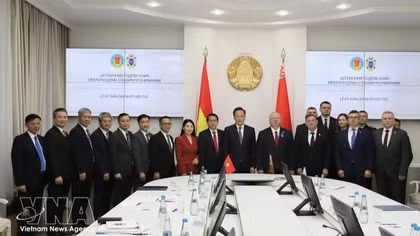
The State Audit Office of Vietnam and the Accounts Chamber of Russia signed an MoU on cooperation and expressed their wish to further expand collaboration at both bilateral and multilateral levels, focusing on the role and impact of supreme audit institutions on macroeconomic policies, digital transformation and the application of information technology to public auditing.
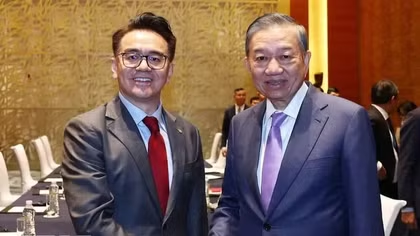
General Secretary of the Communist Party of Vietnam Central Committee and President To Lam received leaders of several major Chinese corporations in Shenzhen on November 17.
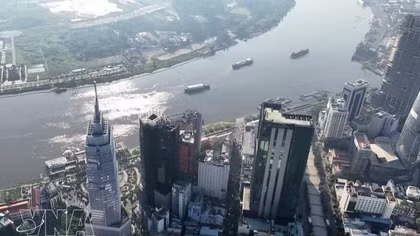
The centre must staff up for launch and close Vietnam’s gap in expertise, skills and global professional standards to secure a long-term competitiveness base.
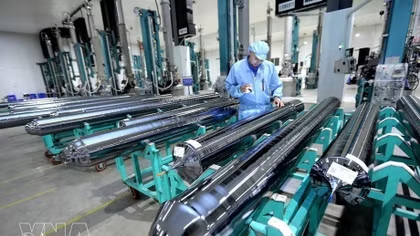
General Secretary of the Communist Party of Vietnam Central Committee and President To Lam’s trip to China for the 33rd APEC Economic Leaders’ Week and bilateral engagements is expected to add new momentum, including deeper economic connectivity, broader trade, investment and supply chain links, and a more balanced, substantive economic relationship that matches both sides’ potential.
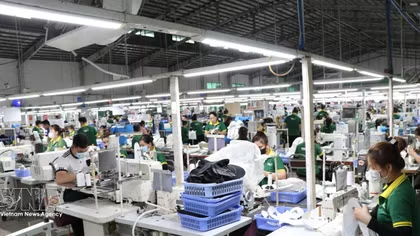
Under VEFTA, tariff reductions to zero will be meaningless for Vietnam’s key export sectors, including textiles and garments, footwear, and agricultural and aquatic products, if goods are found to contain banned chemicals, violate rules of origin or lack transparency regarding their carbon footprints.
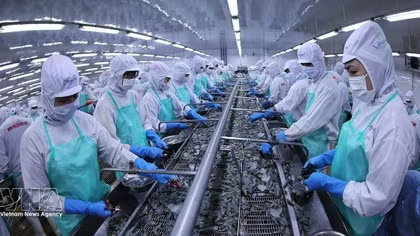
Vietnam remains well placed, with seafood sold in most countries and accepted in premium markets on the back of deep-processing capacity and a broad product mix.

Vietnam’s digital economy maintained positive growth, increasingly driven by the widespread adoption of artificial intelligence (AI) applications in everyday life and business operations.

According to the expert, Vietnam’s strategic contribution lies in helping ASEAN recognise that Mekong-related issues are not merely development challenges for one subregion but are directly linked to the bloc’s overall economic resilience and security.
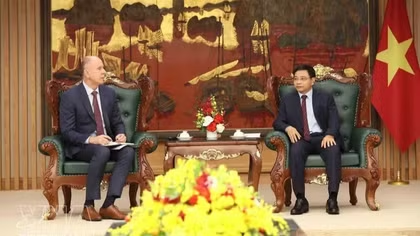
Martin Sommer, head of the IMF’s Article IV consultation mission team to Vietnam, noted that inflation risks in Vietnam remain under control, but several factors could add to price pressures. He therefore called for cautious monetary policy management and readiness to respond promptly if inflationary pressures increased.
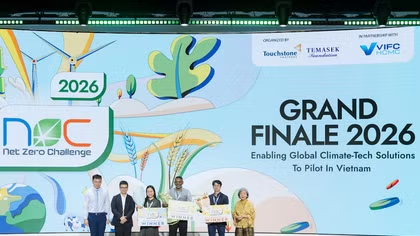
In its fourth year, the competition attracted more than 1,100 applications from 80 countries and territories, making it the most competitive edition since its launch in 2023. Nine finalists presented solutions in three categories, namely renewable energy and carbon removal; food systems and sustainable agriculture; and circular economy and waste management.
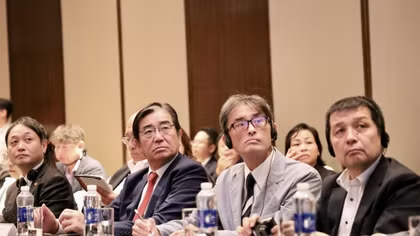
Fukai Akihiko, President and Representative Director at Gunma Bank and head of a business delegation from Japan’s Gunma prefecture, said cooperation between Gunma and Vietnam has continued to expand in recent years. Around 15,000 Vietnamese people currently live in Gunma, forming the largest foreign community in the prefecture.

For 2027, TikTok Shop wants at least one exemplary e-commerce commune in every locality and plans to expand in Lai Chau’s Than Uyen and Hanoi’s Bat Trang and Thu Lam.
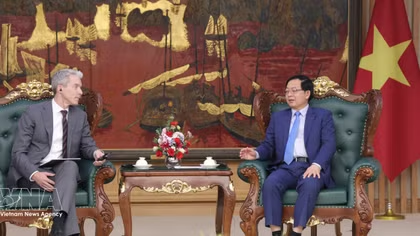
Vietnam is accelerating institutional reforms, improving its investment and business environment, developing infrastructure and enhancing human resources quality. The Government stands ready to cooperate with leading global corporations investing in sectors of strategic importance to the country's development.
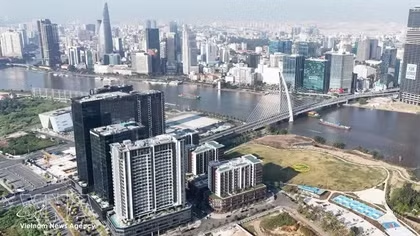
Compared with the 2024 assessment, Vietnam's score increased by 1.6 points, from 51.2 to 52.8. Its ranking, however, fell from 42nd to 47th, partly because the number of countries and territories assessed rose from 155 to 170.
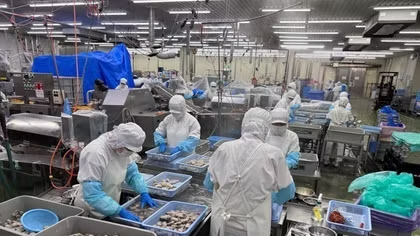
Economic, trade and investment cooperation remains the core pillar and the main engine of comprehensive, sustainable bilateral ties. General Secretary of the Communist Party of Vietnam Central Committee and President To Lam’s official visit to Japan is therefore a key moment to reinforce political trust, deepen the Comprehensive Strategic Partnership and open new cooperation opportunities in the next growth phase.
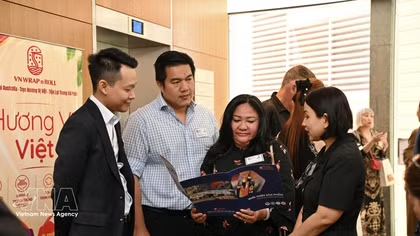
Participants at the Vietnam-Western Australia Business Forum 2026 in Perth on November 6 highlighted strong prospects for Vietnamese rice, agricultural produce and food products in the Australian market as local businesses seek to diversify supply chains.
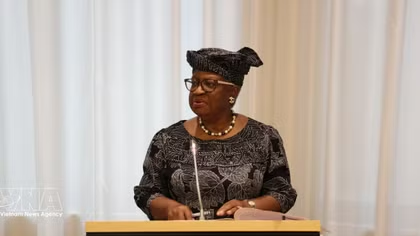
Joining the World Trade Organisation (WTO) was a strategic choice for Vietnam, closely associated with its Doi Moi (Renewal) process, opening-up policy and international economic integration. Over the past two decades, international economic integration has become a driving force for institutional reforms, trade expansion, foreign investment attraction and enhancement of the country's international standing.
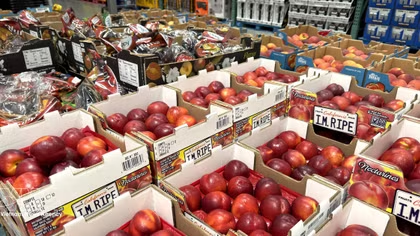
The USDA’s statistics show that Vietnam was the seventh-largest export market for American agricultural and related products in 2025, with import turnover of nearly 5.6 billion USD. The US’s 2025 agricultural exports to Vietnam increased 38% from 2024.
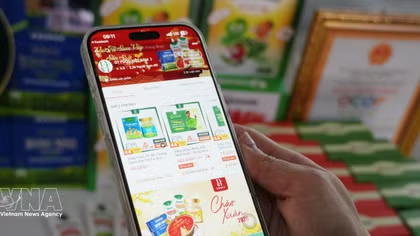
The report identifies Vietnam as Southeast Asia's most engaged market for AI. As GenAI moves beyond early adopters into wider workplace use, the country has recorded 45 million users, equivalent to 65% of its workforce, generating 31 billion AI prompts annually.
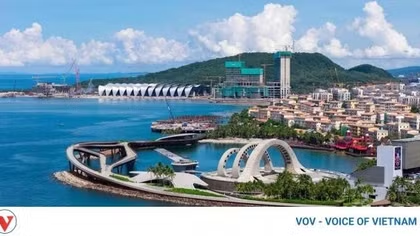
VOV.VN - Vietnam’s hosting of the Asia-Pacific Economic Cooperation (APEC) summit in 2027 is expected to create new momentum for cooperation between Vietnam and Russia, with opportunities to expand ties across a range of areas of mutual interest, according to Russian expert Tatyana Gorchakova.