There are many theories regarding its origin. Some say it started as a variation on pot-au-feu, a French beef stew dish. Others believe it’s the heir to a Chinese beef noodle soup or to a traditional Vietnamese dish of noodles with buffalo meat.
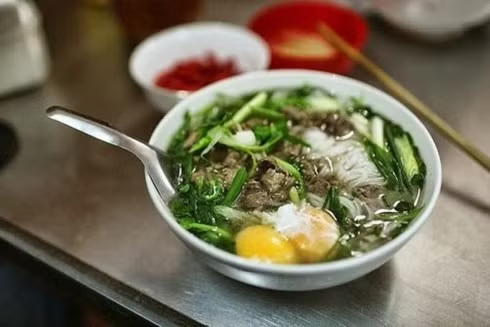 |
What is certain is that “pho”, a simple yet deceptively complex dish of noodles served with beef or chicken in a hot bowl of broth, has become Vietnam’s pride on the world map of cuisine.
Though its origins are disputed, historians believe “pho” was first made popular in Hanoi and Nam Dinh, two major northern cities, during the French colonial period. And we know that “pho” wasn’t invented in a restaurant. It began life on the side of the road, on the shoulders of street vendors who wandered the city with a big pot of both, always kept hot and ready with their mobile stoves. It was reinvented many times by vendors and home cooks with ingredients that were available to even the poorest, and it was shaped by the country’s turbulent history.
Until the 19th century, Vietnam was still largely an agricultural country. Cows were raised not as a source of food but to help out with land cultivation and rice farming. In order to protect the animals’ utility as farming aides, slaughtering them for meat was strictly forbidden and perpetrators were heavily punished if caught. At the beginning of the country’s French colonial period, consuming beef was a foreign practice. Locals either couldn’t afford it or had no desire to try it.
By the 20th century, attitudes towards beef had changed, as people flocked to cities where they worked in offices and factories instead of fields. “Pho” became popular as successful street vendors opened their stores in big cities across the country. As if dictated by some rule, most stores are named after their founders in a single word, such as “Pho Hien”, “Pho Thin” or “Pho Co”.
Though beef was once the most distinctive aspect of the dish, the most critical aspect is the broth. It’s always the first thing people taste when they tuck into a bowl. A good broth must be clear. It should carry the scent of herbs and spices such as cinnamon, cardamon, coriander seeds, cloves, star anise, onion and pepper as well as the taste of cow bones. Everything should be boiled for about six hours for all of the flavours to blend.
When it comes to the broth, it’s almost love or hate at first taste. A good broth means the cook knows what he’s doing and takes the time and effort to get the dish right. During difficult times, “pho” has been served without meat. But the broth must always remain carefully prepared and richly flavourful. If you’re ever looking for an excellent bowl of “pho”, look for a place where people finish the broth when they’re done with the noodles and beef.
Vietnamese people eat “pho” all the time: for breakfast, lunch, dinner and as a late-night snack. It’s variable and always satisfying even though there are only two choices when it comes to the meat: chicken or beef.
Since the original “pho” was made with beef, some die-hard fans insist there is no other way to eat it. But “pho” with chicken has an interesting story of its own. In early days of “pho”, beef was a rarity and there wasn’t enough to go around every day of the week. In the old days, “pho” stores closed on Mondays and Fridays because there was no supply of beef. People got creative, however, and invented “pho” with chicken.
“Pho” with beef has a strong flavour from the cow bones. “Pho” with chicken has a gentler aroma and may come with fatty or lean chicken. Each has their own merits. Ultimately, only personal preference can settle the question of which is superior. But why choose when you can have both?
Not unlike a super hero, “pho” comes with sidekicks. Two of the foods people love to eat with “pho” are eggs and Chinese crullers (oil sticks).
Eggs are poached in boiling hot water and you can choose between rare, medium and well-done; just make sure you don’t break them. Crullers should be crunchy and crispy—return them if they are not. They can be eaten separately from your “pho” but many, including yours truly, like to dip them in the broth for a mix between crunchiness and a soft, brothy taste. Take care you don’t dip too many because these sticks are oily and may ruin the broth.
Today, there are more expensive variations and adaptations of the dish, with ingredients like foie gras, Kobe and Wagyu beef, which may cost up to US$50-100 a bowl. But even after 200 years, one of the best places to have it is still on the side of the street. Nothing beats the chilling wind of winter better than a hot, street-side bowl of “pho” bought for US$2.
“Pho” can be found everywhere and can be had anywhere: in a train cruising across the country, in a boat among a bustling floating market of the Mekong Delta and on the pavement of a busy city. It remains a simple and widely affordable dish that carries both the history and identity of the people that create it.
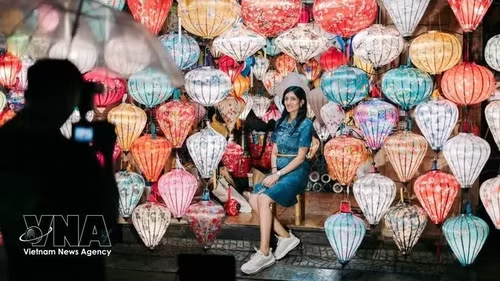

PSNews – As Viet Nam prepares to celebrate its first nationwide Viet Nam Culture Day on November 24, Ho Chi Minh City is gearing up for a diverse series of cultural, artistic, sporting and tourism activities across its 168 wards, communes and special zones, aiming to honor national cultural identity and promote the spirit of great national unity.
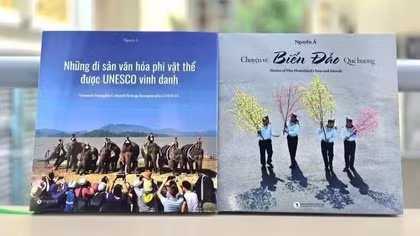
They are the 25th and 26th photo books by Nguyen A, documenting his more than 30-year journey in photography. Both are published by the Vietnam News Agency Publishing House.
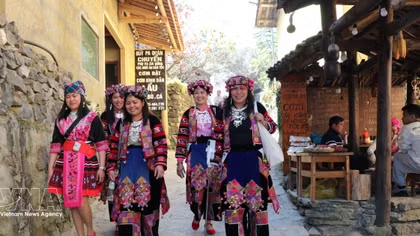
Tourism growth has brought more visitors to Lung Cu, prompting accommodation establishments and restaurants to operate at high capacity and driving up demand for electricity and water. However, some infrastructure facilities have yet to keep pace, affecting business operations and visitors' experiences.
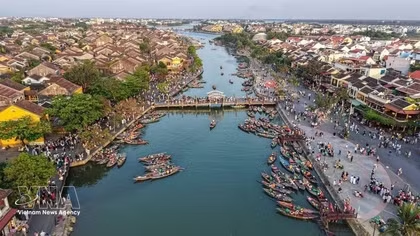
In the first 10 months, Vietnam welcomed approximately 19.5 million international visitors, equivalent to 78% of its annual target. To reach the goal, the country needs to attract an additional 5.5 million visitors in the remaining period.
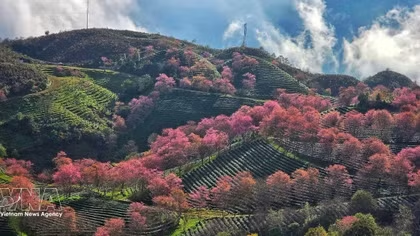
Alongside efforts to preserve the cultural identity of local ethnic communities, Sa Pa ward in the northern mountainous province of Lao Cai is accelerating digital transformation, developing smart urban services and upgrading infrastructure and public spaces to build a green, culturally distinctive and smart urban area.
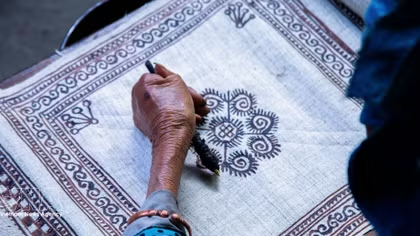
Alongside local cuisine, traditional attire, and folk games, linen weaving has become a crucial asset in enhancing Lung Tam commune's tourism appeal, creating new livelihood opportunities, and inspiring locals to preserve their heritage.
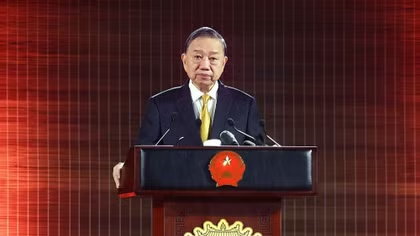
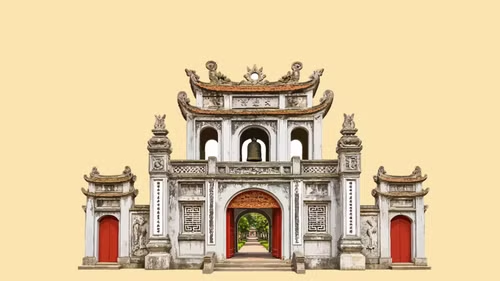
General Secretary of the CPV Central Committee and President To Lam called for preserving the Van Mieu – Quoc Tu Giam heritage and putting its spirit into daily school life. He asked Hanoi to work closely with culture, education and research agencies to complete open digitised materials on the relic soon.
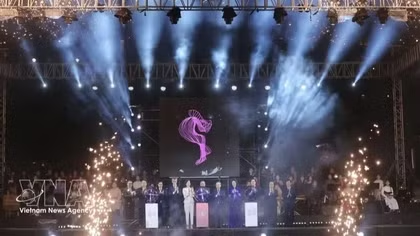
Running from November 13-28, the festival features 150 activities across five cultural, heritage and creative clusters and draws nearly 1,000 domestic and foreign artisans, artists, designers and experts, including nearly 100 foreign artists and overseas Vietnamese from 21 countries.
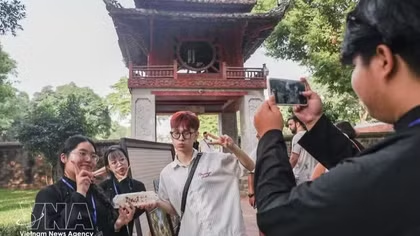
From interactive activities and visitor publications to digital applications, the changes share a common goal: diversifying ways of accessing heritage to meet the needs of different audiences.

The enduring values of of Van Mieu – Quoc Tu Giam continue to inspire contemporary calls for educational reform and the development of a capable, socially responsible intellectual workforce.
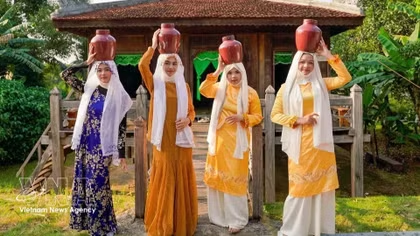
The Cham, one of Vietnam’s 54 ethnic groups, have a rich cultural heritage, with Muslim communities concentrated in An Giang province and other southern localities. Their traditional clothing, distinguished by diverse styles, colours and fabrics, reflects Islamic beliefs, modesty and aesthetics while preserving a cultural identity passed down through generations.
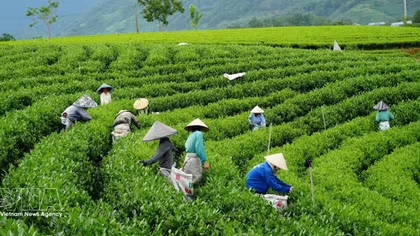
Vietnam is promoting the integration of One Commune One Product (OCOP) goods into tourism services and destinations to increase their value, expand markets, and strengthen links between local producers and the tourism industry.
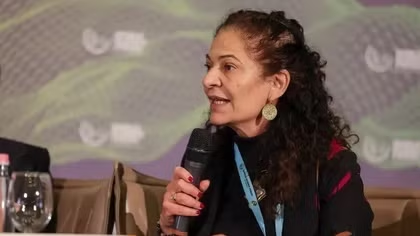
Lidia Brito, UNESCO Assistant Director-General for Priority Africa and External Relations, praised Vietnam’s contributions to education, science, culture and information, describing the 50-year partnership between Vietnam and UNESCO as a sustained and increasingly substantive journey.
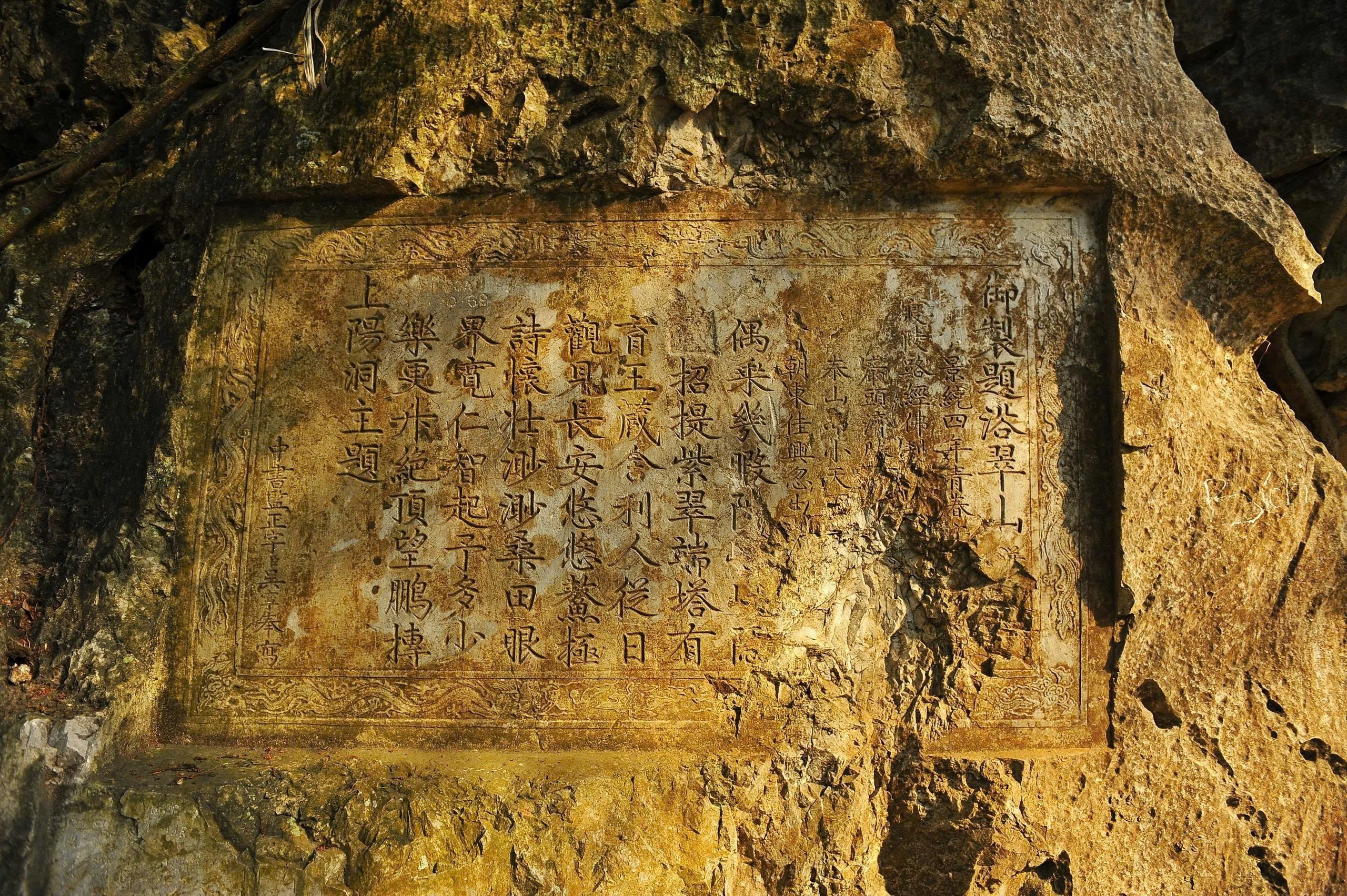
On the afternoon of November 5, at the 11th Session held in Jakarta, Indonesia, the Memory of the World Committee for Asia and the Pacific (MOWCAP) under UNESCO approved the inscription of the "Pho Hien Steles" from Hung Yen Province and the "Ma Nhai Inscriptions on Non Nuoc Mountain" from Ninh Binh Province into the Asia-Pacific Regional Register of Documentary Heritage.
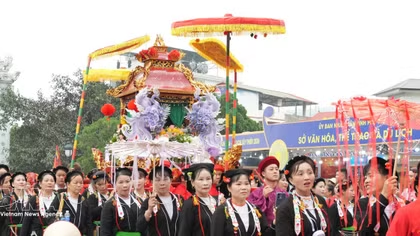
A major highlight will be the “Phu Tho Culture – Connecting for Development” cultural camp, featuring 17 camps and four exhibition spaces showcasing handicrafts, products under the One Commune One Product (OCOP) programme and other local specialties.

In February 2027, Tet culture and the Vietnamese language are expected to feature for the first time as the main focus on the central stage of the annual Lunar New Year event at the National Maritime Museum in the UK, part of the Maritime Greenwich World Heritage Site. The 2027 London Ao Dai Week is also expected to go ahead.
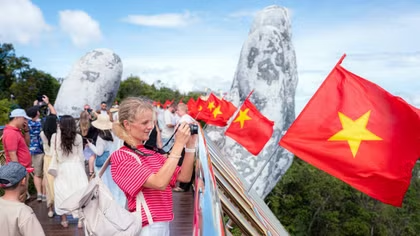
Located in central Vietnam, Da Nang is “blessed with mountains, a long city beach and a cool vibe”. The Son Tra Peninsula offers peaceful natural surroundings and panoramic sea views, while the city’s beaches provide opportunities for swimming, relaxation and outdoor activities.
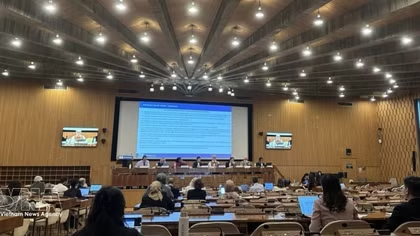
The decision reflects international recognition of Vietnam's efforts to preserve its geological, natural and cultural heritage while linking conservation with sustainable tourism development and improved livelihoods for local residents.
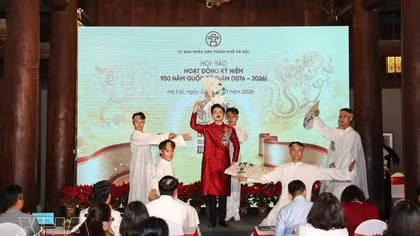
Founded in 1076 under King Ly Nhan Tong, Quoc Tu Giam played a pivotal role in Vietnam’s education and examination systems, nurturing generations of scholars and becoming a symbol of the country's intellectual and cultural heritage.
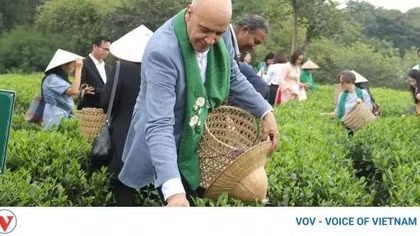
VOV.VN - Foreign diplomats in Vietnam have tried their hand at picking and pan-firing tea leaves in Vietnam’s northern Thai Nguyen province, gaining first-hand insight into the traditional craft behind the distinctive flavour of Tan Cuong tea.