Vietnam eyes becoming region’s leading tourism destination

Vietnam has in recent years undergone a notable transformation in its tourism development strategy, placing a strong emphasis on nature-based and eco-tourism. This shift is not merely aligned with global trends, but represents a necessary step towards safeguarding valuable natural resources, while appealing to a growing segment of environmentally conscious travellers.
With its rich natural assets and clearly defined policy direction, Vietnam is steadily asserting itself as one of the region’s foremost eco-tourism destinations, striking a balance between economic growth and environmental preservation.

According to the respected travel publication Travel and Tour World (TTW), Vietnam has in recent years undergone a notable transformation in its tourism development strategy, placing a strong emphasis on nature-based and eco-tourism. This shift is not merely aligned with global trends, but represents a necessary step towards safeguarding valuable natural resources, while appealing to a growing segment of environmentally conscious travellers.

Vietnam eyes becoming region’s leading tourism destination -0
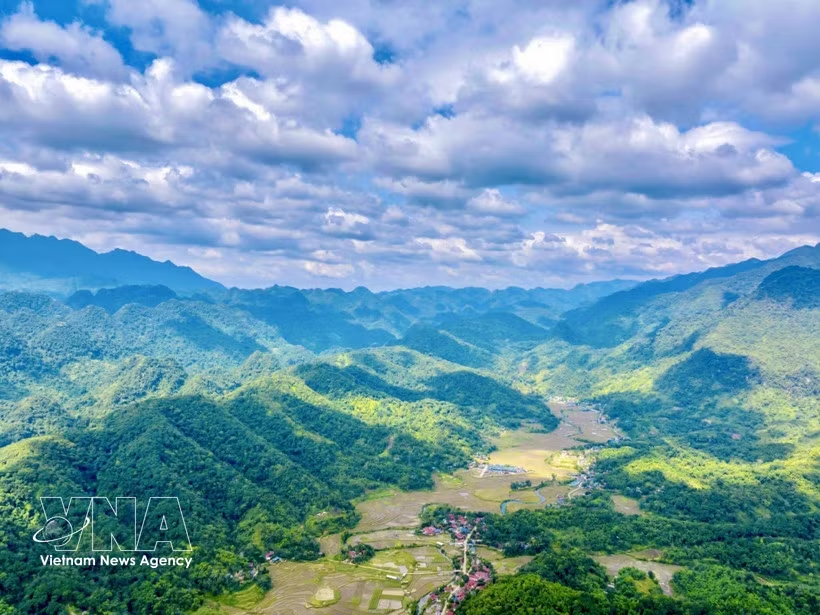
At an elevation of 1,700 metres above sea level, the summit of Pu Luong is increasingly emerging as an ideal destination for trekking - a form of adventure tourism that combines hiking with nature exploration and physical as well as mental endurance. Photo: VNA

Policy as a “green lever”

Recognising both its potential and the challenges ahead, the Vietnamese Government has moved early to shape a sustainable tourism development strategy. The national tourism master plan for 2021–2030, with a vision to 2050, prioritises increasing the share of eco-tourism in tandem with the conservation of natural resources and biodiversity. This direction not only supports economic growth but also calls for minimising environmental impact. Local authorities are encouraged to develop “green tourism” products, while raising awareness among communities and visitors about environmental protection. The integration of development and conservation has become a central guiding principle, helping the industry avoid the pitfalls of overexploitation seen in other parts of the world.

Vietnam is widely regarded as one of the most biodiverse countries globally, ranking among the world’s top 20 in terms of biological resources. A network of more than 30 national parks and dozens of nature reserves stretching from north to south provides a diverse array of destinations.

Sites such as the Phong Nha–Ke Bang, Cuc Phuong and Ba Be National Parks are emerging as key attractions for nature enthusiasts. Visitors are offered not only sightseeing opportunities but also immersive experiences such as trekking, birdwatching, camping and ecological exploration. These activities help foster greater environmental awareness, turning each trip into a journey of learning.

Community-based tourism at heart of eco-tourism

One of the defining factors behind Vietnam’s initial success in eco-tourism lies in the active involvement of local communities. Community-based models not only provide livelihoods but also encourage residents to protect natural resources.

In the famous resort destination of Sa Pa in Vietnam's northern mountainous province of Lao Cai, ethnic minority villages have successfully developed homestays and cultural tourism experiences. Visitors can stay with local families, take part in daily activities and gain deeper insight into indigenous ways of life.

Vietnam eyes becoming region’s leading tourism destination -0
The spectacular and mysterious scenery of En Cave. Photo: VNA

Meanwhile, in the Mekong Delta, eco-tourism linked to riverine landscapes, mangrove forests and agriculture is also gaining momentum. Local residents often serve as guides, directly participating in the tourism value chain, thereby improving incomes and strengthening conservation awareness.

Beyond product development, Vietnamese tourism businesses are also embracing more sustainable practices. Many hotels and resorts are adopting renewable energy, reducing plastic waste and prioritising locally sourced products.

Eco-tourism as a “green driver” of growth

With its abundant natural resources, sound policy direction and strong community engagement, Vietnam is well positioned to become a leading eco-tourism destination in Southeast Asia. Nevertheless, the path ahead will require sustained commitment to environmental protection, careful management of development and continued improvements in service quality. Only by maintaining a balance between utilisation and conservation can eco-tourism truly serve as a “green driver” of growth.

At a time when global travellers are increasingly prioritising sustainable experiences, Vietnam holds advantages to leap. If these opportunities are effectively harnessed, the tourism sector will not only contribute to economic development but also play a pioneering role in protecting nature and preserving heritage for future generations.
VNA

Other News

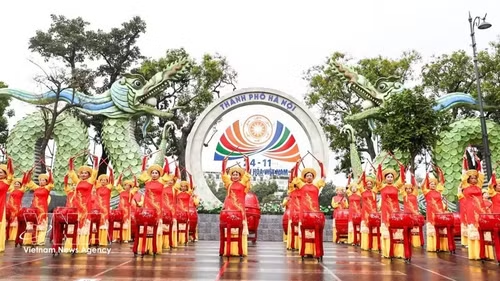
Ho Chi Minh City to host a wide range of activities celebrating Viet Nam Culture Day

Ho Chi Minh City to host a wide range of activities celebrating Viet Nam Culture Day

PSNews – As Viet Nam prepares to celebrate its first nationwide Viet Nam Culture Day on November 24, Ho Chi Minh City is gearing up for a diverse series of cultural, artistic, sporting and tourism activities across its 168 wards, communes and special zones, aiming to honor national cultural identity and promote the spirit of great national unity.

Lung Cu tourism development requires coordinated infrastructure investment

Lung Cu tourism development requires coordinated infrastructure investment

Tourism growth has brought more visitors to Lung Cu, prompting accommodation establishments and restaurants to operate at high capacity and driving up demand for electricity and water. However, some infrastructure facilities have yet to keep pace, affecting business operations and visitors' experiences.

Sa Pa: A mountainous land blossoming in all four seasons

Sa Pa: A mountainous land blossoming in all four seasons

Alongside efforts to preserve the cultural identity of local ethnic communities, Sa Pa ward in the northern mountainous province of Lao Cai is accelerating digital transformation, developing smart urban services and upgrading infrastructure and public spaces to build a green, culturally distinctive and smart urban area.

Mong women turn traditional craft into destination appeal

Mong women turn traditional craft into destination appeal

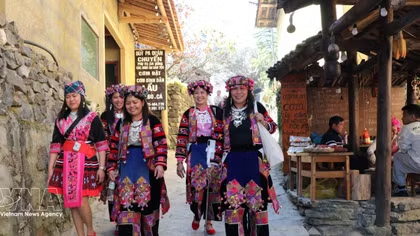
Alongside local cuisine, traditional attire, and folk games, linen weaving has become a crucial asset in enhancing Lung Tam commune's tourism appeal, creating new livelihood opportunities, and inspiring locals to preserve their heritage.

Top leader attends ceremony marking Quoc Tu Giam's 950th anniversary

Top leader attends ceremony marking Quoc Tu Giam's 950th anniversary

General Secretary of the CPV Central Committee and President To Lam called for preserving the Van Mieu – Quoc Tu Giam heritage and putting its spirit into daily school life. He asked Hanoi to work closely with culture, education and research agencies to complete open digitised materials on the relic soon.

Hanoi Creative Design Festival 2026 opens, targets creative economy

Hanoi Creative Design Festival 2026 opens, targets creative economy

Running from November 13-28, the festival features 150 activities across five cultural, heritage and creative clusters and draws nearly 1,000 domestic and foreign artisans, artists, designers and experts, including nearly 100 foreign artists and overseas Vietnamese from 21 countries.

Traditional attire reflects Cham Muslim cultural identity

Traditional attire reflects Cham Muslim cultural identity

The Cham, one of Vietnam’s 54 ethnic groups, have a rich cultural heritage, with Muslim communities concentrated in An Giang province and other southern localities. Their traditional clothing, distinguished by diverse styles, colours and fabrics, reflects Islamic beliefs, modesty and aesthetics while preserving a cultural identity passed down through generations.

UNESCO expects Vietnam to lead cultural cooperation initiatives

UNESCO expects Vietnam to lead cultural cooperation initiatives

Lidia Brito, UNESCO Assistant Director-General for Priority Africa and External Relations, praised Vietnam’s contributions to education, science, culture and information, describing the 50-year partnership between Vietnam and UNESCO as a sustained and increasingly substantive journey.

UNESCO recognizes 'Pho Hien Steles' and 'Ma Nhai Inscriptions on Non Nuoc Mountain'

UNESCO recognizes 'Pho Hien Steles' and 'Ma Nhai Inscriptions on Non Nuoc Mountain'

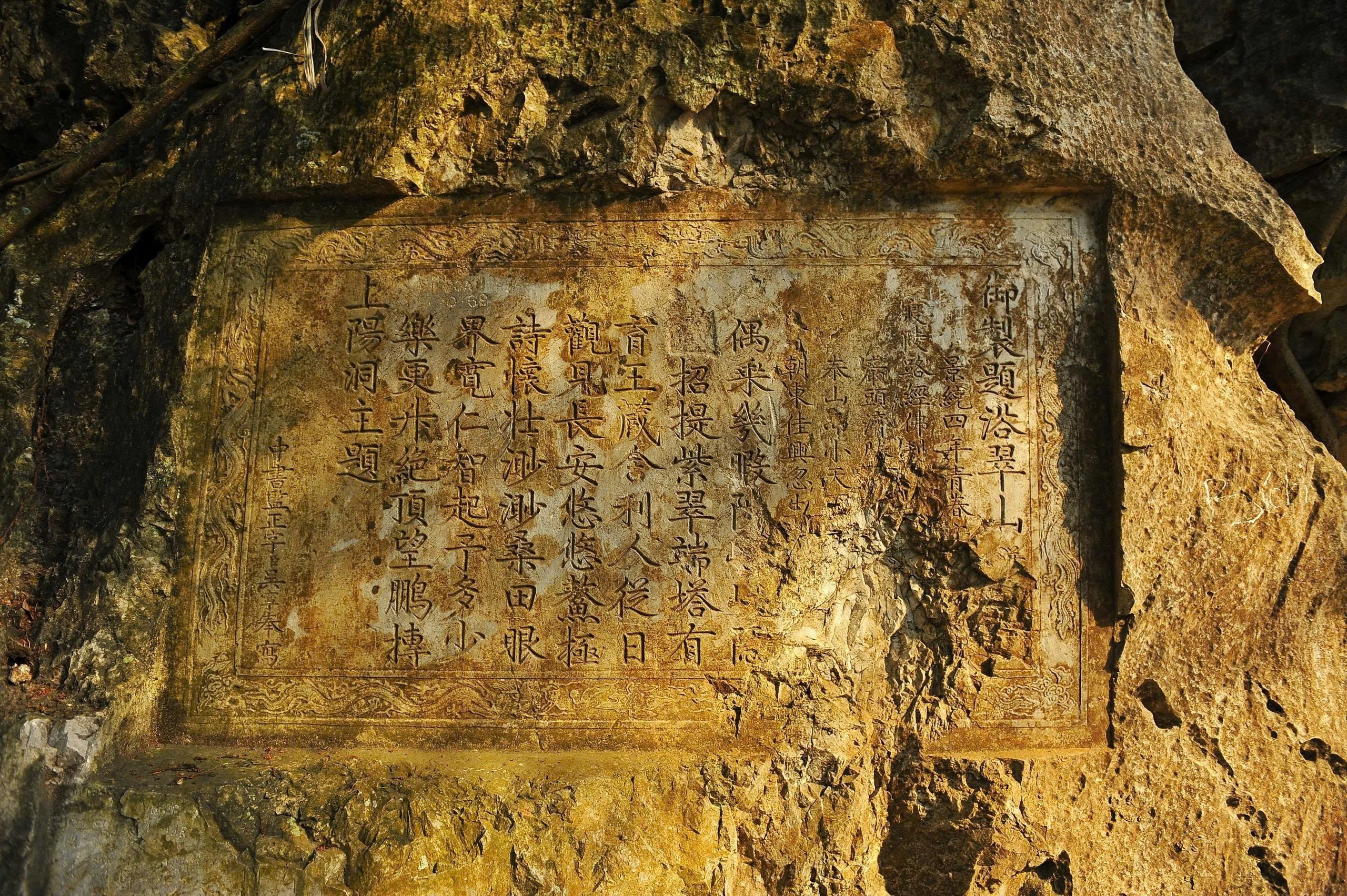
On the afternoon of November 5, at the 11th Session held in Jakarta, Indonesia, the Memory of the World Committee for Asia and the Pacific (MOWCAP) under UNESCO approved the inscription of the "Pho Hien Steles" from Hung Yen Province and the "Ma Nhai Inscriptions on Non Nuoc Mountain" from Ninh Binh Province into the Asia-Pacific Regional Register of Documentary Heritage.

Vietnamese community in the UK preserves cultural identity

Vietnamese community in the UK preserves cultural identity

In February 2027, Tet culture and the Vietnamese language are expected to feature for the first time as the main focus on the central stage of the annual Lunar New Year event at the National Maritime Museum in the UK, part of the Maritime Greenwich World Heritage Site. The 2027 London Ao Dai Week is also expected to go ahead.

Da Nang named among Lonely Planet's 'Best in Travel 2027' list

Da Nang named among Lonely Planet's 'Best in Travel 2027' list

Located in central Vietnam, Da Nang is “blessed with mountains, a long city beach and a cool vibe”. The Son Tra Peninsula offers peaceful natural surroundings and panoramic sea views, while the city’s beaches provide opportunities for swimming, relaxation and outdoor activities.

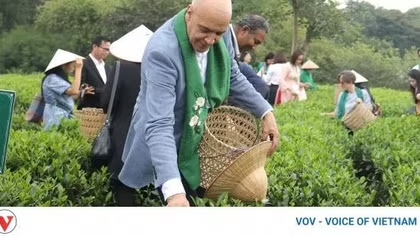
Foreign diplomats experience tea picking in Thai Nguyen

Foreign diplomats experience tea picking in Thai Nguyen

VOV.VN - Foreign diplomats in Vietnam have tried their hand at picking and pan-firing tea leaves in Vietnam’s northern Thai Nguyen province, gaining first-hand insight into the traditional craft behind the distinctive flavour of Tan Cuong tea.