As preparations intensify for the once-every-five-years congress, hostile and extremist elements have stepped up coordinated campaigns aimed at undermining public trust, particularly by distorting issues related to ethnicity, religion and the relationship between the party and the public.
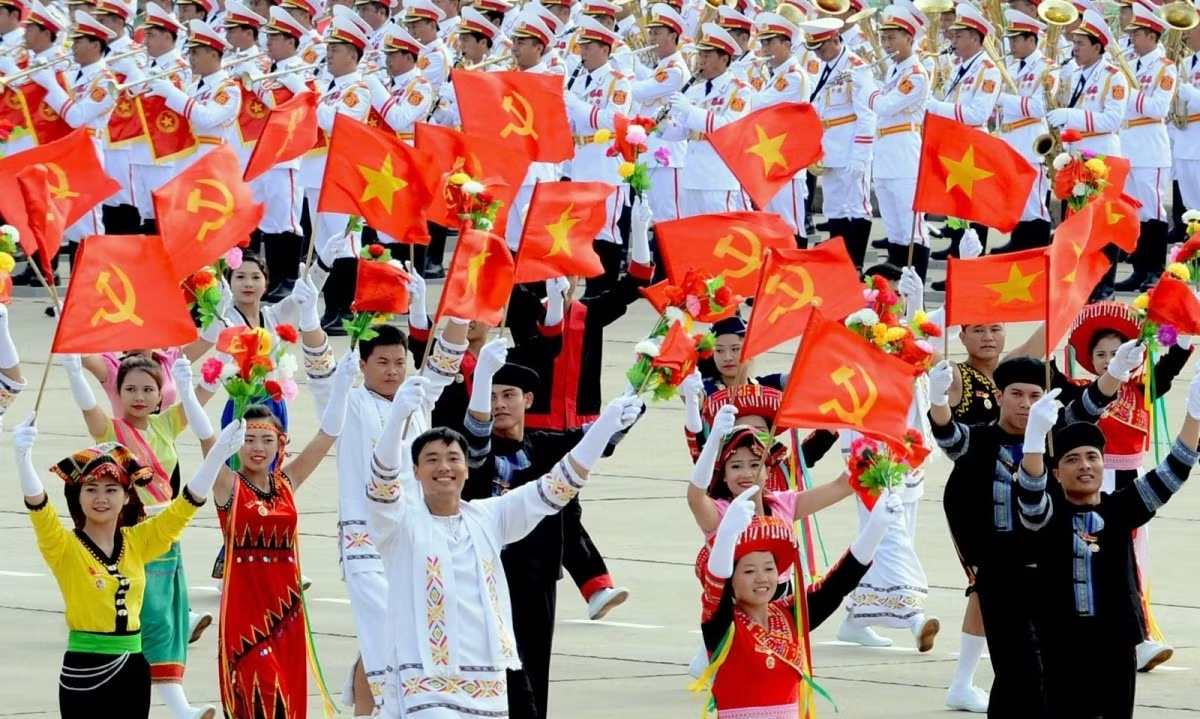
Old narratives, new platforms
Such narratives typically resurface ahead of major political milestones. While framed as “criticism” or “alternative viewpoints,” the messaging often revives long-standing accusations that the Party is disconnected from the public or that great national unity is merely symbolic.
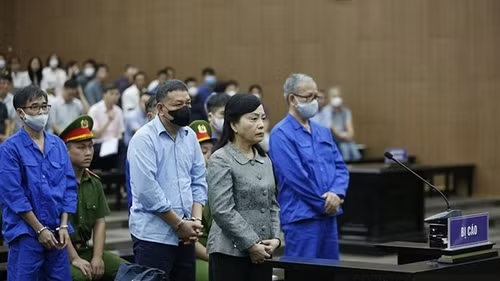
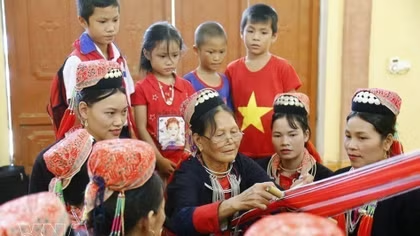
Ethnic and religious issues which are considered socially sensitive, have been a particular focus. Online posts and videos circulating on social media platforms have accused the government of discrimination against ethnic minorities or religious communities - claims Vietnam has repeatedly rejected as unfounded.
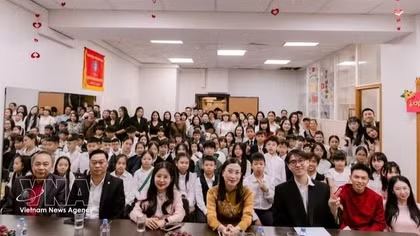
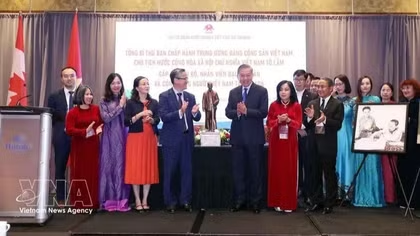
The campaigns have also targeted overseas Vietnamese communities, alleging that the State neglects its diaspora or engages them only for economic gain, in what officials describe as attempts to fracture ties between Vietnam and its citizens abroad.
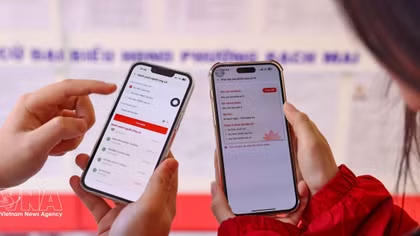
With the rapid spread of digital media, such content can travel quickly and reach wide audiences, particularly those with limited access to verified information.
Great national unity as a strategic pillar
Vietnamese officials stress that great national unity has been a consistent pillar of the country’s political system and development strategy, citing decades of policies aimed at inclusive development, social welfare and cultural diversity.
Draft documents for the 14th Party Congress reaffirm great national unity as a long-term strategic priority and a key domestic resource for sustainable development. The documents emphasise public trust as a foundation for political and social stability amid global uncertainty.
The principle of putting people at the centre of development remains unchanged, draft documents say, pointing to ongoing investments in ethnic minority regions, social protection programmes and legal protections for religious freedom.
Countering disinformation
Analysts say maintaining social consensus will be essential as Vietnam navigates economic restructuring, global supply chain shifts and geopolitical competition.
Authorities have urged the public to remain vigilant against unverified and misleading information, cautioning against amplifying false content and encouraging reliance on official and credible news sources, particularly in the lead-up to the 14th National Party Congress.
Great national unity, they stress, is not only a political principle but also a practical safeguard against destabilisation. When trust between the state and society remains strong, attempts to sow division lose their effectiveness.
Vietnam’s revolutionary history has consistently shown that great national unity is both a lasting lesson and a fundamental prerequisite for national construction and defence at every stage of development. Strengthening the bloc of great national unity is seen as essential to preserving political and social stability, reinforcing public confidence, and ensuring the successful convening of the upcoming Party Congress, in pursuit of a prosperous people, a strong nation, democracy, equity and civilisation.
As preparations for the Congress intensify, officials, Party members and citizens alike are being called upon to enhance awareness, actively counter misinformation and divisive narratives, and promote verified information and positive social values to foster consensus and national cohesion.
 Public Security Forces: Following Uncle Ho’s Teachings – Renewing Mindsets – Enhancing Knowledge – Becoming Regular and Modern Force – Wholeheartedly devoted to the Party, the People
 - Minister Luong Tam Quang: The People’s Public Security Forces are “Most Disciplined – Most Loyal – Closest to the People,” Contributing to the Successful Fulfilment of the Party’s Strategic Objectives
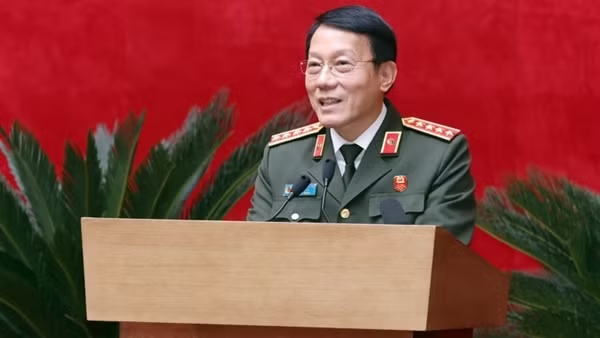 Public Security Forces: Following Uncle Ho’s Teachings – Renewing Mindsets – Enhancing Knowledge – Becoming Regular and Modern Force – Wholeheartedly devoted to the Party, the People
 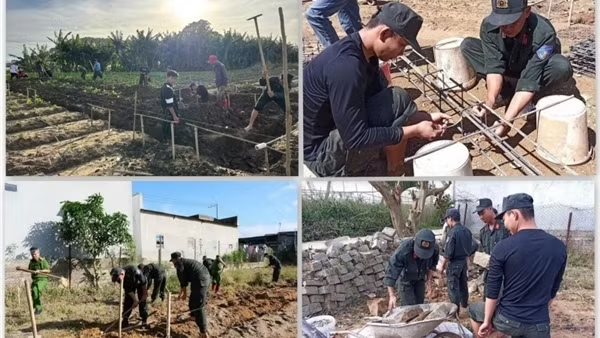 Minister Luong Tam Quang: The People’s Public Security Forces are “Most Disciplined – Most Loyal – Closest to the People,” Contributing to the Successful Fulfilment of the Party’s Strategic Objectives