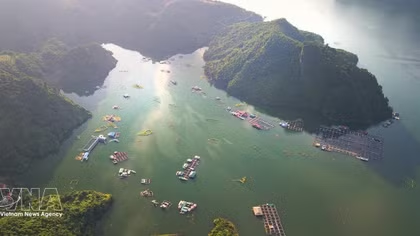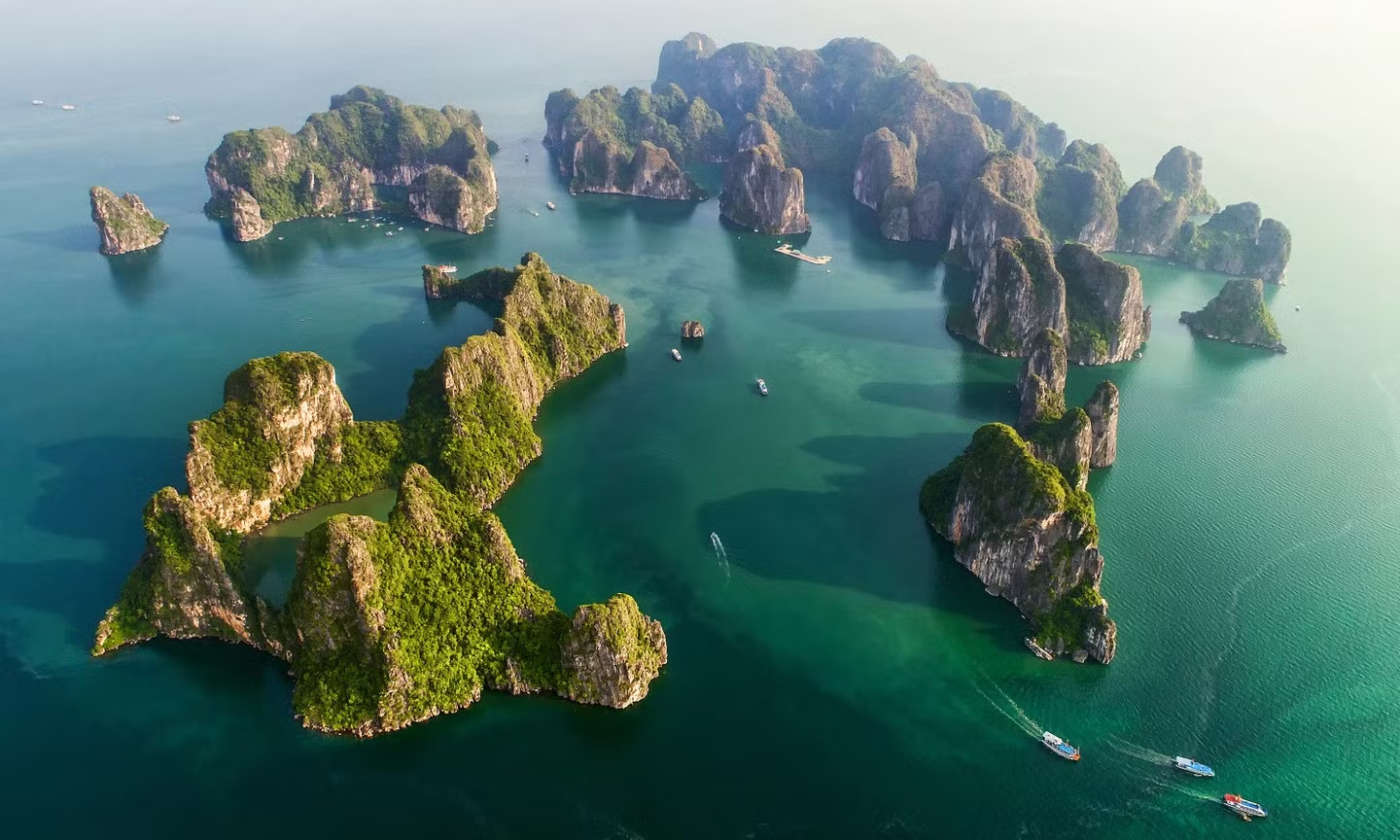
UNESCO-listed Ha Long Bay, one of the most beautiful places in the world, was ranked first in the list. It was recognised by UNESCO in 1994 and again in 2000 as a world natural heritage for the beauty of its landscape and its geological and geomorphological values.
"Lying prostrate aboard an old wooden junker, peering out across the emerald waters as jungle-covered precipices rear out of nowhere isn’t the only way to experience Cat Ba Island’s Halong Bay – it remains among the best, though," Wanderlust wrote.
The magazine commented: "These limestone karst pillars aren’t unique to Vietnam, but nowhere on Earth is their scale so dramatic, sprouting some 1,600 spines from the waters of the Gulf of Tonkin, birthing towering islands and islets out of bounds to all but the native seabirds that have made them home.
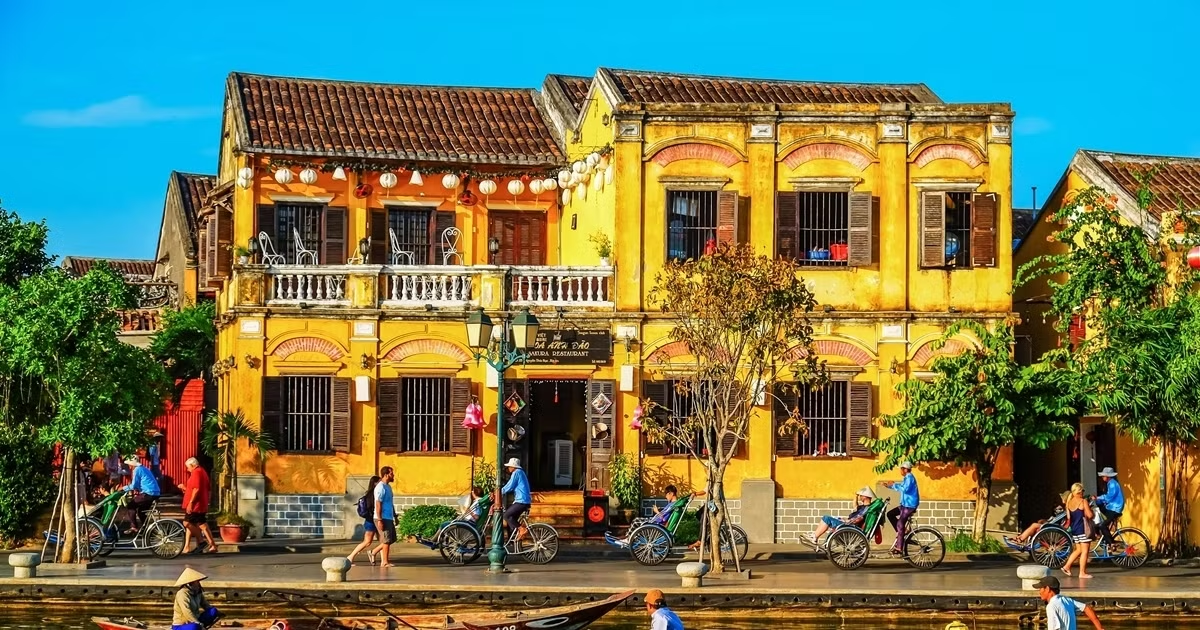
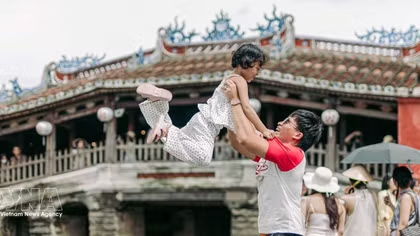
The ancient town of Hoi An in central Vietnam is placed sixth on the list. "Far removed from the fogs of exhaust that envelop many a visit to Southeast Asia, UNESCO-listed Hoi An is a quiet, sculpted riposte to the pace of modern Vietnamese life," Wanderlust described.
According to the magazine, reminders of Hoi An’s multi-cultural past abound in its French-style buildings, Chinese Quarter and dainty Japanese-style covered bridge. The Chinese influence is particularly visible in the city’s assembly halls, each built according to the home province of its settlers.
It suggested: "Walking along this picturesque town is like literally stepping back in time. The city is one big playground for Instagram savvies as its colorful structures, and charming architecture offer endless snap opportunities. One of the top attractions is the Japanese Bridge, and museums await history buffs".
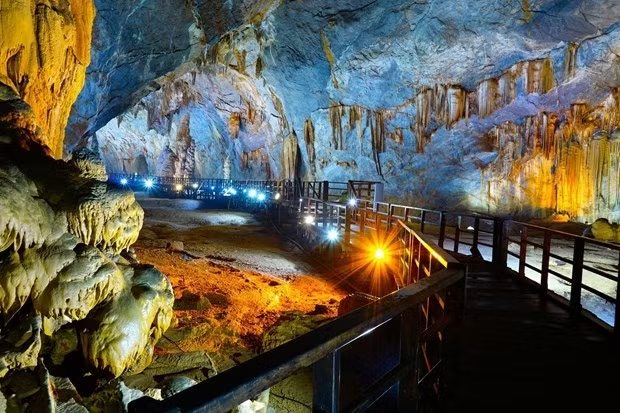
Meanwhile, Phong Nha-Ke Bang National Park in Quang Binh province, central Vietnam, was inscribed in UNESCO's World Heritage List in 2003. It features great geological diversity and offers spectacular phenomena while harboring a high level of biodiversity and many endemic species.
Phong Nha is home to Son Doong, the biggest natural cave on the planet, as well as the third largest Hang En. The Blue Diamond camping site is near the historical Khe Gat field military airport.
The magazine wrote that the park was recognised by UNESCO long before Son Doong Cave, a 5 km-long cavern so big one could fit a skyscraper inside, was named the world’s largest cave. That was opened to visitors in 2013, although guided trips into its gaping limestone maw are still in their infancy. More caves are being found all the time, with the glistening underground stalagmite field of newly discovered Hang Va becoming the latest to receive tours.