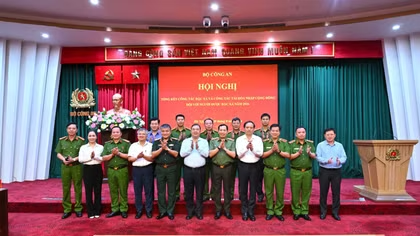
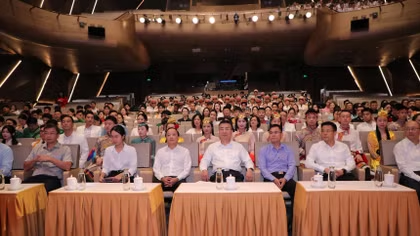
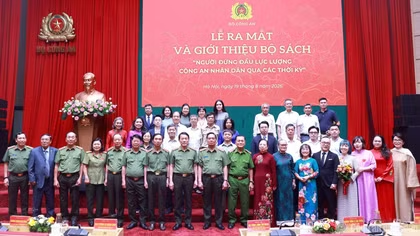
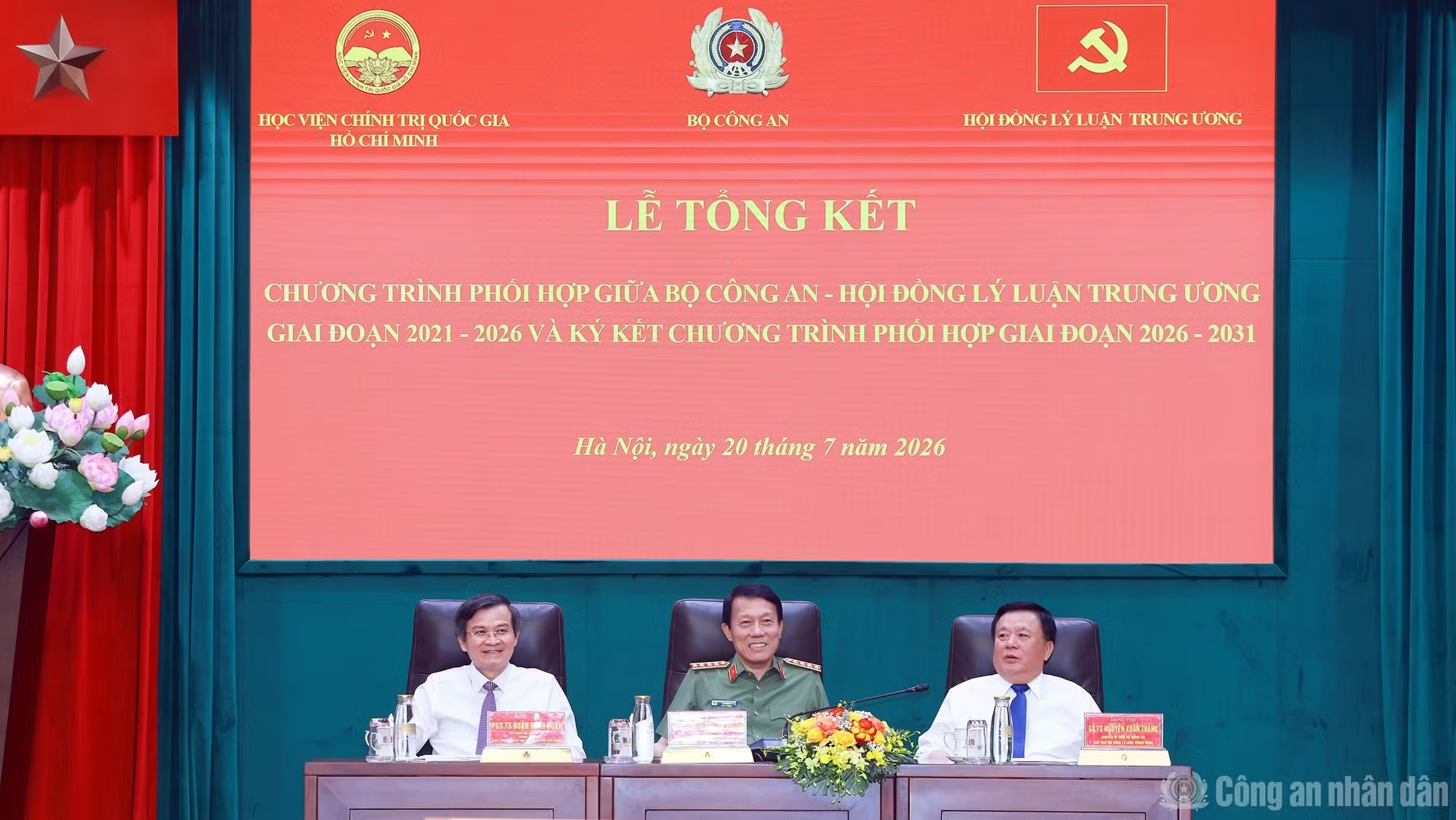
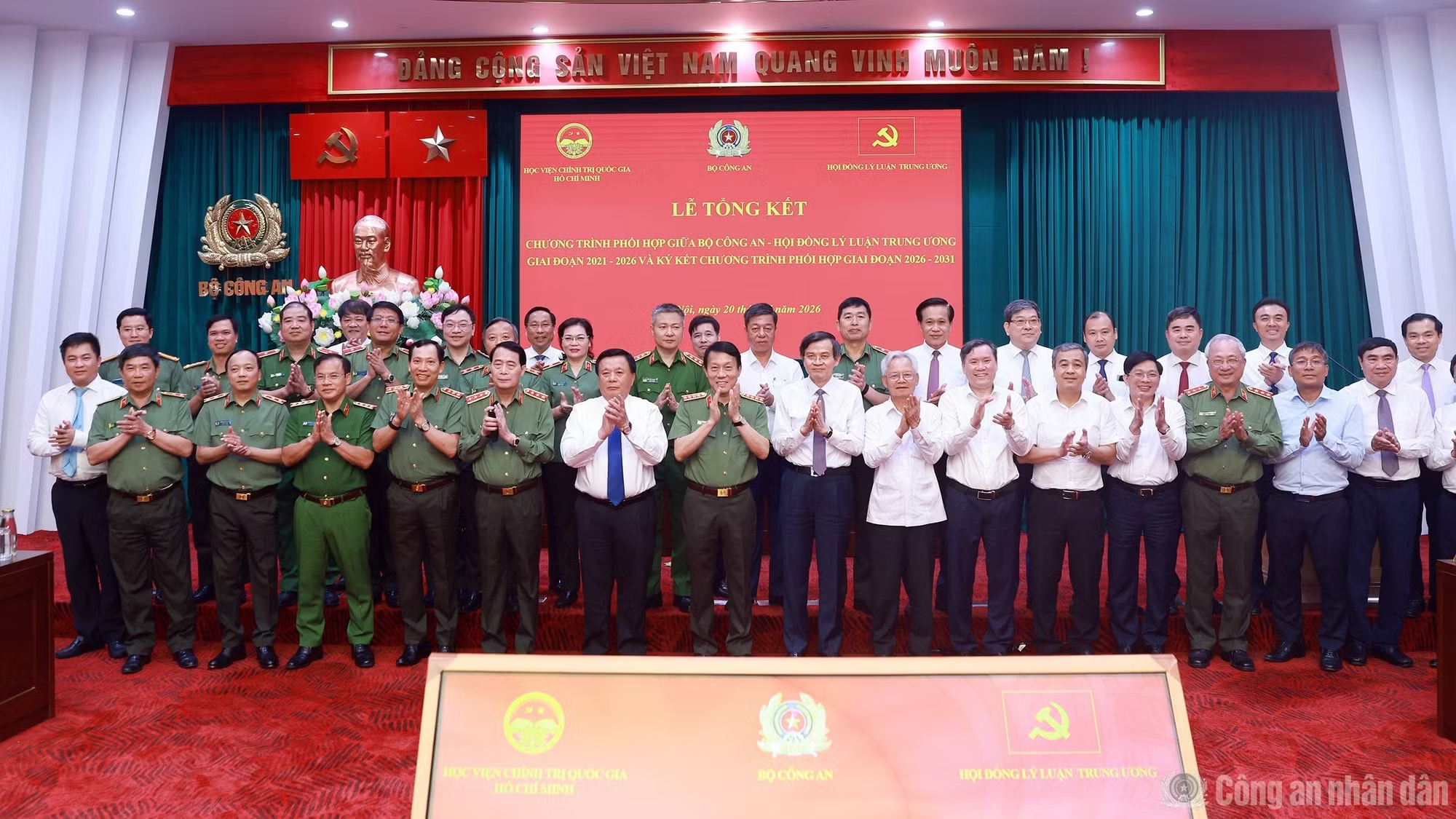
The event was co-chaired by General Luong Tam Quang, Politburo Member and Minister of Public Security, alongside Assoc. Prof. Dr. Doan Minh Huan, Politburo Member and Director of the HCMA.
Distinguished attendees included Prof. Dr. Nguyen Xuan Thang, former Member of the Politburo and Chairman of the Central Theoretical Council (CTC); Prof. Dr. Le Van Loi, Member of the Party Central Committee and President of the Viet Nam Academy of Social Sciences; current and former leaders of the HCMA and the CTC; alongside representatives from central ministries, departments, experts, and scholars.
Delegates from the MPS included Party Central Committee Members and Deputy Ministers: Senior Lieutenant General Le Quoc Hung, Senior Lieutenant General Le Van Tuyen, Senior Lieutenant General Nguyen Van Long, Senior Lieutenant General Nguyen Ngoc Lam, and Lieutenant General Dang Hong Duc, along with leadership representatives from professional units under the MPS and public security academies.
According to the review report, over the five years of implementing the 2021–2026 Coordination Program between the MPS and the CTC, joint theoretical research and practical reviews have progressively deepened, staying closely aligned with the requirements of safeguarding national security, maintaining social order and safety, and building the People's Public Security force.
The two institutions collaborated closely to conduct research and compile numerous scientific studies and in-depth advisory reports on security and order. These findings provided crucial scientific and practical foundations for formulating and perfecting major guidelines, policies, and strategic orientations of the Party and State, while contributing directly to draft resolutions, strategies, and key national defense projects in the new development phase.
Pursuant to Decision No. 214-QD/TW of the Politburo, the Central Theoretical Council is currently organized within the institutional framework of the Ho Chi Minh National Academy of Politics. This structural arrangement facilitates tighter integration of personnel and resources across research, training, and practical evaluations, while establishing a powerful platform to elevate cooperation between the HCMA and the MPS to a higher level.
The new Coordination Program for 2026–2031 focuses on comprehensively innovating theoretical research and practical reviews across mindset, content, methodology, and organizational mechanisms. Key priorities include:
· Elevating the quality of strategic advisory work for the Party and State;
· Enhancing joint efforts to safeguard the Party's ideological foundation;
· Cultivating a corps of high-caliber theoretical researchers; and
· Accelerating digital transformation in research and knowledge management.
In the coming time, the two institutions will collaborate to decode emerging issues and provide timely, science-based arguments to the Party Central Committee, the Politburo, and the Secretariat. Research efforts will be tightly bound to the requirements of national security and social order in the new context. Concurrently, both sides will accelerate document digitization, build shared databases of practical reviews, establish a digital library, and develop a common academic exchange platform to eliminate data fragmentation.
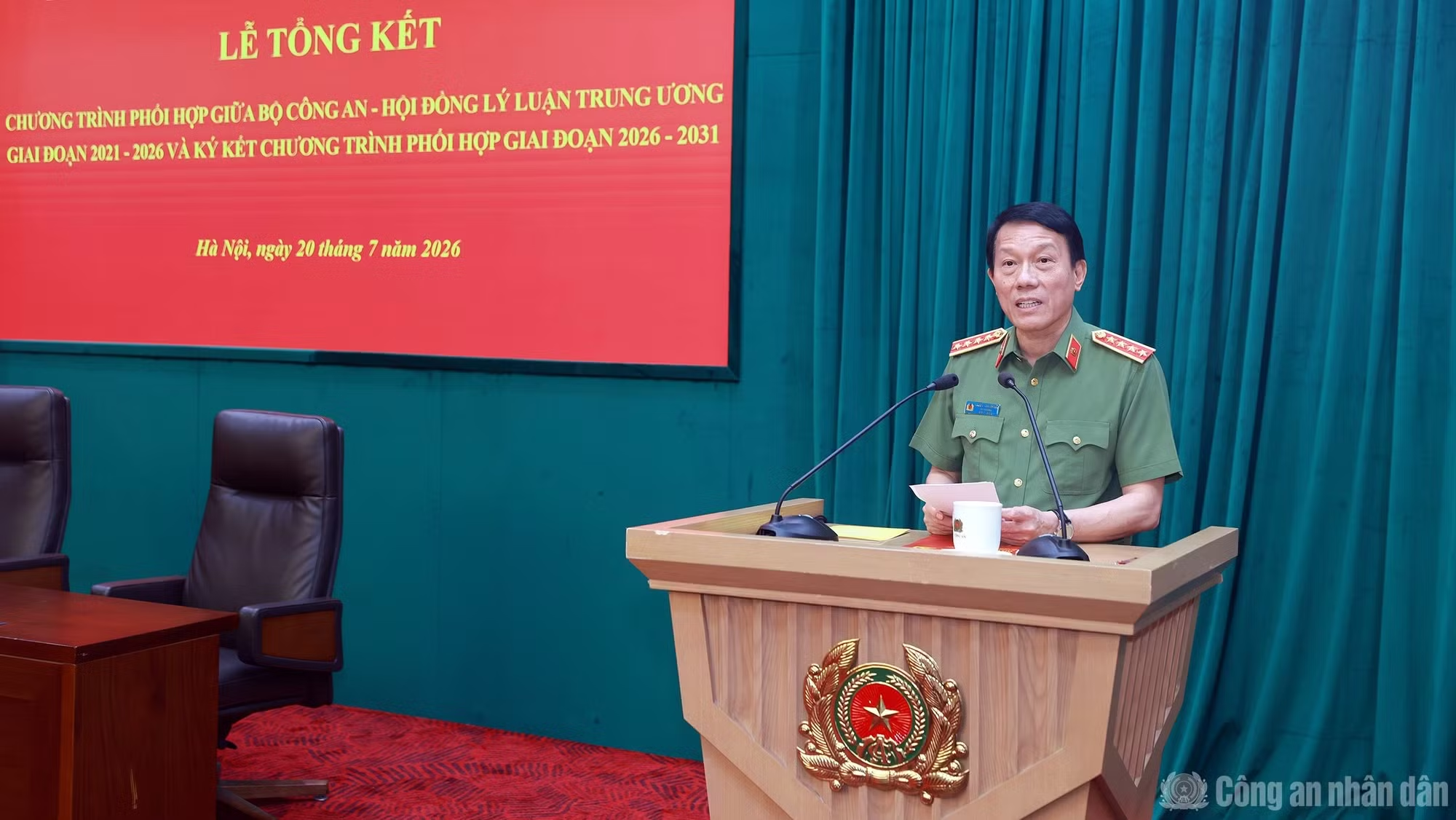
Speaking at the conference, Minister Luong Tam Quang affirmed that evolving Party directives present both an inspiring horizon and a challenging task for public security theoretical researchers, offering fertile ground for deeper collaboration between the MPS and the HCMA. He stressed the imperative to build a comprehensive theoretical system on national security to ensure law enforcement forces fulfill their mission in the New Era.
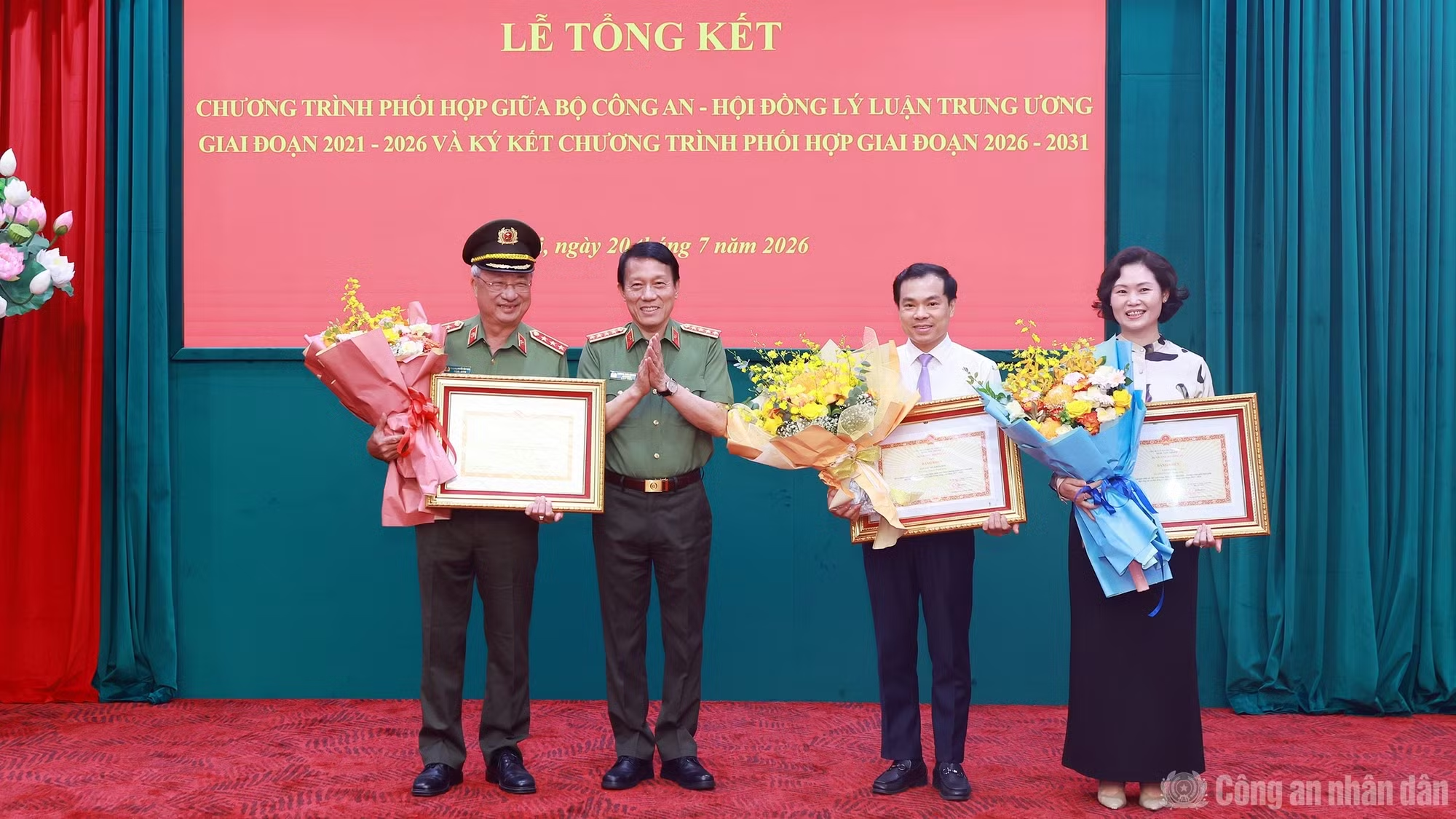
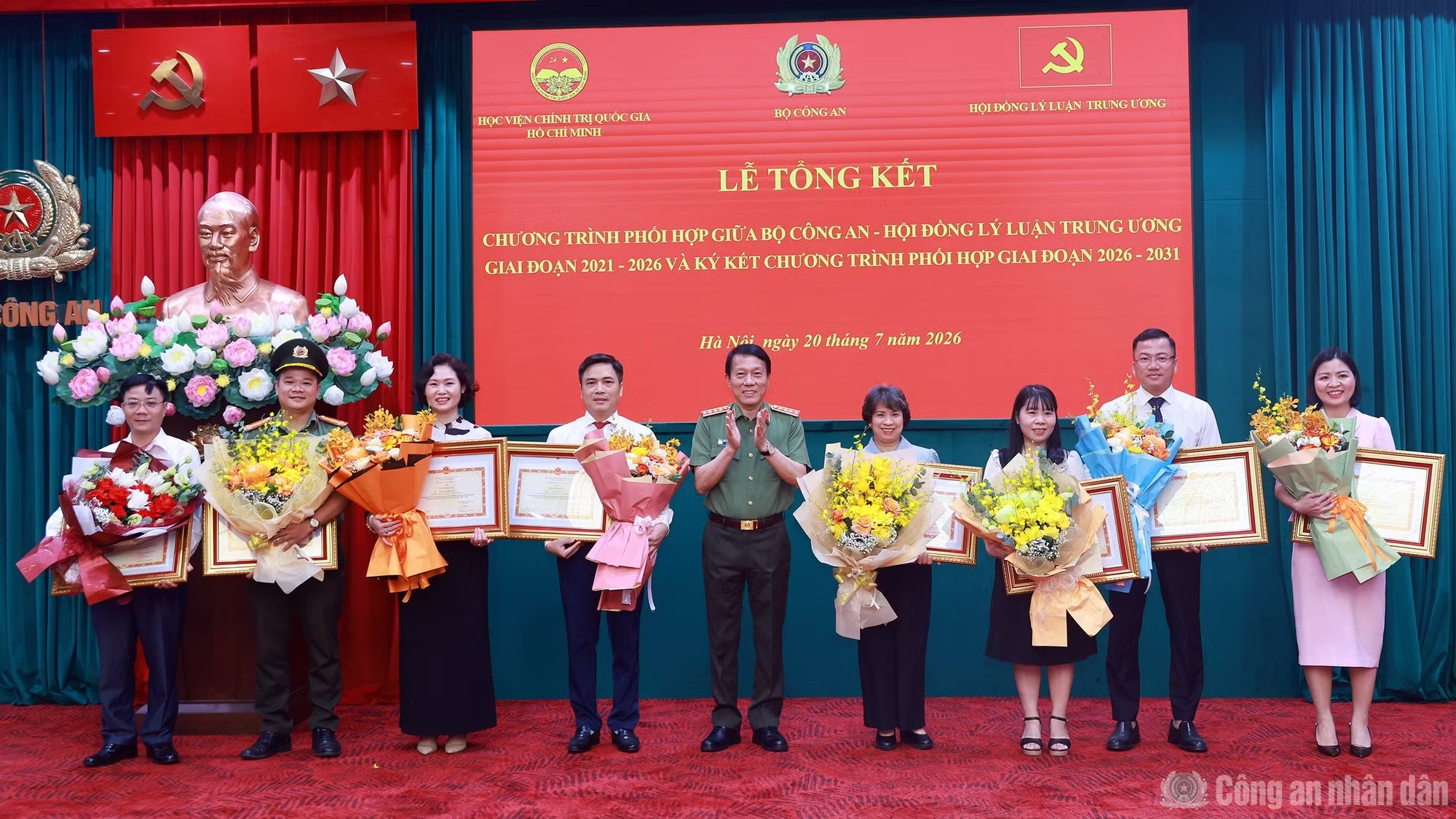
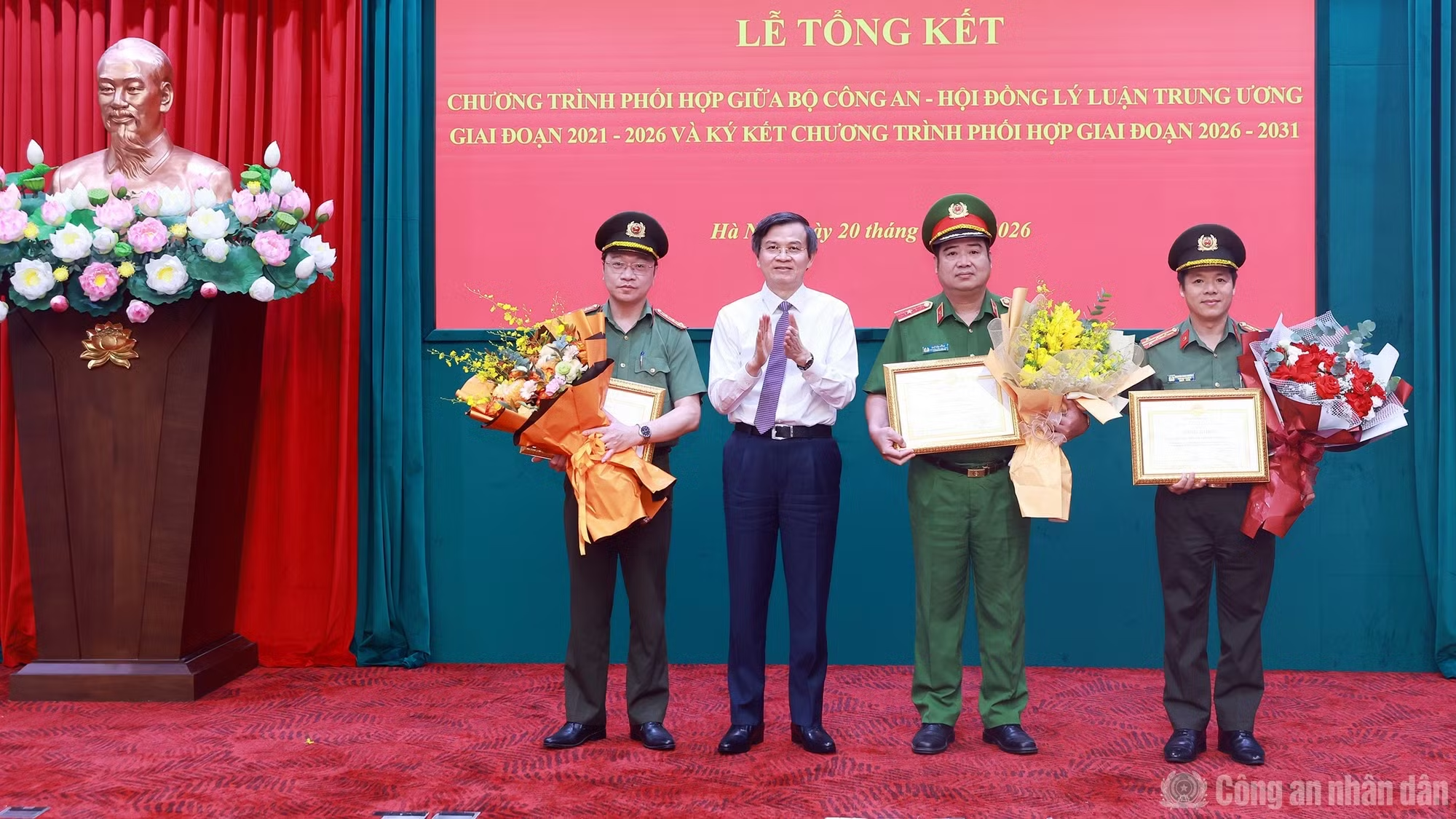
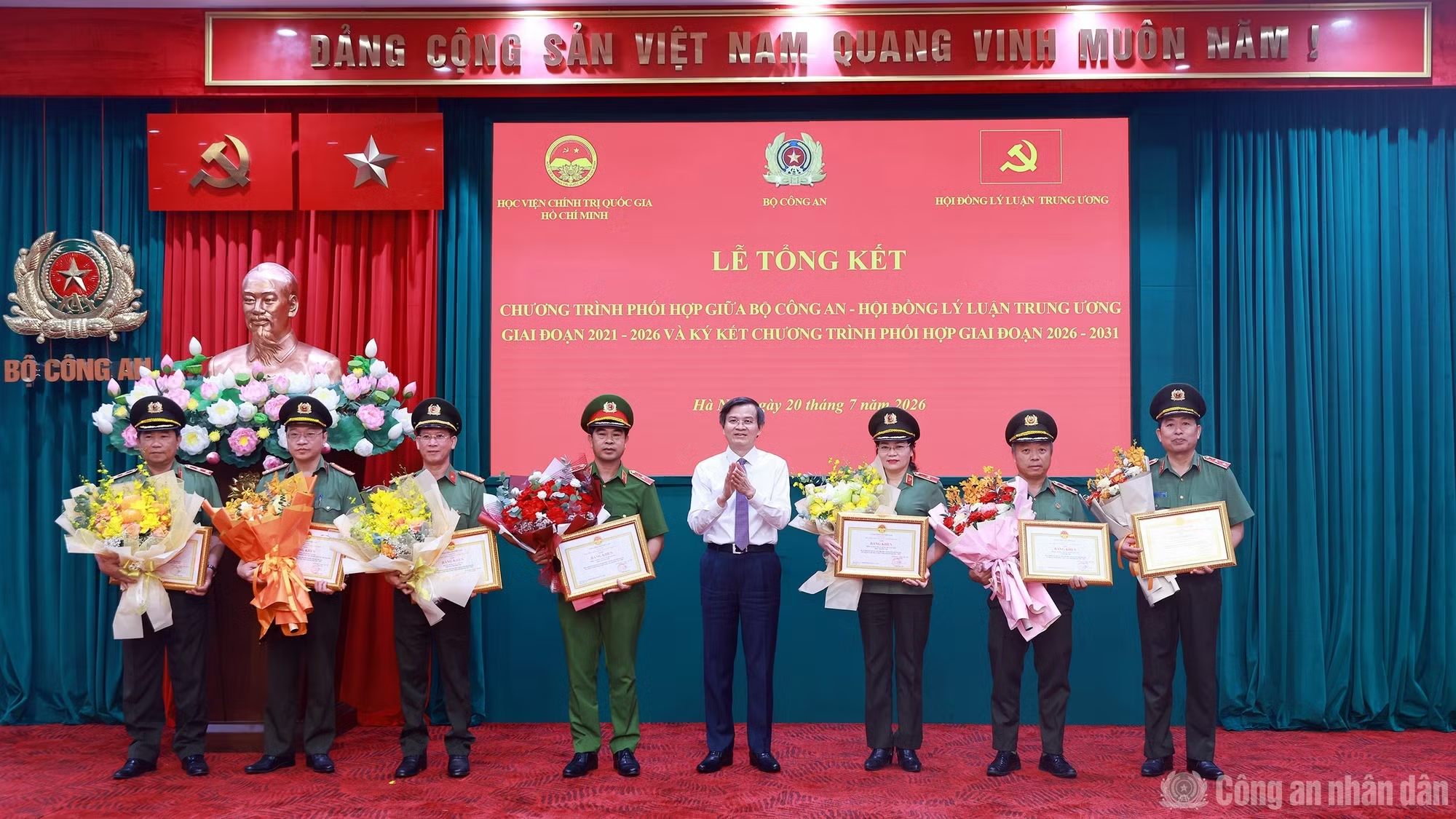
To make the partnership increasingly effective, Minister Quang urged elevating collaborative theoretical research to a higher standard, taking concrete recommendations submitted to the Party and State—along with the clarification of emerging security concepts—as vital benchmarks for assessing effectiveness. Major, complex topics such as Viet Nam's national security doctrine, the art of safeguarding national security, and the art of maintaining social order must be translated into concrete, structured research plans with clear, tangible outputs.
Emphasizing a fundamental shift in approach, Minister Luong Tam Quang clearly stated:
"In the New Era, theoretical research cannot lag behind reality; it must stay one step ahead. It cannot merely summarize, describe, or explain past events. Theory must preemptively identify emerging issues, grasp their true nature, forecast trends, propose solutions, and translate them directly into actionable policies, laws, strategies, and concrete action plans."
According to the Minister, both institutions must transition:
1. From isolated research topics to cohesive strategic research programs;
2. From ad-hoc incident reviews to generalized theoretical models;
3. From purely academic papers to actionable policy products with clearly designated end-users that directly serve leadership and decision-making.
The program must be executed with clear focus, annual implementation plans, defined deliverables, firm timelines, and rigorous evaluation mechanisms.
Furthermore, Minister Quang requested continued joint research to firmly protect the Party's ideological foundation, proactively identifying early threat vectors in cyberspace and social media. He called for developing sharp, persuasive arguments and forming a dedicated task force of seasoned polemicists, experts, and digital influencers to reinforce the trust of cadres, Party members, and the public.
Practical evaluations must focus heavily on grassroots levels, strategic regions, and emerging local governance models. Field assessments must rapidly generalize best practices regarding commune-level policing, the "four-on-the-spot" principle, and responses to high-tech, financial, drug-related, and transnational crimes. The Minister reiterated: "Reality is the lifeblood of theory."
Another critical task is building a team of researchers possessing strong political resolve, analytical acumen, modern methodology, deep practical understanding, and multidisciplinary expertise, capable of high-level academic dialogue. This will gradually form a network of theoretical experts capable of executing long-term strategic research to serve the decision-making needs of the Party, State, and Ministry of Public Security.
At the conclusion of the event, leaders of the MPS and the HCMA signed the Coordination Program for the 2026–2031 period. Under the agreement, the Central Theoretical Council will serve as the primary focal point coordinating with the MPS Department of Science, Strategy, and History to draft annual execution plans, while administrative offices from both agencies will monitor progress.