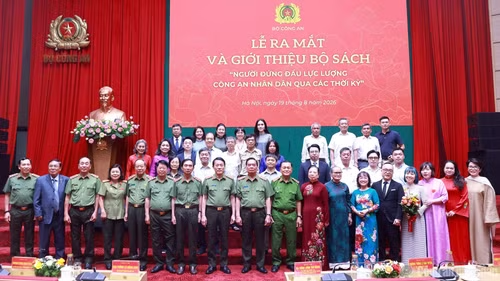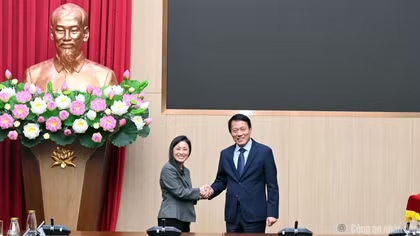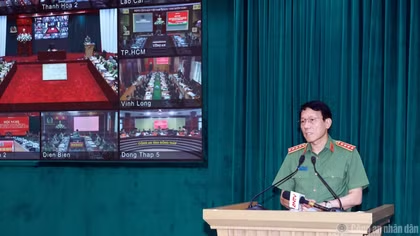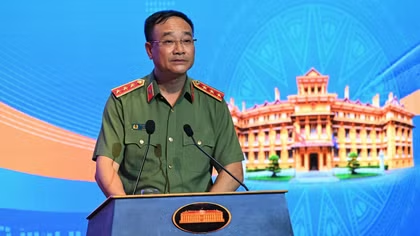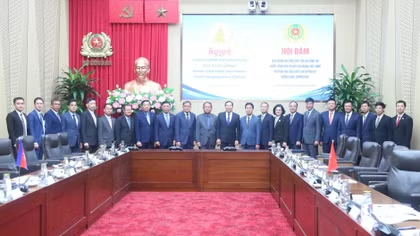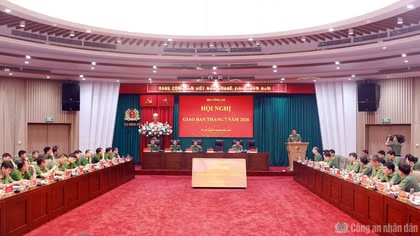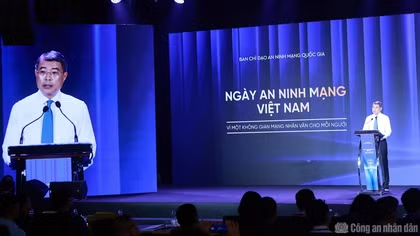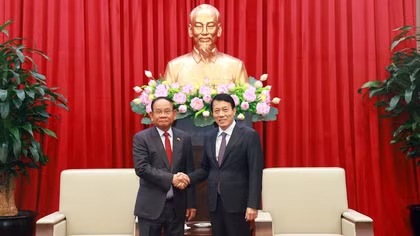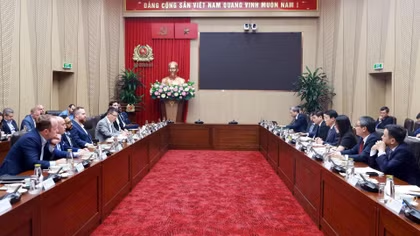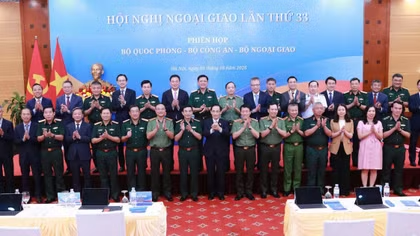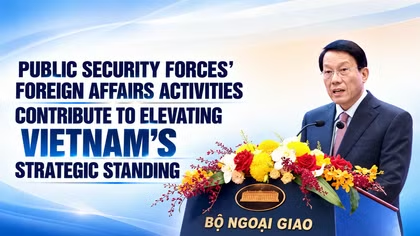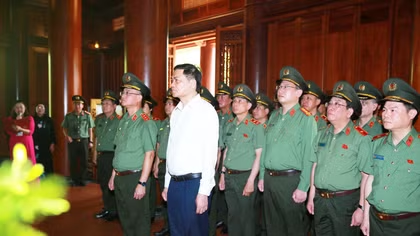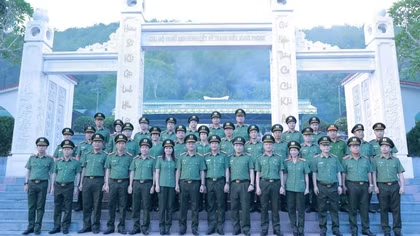
The symposium was co-chaired by high-ranking officials, including: Politburo Member, Secretary of the Central Public Security Party Committee and Minister of Public Security General Luong Tam Quang, Politburo Member, Secretary of the Party Central Committee and Head of the Central Commission for Information, Education and Mass Mobilization Trinh Van Quyet; Chairman of the Central Theoretical Council Prof. Dr. Nguyen Xuan Thang; Deputy Minister of National Defense Senior Lieutenant General Nguyen Van Gau; Deputy Minister of Foreign Affairs Nguyen Mạnh Cuong; and Deputy Minister of Public Security Senior Lieutenant General Pham The Tung.
The event also drew the participation of senior officials from the Ho Chi Minh National Academy of Politics, the Communist Review, and the Central Internal Affairs Commission, alongside numerous researchers and experts.
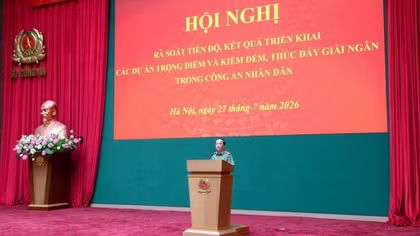
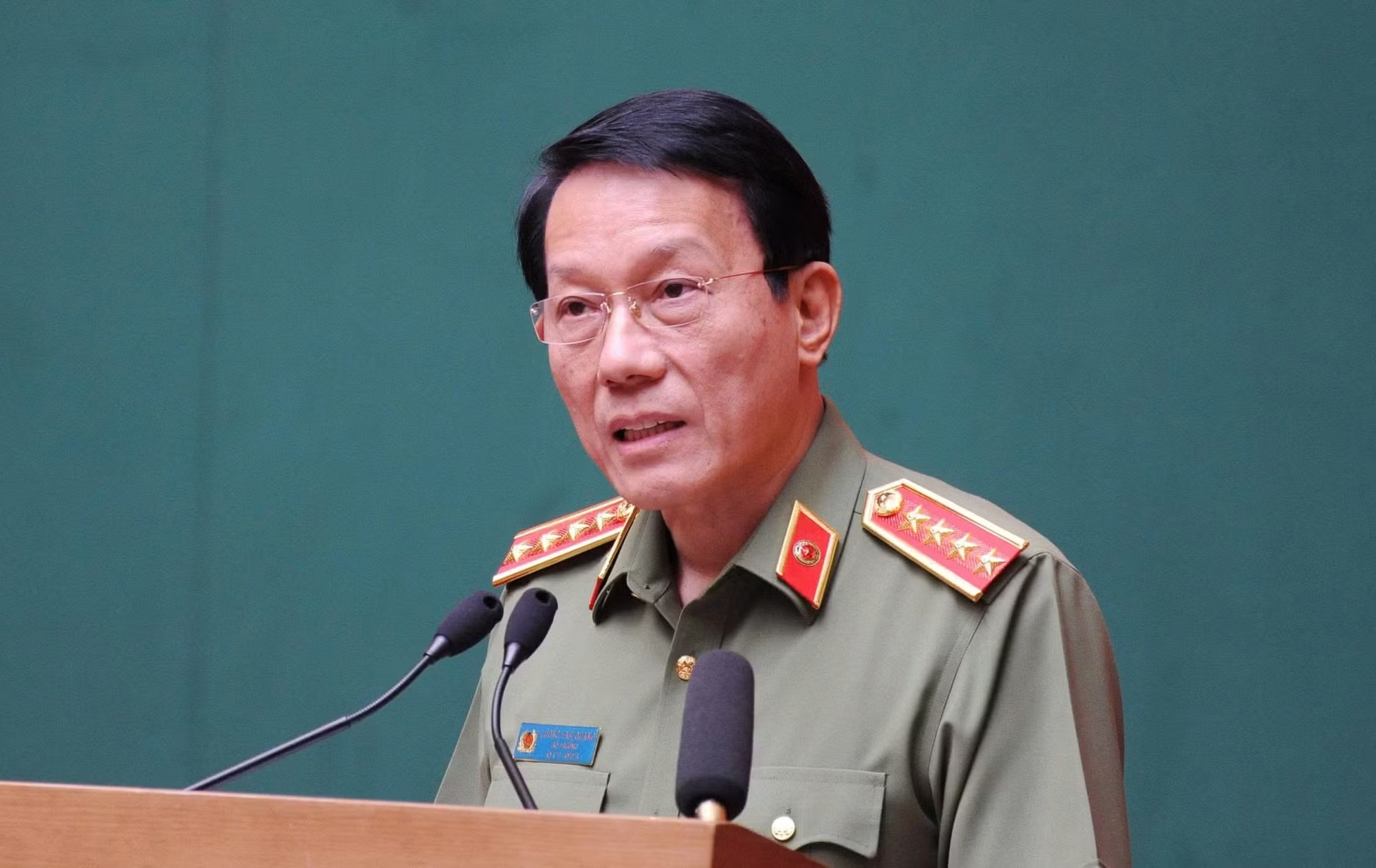
Opening the conference, Minister Luong Tam Quang affirmed, "Throughout its 80-year journey alongside the nation, particularly during the revolution's most critical and grueling turning points, the People’s Security Force has consistently demonstrated absolute loyalty. proven itself a vital, deeply trusted armed wing of the Party, living by the ethos 'We exist only as long as the Party exists' and serving as both the 'sharp sword' and 'iron shield' protecting the Party, the State and the People."
The Minister emphasized that the conference serves as a key milestone to review the force's revolutionary nature and heroic legacy, while expressing ultimate gratitude to President Ho Chi Minh, party pioneers, past leaders of the Ministry of Public Security, and fallen heroes who sacrificed their lives for national security.
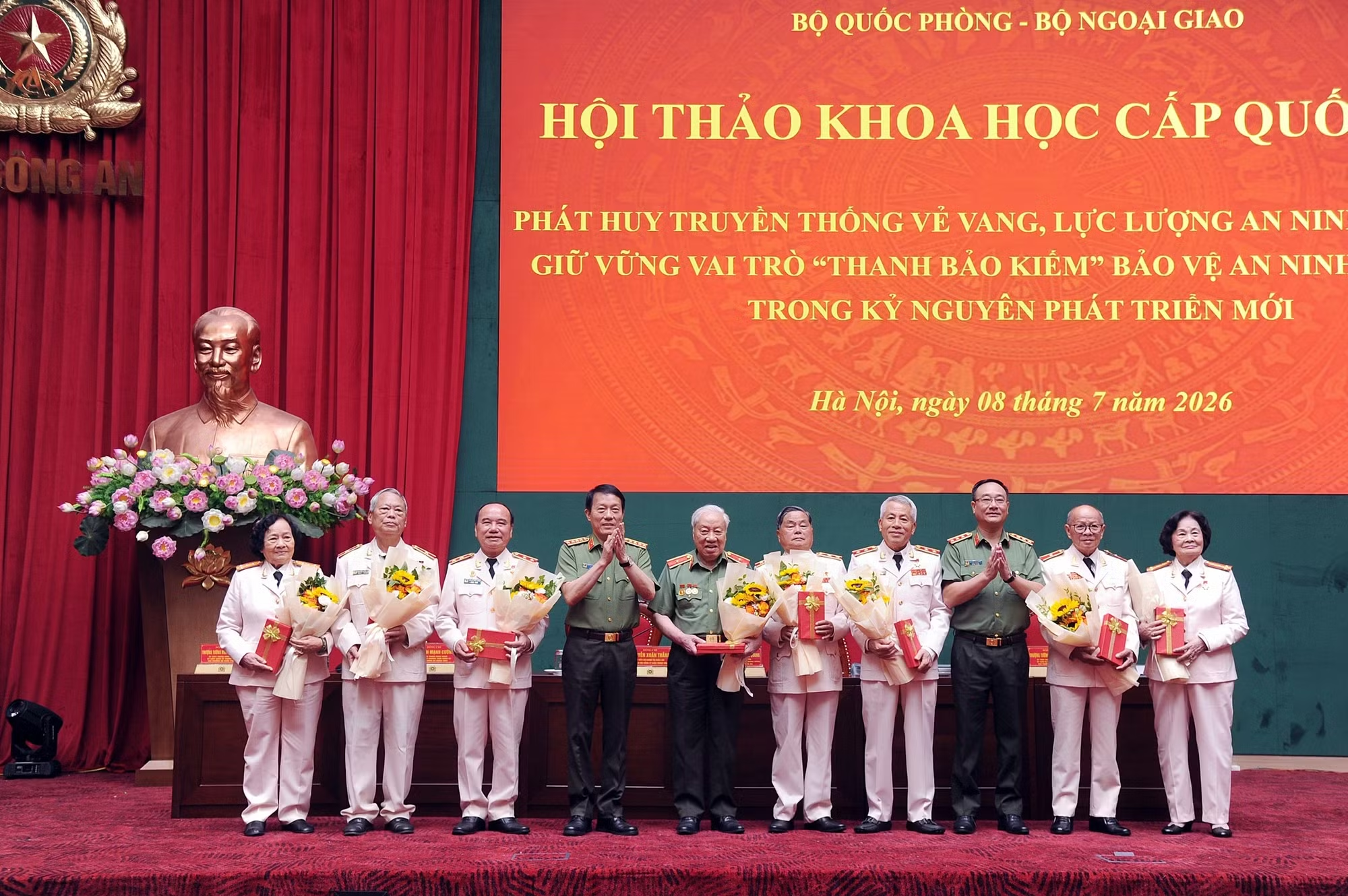
In his keynote address, Mr. Trinh Van Quyet outlined three core values that define the unique identity of the Vietnam People's Security Force over the past eight decades. These include: a doctrine of strategic proactiveness (“staying one step ahead”), a pivotal role in providing strategic counsel to the Party and State, and a capacity for strategic enabling – maintaining a peaceful, stable and secure environment, anchoring public trust, and safeguarding the drivers of national development.
The seminar was the result of extensive and meticulous preparation, drawing over 109 deeply researched papers from central authorities, military and public security agencies, and the academic community.
In his closing remarks, Prof. Dr. Nguyen Xuan Thang noted that the success of the symposium meaningfully marks the 80th anniversary of the People’s Security Force while providing a deeper framework for its mission in building and defending the Socialist Republic of Vietnam.
Synthesizing the conference's key takeaways, Prof. Dr. Nguyen Xuan Thang stated that 80 years of history confirm a fundamental truth: at every historical juncture of the Vietnamese revolution, preserving national security, political stability, and the socialist regime is the non-negotiable prerequisite for national development.
He noted that the force's status as a “sharp sword” is not merely a functional description but a crystallization of absolute Party leadership, unwavering political resolve, rigorous training, and a deep, foundational bond with the public.
Prof. Dr. Nguyen Xuan Thang suggested that national security doctrines should continuously evolve to become comprehensive, proactive, modern and development-oriented. Protecting national security in the new era demands higher standards in strategic forecasting and advisory work. He concluded that building a robust “people-centric security framework” rooted in public trust remains a long-term strategic priority.
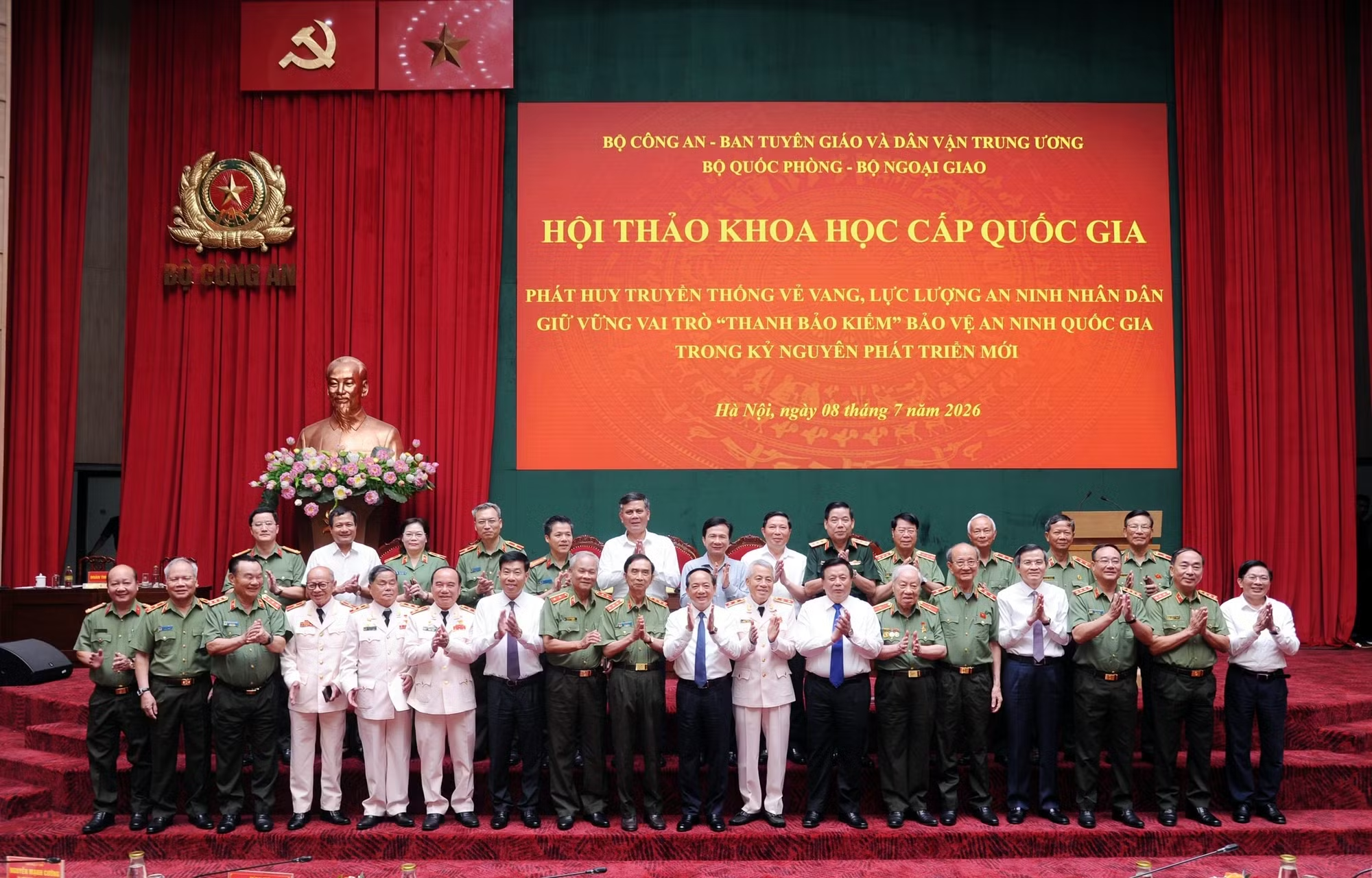
Furthermore, modernizing the People's Security Force is required to be integrated into the overarching modernization of national security, driven by technological innovation, digital transformation, and the growth of a strategically autonomous, dual-use security industry. This mandate requires seamless, highly effective coordination among the People’s Public Security Forces, the People's Army, the diplomatic corps, and all local governments.